

 English
 中文简体
中文简体 Español
 عربى
عربى русский

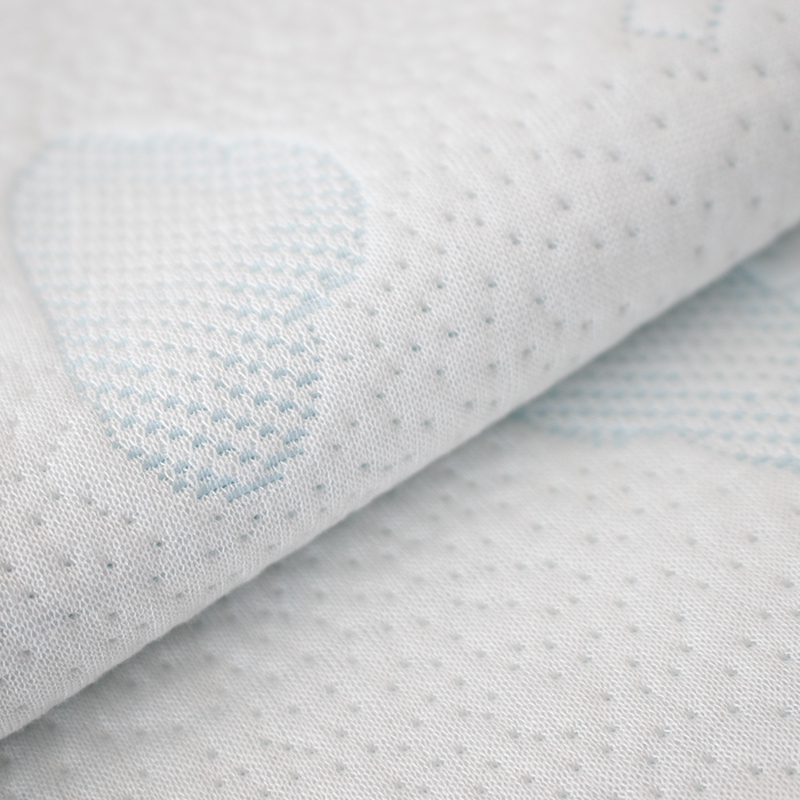
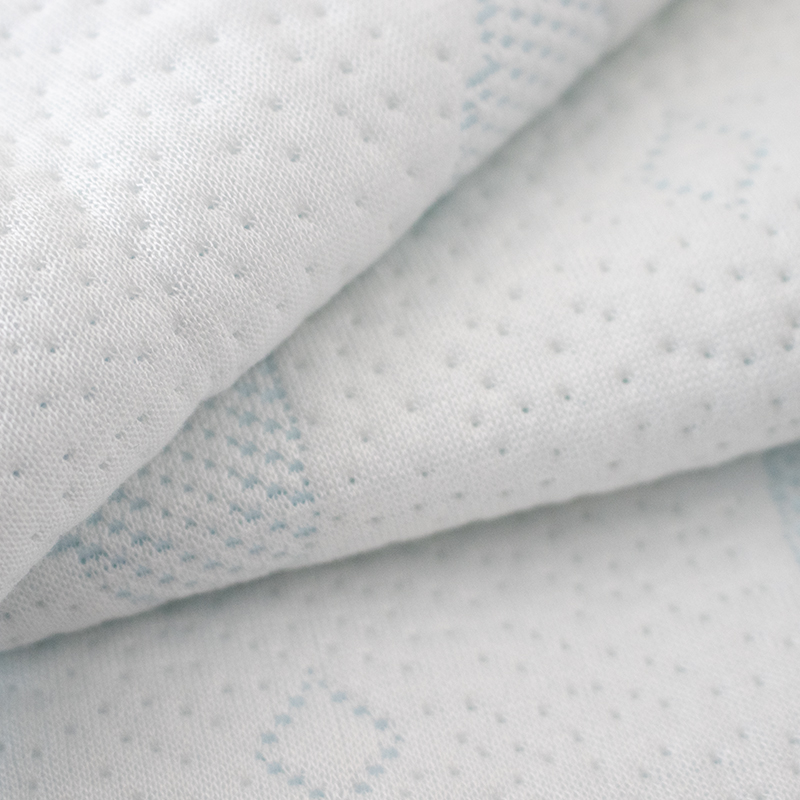
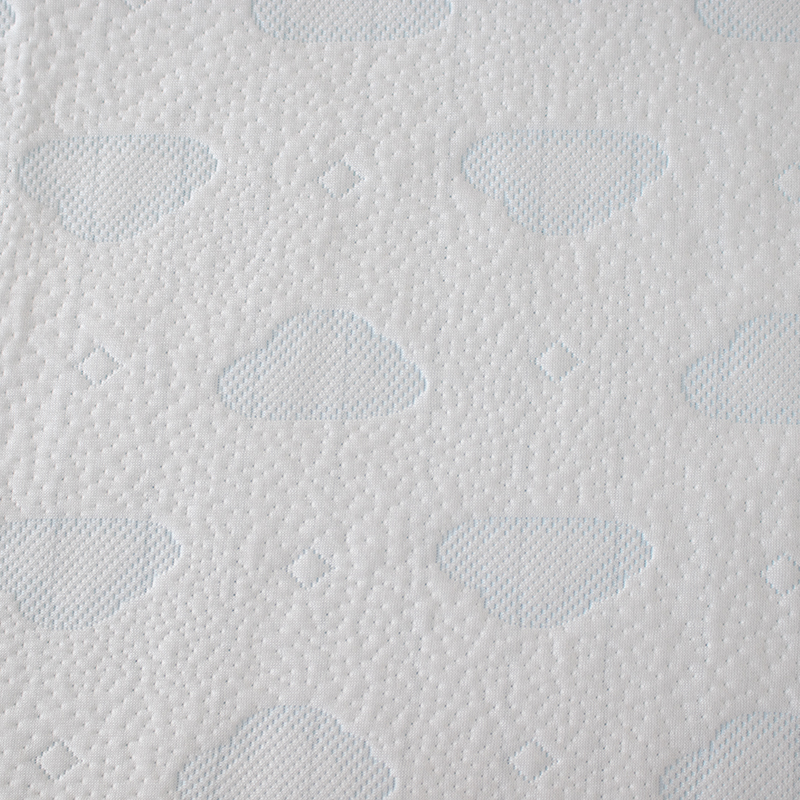
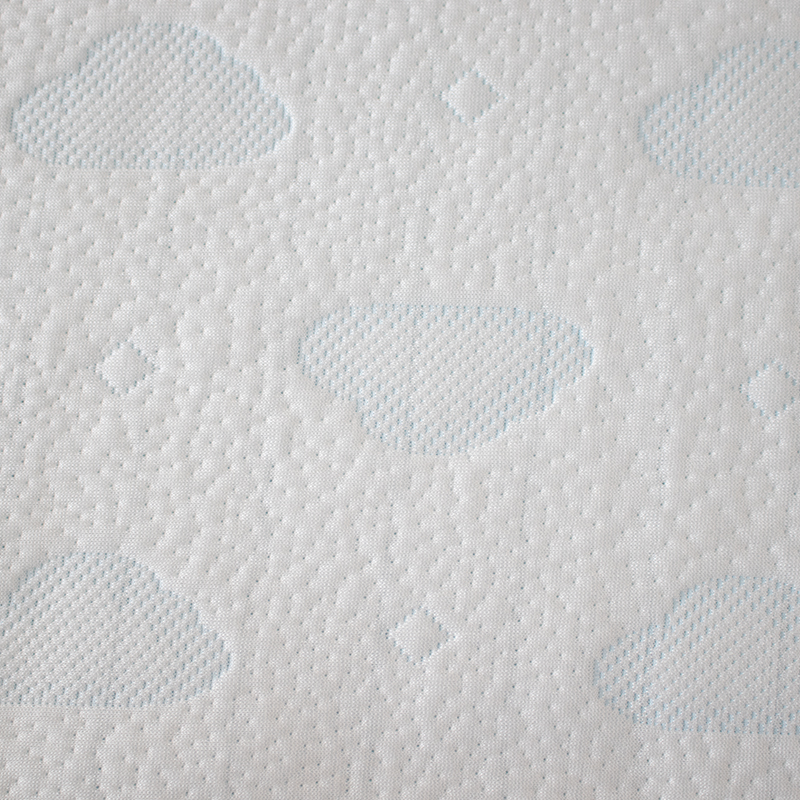
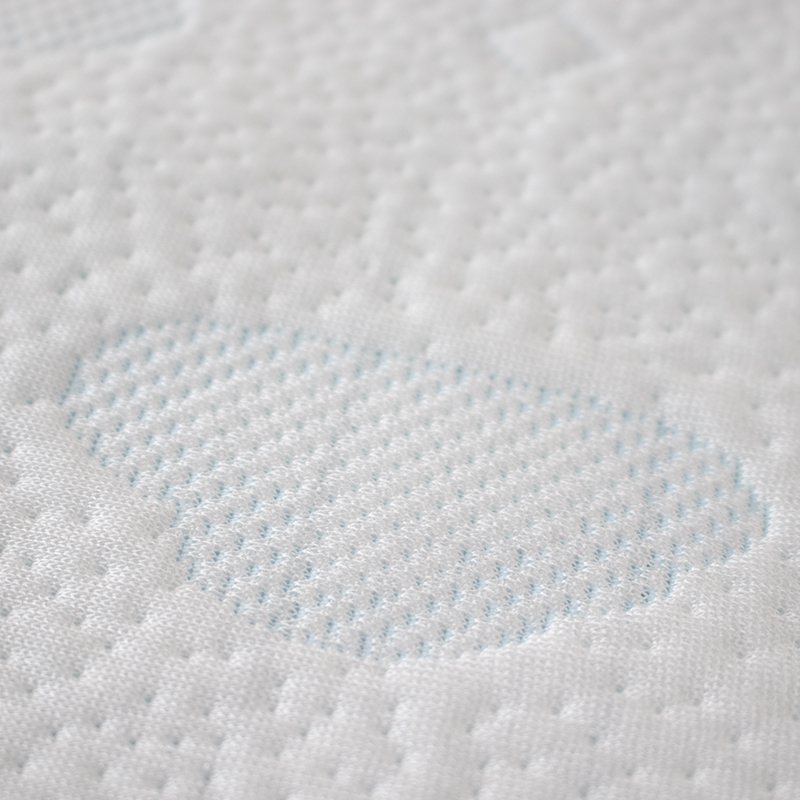

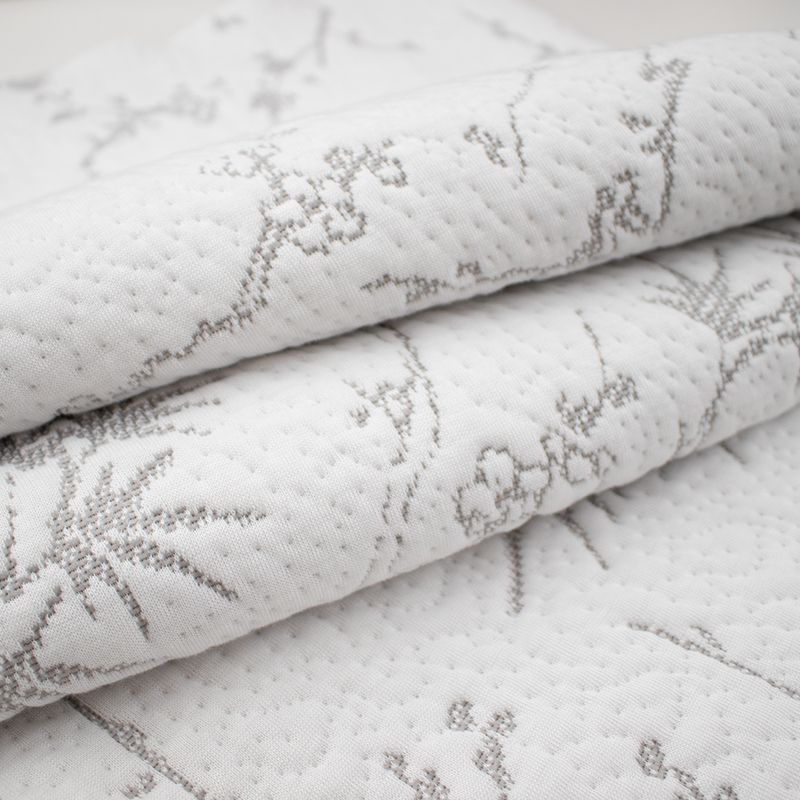
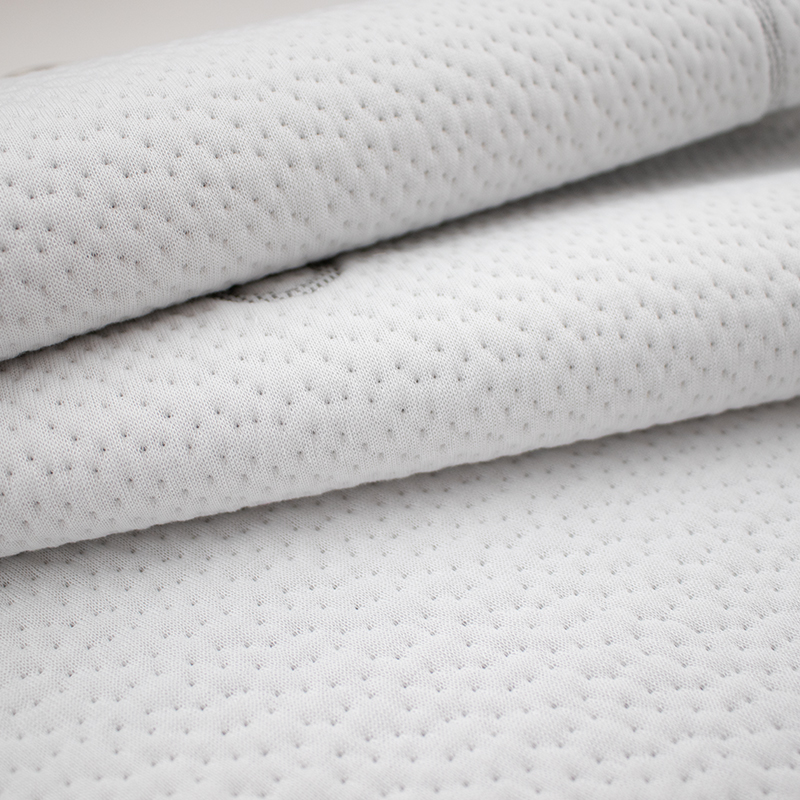
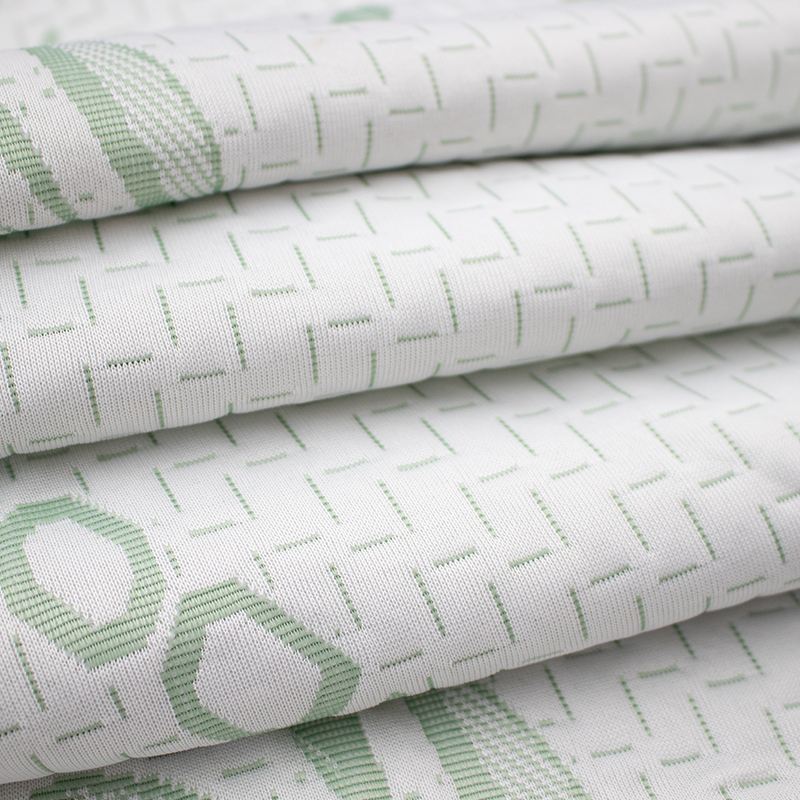
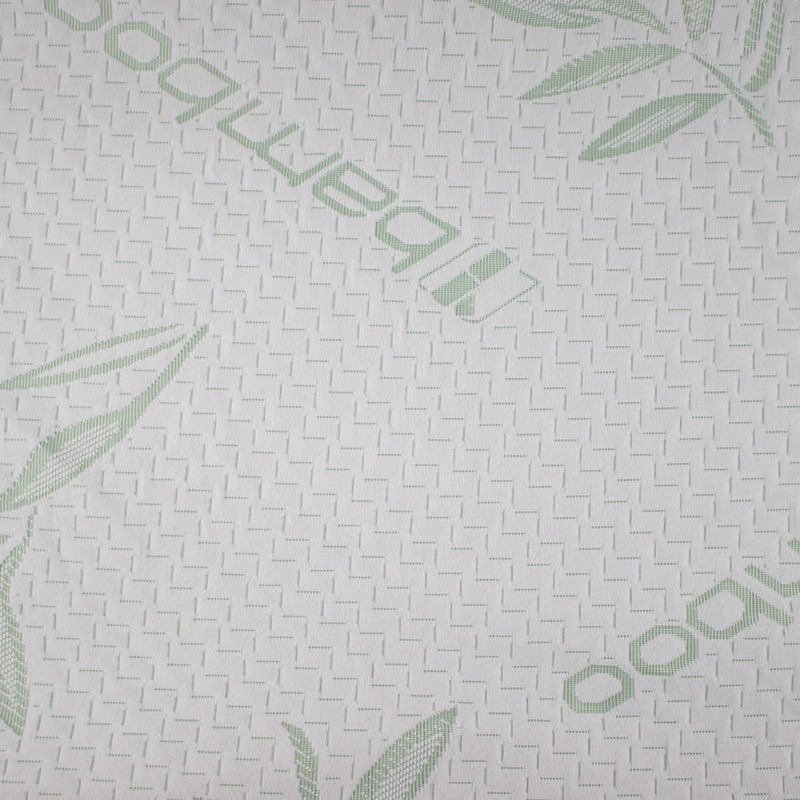
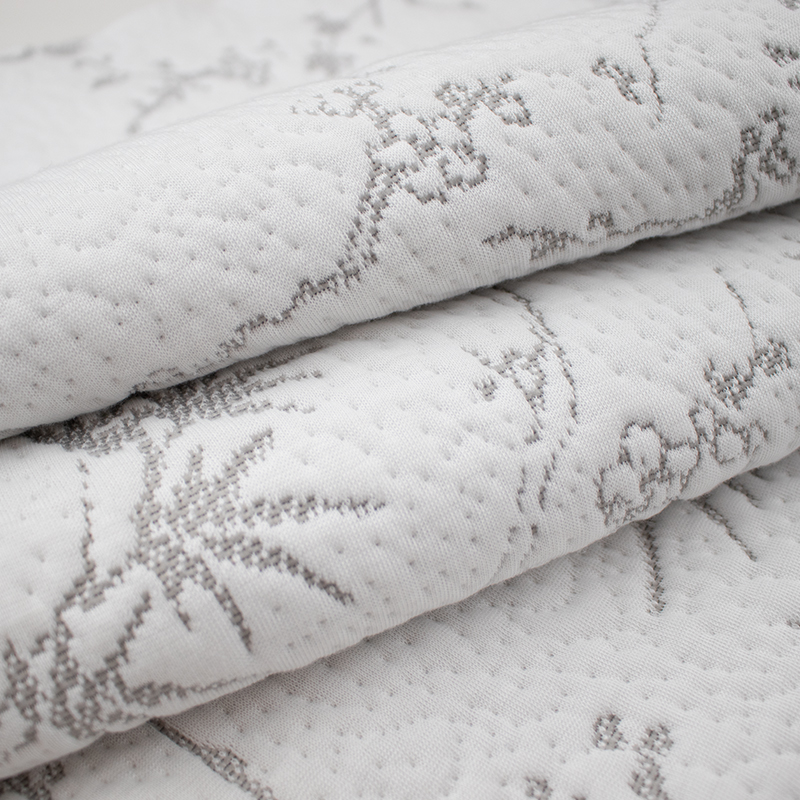
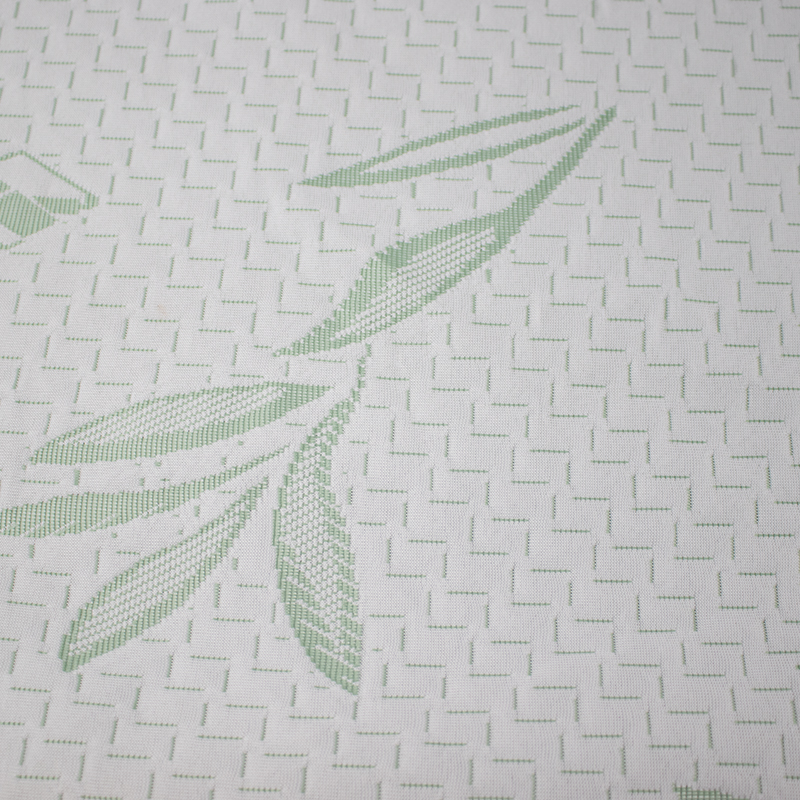
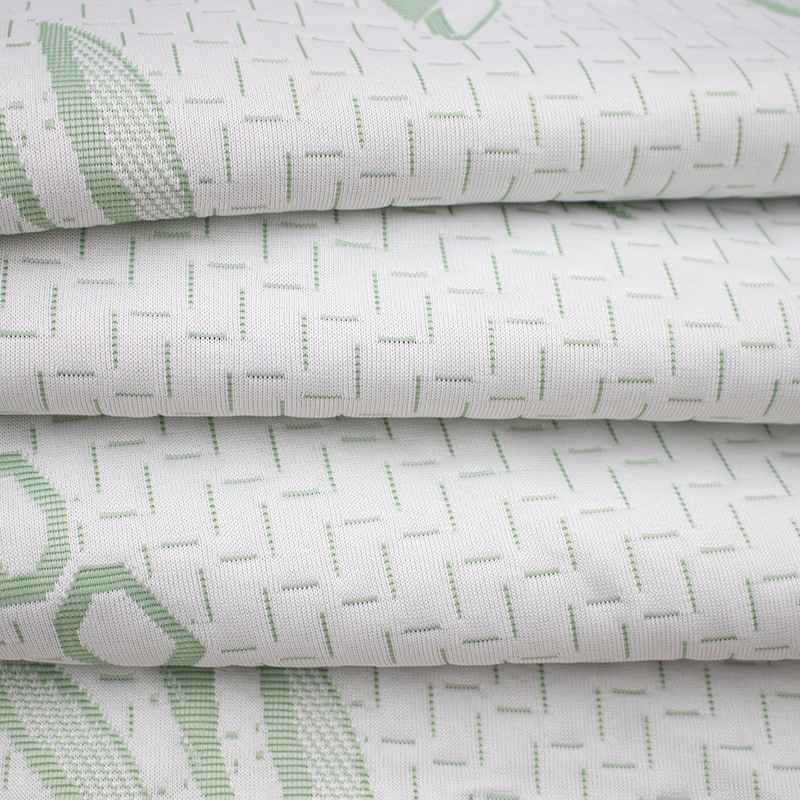
The bamboo fiber in the knitted air-layer fabric possesses natural cooling properties. Its thermal conductivity is higher than cotton, allowing it to quickly conduct heat from the skin's surface. Combined with the hollow, breathable structure of the air layer, it creates a dual cooling system of "physical cooling + breathable heat dissipation." In terms of touch, the smooth surface of the bamboo fiber, combined with the fluffy cushioning of the air layer, feels as smooth and cool as touching chilled silk. It effectively relieves stuffiness and stickiness in summer, making it especially suitable for mattresses, cooling mats, and other home textile products, particularly for those in humid and hot southern regions or for people who are sensitive to heat. This natural cooling effect requires no chemical additives and will not irritate the skin with prolonged contact, offering both comfort and health benefits.
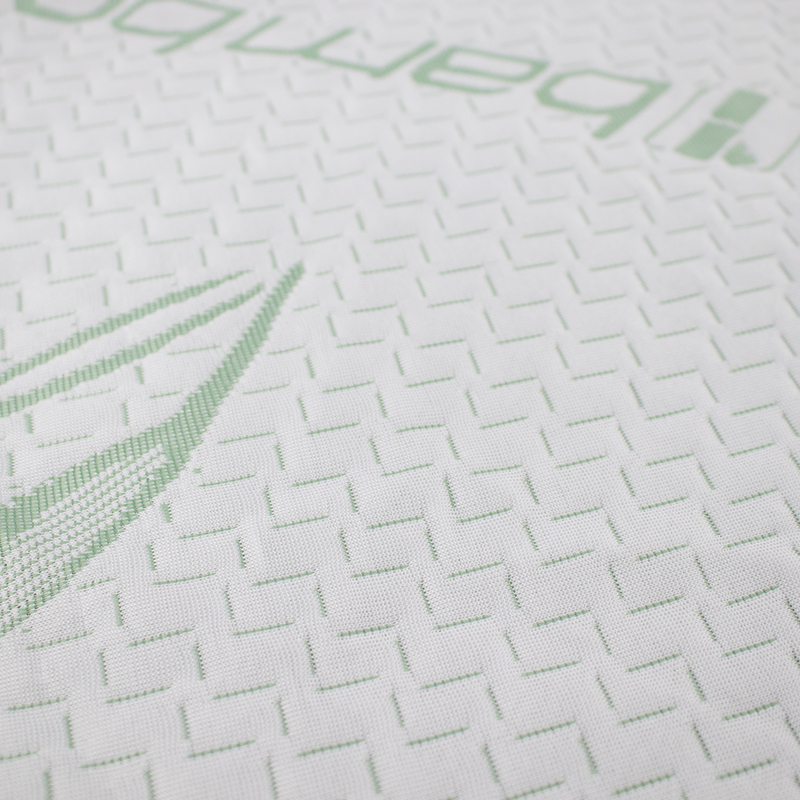
Bamboo fiber upholstery fabric is a type of regenerated cellulose fiber fabric made from natural bamboo pulp through environmentally friendly processes. This fabric combines the natural properties of plant fibers with modern textile technology, making it suitable for home furnishing applications such as sofas and padded furniture. The production process emphasizes sustainable resource utilization, and the fabric itself is biodegradable. In the upholstery fabric market, bamboo fiber fabric is an option worth considering due to its unique material composition and practical functionality.
Core Advantages
● Sustainable Raw Material: Sourced from fast-regenerating bamboo, a renewable resource.
● Breathability & Moisture Absorption: Fiber structure supports good air circulation and moisture management.
● Natural Antibacterial Property: Contains "bamboo kun," which helps inhibit bacterial growth.
● Ease of Dyeing: Fiber characteristics allow for relatively easy dyeing in various colors, with color fastness meeting industry standards.
Product Features
● Texture: Smooth surface, soft hand feel, without roughness.
● Thermal & Moisture Comfort: Moderate thermal conductivity helps maintain temperature and humidity balance on contact surfaces.
● Strength & Durability: Dry strength meets requirements for indoor decorative fabrics, with good wear resistance under normal use.
● Maintenance Convenience: Most products can be cleaned with routine washing or professional cleaning, with good wrinkle resistance.
Application Scenarios
Primarily suitable for indoor soft furnishings that require a balance of aesthetics and functionality, such as household living room sofas, hotel lobby furniture, café seat covers, and office waiting area padding. Also applicable for matching home accessories like cushion covers and throw pillows.
Technical Parameters
● Composition: Bamboo fiber (content adjustable per client needs, commonly 60%-100%), may be blended with other fibers to enhance performance.
● Weight: 300-450 g/m² (customizable based on application)
● Width: 140-150 cm (standard)
● Dyeing Process: Reactive dyeing, compliant with ecological textile standards (e.g., Oeko-Tex Standard 100)
● Flame Resistance: Can meet national upholstery fabric flame retardancy standards (e.g., GB 8624 B1 level) through finishing treatments.
Usage & Care Tips
● Regular surface dust removal with a vacuum cleaner is recommended.
● If machine washable, use neutral detergent, low-temperature gentle cycle, and avoid prolonged soaking.
● Avoid prolonged direct exposure to strong sunlight to prevent color fading.
● Store in a dry, well-ventilated environment to avoid dampness.
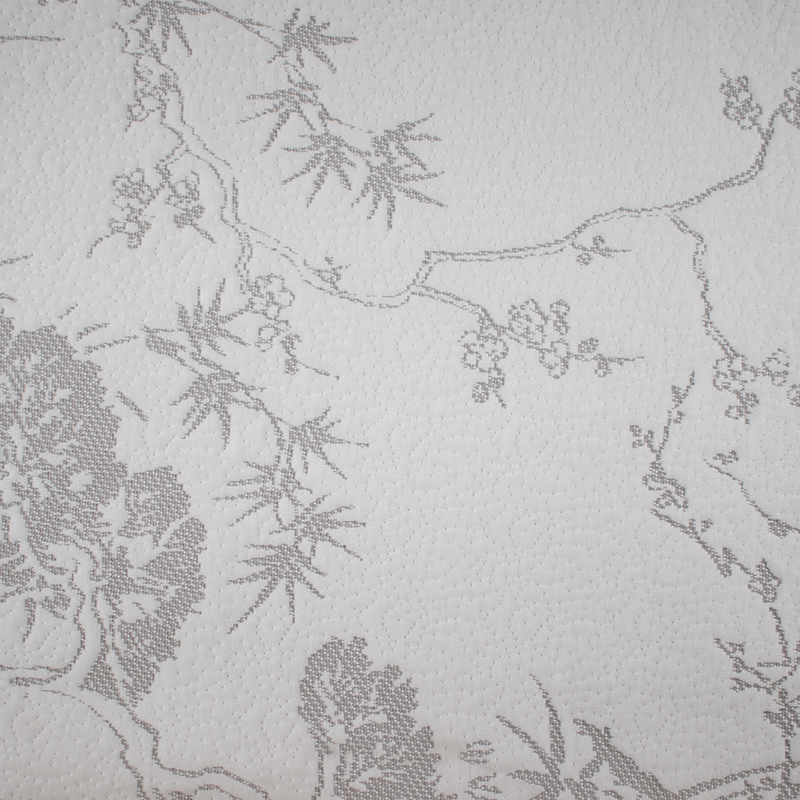
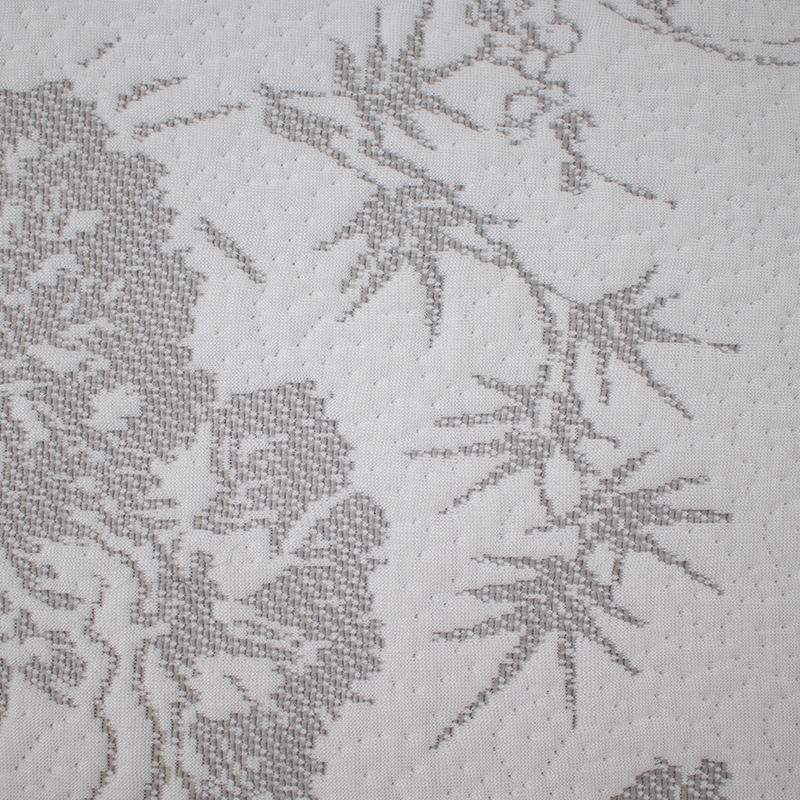
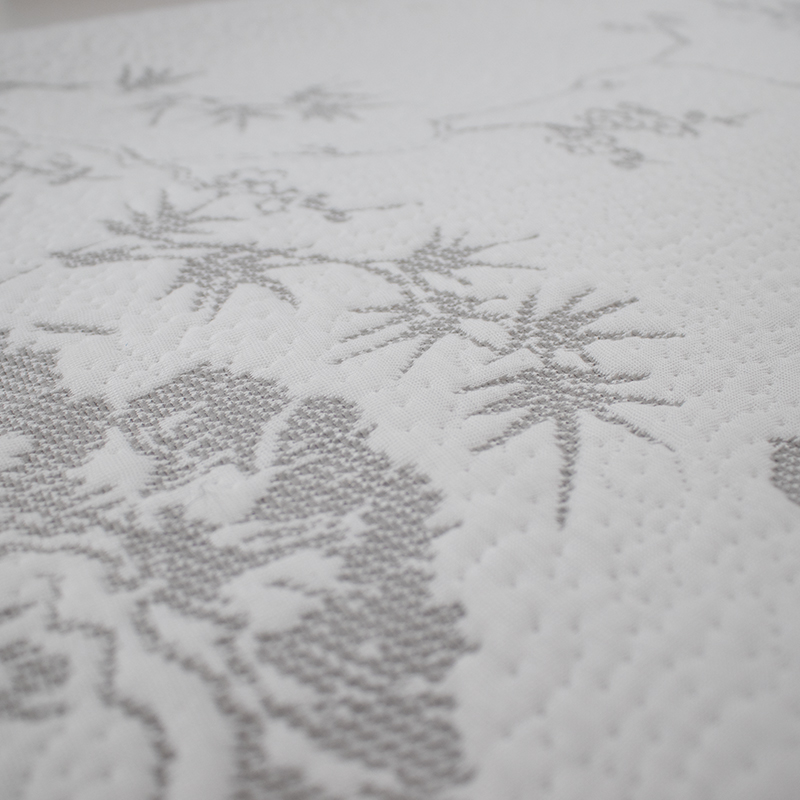
We Create Safe, Healthy and Comfortable Living Spaces Through Innovative Technology.
Hangzhou Xinsili Decorative Fabric Weaving Co.,Ltd. specializes in the innovative research, development, and precision manufacturing of decorative textiles.
We are China Bamboo Fiber Sofa Fabric Manufacturers and Custom Bamboo Fiber Sofa Fabric Factory, Exporter.
Guided by the vision of "Weaving Beautiful Spaces," we are committed to delivering high-quality, environmentally friendly decorative solutions to global clients through our stable and practical fabric products. Upholding the corporate values of "Craftsmanship-Driven Manufacturing, Design Innovation, and Win-Win Collaboration," we empower design through technological advancement and build trust with steady and reliable quality, striving to become a trusted partner in the decorative textiles industry.
Years of Industry Experience
Factory Area
Number of Employees
Annual Output
Export Volume
Provide you with the latest enterprise and industry news
Read MoreBamboo fiber fabric has gained significant attention in recent years due to its unique natural properties and environmentally friendly production methods. As the demand for sustainable and high-performance textiles rises, bamboo fiber is increasingly being used in home furnishings, including bamboo fiber sofa fabric.
Bamboo fiber sofa fabric is a type of upholstery fabric made from natural bamboo pulp. This regenerated cellulose fiber is processed through eco-friendly techniques to create a sustainable and biodegradable fabric that combines the best aspects of natural plant fibers and modern textile technology. The bamboo fiber sofa fabric is particularly renowned for its breathability, softness, and natural cooling properties, which make it ideal for home furnishings, particularly in hot and humid climates.
Hangzhou Xinsili Decorative Fabric Weaving Co., Ltd., a leader in the textile industry, specializes in the innovative research, development, and precision manufacturing of decorative fabrics. The company's focus on sustainable raw materials and eco-friendly practices aligns with the growing demand for environmentally responsible textile products. Their expertise in bamboo fiber and other functional fabrics is backed by continuous technological advancements and a commitment to health, safety, and comfort in home textiles.
Cotton has long been the go-to natural fabric for furniture upholstery, known for its softness, breathability, and availability. However, bamboo fiber sofa fabric offers several advantages over cotton, especially in terms of sustainability and performance.
Bamboo is a highly renewable resource that grows rapidly without the need for pesticides or synthetic fertilizers. Unlike cotton, which requires significant water and land resources for cultivation, bamboo can be harvested sustainably with minimal environmental impact. Bamboo fiber sofa fabric is biodegradable, making it an environmentally friendly choice compared to cotton, which can take years to decompose. Additionally, bamboo's natural properties allow it to be processed into fabric using eco-friendly methods, further reducing its carbon footprint.
One of the standout features of bamboo fiber sofa fabric is its breathability. The fabric's structure supports excellent air circulation and moisture absorption, helping to regulate temperature and keep the fabric dry. In contrast, cotton is also breathable, but it can absorb moisture to the point where it becomes damp and loses its cooling effect. Bamboo, with its hollow fiber structure, helps wick away moisture efficiently, keeping the surface cooler and drier than cotton. This makes bamboo fiber particularly suitable for use in humid environments or during warmer seasons.
Bamboo contains a natural antimicrobial agent known as “bamboo kun,” which helps inhibit the growth of bacteria and fungi. This property is not present in cotton unless treated with chemical finishes. As a result, bamboo fiber sofa fabric is naturally antibacterial and resistant to odors, offering a healthier and more hygienic option for upholstery.
While synthetic fabrics like polyester and nylon are commonly used in furniture upholstery due to their durability and ease of care, they often fall short in terms of environmental sustainability and comfort. Bamboo fiber sofa fabric offers several benefits over synthetic fibers:
Synthetic fabrics are derived from petroleum-based products, contributing to environmental pollution and relying on non-renewable resources. In contrast, bamboo fiber sofa fabric is made from a renewable resource—bamboo—and is biodegradable, making it a far more eco-friendly option. The production of bamboo fiber also involves less energy consumption and water use compared to many synthetic fabrics, reducing its overall environmental footprint.
Bamboo fiber sofa fabric offers superior comfort compared to synthetic materials, especially in terms of temperature regulation and moisture absorption. Synthetic fabrics often trap heat and moisture, creating a less comfortable environment for the skin. Bamboo fiber, on the other hand, has a higher thermal conductivity than cotton, allowing it to quickly draw heat away from the skin's surface, providing a natural cooling effect. The fabric's air-layer structure enhances breathability, making it feel smoother and cooler than synthetic fabrics, which tend to be less breathable.
Synthetic fabrics are known for their durability and resistance to wear, but bamboo fiber sofa fabric also offers strong performance in this area. Bamboo fibers have inherent strength and durability, ensuring that the fabric holds up well to regular use. When blended with other fibers or processed properly, bamboo fabric maintains its integrity over time, providing long-lasting comfort and aesthetic appeal. Unlike some synthetic fabrics, which can degrade over time due to exposure to heat and UV light, bamboo fiber maintains its properties without becoming brittle or stiff.
The process of creating bamboo fiber sofa fabric involves several key steps, all of which contribute to the fabric's sustainability and performance:
Bamboo fiber fabric offers several key benefits that make it a superior choice for upholstery:
| Parameter | Description |
|---|---|
| Composition | Bamboo fiber (60%-100%), optionally blended with other fibers |
| Weight | 300-450 g/m² (customizable) |
| Width | 140-150 cm (standard) |
| Dyeing Process | Reactive dyeing, compliant with ecological standards |
| Flame Resistance | Meets national upholstery fabric flame retardancy standards (e.g., GB 8624 B1 level) |
Bamboo fiber sofa fabric is well-suited for a variety of indoor applications where both aesthetics and functionality are essential. These include:
To maintain the beauty and functionality of bamboo fiber sofa fabric, proper care is essential:
1. What makes bamboo fiber sofa fabric more eco-friendly than other fabrics?
Bamboo fiber is made from a renewable resource, bamboo, and processed using environmentally friendly techniques. It is biodegradable and requires fewer chemicals compared to synthetic fabrics.
2. How does bamboo fiber fabric compare to cotton in terms of comfort?
Bamboo fiber fabric is cooler to the touch, with superior moisture-wicking and breathable properties, making it more comfortable, especially in hot and humid climates.
3. Is bamboo fiber sofa fabric durable?
Yes, bamboo fiber is strong and resistant to wear, making it a durable choice for upholstery.
4. Can bamboo fiber fabric be dyed easily?
Yes, bamboo fiber has excellent dyeing properties, allowing it to be dyed in a range of colors with color fastness meeting industry standards.
5. How should I care for my bamboo fiber sofa fabric?
Regular dusting and careful washing with neutral detergent on a gentle cycle are recommended. Avoid excessive sunlight exposure to prevent fading.
Yi qiao Town, Xiaoshan District, Hangzhou City, Zhejiang Province, China
