

 English
 中文简体
中文简体 Español
 عربى
عربى русский

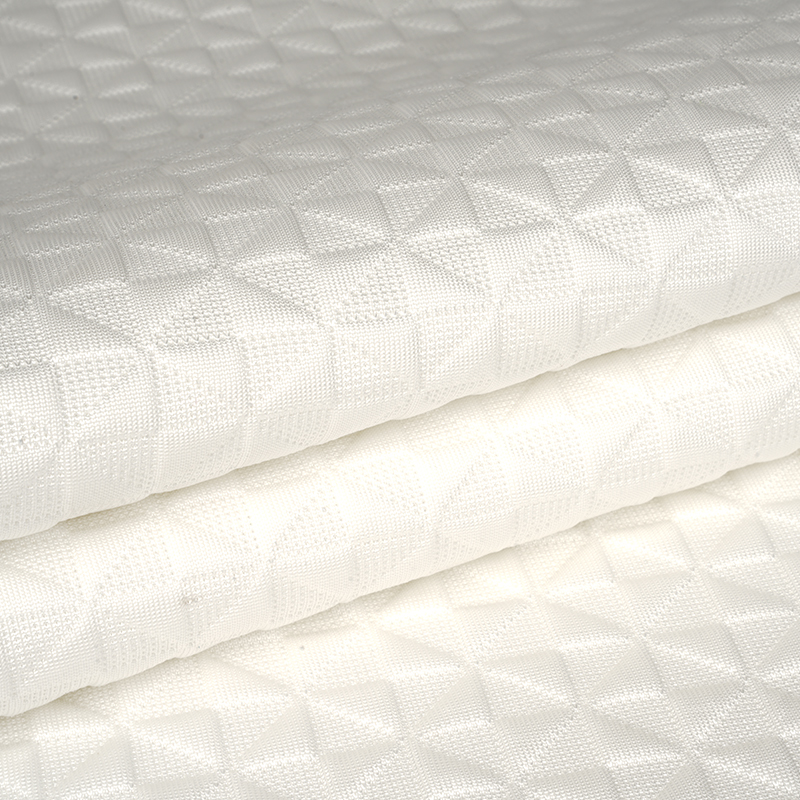
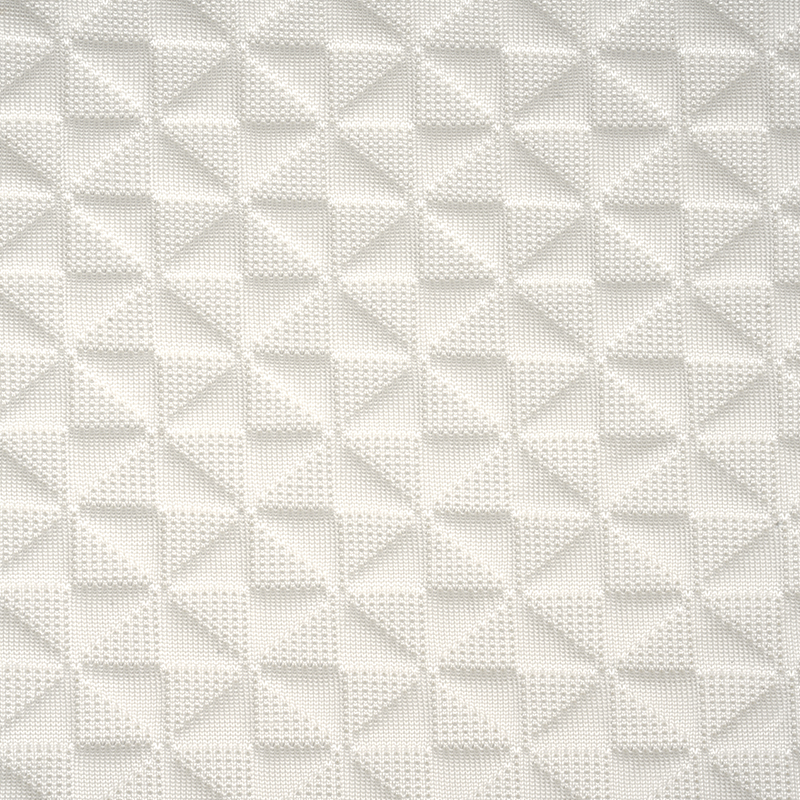
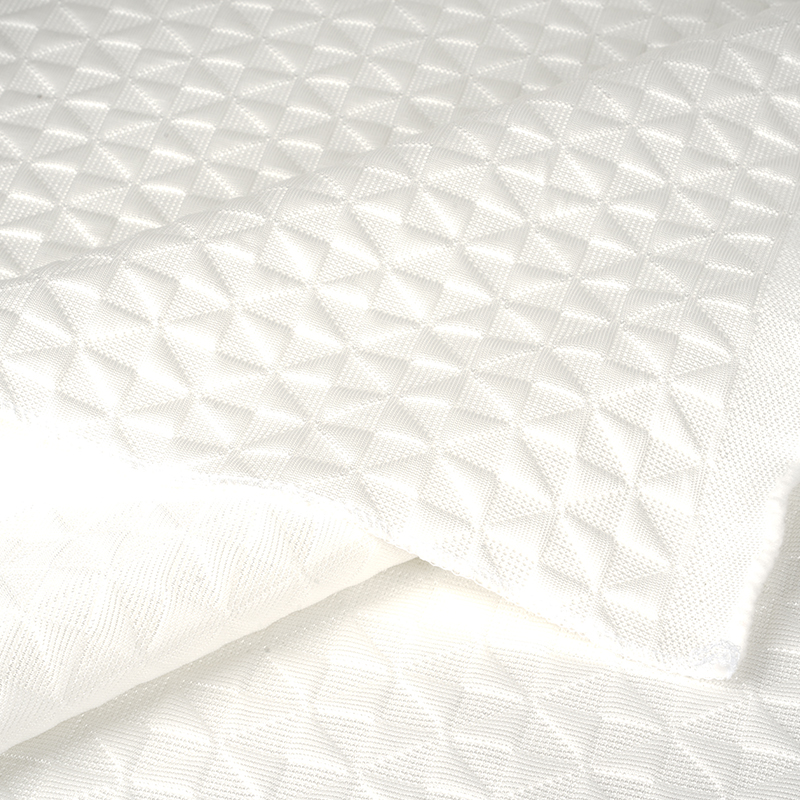

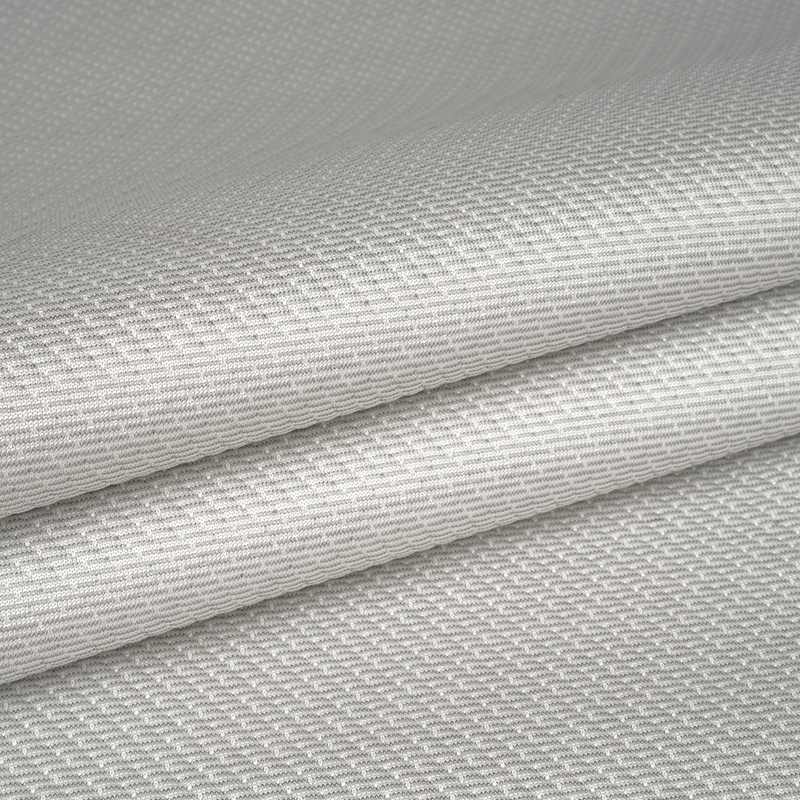
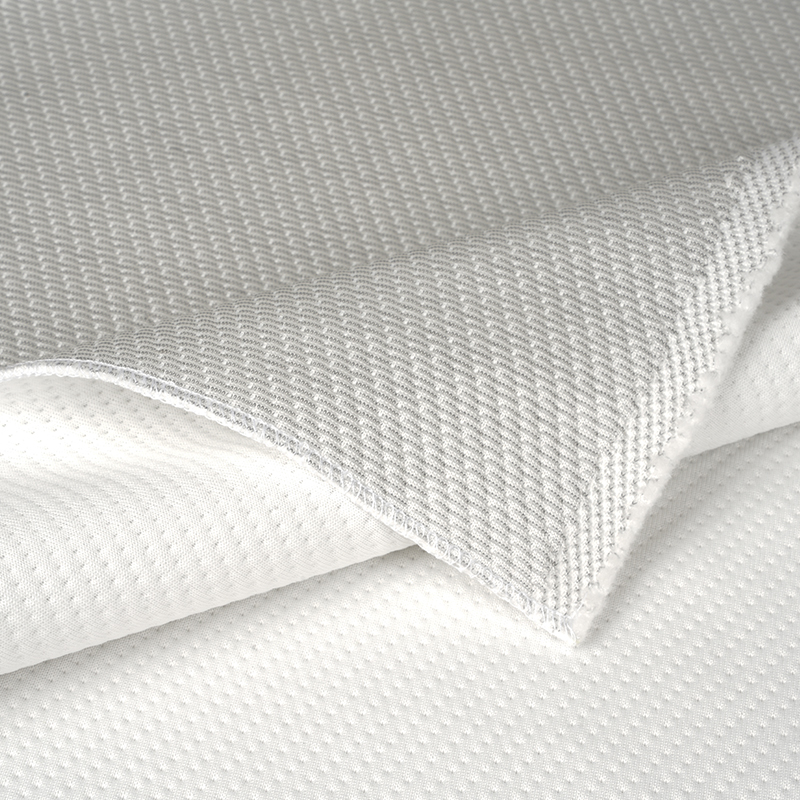
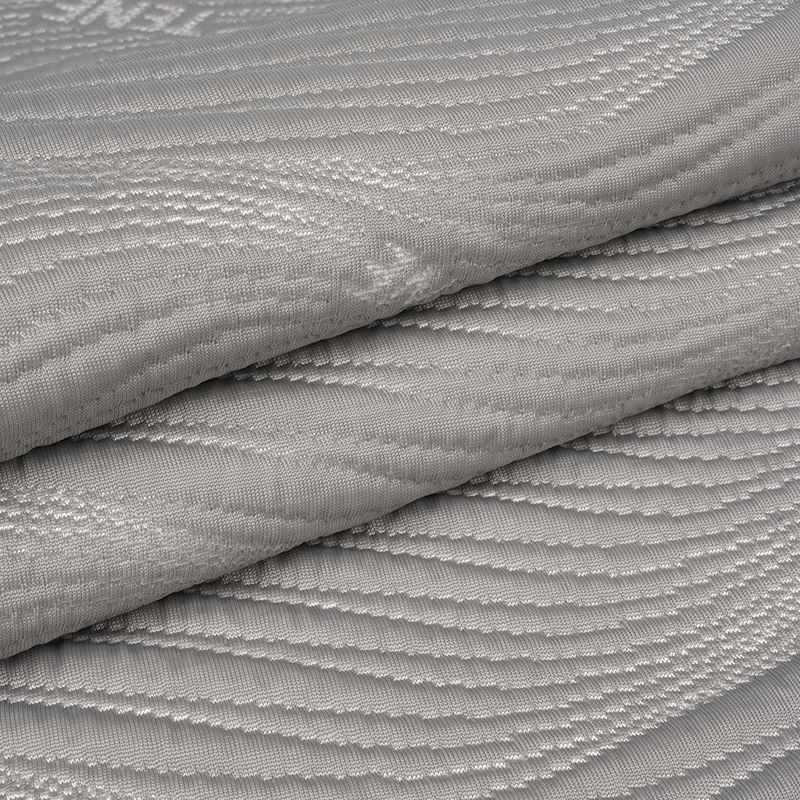
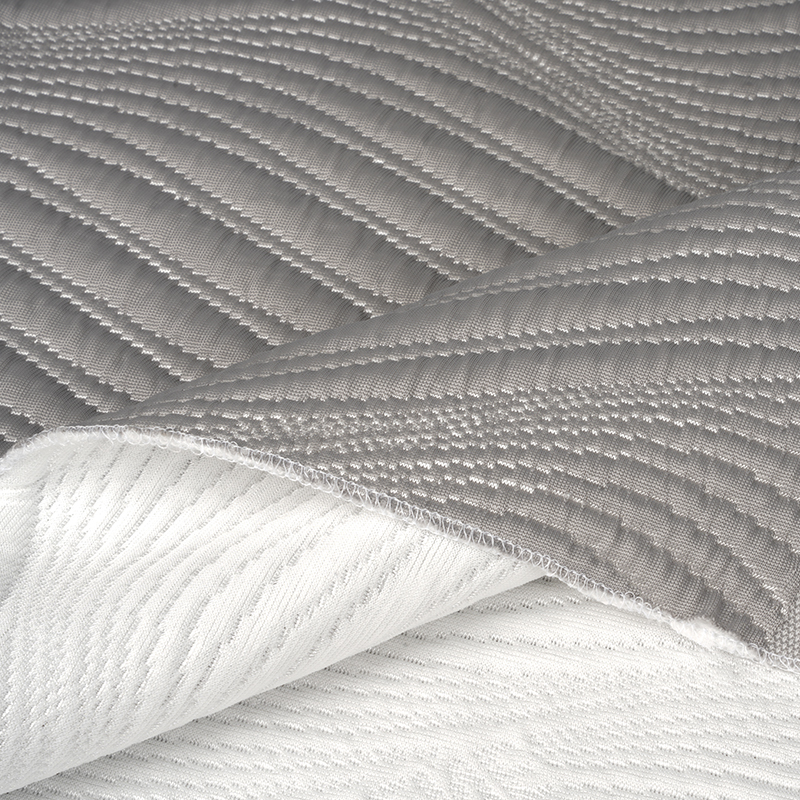
Bamboo fiber has a long, thin, porous structure with tiny pores throughout its cross-section. This physical property perfectly matches the three-layer structure of knitted air-layer fabrics: surface layer - air layer - bottom layer. The natural toughness of bamboo fiber supports the three-dimensional, fluffy shape of the air-layer fabric, preventing collapse and deformation caused by long-term compression. The porous channels within the fiber accelerate air circulation, enhancing the breathability of the air layer. Furthermore, bamboo fiber has better abrasion resistance than cotton fiber, improving the tensile strength and lifespan of home textile products.
Bamboo fiber children's mattress fabric is a textile specifically designed for children's sleep environments. Its core raw material is derived from natural bamboo. Through specific processes, bamboo is converted into pulp and spun into fibers, which are then woven into fabric. This fabric combines the inherent properties of bamboo fiber with weaving techniques tailored for children's needs, serving as the contact layer for mattresses. Its production emphasizes the control of material sourcing and processing to align with standards in the children's product sector.
Core Advantages
● Sourced from Natural Materials: The main component originates from renewable bamboo.
● Breathability: The porous microstructure of bamboo fiber facilitates air circulation.
● Moisture Absorption: The fiber can absorb and evaporate a certain amount of moisture.
● Compliance with Safety Standards: Controlled production process; fabric typically conforms to relevant safety regulations for children's textiles.
● Suitable for Sensitive Skin: Smooth fiber surface reduces friction against the skin.
Product Features
● Material Composition: Primarily consists of bamboo fiber, potentially blended with other fibers to optimize performance.
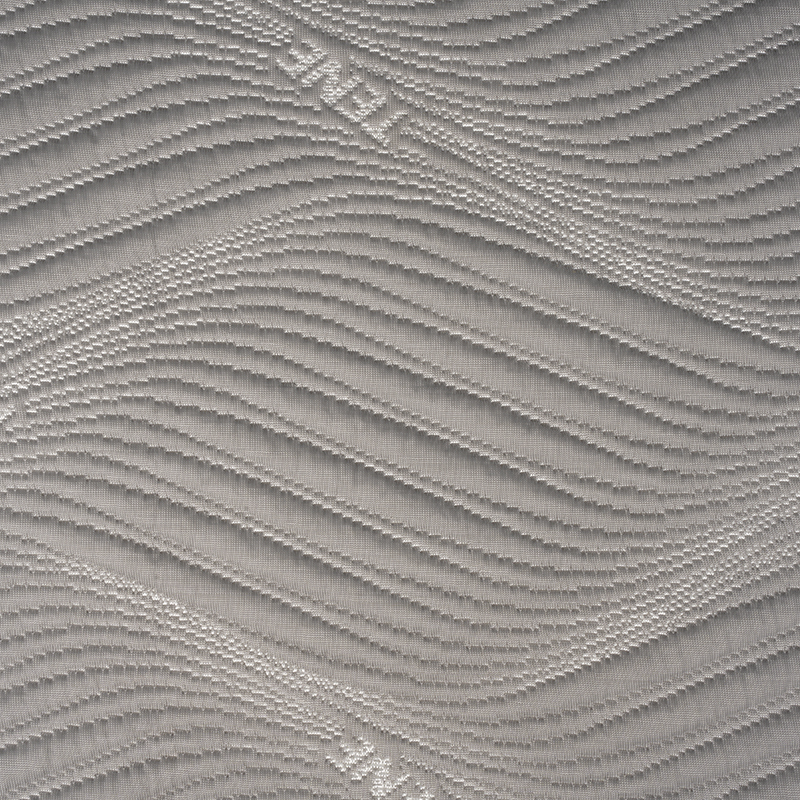
● Fabric Structure: Utilizes weaves suitable for mattresses, such as knit or plain weave, focusing on surface smoothness and durability.
● Hand Feel: Fabric exhibits a soft texture.
● Color Fastness: After dyeing, maintains color stability under routine washing conditions.
● Pilling Resistance: Treated to minimize surface pilling during extended use.
Application Scenarios
● Primarily used as the top contact fabric for children's mattresses.
● Suitable for crib mattresses, toddler mattresses, and youth mattresses.
● Can be used for sleep-related home textiles, such as pillowcases and cushion covers.
Parameters & Notes
● Typical Composition: Bamboo fiber content usually ≥70%, with the remainder being supporting fibers (e.g., polyester, cotton).
● Weight Range: Commonly 180-250 g/m² (grams per square meter).
● Fabric Width: Standard roll width is approximately 150cm or 180cm.
● Washing Recommendations: Low-temperature hand wash or machine wash is advised using neutral detergent. Prolonged soaking or high-temperature drying is not recommended.
● Storage Conditions: Store in a dry, ventilated environment, laid flat to avoid moisture and heavy pressure.
We Create Safe, Healthy and Comfortable Living Spaces Through Innovative Technology.
Hangzhou Xinsili Decorative Fabric Weaving Co.,Ltd. specializes in the innovative research, development, and precision manufacturing of decorative textiles.
We are China Bamboo Fiber Children Mattress Fabric Manufacturers and Custom Bamboo Fiber Children Mattress Fabric Factory, Exporter.
Guided by the vision of "Weaving Beautiful Spaces," we are committed to delivering high-quality, environmentally friendly decorative solutions to global clients through our stable and practical fabric products. Upholding the corporate values of "Craftsmanship-Driven Manufacturing, Design Innovation, and Win-Win Collaboration," we empower design through technological advancement and build trust with steady and reliable quality, striving to become a trusted partner in the decorative textiles industry.
Years of Industry Experience
Factory Area
Number of Employees
Annual Output
Export Volume
Provide you with the latest enterprise and industry news
Read MoreThe term "bamboo fiber" encompasses two fundamentally distinct material categories that share only botanical origin. Mechanically processed bamboo bast fiber—extracted through retting and degumming similar to linen production—retains natural lignin and hemicellulose, yielding coarse, stiff fibers with limited textile applicability. The commercially dominant variant, bamboo viscose or rayon, undergoes the same xanthate dissolution and regeneration process as wood-based viscose, yielding a cellulosic fiber chemically identical to standard rayon despite marketing distinctions.
The processing divergence creates performance differences often obscured by sustainability messaging. Bamboo viscose exhibits higher tenacity and elongation than wood-derived equivalents due to the higher alpha-cellulose content of bamboo pulp (88-92% versus 82-86% for softwood), but shares the characteristic wet-strength deficiencies and environmental processing burdens of conventional viscose production. Carbon disulfide emissions, zinc sulfate contamination in wastewater, and high energy requirements for solvent recovery characterize both variants.
Hangzhou Xinsili Decorative Fabric Weaving Co.,Ltd. distinguishes these categories in material selection, recognizing that mechanically processed bamboo—while genuinely sustainable—requires blending with cotton or synthetic fibers to achieve the softness and durability demanded by children's mattress applications. The lyocell-processed bamboo alternative, utilizing the same closed-loop NMMO solvent system as Tencel production, offers reduced environmental impact while maintaining the performance characteristics that justify bamboo sourcing premiums.
Bamboo's antimicrobial reputation derives from the bamboo kun (bamboo extract) present in the living plant—a mixture of phenolic compounds, flavonoids, and glycosides with demonstrated antibacterial activity against Staphylococcus aureus and Escherichia coli. The critical question for textile applications is whether these compounds survive the aggressive chemical processing required for fiber extraction. Standard viscose processing, involving alkaline steeping, acid baths, and high-temperature regeneration, effectively eliminates bioactive content, leaving antimicrobial properties dependent on finishing agents rather than inherent fiber characteristics.
For Bamboo Fiber Children Mattress Fabric with verified antimicrobial performance, two pathways exist: mechanical processing that preserves plant chemistry (with associated fiber coarseness) or post-spinning application of bamboo extract through padding or microencapsulation. The latter approach, while effective, raises the same durability concerns as conventional antimicrobial finishes—wash permanence and release kinetics that determine both efficacy duration and exposure risk.
Independent testing protocols reveal the gap between marketing claims and measured performance. Fabrics marketed as "naturally antibacterial" frequently show <90% bacterial reduction in JIS L 1902 testing, failing the 99% threshold that defines substantial antimicrobial activity. This doesn't indicate product deficiency, but rather the importance of distinguishing between modest microbial growth inhibition (common to many natural fibers) and the dramatic reductions achieved through engineered antimicrobial systems.
Bamboo viscose fibers exhibit higher dry tenacity (2.5-3.0 cN/dtex) and elongation at break (18-22%) compared to cotton, creating yarns with improved weaving efficiency and reduced breakage. However, the wet tenacity drops to 1.0-1.5 cN/dtex—approximately 40-50% of dry strength—creating vulnerability during wet processing and use conditions involving liquid exposure. This wet-strength profile, shared with conventional viscose, necessitates careful handling during fabric finishing and restricts cleaning protocol flexibility.
The high elongation characteristic, while beneficial for yarn processing efficiency, creates dimensional stability challenges in mattress applications. Fabrics with >15% elongation exhibit greater permanent deformation under cyclic tensile loading, gradually losing dimensional precision and developing bagging or wrinkling. Stabilization through weave architecture—higher pick density in twill or satin constructions—or chemical crosslinking treatments addresses this tendency, though the latter compromises the "natural" positioning that motivates bamboo fiber selection.
Abrasion resistance in bamboo viscose falls below cotton and substantially below synthetic fibers, with Martindale endurance typically 15,000-25,000 cycles versus 25,000-40,000 for comparable cotton constructions. For children's mattresses, where surface abrasion from movement and cleaning is concentrated, this limitation drives blend strategies incorporating 20-40% polyester or nylon to extend functional lifespan without eliminating bamboo's tactile and aesthetic contributions.
Bamboo's rapid growth rate—1-1.5 meters daily under optimal conditions—and minimal agricultural input requirements create compelling sustainability narratives. However, the fiber production stage dominates life cycle impacts, with chemical processing energy and reagent consumption overwhelming the agricultural advantages. Comparative life cycle assessments indicate that bamboo viscose carries higher cumulative energy demand and greenhouse gas emissions than mechanically processed cotton, though substantially below polyester synthesis from petroleum feedstocks.
Monoculture bamboo plantations, increasingly established to meet textile demand, present ecological concerns distinct from the plant's inherent characteristics. Reduced biodiversity, soil acidification from continuous bamboo leaf fall, and water consumption in non-native growing regions complicate the sustainability profile. Certification systems addressing these agricultural impacts—FSC for plantation management, OEKO-TEX and bluesign for processing chemistry—provide verification pathways, though supply chain complexity creates challenges for comprehensive traceability.
End-of-life considerations favor bamboo viscose over synthetic alternatives; the cellulosic structure supports biodegradation in composting and marine environments, though finishing agents and dyes may inhibit breakdown rates. Hangzhou Xinsili Decorative Fabric Weaving Co.,Ltd. evaluates Bamboo Fiber Children Mattress Fabric suppliers against holistic sustainability metrics that extend beyond fiber origin to encompass processing chemistry, energy sourcing, and social compliance, ensuring that the rapid-growth botanical advantage translates to genuine environmental benefit rather than greenwashing positioning.
Yi qiao Town, Xiaoshan District, Hangzhou City, Zhejiang Province, China
