

 English
 中文简体
中文简体 Español
 عربى
عربى русский

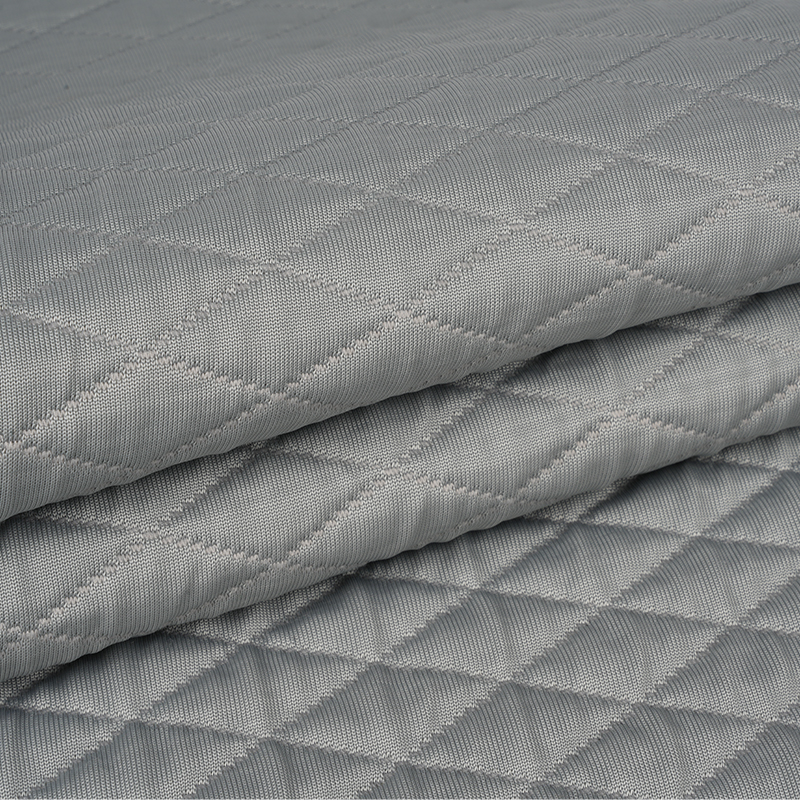
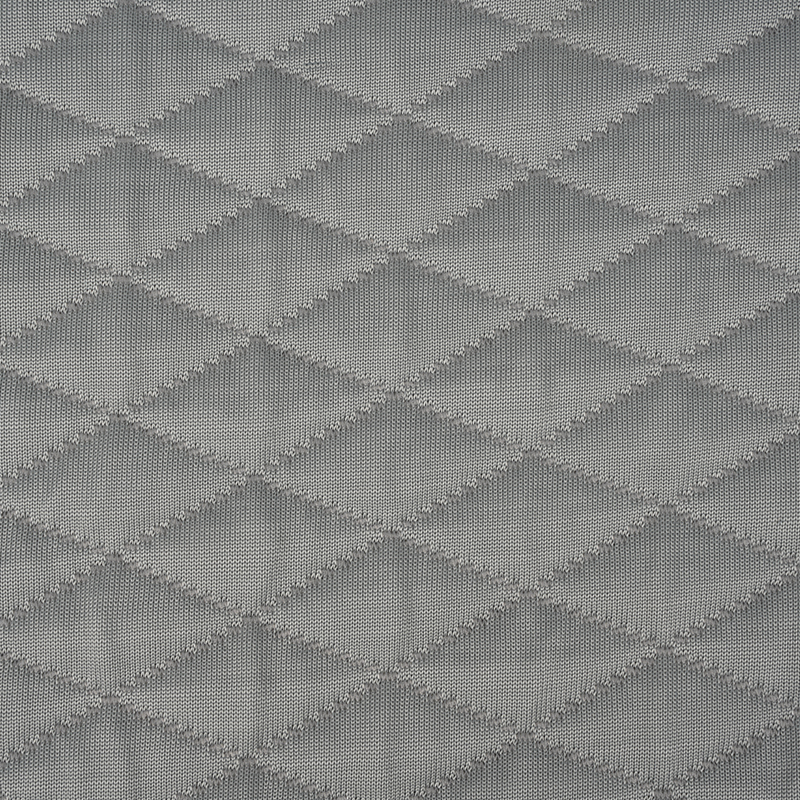
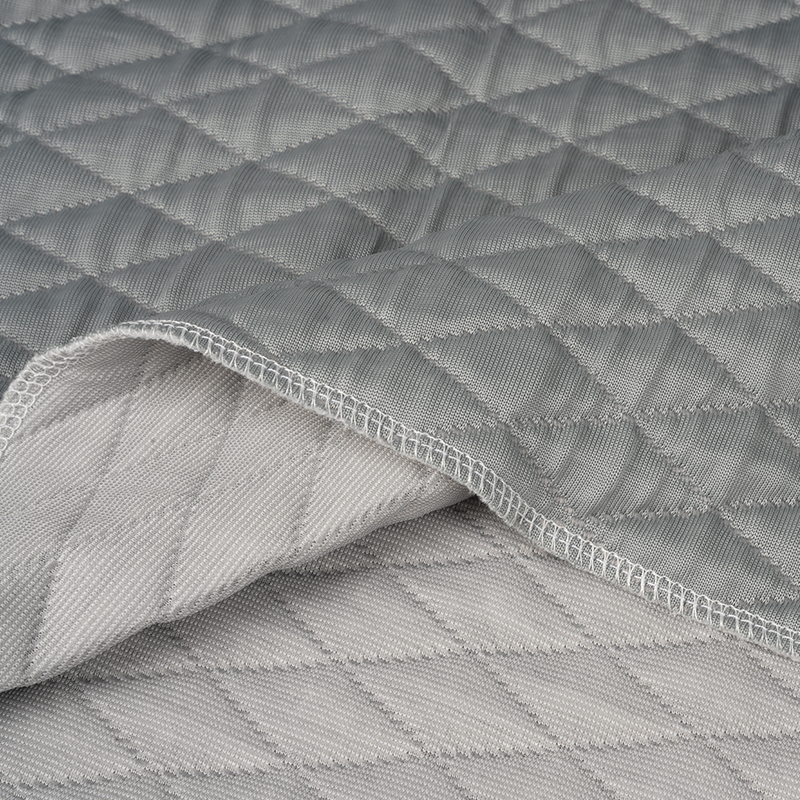

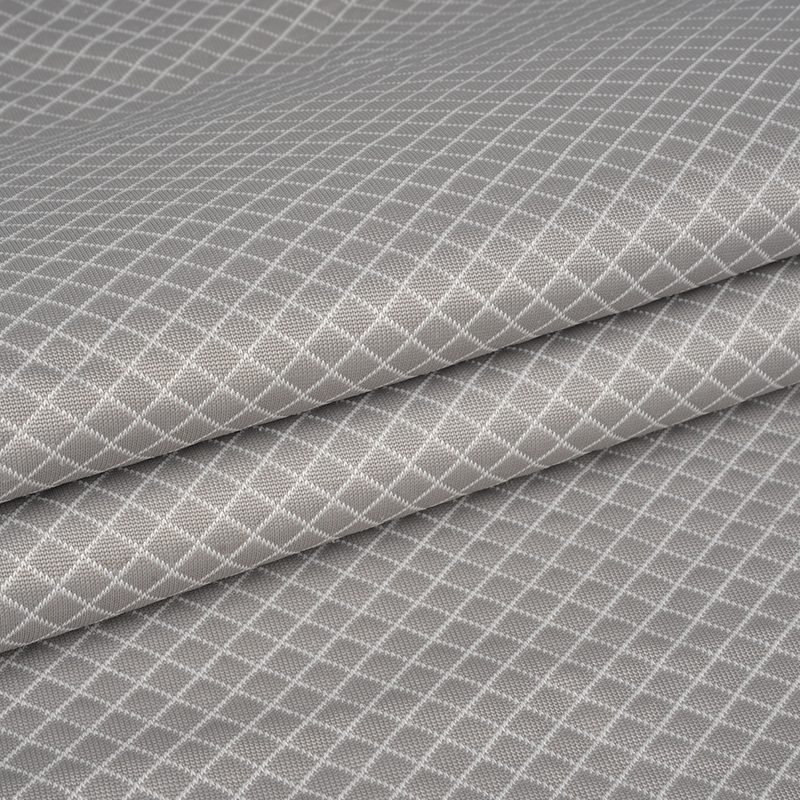
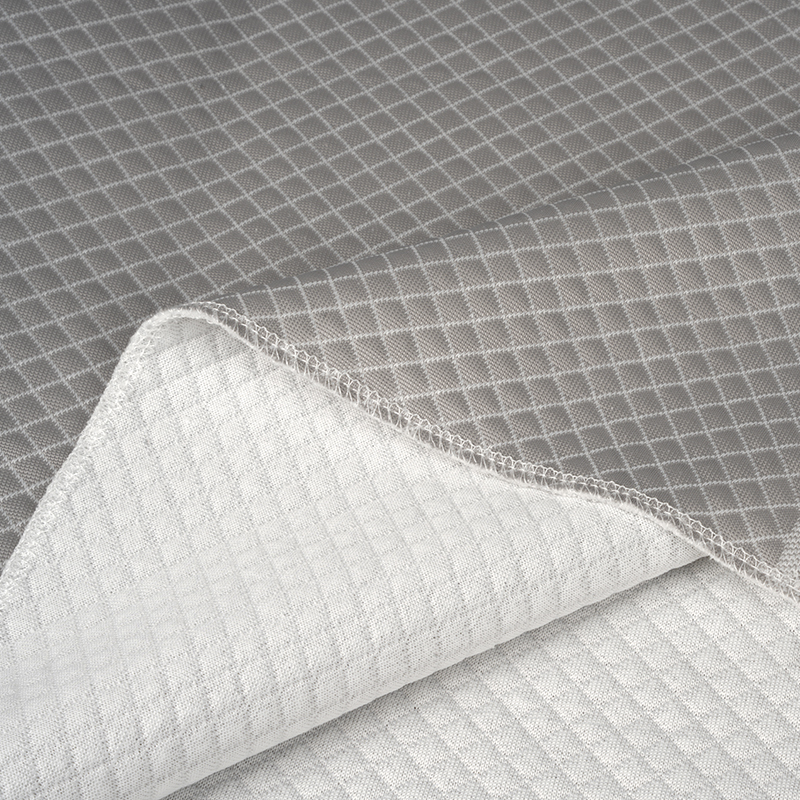
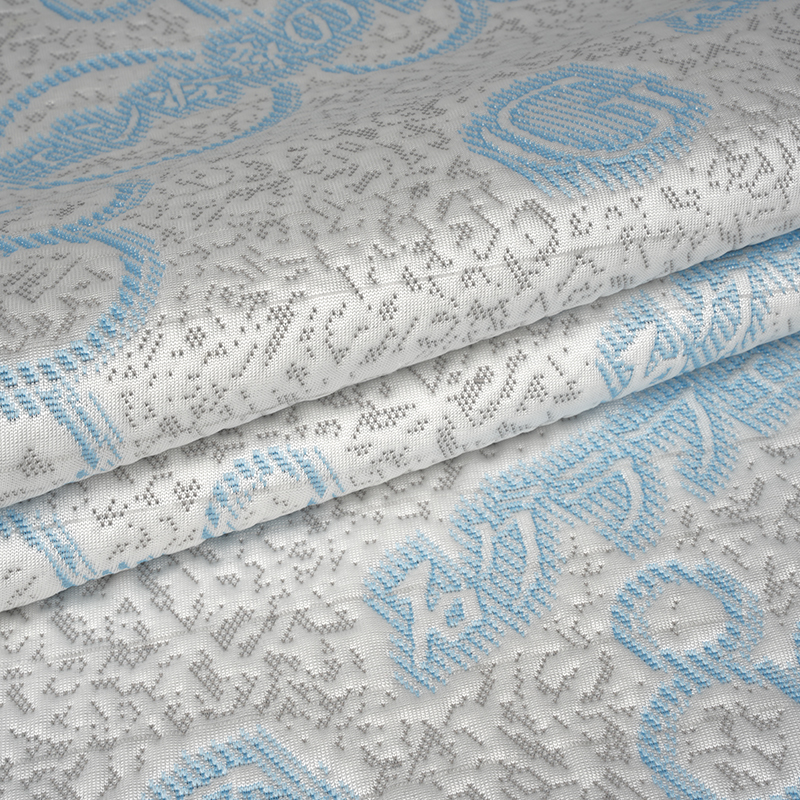
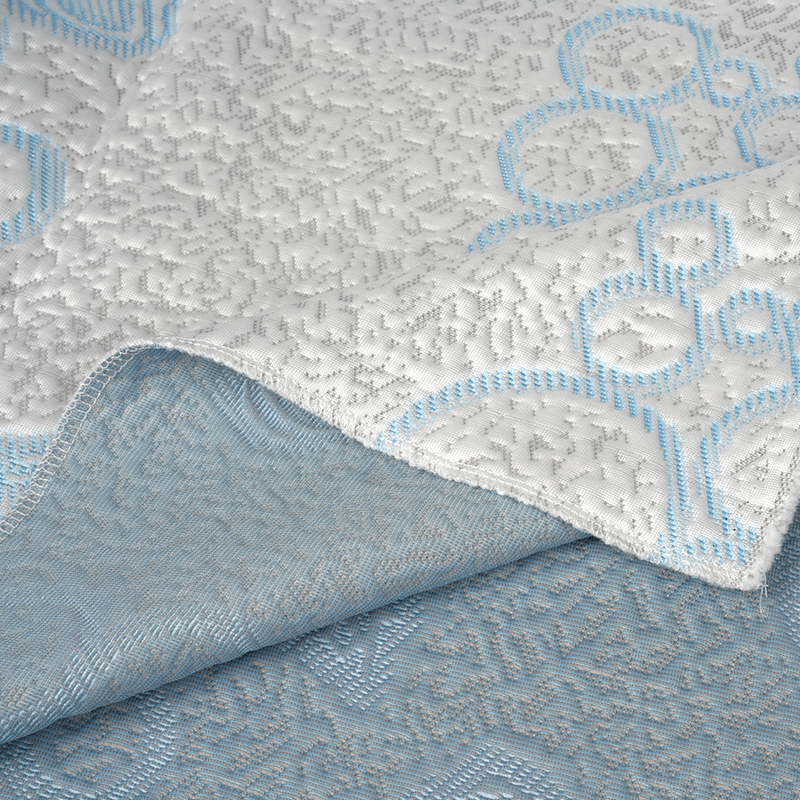
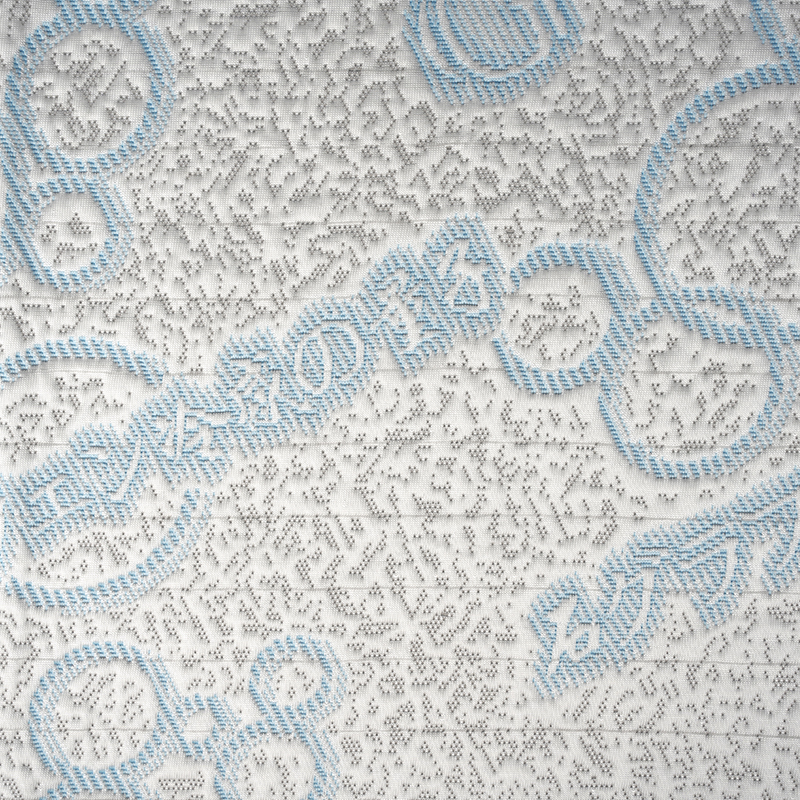
The core characteristics of graphene are its ultra-thin sheet structure and superior electrical and thermal conductivity. Its fibers have a uniform cylindrical cross-section, with graphene sheets tightly embedded within the fibers to form a stable "functional core." When applied to knitted air-layer fabrics, this material enhances the strength and toughness of the fibers, supporting the three-dimensional structure of the air layer—"surface layer-hollow layer-bottom layer"—and preventing collapse and deformation caused by long-term compression. Simultaneously, the thermal conductivity of the graphene sheets allows for rapid heat transfer, making the fabric's temperature regulation function more efficient and improving the user experience of home textiles.
This product is a functional mattress fabric specifically developed for children's sleep environments, with graphene-modified fiber as its core component. Graphene is a nanomaterial with a unique two-dimensional honeycomb lattice structure. Incorporating it into textile fibers endows the fabric with multiple stable functions. While maintaining the softness and breathability of traditional textiles, this fabric utilizes the physical properties of graphene to achieve intelligent regulation of perceived temperature and sustained freshness of the sleep micro-environment. It addresses children's body temperature fluctuations and hygiene needs during sleep, aiming to provide an auxiliary, more comfortable, and reassuring sleep contact layer solution.
Core Advantages
● Body Temperature Regulation Support: The excellent thermal conductivity of graphene helps promote even heat distribution, reducing localized overheating and assisting in maintaining relatively stable sleep comfort.
● Environment Improvement Support: The unique surface structure of graphene inhibits the growth of microorganisms adhering to it, helping to reduce odor generation and maintain surface hygiene.
● Breathability and Flexibility: The fiber structure balances air circulation with necessary resilience, providing a breathable and dry touch while ensuring the fabric's structural durability over long-term use.
● Safety Material Standards: Fabric production adheres to stringent children's textile safety regulations (e.g., GB 31701-2015 Class A or equivalent international standards), ensuring no harmful substance residues.
Product Features
1. Graphene Functional Fiber: Employs technology to stably integrate graphene material with the base fiber for lasting functionality.
2. Thermal Sensation Balance: High thermal conductivity accelerates the dissipation and equalization of heat from body contact areas, preventing stuffiness.
3. Moisture-Wicking and Breathability: The fabric structure is designed to optimize air circulation, promptly dispersing moisture generated during sleep.
4. Washable and Durable: Tested through multiple washing cycles, the fabric maintains stability in key physical properties and functional characteristics.
5. Skin-Friendly Contact: Fine surface finishing process results in a smooth texture suitable for direct contact with children's delicate skin.
Application Scenarios
Primarily used as the surface wrapping layer, protector, or topper fabric for children's mattresses requiring specific sleep hygiene and comfort. Suitable for home children's bedrooms, kindergarten nap mattresses, children's hospital care beds, etc.
Specifications & Information
● Composition: Graphene-modified polyester fiber / [Other base fiber, e.g., cotton] blend (specific ratio available by model)
● Weight: [e.g., 180-220 gsm] (provide range)
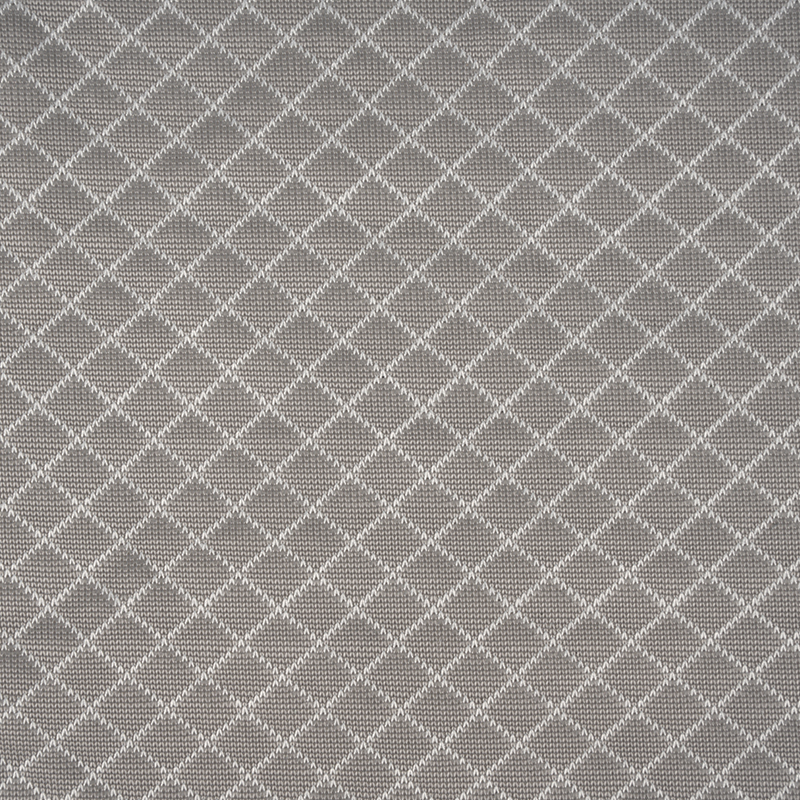
● Fabric Construction: Knitted air-layer / Knitted jacquard / Woven plain, etc. (according to specific product)
● Safety Certification: Complies with Class A requirements of national textile basic safety technical specifications; can be certified to OEKO-TEX Standard 100.
● Care Instructions: Recommend gentle machine wash or hand wash at cool temperature (≤30°C) with neutral detergent. Avoid prolonged soaking and strong bleach. Medium iron. Line dry.
● Storage Conditions: Store in a cool, dry, and well-ventilated place. Avoid direct sunlight and contact with corrosive chemicals.
We Create Safe, Healthy and Comfortable Living Spaces Through Innovative Technology.
Hangzhou Xinsili Decorative Fabric Weaving Co.,Ltd. specializes in the innovative research, development, and precision manufacturing of decorative textiles.
We are China Graphene Children Mattress Fabric Manufacturers and Custom Graphene Children Mattress Fabric Factory, Exporter.
Guided by the vision of "Weaving Beautiful Spaces," we are committed to delivering high-quality, environmentally friendly decorative solutions to global clients through our stable and practical fabric products. Upholding the corporate values of "Craftsmanship-Driven Manufacturing, Design Innovation, and Win-Win Collaboration," we empower design through technological advancement and build trust with steady and reliable quality, striving to become a trusted partner in the decorative textiles industry.
Years of Industry Experience
Factory Area
Number of Employees
Annual Output
Export Volume
Provide you with the latest enterprise and industry news
Read MoreGraphene's exceptional in-plane thermal conductivity—~5000 W/m·K for single-layer sheets—creates unique possibilities for textile thermal management, though practical implementations face fundamental constraints. In fiber-matrix composites, graphene exists as exfoliated flakes or reduced graphene oxide (rGO) with substantially lower conductivity due to interfacial thermal resistance and structural defects. Effective textile implementations achieve 10-100 W/m·K along fiber axes, still orders of magnitude above conventional polymers but requiring specific architectural arrangements to direct heat flow.
For pediatric sleep applications, the objective isn't uniform cooling but rather thermal gradient management. Children's thermoregulatory systems exhibit delayed vasodilation response and higher sweating thresholds, causing rapid core temperature rise when insulated. Graphene-enhanced fabrics function as distributed heat spreaders, laterally conducting localized heat buildup away from skin contact points, reducing the perceptual "hot spots" that trigger sleep disruption. This mechanism differs from phase-change materials that absorb latent heat; graphene operates through sensible heat conduction without thermal capacity limitations.
Hangzhou Xinsili Decorative Fabric Weaving Co.,Ltd. optimizes this property through controlled graphene loading levels—typically 0.5-2.0 wt% in masterbatch formulations—where percolation networks form continuous thermal pathways without compromising fiber mechanical properties. Exceeding these thresholds increases conductivity marginally while substantially reducing tensile strength and abrasion resistance, creating fabrics that conduct heat effectively but fail structurally under children's use patterns.
The electrical conductivity imparted by graphene networks—ranging from 10⁻⁶ to 10¹ S/cm depending on loading and dispersion quality—enables static charge dissipation and electromagnetic interference (EMI) shielding in textile formats. For mattress applications, static management addresses the electrostatic discharge that disturbs sleep onset in low-humidity environments, particularly winter heating seasons where relative humidity drops below 30%.
Surface resistivity targets for effective static control fall between 10⁶ and 10⁹ Ω/sq—sufficiently conductive to prevent charge accumulation without creating shock hazards. Graphene-loaded polyester or polyamide fibers achieve this range at loadings below 1 wt%, whereas carbon black alternatives require 5-15% loading with associated mechanical degradation. The percolation threshold behavior of graphene—sharp conductivity increase at critical loading—allows precise tuning of electrical properties through minor formulation adjustments.
EMI shielding effectiveness in the 30 MHz to 3 GHz range, relevant for wireless device emissions, requires substantially higher conductivity than static control. Mattress fabrics with 20-30 dB attenuation at 1 GHz reduce ambient electromagnetic field exposure during sleep, though clinical significance remains debated. The shielding mechanism involves reflection from conductive surfaces and absorption within the material; graphene's high aspect ratio flakes enhance both components compared to spherical conductive fillers.
Beyond functional properties, graphene functions as a nanoscale reinforcing phase that modifies polymer matrix mechanics through stress transfer at flake-matrix interfaces. Young's modulus increases of 20-50% at 1-2 wt% loading improve fabric dimensional stability and resistance to permanent deformation under cyclic loading—critical for mattress applications where body impression resistance determines functional lifespan.
The reinforcement mechanism depends critically on dispersion quality and interfacial adhesion. Aggregated graphene creates stress concentrators that initiate crack propagation, reducing rather than enhancing mechanical properties. Surface functionalization—oxidation, silane coupling, or polymer grafting—improves compatibility with hydrophobic fiber matrices but introduces processing complexity and potential environmental persistence concerns. For Graphene Children Mattress Fabric, the optimization targets balanced improvement across tensile strength, tear resistance, and abrasion performance rather than maximizing individual metrics.
Abrasion resistance improvements of 30-40% in Martindale testing translate to extended service life under the concentrated point loads and surface friction characteristic of children's mattress use. The mechanism involves graphene flakes deflecting crack propagation paths and absorbing fracture energy through delamination at interfaces, effectively sacrificing filler structure to preserve matrix integrity. This sacrificial protection maintains surface appearance and structural performance through extended use periods.
Industrial-scale graphene textile production faces dispersion challenges that laboratory demonstrations often obscure. Exfoliated graphene's high surface energy drives rapid reaggregation in polymer melts and solutions, requiring high-shear processing or stabilizing surfactants that may compromise fiber properties. Masterbatch approaches—concentrated graphene-polymer compounds diluted during fiber spinning—provide process consistency but limit graphene orientation control that optimizes anisotropic properties.
Environmental persistence represents an emerging concern distinct from graphene's carbon-based origin. The nanoscale dimensions that enable property enhancement—flake thicknesses of 1-10 nm and lateral dimensions of 100-1000 nm—create potential for environmental transport and biological uptake not observed with bulk carbon materials. Current research indicates low acute toxicity but incomplete understanding of long-term accumulation effects. Textile applications, where graphene remains bound within polymer matrices rather than released as free particles, present lower exposure risk than spray-applied or solution-phase uses.
Life cycle assessment complexity arises from graphene production energy intensity. Chemical vapor deposition and liquid-phase exfoliation methods vary substantially in carbon footprint; bio-based reduction of graphene oxide offers potential pathways to renewable feedstocks. Hangzhou Xinsili Decorative Fabric Weaving Co.,Ltd. evaluates supplier graphene against comprehensive sustainability metrics, ensuring that Graphene Children Mattress Fabric performance advantages aren't offset by upstream environmental burdens, maintaining alignment with the "Weaving Beautiful Spaces" vision through responsible material innovation.
Yi qiao Town, Xiaoshan District, Hangzhou City, Zhejiang Province, China
