

 English
 中文简体
中文简体 Español
 عربى
عربى русский


What Is the Best Mattress Material Fabric for Comfort and Durability?
Content
In modern life, sleep quality directly affects our health, mood, and work efficiency. As a core component of sleep, the mattress plays a crucial role, and choosing the right Mattress Material Fabric is essential. Many people focus on price, thickness, or appearance when buying a mattress, but often overlook the importance of the mattress fabric itself. In fact, the material of a mattress surface determines comfort, breathability, durability, and even health impact. This article provides a comprehensive guide from basic concepts to types of fabrics, and then to selection and maintenance, helping you choose the mattress fabric that best suits your needs.
1. What is Mattress Material Fabric
Mattress Material Fabric refers to the various textile materials that make up the surface of a mattress. It not only determines the texture of the mattress but also affects breathability, hypoallergenic properties, durability, and environmental friendliness. Different fabrics have different characteristics, and choosing the right one can not only improve sleep quality but also extend the life of the mattress.
Generally, Mattress Material Fabric can be divided into three categories: natural fabrics, synthetic fabrics, and blended fabrics. Natural fabrics such as cotton, linen, and bamboo fiber are breathable, comfortable, and eco-friendly; synthetic fabrics like polyester and nylon are more durable and easy to clean; blended fabrics combine the comfort of natural fabrics with the durability of synthetics and are commonly used in modern mattresses.
Choosing Mattress Material Fabric is not just about picking a "nice-looking" surface; it is an investment in sleep health and quality of life. Next, we will analyze five popular and cost-effective types of mattress fabrics to help you find the best option for yourself.
2. Main Types of Mattress Fabric
2.1 Breathable Mattress Fabrics
During sleep, the body constantly sweats. If the mattress fabric is not breathable, sweat and moisture cannot escape, creating bacteria and odor, which affects health. Breathable mattress fabrics are designed to solve this problem. These fabrics are typically made of natural fibers or special weaving techniques that allow air to circulate freely, regulating temperature and humidity, keeping you dry and comfortable throughout the night.
Common breathable fabrics include pure cotton, linen, and bamboo fiber. Cotton is soft and breathable, suitable for most people; linen is durable, breathable, and naturally antibacterial; bamboo fiber is soft, breathable, and naturally inhibits bacteria, making it ideal for people who sweat easily or are sensitive to temperature.
When choosing breathable mattress fabrics, consider not only the material but also the weave and thickness. Looser knits or mesh weaves usually allow better airflow, while overly thick padding may hinder breathability. Therefore, paying attention to the fabric structure is also crucial when selecting Mattress Material Fabric.
2.2 Eco-Friendly Mattress Materials
With the rise of environmental awareness, more people consider sustainability when choosing a mattress. Eco-friendly mattress materials are not only environmentally friendly but also better for human health. These fabrics are often made from natural, biodegradable, or organic fibers without harmful chemicals, reducing irritation to the skin and respiratory system.
Common eco-friendly fabrics include organic cotton, natural linen, and organic bamboo fiber. These materials minimize pesticide and chemical use during cultivation and processing, protecting the environment while ensuring safe sleep. Additionally, eco-friendly fabrics typically have excellent breathability and moisture absorption, helping maintain a dry mattress and preventing bacterial growth.
When choosing eco-friendly Mattress Material Fabric, you can also check for organic certifications or environmental standards, such as GOTS (Global Organic Textile Standard). These certifications ensure the material meets environmental and health standards and are an important indicator of quality.
2.3 Hypoallergenic Mattress Fabrics
For people with allergies, choosing the right mattress fabric is critical. Hypoallergenic mattress fabrics are designed to reduce the accumulation of allergens such as dust mites, mold, and pollen, minimizing allergic reactions.
Common hypoallergenic fabrics include organic cotton, bamboo fiber, and anti-mite polyester. Organic cotton is soft, breathable, and naturally antibacterial; bamboo fiber has antibacterial properties and effectively absorbs moisture; anti-mite polyester is tightly woven to block dust mites, making it suitable for children or sensitive individuals.
With hypoallergenic Mattress Material Fabric, regular cleaning and using mattress protectors can minimize allergen accumulation, providing a safer sleep environment for sensitive users.
2.4 Durable Mattress Fabric Types
Mattresses are used daily, so durability is an important factor in fabric selection. Durable mattress fabric types are usually made with high-strength fibers or special weaving techniques, featuring resistance to stretching, wear, and tearing.
Common durable fabrics include high-density polyester, cotton-linen blends, and nylon. These fabrics are not only strong and long-lasting but also maintain shape and texture over time without pilling or deforming. For families with children or pets, durable Mattress Material Fabric extends mattress life and reduces replacement costs.
Another advantage of durable fabrics is easy cleaning. Even minor stains can be removed through regular washing without damaging the fibers, unlike some natural fabrics that can be damaged if not cleaned properly.
2.5 Soft Mattress Fabric Options
Softness is a key factor in mattress comfort. Soft mattress fabric options are characterized by smooth textures that feel pleasant against the skin, providing a more comfortable sleep experience. Soft fabrics enhance warmth and a sense of enclosure, particularly in winter or close-contact mattresses.
Common soft fabrics include velvet, flannel, bamboo fiber blends, and high-thread-count cotton. Velvet is silky and lustrous; flannel is warm and soft; high-thread-count cotton is delicate and skin-friendly. Choosing soft Mattress Material Fabric enhances sleep comfort and gives a luxurious feel to the mattress.
However, soft fabrics are generally less durable, so it is important to balance comfort with longevity. Some premium soft fabrics use blends or special weaves to improve durability, combining softness and long-term usability.
3. How to Choose the Right Mattress Material Fabric (Partial Introduction)
Faced with such a variety of mattress fabrics, many people may feel confused. Choosing the right Mattress Material Fabric requires considering breathability, eco-friendliness, hypoallergenic properties, durability, and softness. Different users and scenarios have different needs. For example:
- Breathable fabrics are better for summer or people who sweat easily;
- Eco-friendly mattress materials are ideal for those concerned about sustainability;
- Hypoallergenic fabrics are suitable for children or allergy-prone individuals;
- Durable fabrics are recommended for long-term use;
- Soft fabrics are preferred by those who prioritize comfort.
In the next section, we will provide detailed guidance on how to select Mattress Material Fabric comprehensively, along with care tips to ensure your mattress remains in top condition.
4. How to Scientifically Choose the Right Mattress Material Fabric
Selecting Mattress Material Fabric is not just about picking a fabric that feels comfortable; it must consider usage needs, environmental conditions, personal constitution, and budget. Here are key factors to guide your choice:
4.1 Choose Based on Sleep Habits and Body Type
- People who sweat easily or who use mattresses in summer: Choose Breathable mattress fabrics. Airflow prevents moisture accumulation and bacteria growth. Natural cotton, linen, or bamboo fiber is recommended.
- Allergy-prone individuals: Prioritize Hypoallergenic mattress fabrics. Low-allergen fabrics reduce dust mites and pollen exposure, providing safer sleep.
- Those who like a snug, warm feeling or for winter use: Select Soft mattress fabric options. Fabrics like flannel, velvet, or high-thread-count cotton provide warmth and comfort.
4.2 Consider Usage Environment and Mattress Longevity
- Homes with children or pets: Durability is key. Opt for Durable mattress fabric types like high-density polyester, cotton-linen blends, or nylon to withstand frequent use.
- Environmental and health concerns: Choose Eco-friendly mattress materials such as organic cotton, natural linen, or bamboo fiber with relevant certifications (GOTS, OEKO-TEX).
- Long-term use or public settings: Durability and ease of cleaning are crucial. Durable fabrics can maintain shape and cleanliness over time.
4.3 Balance Comfort and Functionality
Soft fabrics feel excellent but may be less durable; durable fabrics are strong but may feel firmer. Ideal selection balances comfort and function. For example, blending bamboo fiber with polyester offers both softness and durability.
4.4 Fabric Texture and Sleep Experience
Mattress Material Fabric affects health and sleep quality. Soft fabrics reduce friction and improve sleep depth; breathable fabrics regulate temperature; durable and hypoallergenic fabrics maintain cleanliness and safety. Skin-friendly, soft, and temperature-appropriate fabrics significantly enhance sleep quality.
5. Mattress Fabric Care and Maintenance
5.1 Regular Cleaning
- Breathable fabrics: Vacuum or gently shake every 1–2 weeks to maintain airflow.
- Hypoallergenic fabrics: Wash mattress covers regularly to prevent dust mites and allergens.
- Soft fabrics: Avoid high-temperature washing or bleaching to protect fiber softness and sheen.
5.2 Protection Measures
- Use mattress protectors to prevent stains, liquids, and dust accumulation.
- Protectors improve durability and reduce friction.
- Especially important for hypoallergenic and eco-friendly fabrics to avoid chemical exposure.
5.3 Avoid Moisture and Direct Sunlight
Natural fabrics like cotton, linen, and bamboo are prone to mold in humid environments. Soft fabrics may fade or harden in strong sunlight. Place Mattress Material Fabric in a dry, well-ventilated area and rotate or air occasionally, avoiding prolonged sun exposure.
5.4 Regular Flipping and Maintenance
- Flip the mattress every 3–6 months to maintain even padding.
- Gently pat soft fabrics to restore fluffiness.
- Check regularly for wear or damage to prevent worsening problems.
6. Summary and Buying Recommendations
Based on this comprehensive analysis of Mattress Material Fabric, here are key principles for selecting the right mattress fabric:
- Choose based on body type and sleep habits: Breathable fabrics for heavy sweaters, hypoallergenic fabrics for sensitive individuals, soft fabrics for those prioritizing comfort.
- Combine with environment and use scenario: Durable fabrics for families with children/pets, eco-friendly fabrics for health and sustainability.
- Balance comfort and functionality: Consider softness, durability, breathability, hypoallergenic properties, and eco-friendliness to find the best combination.
- Emphasize care and protection: Use mattress protectors, clean regularly, keep dry, and flip as needed to extend Mattress Material Fabric lifespan.
In conclusion, Mattress Material Fabric is not only the surface material of a mattress but also directly affects sleep quality, health, and lifestyle. With proper selection and care, anyone can enjoy a mattress that is comfortable, healthy, durable, and eco-friendly, turning sleep into a truly high-quality experience.
Complete Article Summary: This article fully explores Mattress Material Fabric, including its definition, five main types, selection methods, and care tips. From breathable, eco-friendly, hypoallergenic, durable, to soft fabrics, we have analyzed advantages and suitable users, providing systematic and practical guidance. Whether prioritizing health, comfort, or durability, this article offers a comprehensive reference for making informed mattress fabric choices.
Our Featured Products
-
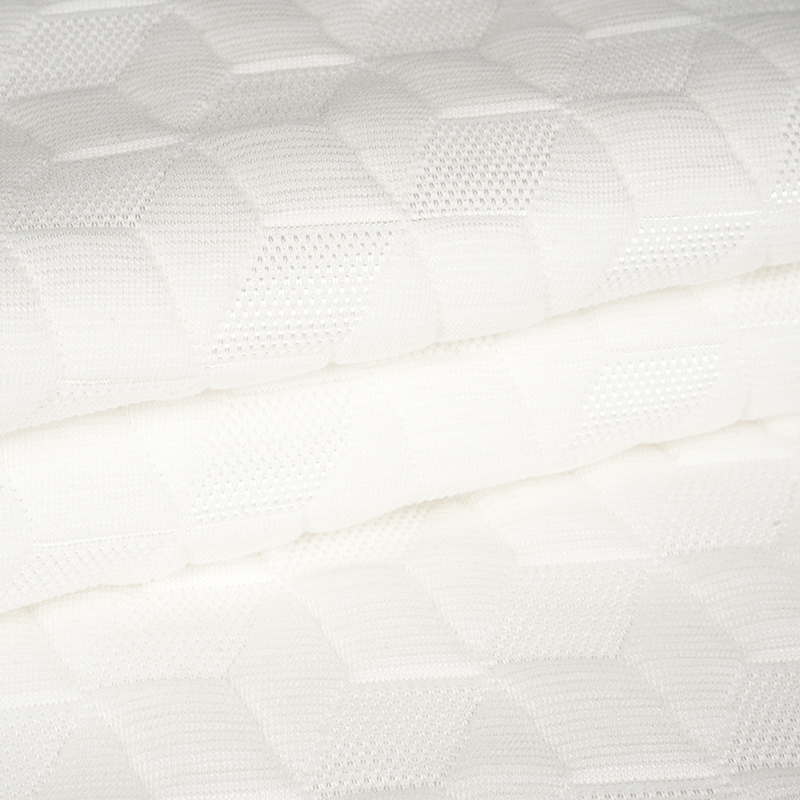
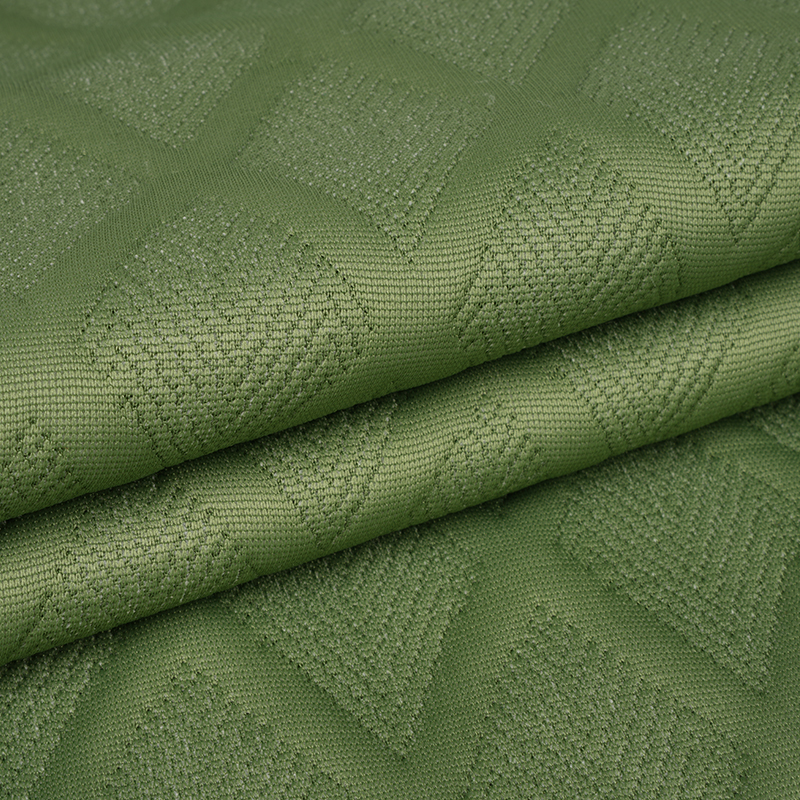
Polyester Mattress Fabric
Polyester Mattress Fabric
-
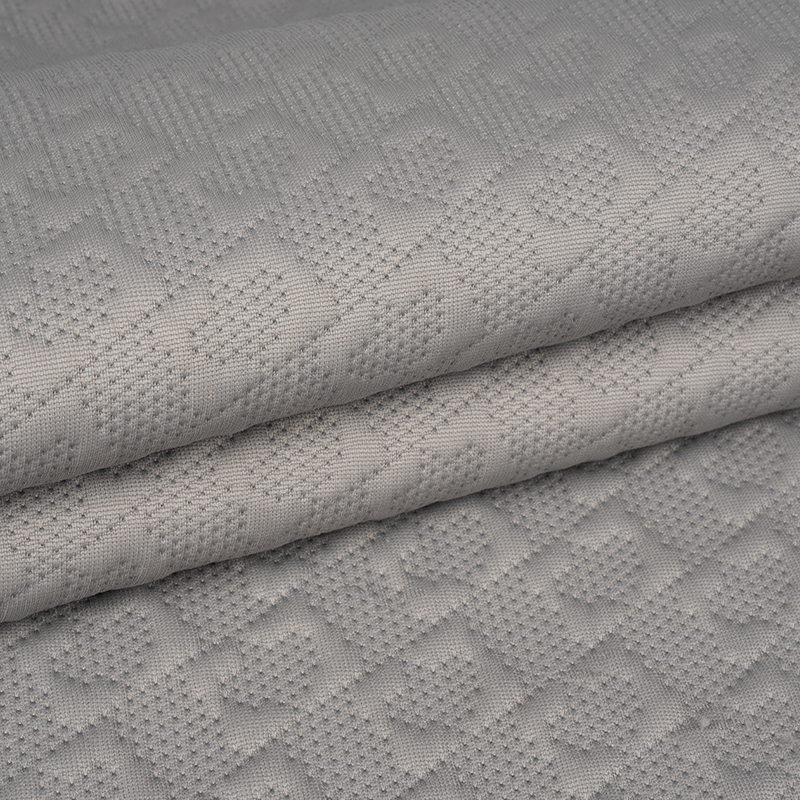
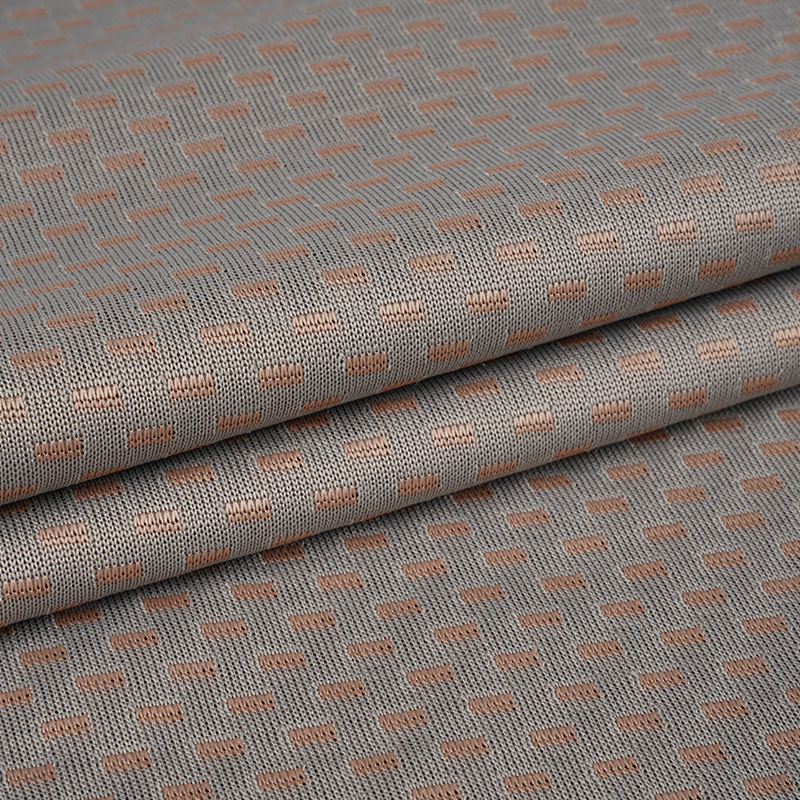
Antibacterial Yarn Children Mattress Fabric
Antibacterial Yarn Children Mattress Fabric
Haven’t Found The Products You Want?
-
-
Shen Jinyan:+86-15158070676
[email protected]
Liang Jinwen:+86-15757186621
[email protected]
Qiu Yingyingn:+86-13819545790
[email protected]
Yi qiao Town, Xiaoshan District, Hangzhou City, Zhejiang Province, China
-
Products
Mattress Fabric Children Mattress Fabric Pillowcase Fabric Pregnancy Pillow Fabric Cooling Mat Fabric Bedding Fabric Sofa Fabric Pet Friendly Fabrics -
Contact Information
About Us Products Strength Sustainability News Contact Us
Copyright © Hangzhou Xinsili Decorative Fabric Weaving Co.,Ltd. All Rights Reserved.
Functional Decorative Textile Manufacturers
