

 English
 中文简体
中文简体 Español
 عربى
عربى русский

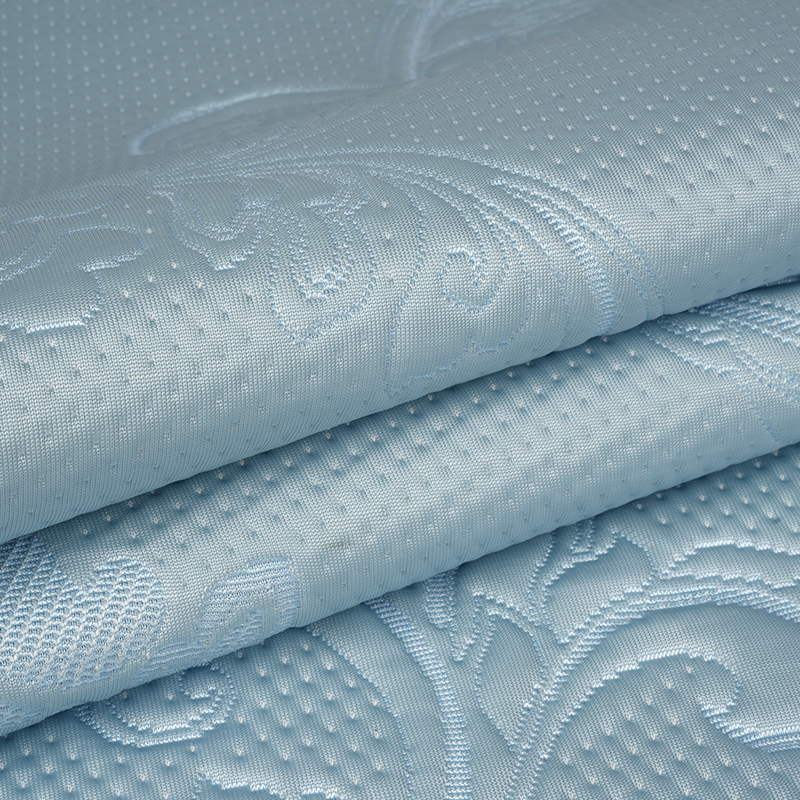
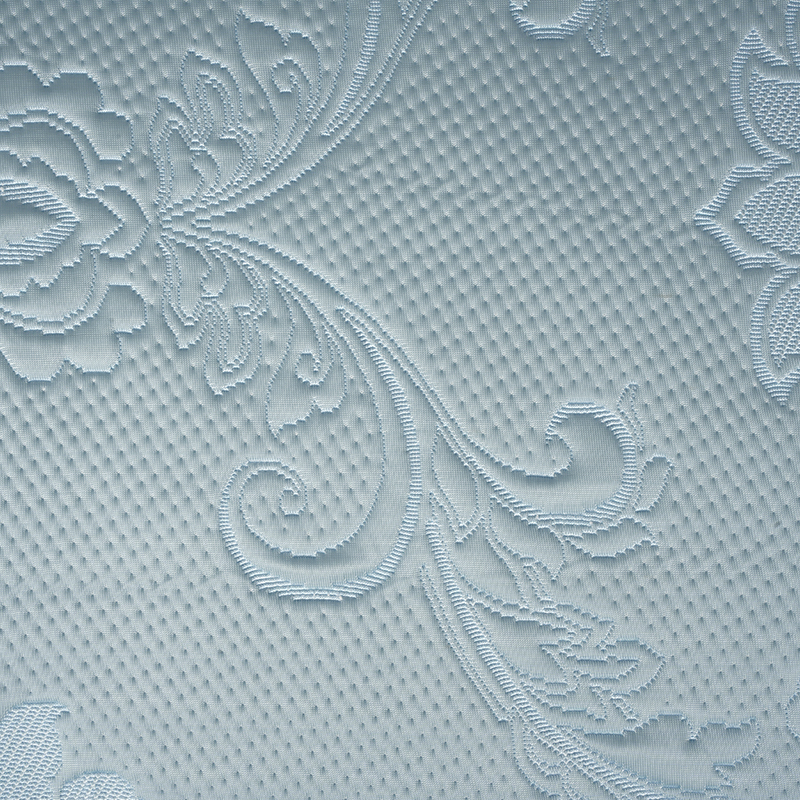
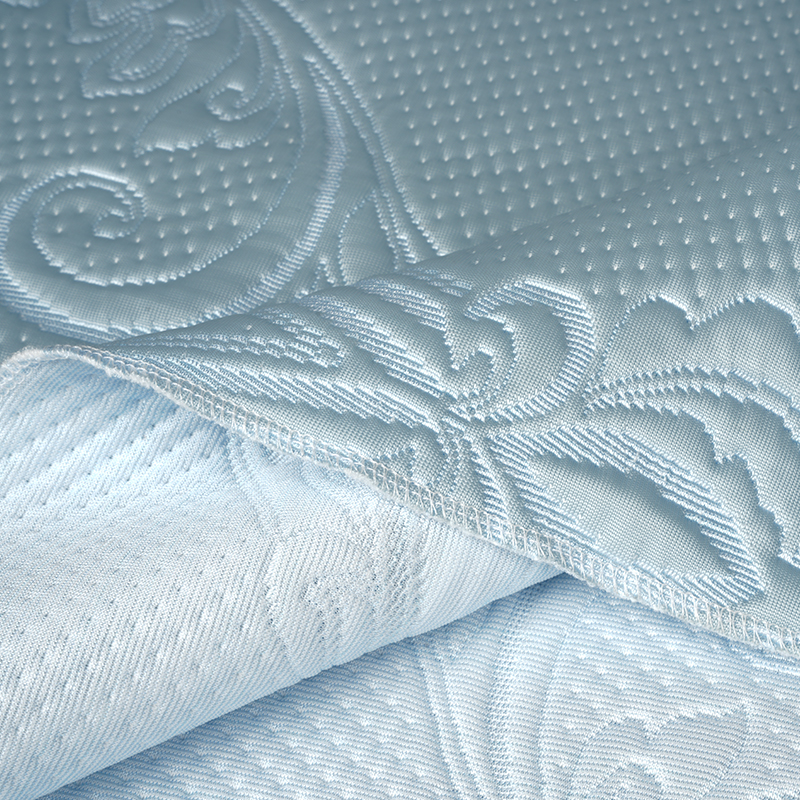

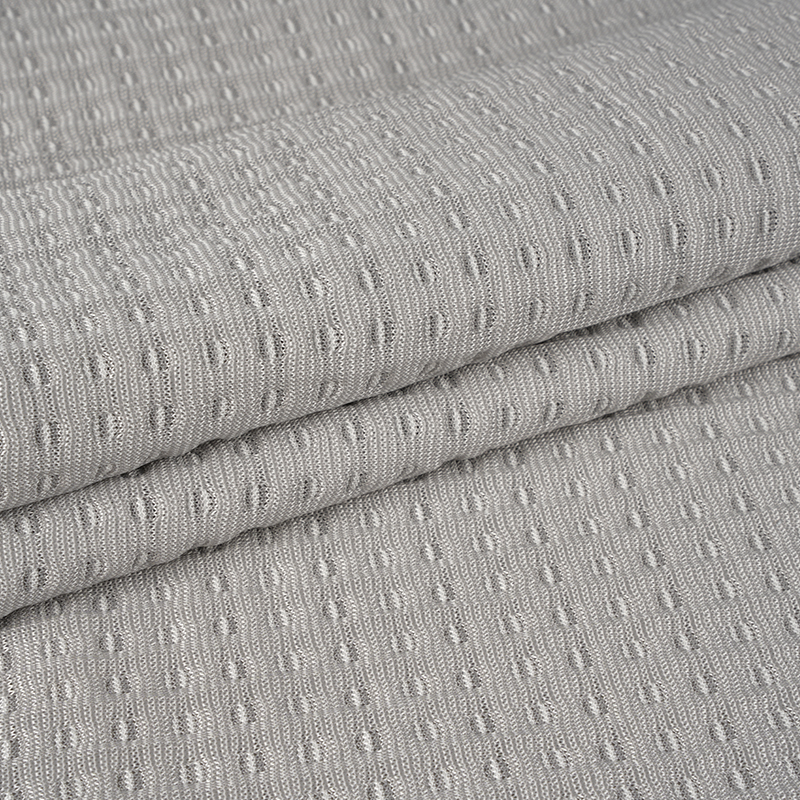
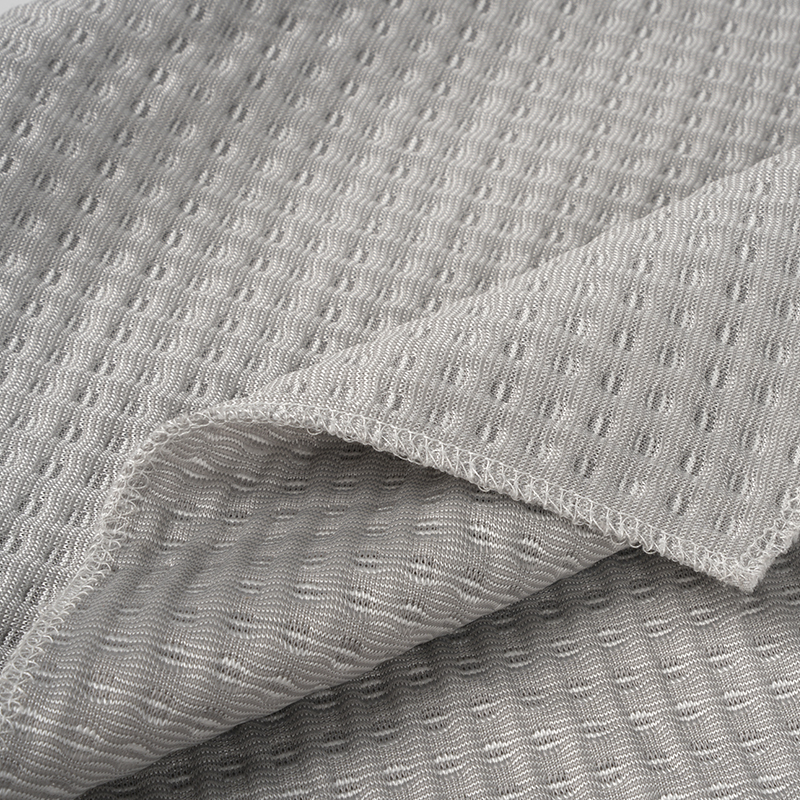
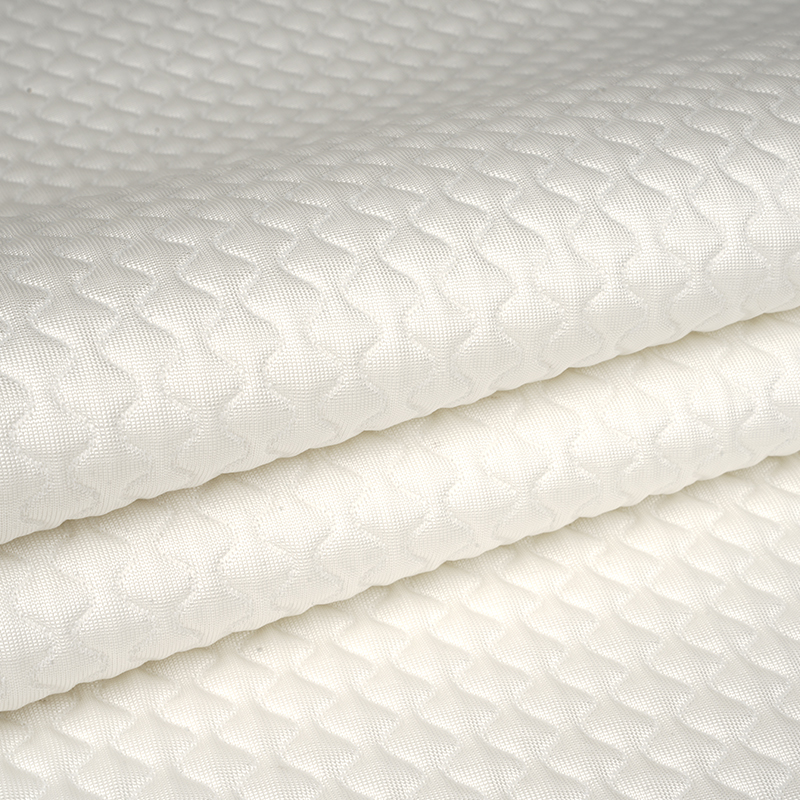
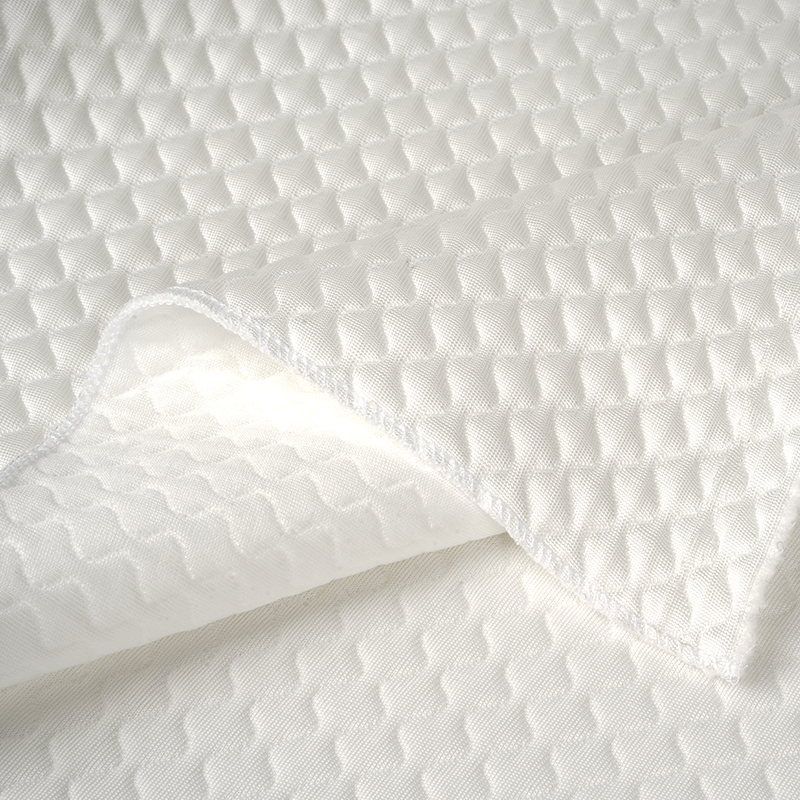
The fibers of pure cotton are naturally crimped, with an oval cross-section and a built-in cavity structure. This physical characteristic is well-suited to the three-layer weave structure of knitted air-layer fabrics: "outer layer - air layer - bottom layer." The natural crimp of cotton fibers increases the cohesion between yarns, making the three-dimensional structure of the air-layer fabric more stable and less prone to collapse due to long-term compression. The cavity in the fiber can store more air, enhancing the fabric's breathability and warmth retention. At the same time, the toughness of cotton fibers improves the fabric's tensile strength, extending the lifespan of home textile products.
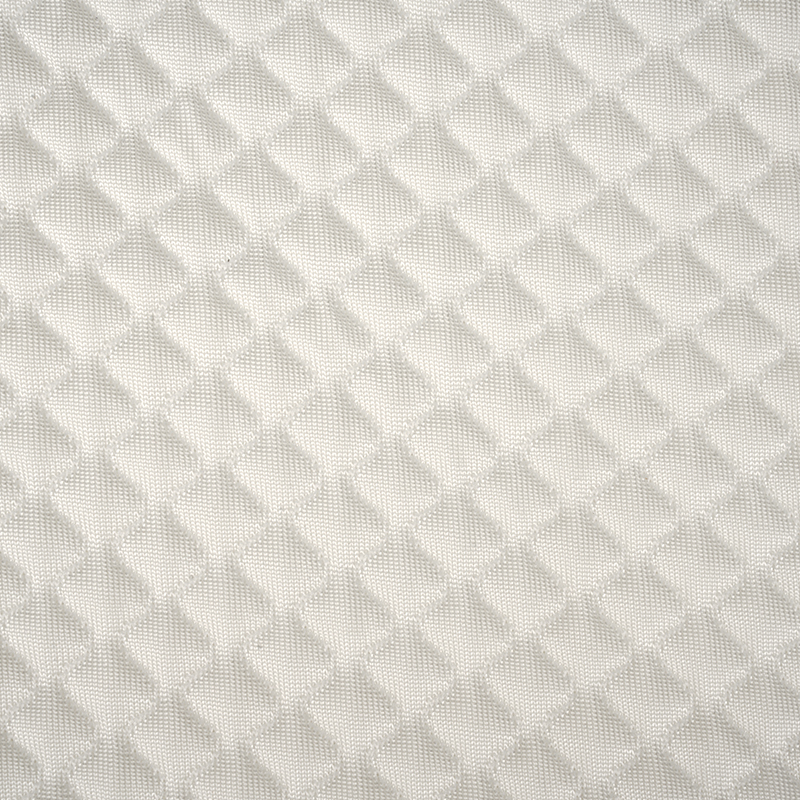
100% cotton children's mattress fabric is woven exclusively from cotton fibers and designed specifically for children's mattresses. The fabric is typically manufactured using compact or twill weaving techniques, resulting in a smooth surface and consistent fabric density. It remains unbleached, preserving the natural hue of cotton. During production, the fabric undergoes pre-shrinking and bio-polishing treatments to enhance dimensional stability and softness. This fabric complies with China’s mandatory safety standard for infant and children’s textiles (GB 31701-2015 Class A), and is free from fluorescent whitening agents and formaldehyde. It is suitable for direct contact with children's skin.
Core Advantages
● Material Safety: Made from 100% cotton fibers without synthetic additives, meeting Class A safety standards for children's textiles.
● Physical Comfort: The porous structure of cotton fibers absorbs and releases moisture, maintaining a dry sleep surface.
● Process Stability: Pre-shrunk and bio-polished treatments limit shrinkage to within 3%, with minimal pilling after prolonged use.
● Easy Maintenance: Machine washable with minimal deformation or fading under regular washing conditions.
Product Features
● Fiber Composition: 100% cotton, no blended fibers.
● Weaving Technique: Compact or twill weave, with fabric weight typically ranging from 180-220g/㎡.
● Surface Treatment: Unbleached, softened through bio-polishing.
● Color Fastness: Dyed with reactive dyes, sweat and rubbing fastness rated 4 or higher.
● Breathability: Air permeability not less than 300mm/s under standard testing conditions.
Application Scenarios
● Primarily used as the surface layer and covering for mattresses designed for children aged 0-12.
● Suitable for sleep facilities in kindergartens and child care centers.
● Can be applied to other children's sleep-related products, such as crib bumpers and sleeping bag linings.
Product Parameters
● Composition: 100% cotton
● Fabric Weight: 180-220g/㎡
● Fabric Density: Warp ≥120 threads/inch, Weft ≥110 threads/inch
● Shrinkage Rate: ≤3% (after standard washing)
● Color Fastness: Washing fastness ≥4, Rubbing fastness ≥4
● Safety Standard: Complies with GB 31701-2015 Class A
● Air Permeability: ≥300mm/s
● Washing Method: Machine washable, water temperature ≤40℃, mild detergent recommended
Usage & Storage Notes
● Gentle rinsing with clean water before first use is recommended to remove surface dust.
● Wash inside out separately from other colored fabrics.
● Avoid prolonged direct exposure to strong sunlight; dry in a shaded, well-ventilated area.
● Store in a dry place, avoiding dampness and heavy pressure.
We Create Safe, Healthy and Comfortable Living Spaces Through Innovative Technology.
Hangzhou Xinsili Decorative Fabric Weaving Co.,Ltd. specializes in the innovative research, development, and precision manufacturing of decorative textiles.
We are China Cotton Children Mattress Fabric Manufacturers and Custom Cotton Children Mattress Fabric Factory, Exporter.
Guided by the vision of "Weaving Beautiful Spaces," we are committed to delivering high-quality, environmentally friendly decorative solutions to global clients through our stable and practical fabric products. Upholding the corporate values of "Craftsmanship-Driven Manufacturing, Design Innovation, and Win-Win Collaboration," we empower design through technological advancement and build trust with steady and reliable quality, striving to become a trusted partner in the decorative textiles industry.
Years of Industry Experience
Factory Area
Number of Employees
Annual Output
Export Volume
Provide you with the latest enterprise and industry news
Read MoreCotton's convoluted ribbon-like structure—flattened cross-sections with 20-30% natural twist along the fiber axis—creates interstitial spaces within yarn structures that function as capillary reservoirs. This morphology distinguishes cotton from synthetic round fibers: moisture absorption occurs not merely through internal amorphous regions but through surface adsorption into these convolutions, yielding 7.5-8.5% moisture regain at standard conditions with substantial capacity for liquid water uptake before perceptible dampness.
For pediatric thermophysiology, this absorption profile presents trade-offs. The high heat of sorption (~240 J/g for water vapor condensation within cellulose) creates transient cooling during initial sweat generation, potentially beneficial for fever management but potentially uncomfortable during normal sleep. Conversely, the saturated fabric's slow drying—2-3x longer than polyester equivalents—prolongs post-sweat chill when evaporation resumes. Yarn engineering that increases surface area through finer counts or open constructions accelerates drying without sacrificing the hand-feel that motivates cotton selection.
Hangzhou Xinsili Decorative Fabric Weaving Co.,Ltd. addresses this through mercerization protocols that increase fiber crystallinity and luster while modifying moisture accessibility. The caustic soda treatment swells and restructures cellulose, reducing the convolutions that trap moisture while increasing tensile strength through molecular chain alignment. Properly controlled, mercerization achieves 15-20% strength improvement and 10-15% luster enhancement, transforming commodity cotton into performance-grade material suitable for demanding mattress applications.
Cotton fiber properties vary substantially across cultivars, growing conditions, and harvesting methods—variability that synthetic fibers avoid through manufacturing control. Staple length ranges from 22mm (short-staple upland cottons) to 38mm+ (extra-long staple Pima and Egyptian varieties), directly influencing yarn strength and fabric abrasion resistance. Micronaire values (fiber fineness) between 3.5-4.9 indicate optimal maturity; values below 3.0 signal immature fibers with weak cell walls prone to breakage during processing.
For Cotton Children Mattress Fabric, the critical quality parameter is fiber maturity rather than staple length alone. Immature fibers contain less cellulose and more residual protoplasm, creating weak points that manifest as nep formation in yarn and pilling on fabric surfaces. High-performance mattress constructions require >85% mature fiber content, typically achieved through selective ginning and advanced fiber sorting that separates immature fractions before spinning.
Organic and transitional cotton sourcing introduces additional variability. Reduced pesticide application increases insect damage and microbial staining that weakens fiber structure; hand-picking versus mechanical harvesting reduces trash content but increases variability in fiber presentation. These agricultural realities constrain the consistency achievable with natural fibers, requiring compensatory adjustments in spinning parameters and quality control protocols that synthetic fiber processors rarely encounter.
Cotton's wet strength deficiency—retaining only 50-60% of dry tensile strength—creates specific vulnerabilities for mattress applications where liquid exposure is probable. The mechanism involves cellulose chain hydration that plasticizes amorphous regions and disrupts hydrogen bonding between crystallites. This structural change isn't reversible through drying; repeated wet-dry cycling causes permanent strength loss through molecular slippage and crystallite disordering.
Crosslinking treatments with N-methylol compounds or polycarboxylic acids address this limitation by establishing covalent bridges between cellulose chains, reducing swelling and maintaining strength in wet conditions. However, formaldehyde-releasing agents raise toxicological concerns for pediatric proximity, driving adoption of citric acid and butanetetracarboxylic acid (BTCA) systems despite higher processing costs and potential fabric yellowing. The crosslinking density must balance wrinkle resistance and wet strength improvement against the stiffness that compromises the drape and hand essential to cotton's appeal.
Blend strategies with 15-35% polyester or nylon provide alternative wet strength enhancement without chemical modification. The synthetic component forms a continuous phase that maintains structural integrity when cotton swells, while the natural fiber dominates surface properties and moisture management. For children's mattresses, these engineered constructions extend functional lifespan through the accidents and cleaning cycles that rapidly degrade pure cotton upholstery.
Raw cotton arriving at textile mills contains 4-8% non-cellulosic material—waxes, pectins, proteins, and seed coat fragments—that must be removed for dyeing and finishing. Scouring with sodium hydroxide or bio-enzymatic systems eliminates these impurities but introduces processing variables that affect final fabric properties. Aggressive scouring increases fiber absorbency and dye uptake but reduces natural wax content that provides subtle water repellency and soil resistance.
Bleaching sequences, typically hydrogen peroxide-based for white and pastel shades, target the natural pigments (flavonoids and tannins) that impart the cream-to-brown coloration of unbleached cotton. Residual peroxide and its decomposition products require thorough washing; incomplete removal causes fiber degradation during storage and yellowing under heat exposure. For Cotton Children Mattress Fabric intended for natural or undyed aesthetics, controlled bio-scouring preserves the subtle color variations and soft hand that chemical bleaching eliminates.
Finishing chemistry for children's applications faces heightened scrutiny regarding formaldehyde content, heavy metal catalyst residues, and persistent organic pollutants. Easy-care finishes that release formaldehyde during use and storage conflict with indoor air quality standards for juvenile environments. Hangzhou Xinsili Decorative Fabric Weaving Co.,Ltd. specifies formaldehyde-free crosslinking systems and monitors APEO (alkylphenol ethoxylate) surfactant levels in processing, ensuring that the natural fiber selection aligns with the environmental and health expectations that motivate cotton preference in children's products.
Yi qiao Town, Xiaoshan District, Hangzhou City, Zhejiang Province, China
