English
 中文简体
中文简体 Español
 عربى
عربى русский

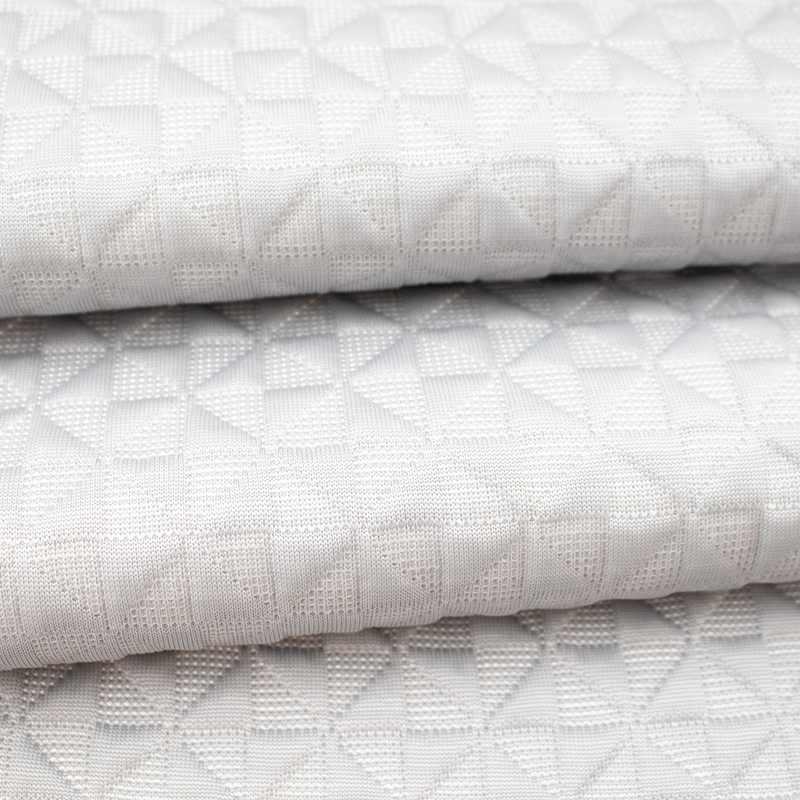
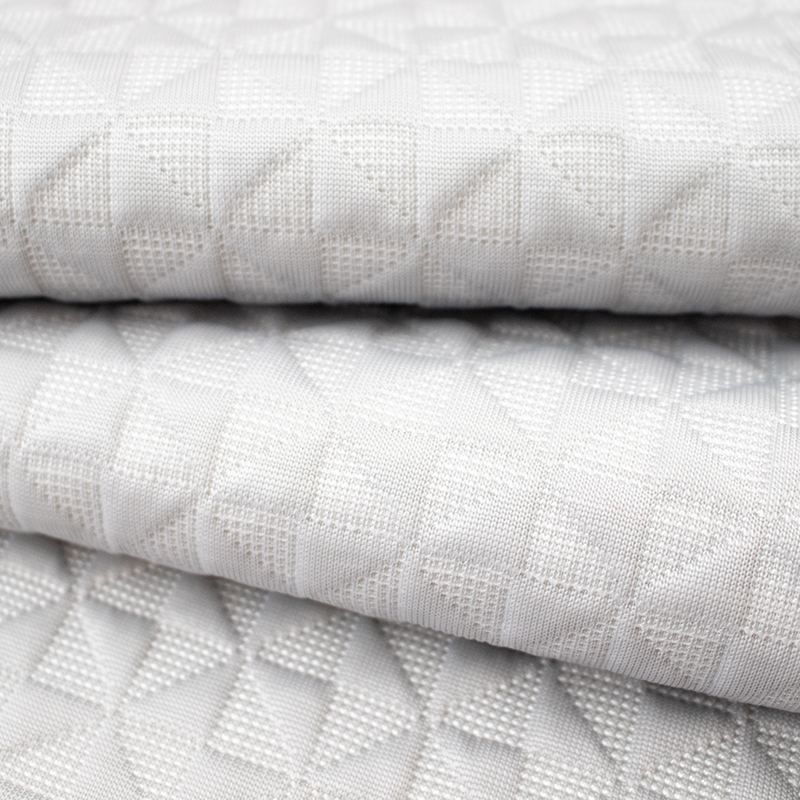
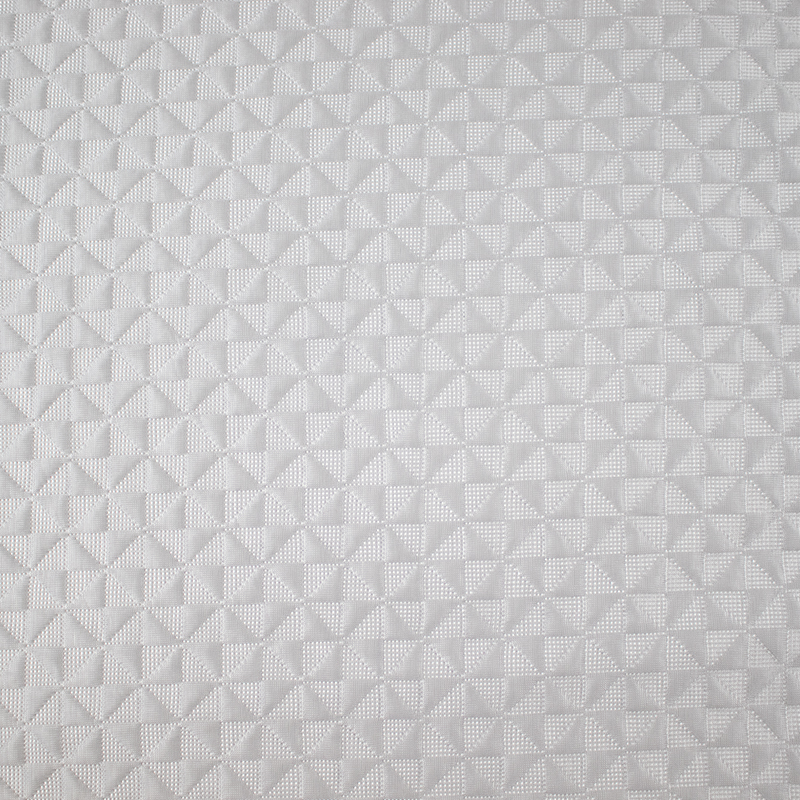
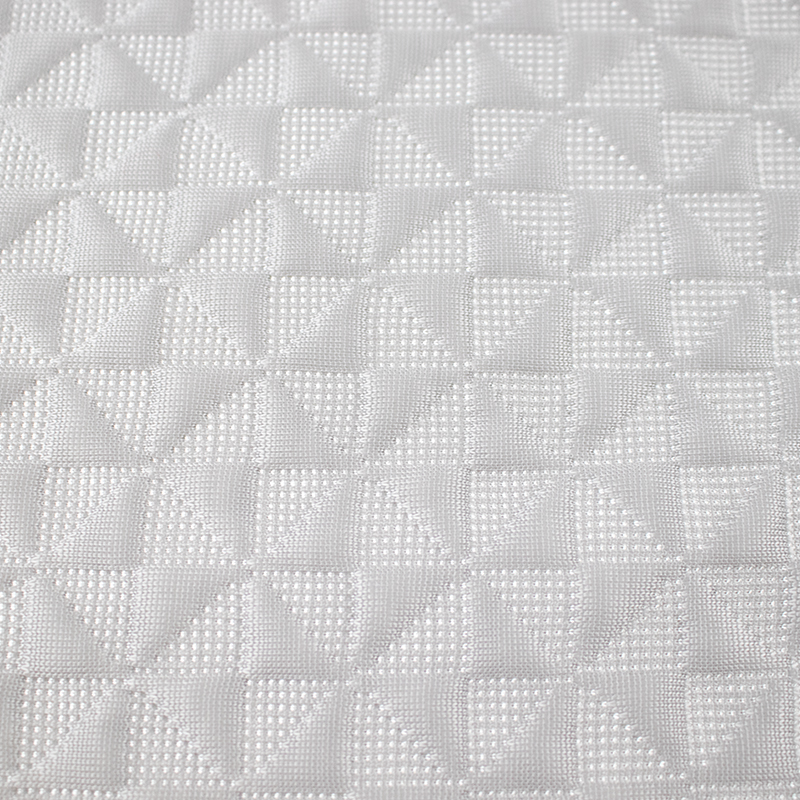

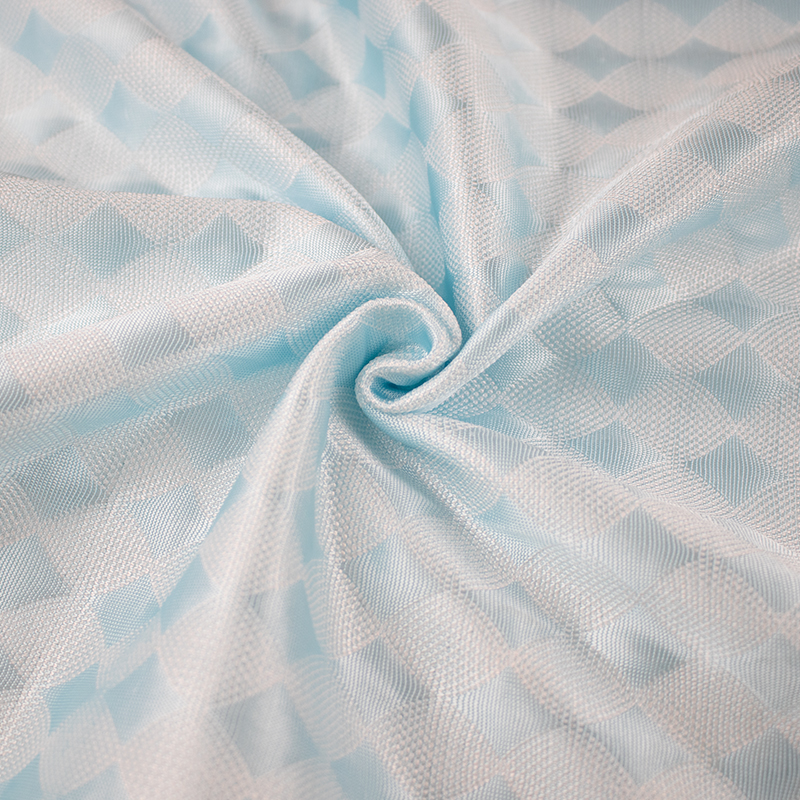
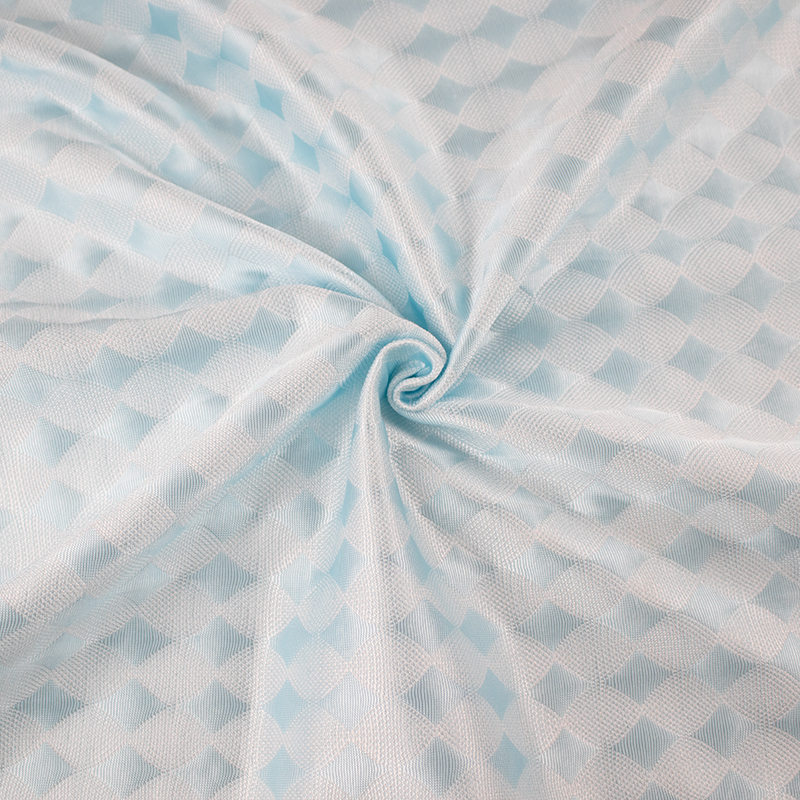
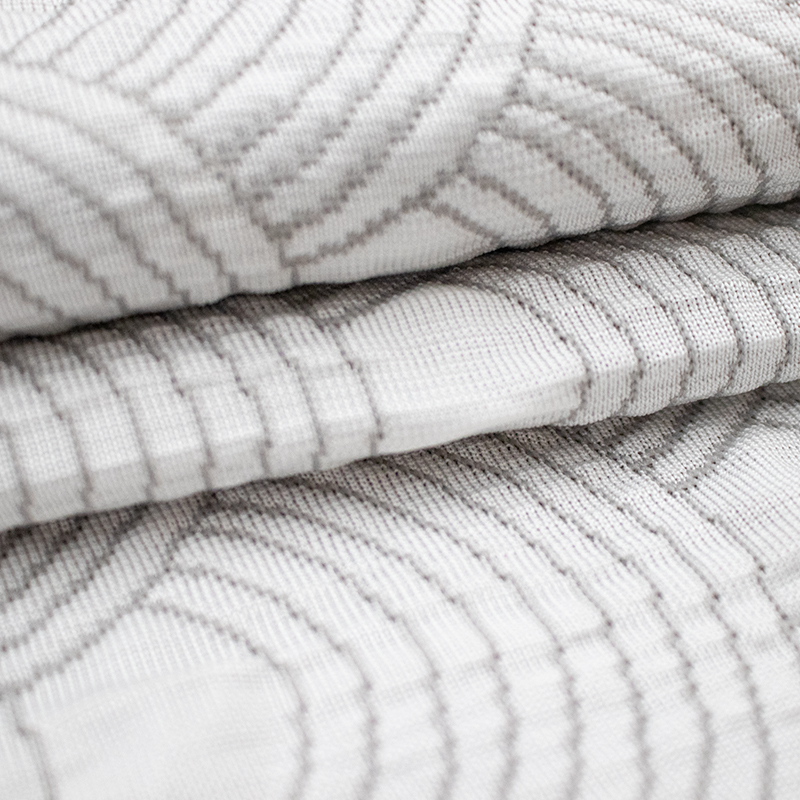
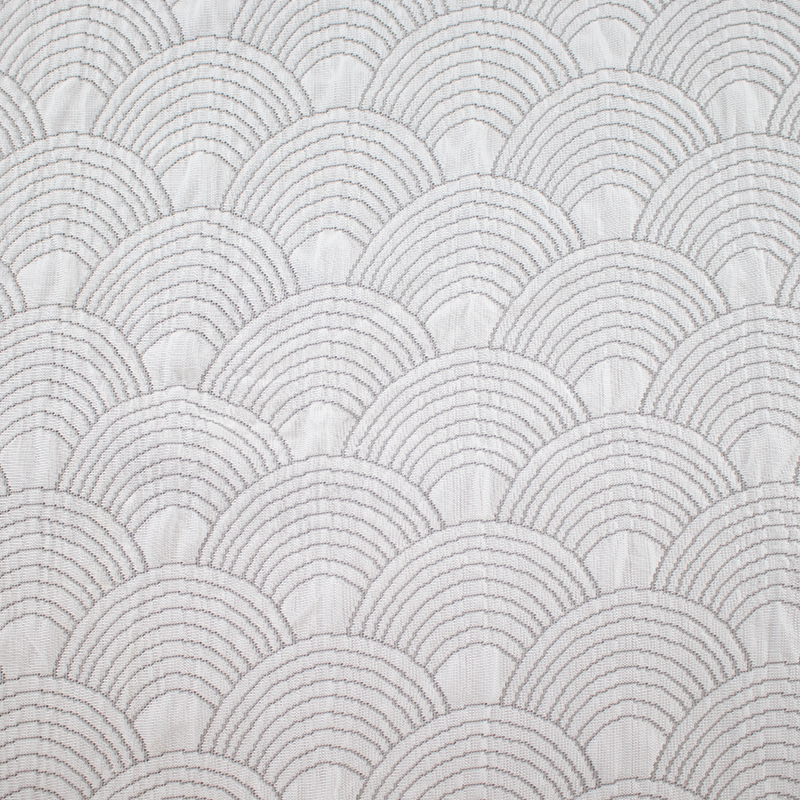
Tencel, a material found in knitted air-layer fabrics, is specifically tailored for home textile applications. In children's mattresses, its non-irritating, antibacterial, and anti-mite properties protect children's delicate skin. In maternity pillows, the smooth touch of Tencel combined with the support of the air layer conforms to the curves of a pregnant woman's body, relieving pressure during pregnancy. In sofa covers, cushions, and other soft furnishings, Tencel air-layer fabric combines aesthetics and practicality, possessing a delicate sheen while being durable and easy to clean, meeting both aesthetic and functional needs in home furnishings.
Tencel air conditioning quilt fabric is a textile material primarily composed of Tencel (lyocell fiber). Tencel fiber is derived from wood sourced from sustainably managed forests and produced through an environmentally friendly solvent spinning process. This fabric combines the natural properties of Tencel fiber with the practical requirements of air conditioning quilts, focusing on providing appropriate breathability and body temperature regulation. Its structure is typically treated with specific processes to balance lightness and coverage, making it suitable for use in temperature-sensitive environments.
Core Advantages
● Breathability and Moisture Management: The porous structure of Tencel fiber effectively absorbs and releases moisture, maintaining dryness during sleep.
● Temperature Adaptability: The fabric's thermal conductivity helps reduce the sensation of temperature difference between the body and the environment in air-conditioned settings.
● Renewable Material Source: Tencel is produced from sustainable wood pulp, and its manufacturing process adheres to environmental standards.
● Surface Smoothness: The smooth fiber surface reduces friction against the skin.
● Color Fastness and Durability: After dyeing and finishing, the fabric retains color well and withstands routine washing.
Product Features
● Composition: Mainly Tencel (lyocell fiber), with possible blending of small amounts of other fibers to enhance functionality.
● Weight and Thickness: Light to medium weight, suitable for summer or air-conditioned rooms.
● Weave Structure: Typically plain or twill weave, offering stability and good breathability.
● Hand Feel: Soft and smooth with a slightly cool touch.
● Finishing Processes: May include wrinkle resistance, antibacterial, or easy-care treatments to improve practicality.
Application Scenarios
● Household Air Conditioning Quilts: Used as the outer fabric for air conditioning quilts in bedrooms, living rooms, and other indoor spaces.
● Hotel Linens: For summer-weight quilts or bedding in air-conditioned hotel rooms.
● Versatile Home Textiles: Can be extended to lightweight bedspreads or sofa throws.
● Travel Bedding: Suitable for portable air conditioning quilts or lightweight travel blankets.
Related Parameters
● Composition Ratio: 100% Tencel, or Tencel blends (e.g., 90% Tencel/10% cotton).
● Weight Range: Approximately 120-160 g/m².
● Fabric Density: Warp density × weft density (e.g., 200×120 threads per inch).
● Fabric Width: Standard widths of 150 cm or 220 cm.
● Dyeing Process: Reactive dyeing, compliant with ecological textile standards (e.g., Oeko-Tex Standard 100).
● Washing Recommendation: Machine wash at low temperatures, avoid prolonged soaking, and iron at medium heat.
Usage and Storage Tips
● Use neutral detergents for washing to minimize fiber damage.
● Avoid high-temperature drying to maintain fabric dimensional stability.
● Store in a dry environment and avoid prolonged exposure to strong light.
● Gentle washing before first use is recommended to enhance fabric feel.
We Create Safe, Healthy and Comfortable Living Spaces Through Innovative Technology.
Hangzhou Xinsili Decorative Fabric Weaving Co.,Ltd. specializes in the innovative research, development, and precision manufacturing of decorative textiles.
We are China Tencel Bedding Fabric Manufacturers and Custom Tencel Bedding Fabric Factory, Exporter.
Guided by the vision of "Weaving Beautiful Spaces," we are committed to delivering high-quality, environmentally friendly decorative solutions to global clients through our stable and practical fabric products. Upholding the corporate values of "Craftsmanship-Driven Manufacturing, Design Innovation, and Win-Win Collaboration," we empower design through technological advancement and build trust with steady and reliable quality, striving to become a trusted partner in the decorative textiles industry.
Years of Industry Experience
Factory Area
Number of Employees
Annual Output
Export Volume
Provide you with the latest enterprise and industry news
Read MoreTencel bedding fabric has become increasingly popular in recent years, with more consumers turning to this material for its reputed benefits in managing night sweats and allergies.
Tencel, also known as lyocell, is a type of fabric made from sustainably sourced wood pulp, usually from eucalyptus trees. It's produced in a closed-loop process, meaning most of the chemicals used in production are recycled and reused, making it an eco-friendly option. The fabric is soft, breathable, and moisture-wicking, making it ideal for bedding.
Unlike other materials such as cotton or polyester, Tencel has unique properties that set it apart in terms of comfort, skin benefits, and sustainability. In the next sections, we'll dive into these attributes and explore how Tencel may contribute to preventing night sweats and allergies.
1. Breathability and Moisture-Wicking Properties
Night sweats occur when the body overproduces sweat while sleeping, often leading to discomfort and poor-quality sleep. Traditional bedding fabrics like cotton and polyester may trap moisture, creating a sticky or clammy feeling that exacerbates night sweats.
Tencel, however, excels in its breathability. It absorbs moisture from the body and releases it into the air, which helps to keep you cool and dry throughout the night. This moisture-wicking property is due to the microscopic structure of the fibers, which allow for efficient moisture absorption without retaining it, unlike cotton which can become saturated.
2. Thermal Regulation
The fabric's natural properties also contribute to temperature regulation. Tencel fibers are designed to absorb and release moisture according to body temperature. As the body heats up, the fabric draws moisture away, keeping you cooler and preventing excessive sweating. This dynamic response to temperature makes Tencel bedding ideal for individuals prone to night sweats.
1. Hypoallergenic Properties
Many people who suffer from allergies experience skin irritation, rashes, or respiratory issues triggered by allergens like dust mites, mold, and pet dander. Traditional bedding materials, such as cotton, can often harbor allergens, creating an environment conducive to allergy flare-ups.
Tencel is naturally hypoallergenic, meaning it is less likely to cause an allergic reaction. The moisture-wicking properties of Tencel also help to reduce the growth of bacteria and fungi that can trigger allergies. Additionally, Tencel's smooth, round fibers don't irritate the skin, which makes it an excellent choice for those with sensitive skin or those prone to allergic reactions.
2. Antibacterial Benefits
Another key feature of Tencel is its antibacterial properties, which are enhanced by the moisture-regulating abilities of the fabric. Unlike cotton, which can absorb moisture and promote bacterial growth, Tencel fabric resists this process. This antibacterial function reduces the presence of allergens, such as dust mites and bacteria, in the bedding, ultimately creating a cleaner, healthier sleep environment.
| Fabric Type | Moisture-Wicking | Breathability | Hypoallergenic | Thermal Regulation | Antibacterial Properties |
|---|---|---|---|---|---|
| Tencel | Excellent | High | Yes | Dynamic, Self-Regulating | Yes |
| Cotton | Moderate | Moderate | No | Limited | No |
| Polyester | Low | Low | No | Limited | No |
| Silk | Moderate | High | Yes | Moderate | Moderate |
Tencel vs Cotton: While cotton is a popular fabric for bedding, it doesn't match Tencel in terms of moisture-wicking ability and breathability. Cotton retains moisture, which can exacerbate night sweats, while Tencel efficiently pulls moisture away from the skin. Moreover, cotton bedding can harbor allergens, whereas Tencel's hypoallergenic nature helps prevent skin irritation and allergic reactions.
Tencel vs Polyester: Polyester, often used in lower-cost bedding, is not as breathable or moisture-wicking as Tencel. Polyester can trap heat and moisture, making it less ideal for people who suffer from night sweats. Additionally, it lacks the antibacterial properties that make Tencel a healthier option for allergy sufferers.
Tencel vs Silk: Silk is another natural fabric known for its smooth texture and hypoallergenic qualities. However, it doesn't offer the same level of moisture-wicking or thermal regulation as Tencel. Tencel's more robust moisture management makes it a better choice for preventing night sweats.
Tencel bedding fabric not only excels in comfort but also provides several benefits for individuals who struggle with night sweats or allergies. The fabric's ability to regulate body temperature, wick away moisture, and resist bacteria makes it the ideal choice for creating a healthier sleep environment.
Hangzhou Xinsili Decorative Fabric Weaving Co.,Ltd. is a company that specializes in providing high-quality functional decorative fabrics, including Tencel, for home, hotel, and commercial spaces. Through innovation and rigorous quality control, the company ensures that its products, including bedding, meet high standards of performance and aesthetic appeal. With a focus on sustainability and eco-friendly practices, Xinsili continues to lead the way in offering textiles that enhance comfort while being mindful of the environment.
1. Is Tencel bedding fabric suitable for people with sensitive skin?
Yes, Tencel is hypoallergenic and gentle on the skin, making it an excellent choice for those with sensitive skin or conditions like eczema.
2. How does Tencel compare to cotton in terms of moisture-wicking?
Tencel outperforms cotton in moisture-wicking. While cotton can absorb moisture, it tends to retain it, whereas Tencel pulls moisture away from the body and releases it into the air, keeping you dry.
3. Can Tencel help with night sweats?
Yes, Tencel's breathable and moisture-wicking properties help regulate body temperature and prevent the discomfort associated with night sweats.
4. Is Tencel eco-friendly?
Yes, Tencel is made from sustainably sourced wood pulp and produced in a closed-loop process, making it an environmentally friendly choice.
5. How do I care for Tencel bedding?
Tencel bedding is easy to care for. It can be machine washed on a gentle cycle, and it's best to air dry or tumble dry on a low setting to preserve the fabric's softness and longevity.
Yi qiao Town, Xiaoshan District, Hangzhou City, Zhejiang Province, China