

 English
 中文简体
中文简体 Español
 عربى
عربى русский

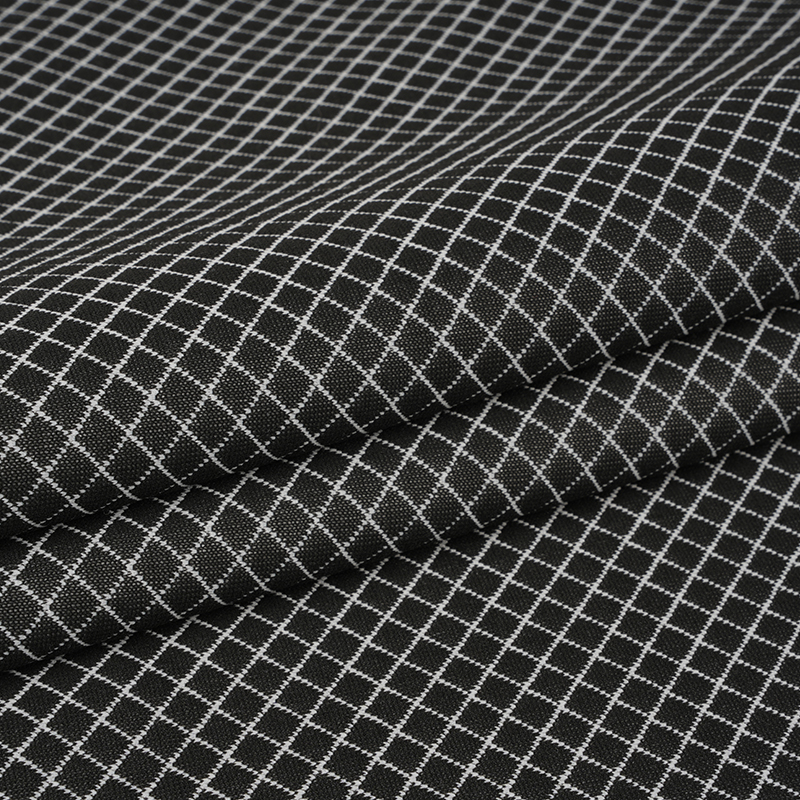
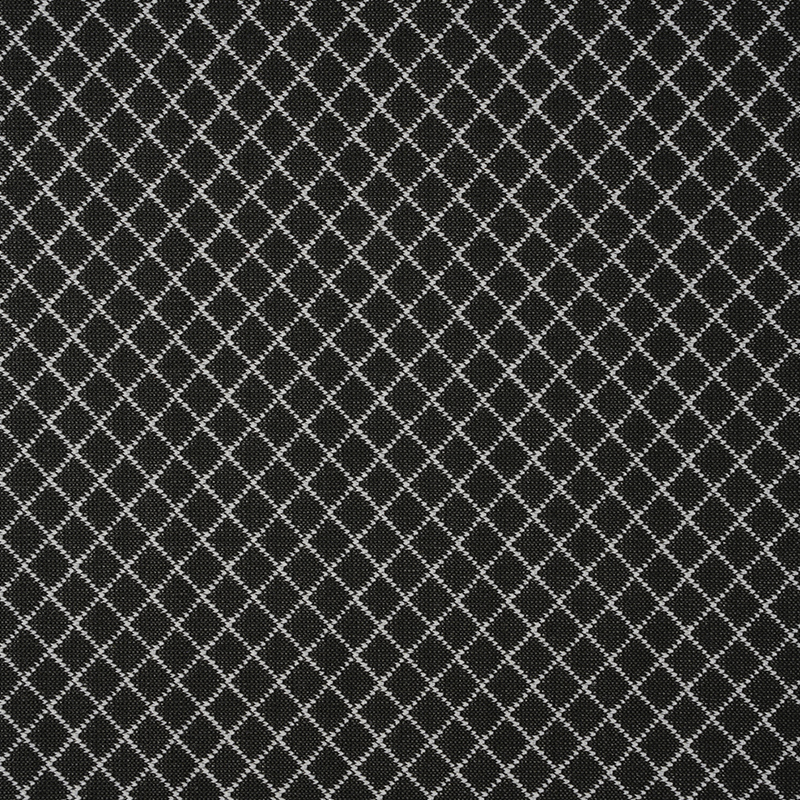
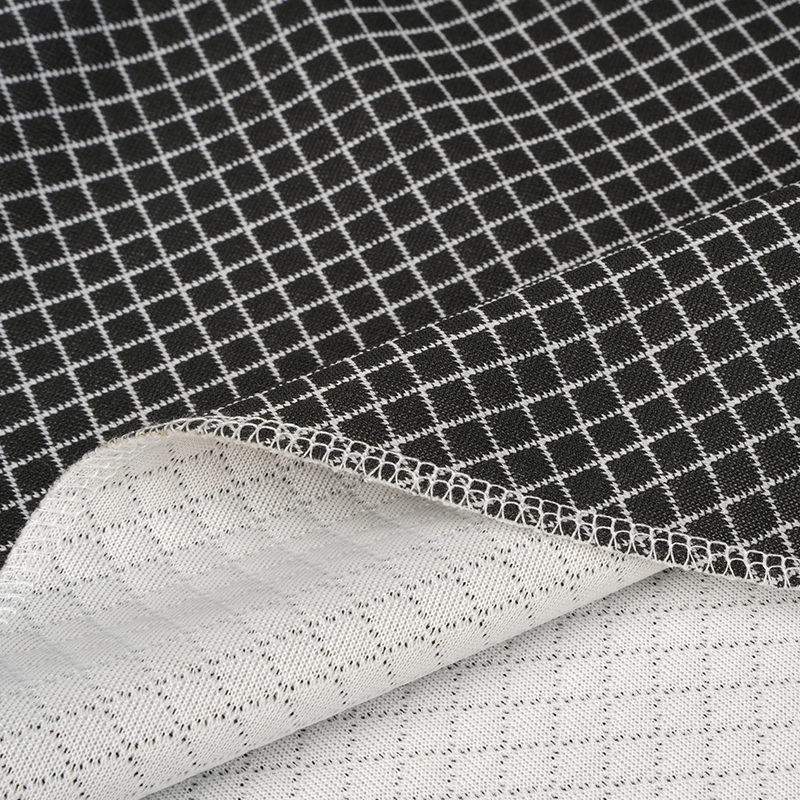

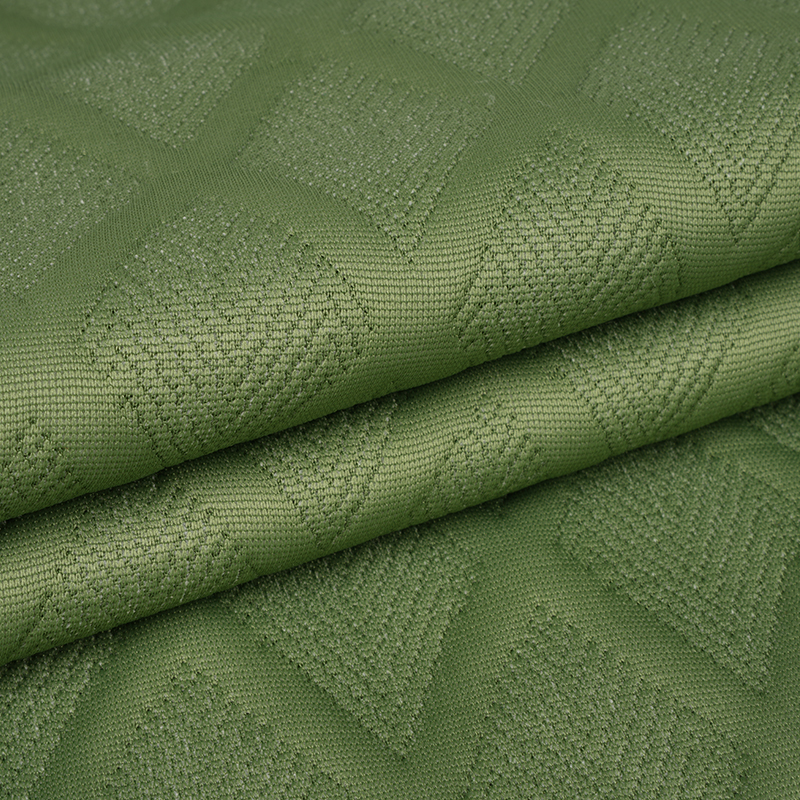
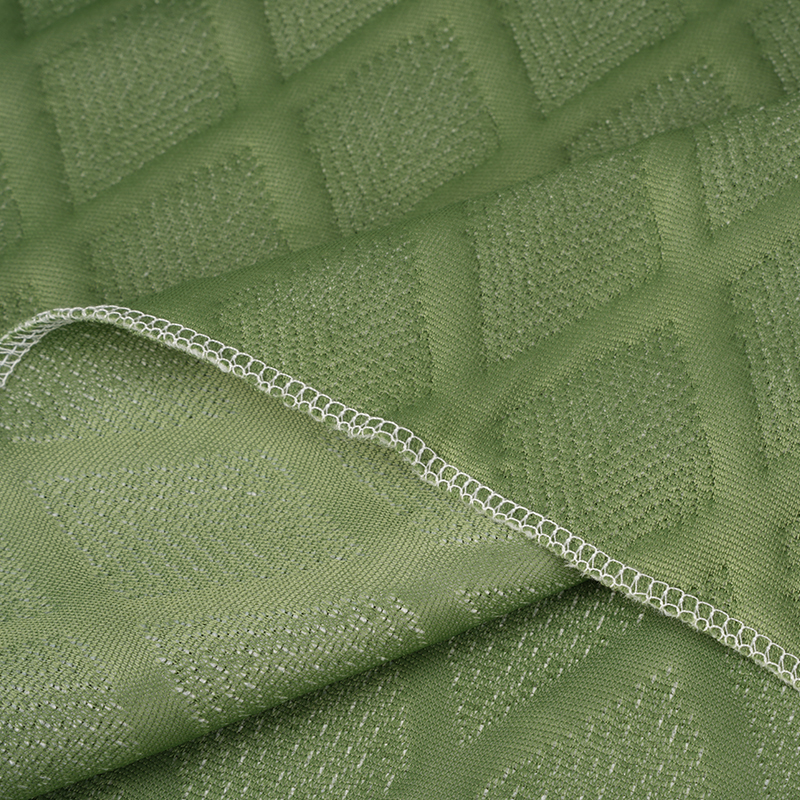
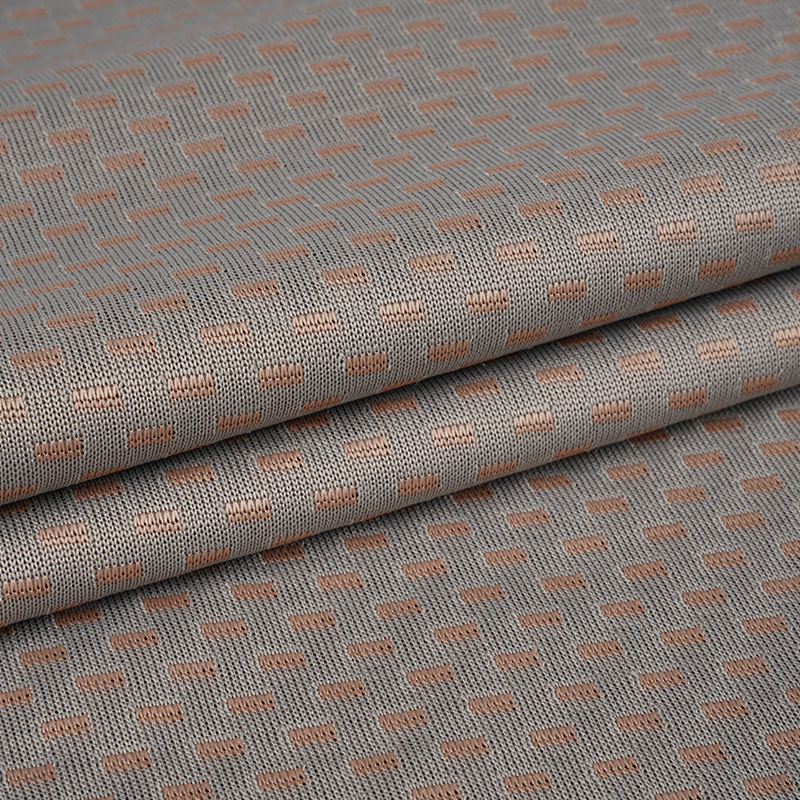
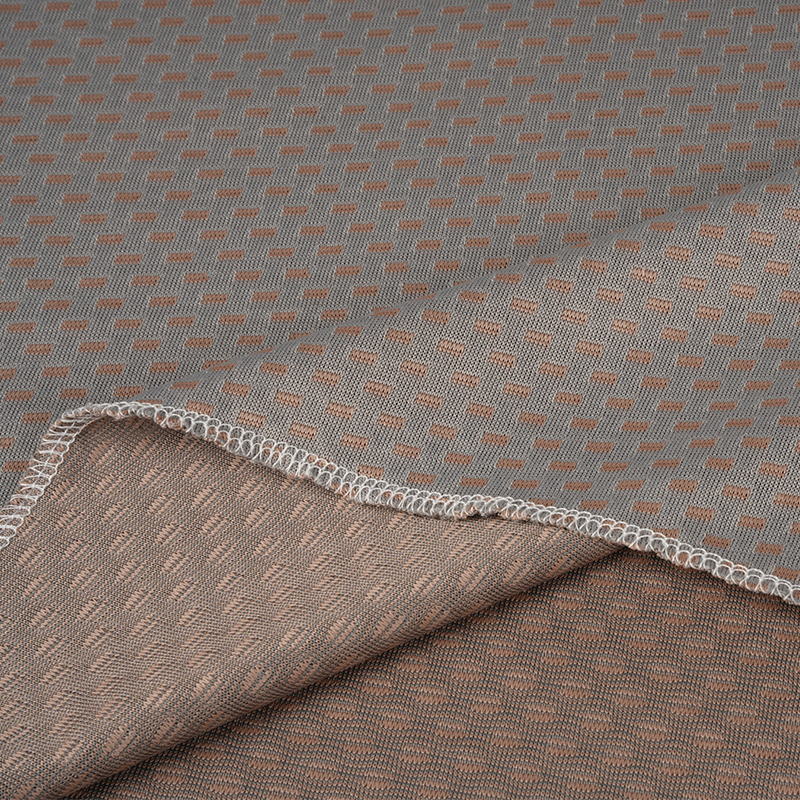
Tencel fibers possess the physical properties of being long, smooth, and having a circular cross-section. When applied to knitted air-layer fabrics, they can perfectly integrate into the three-layer weave structure of "outer layer - air layer - bottom layer." The smoothness of its fibers reduces internal fiber friction, making the three-dimensional structure of the air-layer fabric less prone to collapse and deformation. At the same time, the high strength of Tencel material enhances the tensile strength of the air-layer fabric, maintaining its fluffiness and integrity even under long-term stress (such as repeated compression from mattresses and pillowcases).
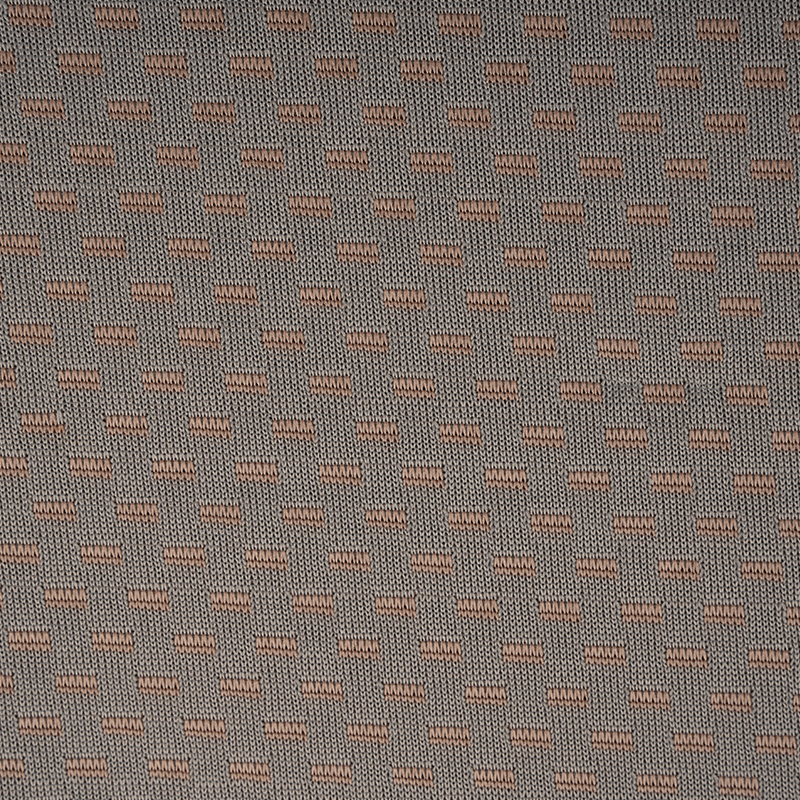
Tencel children's mattress fabric is a knitted fabric specifically developed for children's sleep environments. Its core component is Tencel (Lyocell) fiber sourced from renewable wood pulp. Through fine spinning and weaving processes, this fabric features a smooth surface and a tightly constructed texture. Its production employs an environmentally friendly physical spinning technology with a high solvent recovery rate, resulting in a final fabric free from residual harmful chemicals. The design of this fabric focuses on meeting the safety and comfort requirements of children's delicate skin in contact with materials, while also considering the durability needed for mattress covers and the convenience of daily maintenance.
Core Advantages
● Eco-Safety: Raw materials come from sustainably managed forests. The production process is environmentally sound, and the final product is free of irritants, complying with children's product safety standards.
● Natural Skin-Friendly Feel: Possesses a smoothness akin to silk and the softness of cotton, offering a gentle touch that is friendly to children's skin.
● Moisture Management: The fibers offer good moisture absorption and breathability, helping to quickly absorb and dissipate nighttime perspiration to maintain a dry sleep surface.
● Structural Stability: The fabric features low shrinkage and strong pilling resistance, maintaining its appearance and dimensional stability after multiple washes.
Product Characteristics
● Material Composition: The main component is Tencel (Lyocell) fiber. May be blended with cotton fiber to optimize performance and cost.
● Weaving Process: Utilizes high-count, high-density knitting technology, resulting in a clean, fine, and clear-textured surface.
● Physical Properties: Offers certain stretch recovery, allowing it to fit well with mattress cores.
● Color Fastness: Dyed with eco-friendly reactive dyes, with wash-fastness meeting industry standards.
Application Scenarios
Primarily used as the surface covering fabric for children's mattresses with high requirements for safety and comfort. Suitable for:
● Children's household mattresses
● Sleep products for kindergartens and childcare facilities
● Surface layer of children's room tatami mats
● High-end crib mattresses
Parameters & Notes
● Common Weight: 180-220 GSM (varies by design).
● Recommended Care: Machine washable. Use neutral detergent, gentle cycle with cold water. Avoid prolonged soaking and vigorous rubbing. Hang to dry in shade or iron at low to medium temperature.
● Storage Conditions: Store in a dry, ventilated, and dark place. Avoid storage with sharp objects to prevent snagging.
● Usage Notes: Although the fabric has good moisture absorption, regular airing of the mattress is still recommended for overall hygiene. Using a mattress protector can help extend the fabric's service life.
We Create Safe, Healthy and Comfortable Living Spaces Through Innovative Technology.
Hangzhou Xinsili Decorative Fabric Weaving Co.,Ltd. specializes in the innovative research, development, and precision manufacturing of decorative textiles.
We are China Tencel Children Mattress Fabric Manufacturers and Custom Tencel Children Mattress Fabric Factory, Exporter.
Guided by the vision of "Weaving Beautiful Spaces," we are committed to delivering high-quality, environmentally friendly decorative solutions to global clients through our stable and practical fabric products. Upholding the corporate values of "Craftsmanship-Driven Manufacturing, Design Innovation, and Win-Win Collaboration," we empower design through technological advancement and build trust with steady and reliable quality, striving to become a trusted partner in the decorative textiles industry.
Years of Industry Experience
Factory Area
Number of Employees
Annual Output
Export Volume
Provide you with the latest enterprise and industry news
Read MoreTencel's distinction from conventional cellulosics lies in its fibrillar architecture—nanoscale fibril alignment creates longitudinal channels that function as capillary systems, moving moisture along fiber length rather than trapping it at skin interfaces. For children, whose sweat response patterns differ significantly from adults (higher gland density, earlier onset of sweating relative to core temperature rise), this structural property translates to 50% faster moisture spreading compared to cotton equivalents.
The lyocell production process, specifically the N-methylmorpholine N-oxide (NMMO) solvent system, yields fibers with exceptionally smooth surface topography. This matters for juvenile skin contact: surface roughness values below 0.2 μm Ra reduce mechanical irritation during the extended contact periods typical of sleep. Hangzhou Xinsili Decorative Fabric Weaving Co.,Ltd. leverages this inherent smoothness to minimize friction-related skin stress in sensitive pediatric populations.
What remains underappreciated is the relationship between fiber crystallinity and moisture management. Tencel's intermediate crystallinity—between the highly crystalline structure of cotton and the amorphous regions of viscose—creates a balance where moisture absorption (12-13% regain at standard conditions) occurs without the dimensional swelling that compromises fabric stability. This equilibrium prevents the "damp cling" sensation that disrupts sleep continuity in humid environments.
The environmental narrative surrounding Tencel often conflates process chemistry with end-product characteristics. The critical differentiator is solvent recovery: the lyocell process achieves 99.5%+ NMMO recycling through closed-loop filtration and distillation systems, but this efficiency depends entirely on manufacturing scale and equipment vintage. Smaller operations may achieve substantially lower recovery rates despite using the same base chemistry.
Biodegradability claims require qualification. While pure cellulosic fibers degrade in soil and marine environments, finishing agents—softeners, antimicrobial treatments, and dyes—can inhibit biological breakdown. Unfinished Tencel demonstrates complete biodegradation within 8 weeks in composting conditions, but commercial mattress fabrics with functional coatings may extend this timeline significantly. The "biodegradable" label therefore describes fiber potential rather than finished product behavior.
Carbon footprint analysis reveals counterintuitive patterns. Despite the energy-intensive solvent recovery systems, Tencel's life cycle assessments often show lower greenhouse gas emissions than cotton when accounting for agricultural inputs. However, this advantage diminishes when comparing to rain-fed, low-input cotton systems versus lyocell produced in regions with carbon-intensive electricity grids. Hangzhou Xinsili Decorative Fabric Weaving Co.,Ltd. sources lyocell fiber from production facilities with verified renewable energy integration to maintain this environmental advantage.
Cellulosic fibers traditionally suffer from wet-strength limitations that constrain their use in mattress applications where liquid exposure (spills, accidents, cleaning) is probable. Tencel's wet strength—retaining 85-90% of dry tensile strength—represents a substantial improvement over viscose (40-50% retention) and approaches cotton performance. This property derives from extended molecular chain orientation during the spinning process, where shear alignment in the air gap before coagulation creates load-bearing crystalline regions.
For Tencel Children Mattress Fabric, the critical failure mode isn't tensile rupture but rather abrasion-induced surface degradation. Children's mattresses experience concentrated abrasive contact from knees, elbows, and feet during climbing and play activities. Fabric constructions that position Tencel in the surface pile with supporting synthetic filament cores achieve abrasion resistance exceeding 40,000 Martindale cycles while preserving the tactile properties that justify the material premium.
Dimensional stability under cyclic humidity presents another engineering challenge. Cellulosic fibers swell and contract with moisture changes, creating stress at yarn crossover points that manifests as puckering or seam slippage. Blending strategies—incorporating 15-30% high-modulus polyester or polyamide filaments—restrict this dimensional variability without compromising the moisture management that motivates Tencel selection. The blend ratio represents a compromise: sufficient synthetic content for stability, minimal enough to maintain biodegradability certification.
The "hypoallergenic" designation for Tencel rests on two distinct mechanisms: the fiber's inherent moisture management that prevents the humid microenvironments where dust mites proliferate, and the smooth surface topography that reduces protein adhesion. Dust mites require relative humidity above 70% at the microclimate level for water vapor uptake through their hygroscopic glands; Tencel's rapid moisture dispersion maintains surface humidity below this threshold even when ambient conditions would otherwise support mite populations.
Bacterial growth inhibition operates through a different pathway. Unlike synthetic fibers treated with biocidal agents, Tencel's moisture absorption creates a less favorable environment for bacterial colonization by limiting available water activity. This physical mechanism, while less aggressive than chemical antimicrobials, avoids the selective pressure that drives resistant strain development. For pediatric applications where immune systems are developing, this passive approach to microbial management aligns with emerging concerns about antimicrobial overexposure.
Surface chemistry modifications can enhance these properties without compromising biodegradability. Plasma-induced surface oxidation increases hydrophilicity and creates micro-roughness that further reduces biofilm formation. These treatments, applied to Tencel Children Mattress Fabric during finishing stages, represent a chemical-free approach to performance enhancement that maintains the environmental credentials central to the material's value proposition. Hangzhou Xinsili Decorative Fabric Weaving Co.,Ltd. integrates these surface engineering protocols to deliver textile solutions that align with both functional requirements and ecological responsibility.
Yi qiao Town, Xiaoshan District, Hangzhou City, Zhejiang Province, China
