

 English
 中文简体
中文简体 Español
 عربى
عربى русский


What Makes the Best Mattress Material Fabric?
Content
- 1 Key Categories of Sleep Surface Textiles
- 2 How to Evaluate Cooling Mattress Fabric Technologies
- 3 Essential Durability Testing Methods for Upholstery Textiles
- 4 Understanding Organic and Natural Fiber Options
- 5 The Role of Fire Retardant Standards
- 6 Breathability and Moisture Management
- 7 Conclusion
- 8 Frequently Asked Questions
- 9 References
The selection of a suitable Mattress Material Fabric plays a critical role in the overall performance of a sleep product. Wholesale buyers and procurement engineers must evaluate textile specifications carefully. The outer layer directly influences thermal regulation, physical durability, and end-user comfort. We will explore the technical aspects of mattress textiles to help you make informed sourcing decisions for your manufacturing lines.
Key Categories of Sleep Surface Textiles
Manufacturers utilize several primary textile constructions for sleep surfaces. The choice depends on the intended mattress price point and specific performance requirements. Procurement teams must understand the structural differences between these options. They must also understand how these structures interact with inner foam layers.
Woven vs. Knitted Structures
Engineers typically choose between woven and knitted constructions for mattress ticking. Woven textiles offer high dimensional stability. They resist stretching under heavy loads. This stability makes them ideal for tight-top mattress designs. Knitted textiles provide superior stretch and recovery. This stretch allows the fabric to conform to underlying foam layers without tearing during compression. The knitting process also creates small air pockets that enhance thermal regulation.
Performance Comparison of Structures
We compare the mechanical properties of woven and knitted textiles below. These metrics matter greatly for bulk purchasing specifications.
| Property | Woven Textiles | Knitted Textiles |
| Tensile Strength | High | Moderate |
| Elongation at Break | Low (3-5%) | High (25-50%) |
| Surface Texture | Smooth and tight | Soft and flexible |
| Production Speed | Moderate | High |
How to Evaluate Cooling Mattress Fabric Technologies
Thermal management is a top priority for modern sleep products. Cooling mattress fabric technologies rely on specific yarn engineering and chemical treatments. Buyers must look beyond marketing claims and examine the physical properties of the materials. True cooling requires rapid heat dissipation and efficient moisture evaporation.
Yarn-Level Heat Dissipation
Some manufacturers use cross-section modified synthetic yarns. These yarns feature multiple channels that transport moisture away from the skin. The increased surface area accelerates the evaporation process. This evaporation removes latent heat from the sleep surface effectively. Procurement specialists should request detailed yarn cross-section diagrams from suppliers. They should verify the number of channels and the capillary action rate.
Phase Change Material Integration
Another method involves microencapsulated phase change materials. These microscopic capsules absorb body heat when the sleeper is hot. They release the stored heat when the ambient temperature drops. This passive thermal regulation requires no external power source. Engineers must evaluate the melting point of the phase change material. This melting point determines the optimal operating temperature range for the final mattress product.
Essential Durability Testing Methods for Upholstery Textiles
B2B buyers cannot rely solely on visual inspection. Mattress fabric durability testing methods provide quantifiable data for long-term performance. Engineers use standardized abrasion cycles to predict product lifespan accurately. A rigorous testing protocol prevents premature warranty claims and protects brand reputation.
- Martindale Abrasion Test: This method rubs the fabric against wool felt under a specific weight. The test counts the number of cycles until the fabric shows visible wear or a hole forms. Heavy-duty institutional mattresses require a minimum of 40,000 cycles.
- Wyzenbeek Test: This test uses a mechanical arm to rub the fabric back and forth. It evaluates resistance to double rubs. It is highly relevant for heavy-use commercial mattresses. A score of 30,000 double rubs indicates excellent durability.
- Tensile and Tear Strength: Engineers measure the force required to break the fabric or propagate a cut. High tear strength prevents damage during mattress assembly and transportation. It ensures the textile survives the quilting process without structural failure.
Understanding Organic and Natural Fiber Options
The market demand for sustainable products continues to grow rapidly. Organic cotton mattress covers represent a significant segment of this shift. Organic cotton eliminates synthetic pesticides from the agricultural process. This reduction in chemical inputs appeals to environmentally conscious consumers. However, procurement teams must verify certification documentation to avoid fraudulent claims.
Certification Requirements
Legitimate organic textiles require third-party certification. The Global Organic Textile Standard (GOTS) tracks the entire supply chain. It verifies organic fiber content, processing chemical restrictions, and fair labor practices. Buyers should request valid GOTS certificates before placing bulk orders. They must check the transaction certificates to ensure the specific batch numbers match the shipped goods.
The Role of Fire Retardant Standards
Safety regulations strictly govern the textile components of sleep products. Fire retardant mattress textile standards mandate specific flammability tests. Manufacturers must ensure their textiles pass these tests without relying on harmful chemical treatments. Modern engineering focuses on inherently flame-resistant fibers rather than topical chemical sprays.
Common Flammability Regulations
Regulatory frameworks differ by geographic region. We outline the primary testing protocols used in global markets.
| Regulation | Region | Test Method Description |
| 16 CFR 1633 | United States | Open flame test using two gas burners |
| BS 7177 | United Kingdom | Cigarette and match ignition tests |
| EN 597-1 | European Union | Smoldering cigarette and open flame test |
Engineers often use inherently flame-resistant fibers like modacrylic or specialized viscose to meet these standards. These fibers carbonize when exposed to flame. This charring process creates a physical barrier that prevents the spread of fire to the inner foam layers.
Breathability and Moisture Management
A healthy sleep environment requires efficient vapor transmission. Breathable mattress ticking materials allow water vapor to escape from the mattress core. This mechanism prevents the buildup of humidity inside the product. High humidity can lead to mold growth and structural degradation of foam layers. It also creates an uncomfortable microclimate for the sleeper.
Manufacturers measure breathability using the Moisture Vapor Transmission Rate (MVTR). A higher MVTR indicates better vapor permeability. Knitted structures and loose weaves generally exhibit higher MVTR values than tight woven textiles. Engineers must balance breathability with physical barrier properties to prevent dust mite penetration.
Conclusion
Selecting the right Mattress Material Fabric requires a deep understanding of textile engineering. Procurement professionals must evaluate structural mechanics, thermal properties, and regulatory compliance. By focusing on standardized testing and verified certifications, buyers can secure high-quality components for their mattress assemblies.
Frequently Asked Questions
What is the most durable fabric for a mattress?
Woven polyester blends typically offer the highest durability for mattress applications. They exhibit excellent tensile strength and resist pilling during extended use. Engineers often specify these textiles for high-traffic commercial environments like hotels and dormitories.
How do manufacturers make mattress fabrics cooling?
Manufacturers use multi-channel synthetic yarns to increase surface area and wick moisture. They also apply phase change material microcapsules to the textile surface. These materials absorb and release heat to regulate the sleep surface temperature actively without external power.
Are natural mattress covers as durable as synthetic ones?
Natural fibers like organic cotton generally have lower abrasion resistance than synthetic fibers. However, manufacturers can improve natural fiber durability by blending them with polyester. They can also use tight weave constructions during the manufacturing process to increase mechanical strength.
Why do fire retardant standards matter for mattress textiles?
Fire retardant standards ensure the mattress textile does not ignite quickly or spread flames. Compliance with these legal regulations protects end-users from severe fire hazards. Non-compliant products face immediate market withdrawal and significant financial penalties for the manufacturer.
References
- ASTM D4966 - Standard Test Method for Abrasion Resistance of Textile Fabrics by the Martindale Abrasion Tester Method.
- ASTM D3574 - Standard Test Methods for Flexible Cellular Materials (covers flammability testing protocols).
- Global Organic Textile Standard (GOTS) Version 6.0 - Criteria for organic fiber processing and certification.
- 16 CFR Part 1633 - Federal Standard for the Flammability of Mattress Sets.
- Textile Institute. (2015). Textile Engineering and Materials Science: Woven and Knitted Structure Analysis.
- ISO 11092 - Textiles: Physiological Effects: Measurement of Thermal and Water-Vapour Resistance.
Our Featured Products
-
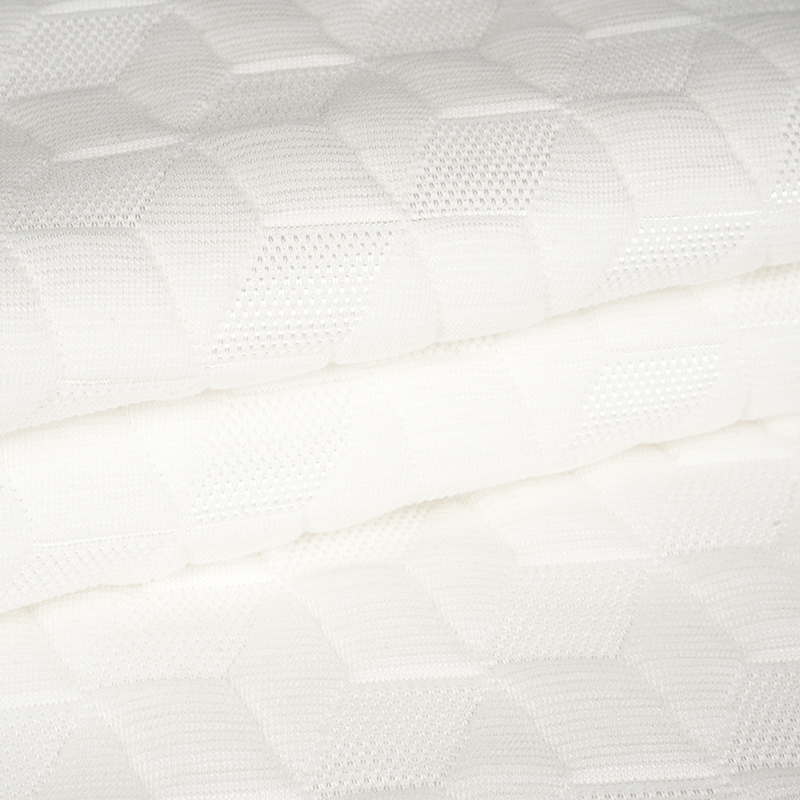
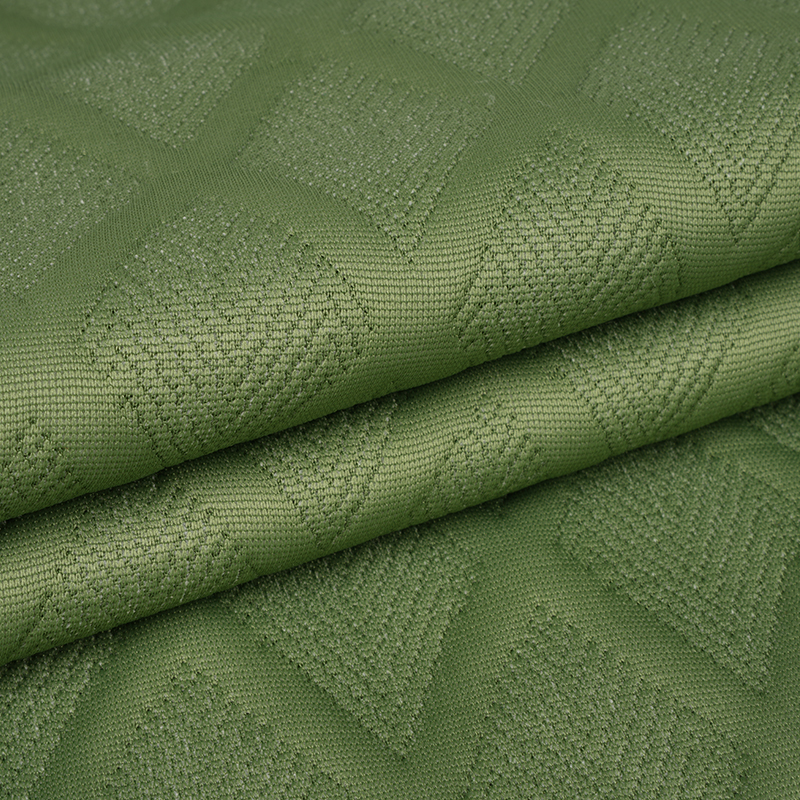
Polyester Mattress Fabric
Polyester Mattress Fabric
-
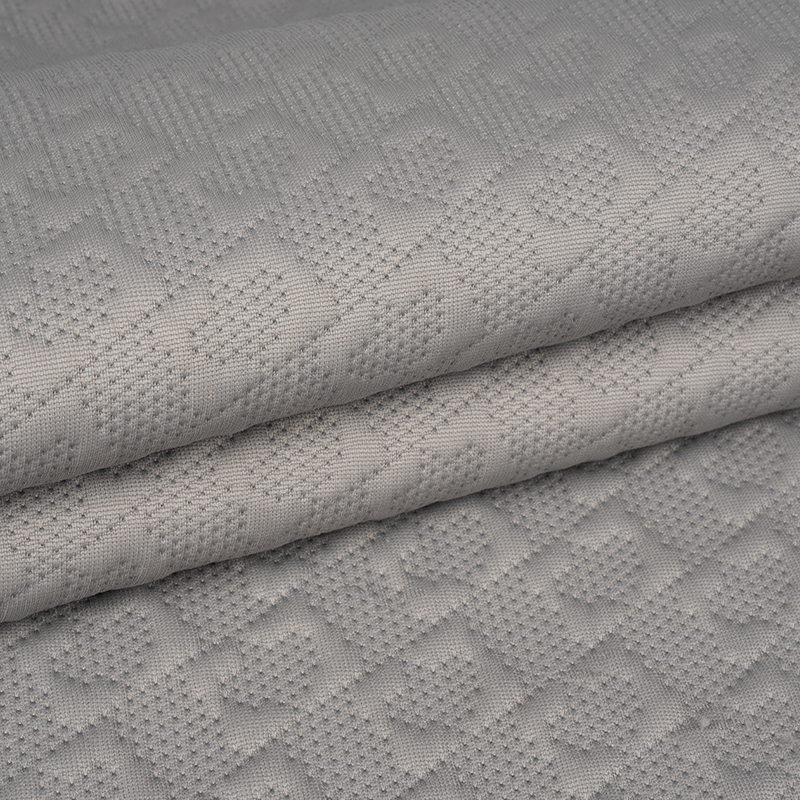
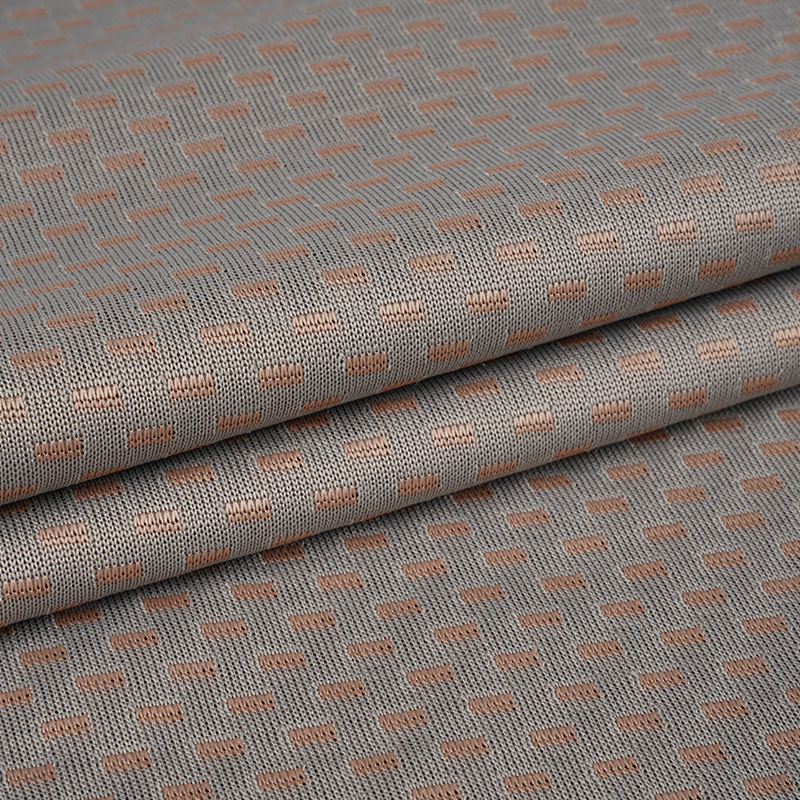
Antibacterial Yarn Children Mattress Fabric
Antibacterial Yarn Children Mattress Fabric
Haven’t Found The Products You Want?
-
-
Shen Jinyan:+86-15158070676
[email protected]
Liang Jinwen:+86-15757186621
[email protected]
Qiu Yingyingn:+86-13819545790
[email protected]
Yi qiao Town, Xiaoshan District, Hangzhou City, Zhejiang Province, China
-
Products
Mattress Fabric Children Mattress Fabric Pillowcase Fabric Pregnancy Pillow Fabric Cooling Mat Fabric Bedding Fabric Sofa Fabric Pet Friendly Fabrics -
Contact Information
About Us Products Strength Sustainability News Contact Us
Copyright © Hangzhou Xinsili Decorative Fabric Weaving Co.,Ltd. All Rights Reserved.
Functional Decorative Textile Manufacturers
