

 English
 中文简体
中文简体 Español
 عربى
عربى русский

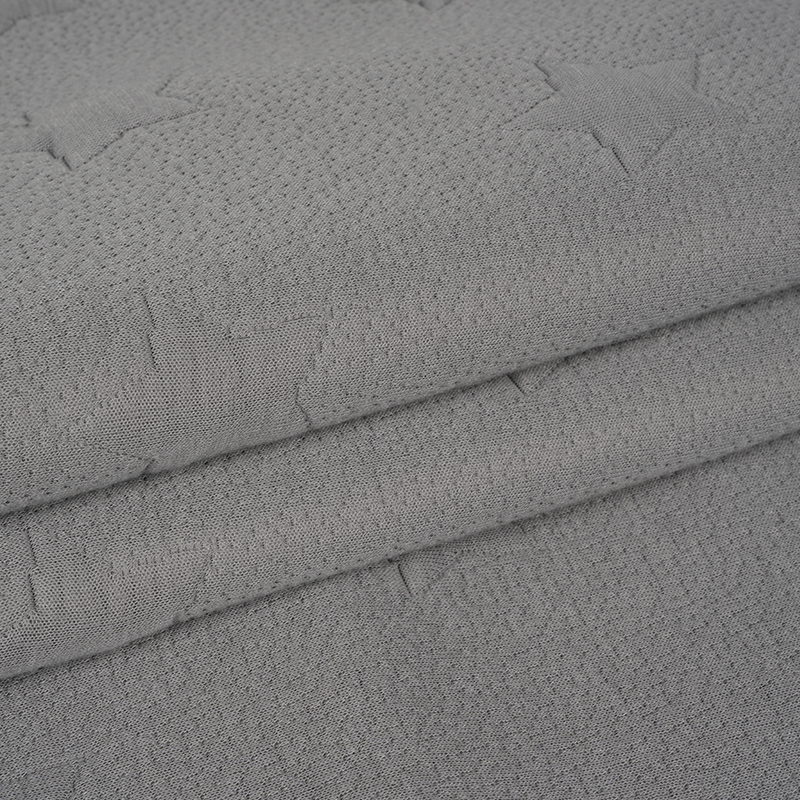
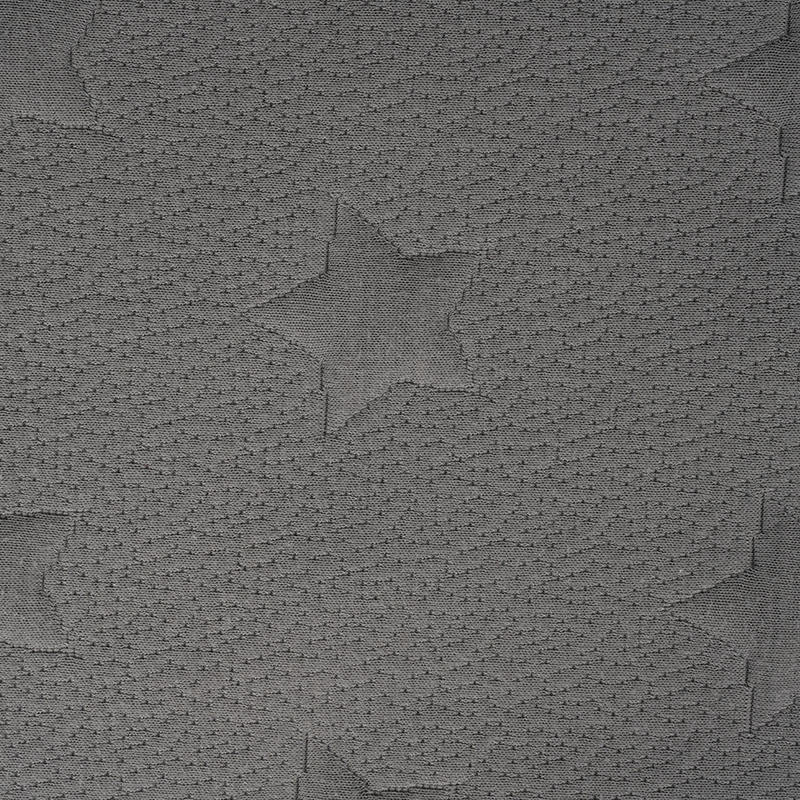
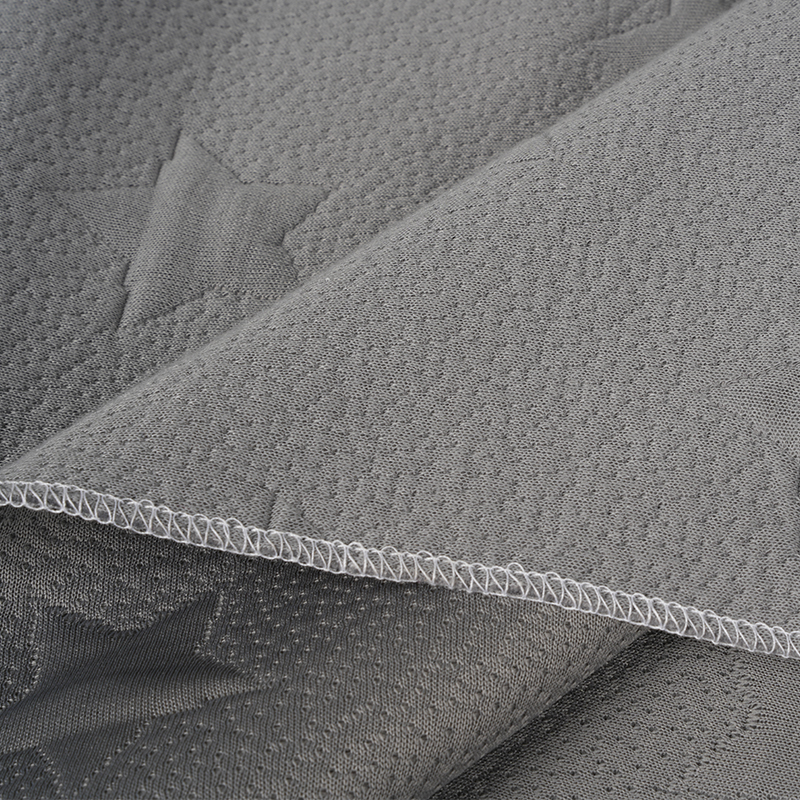

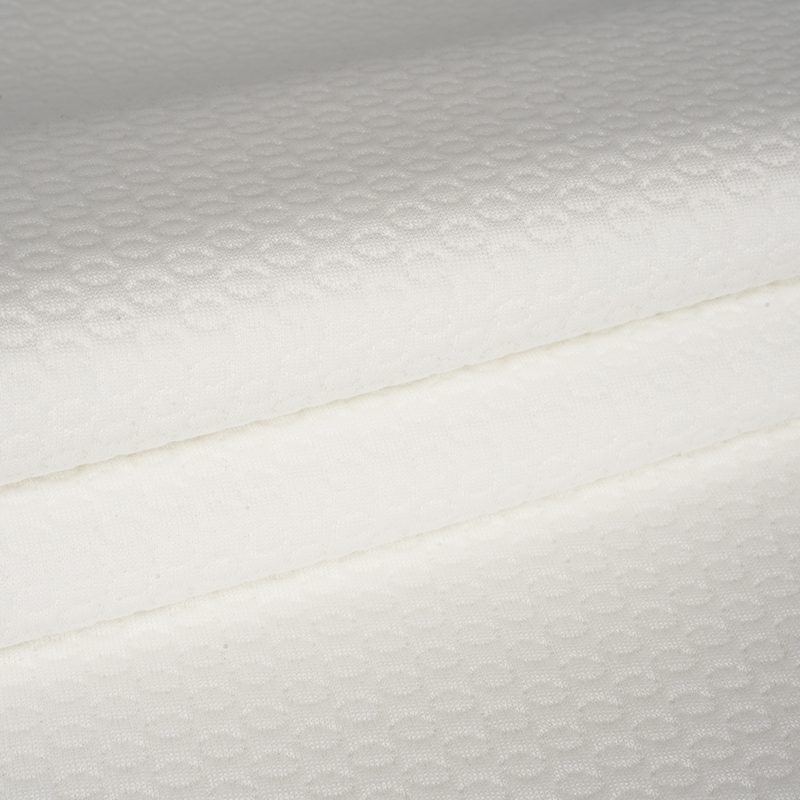
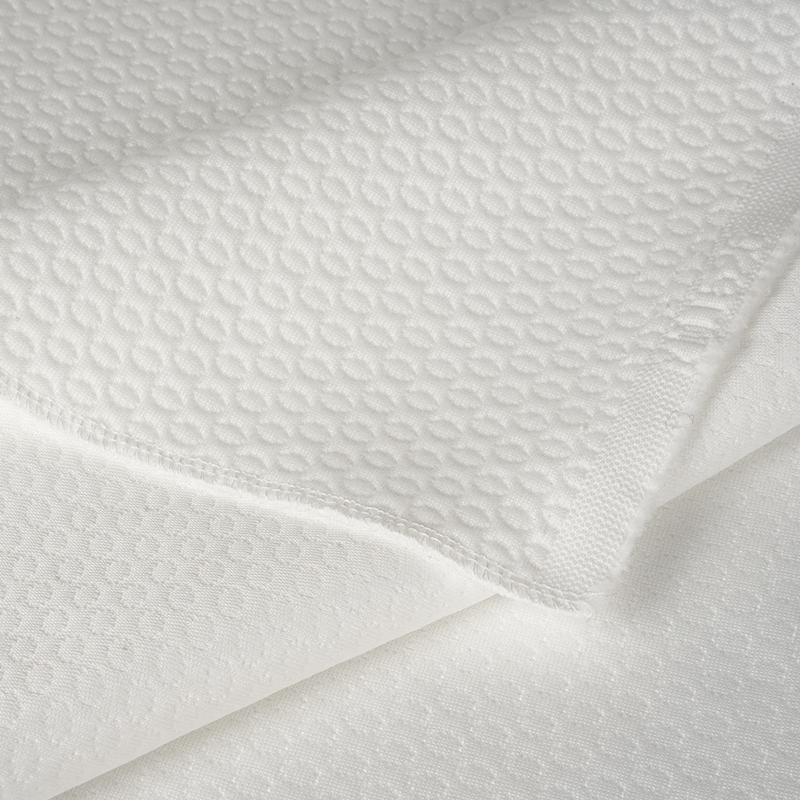
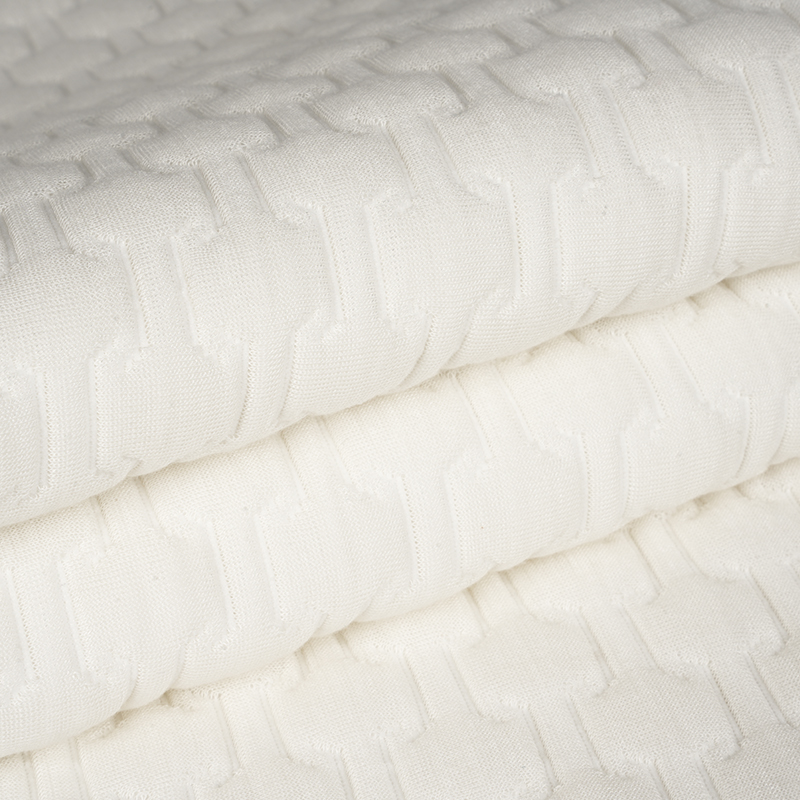
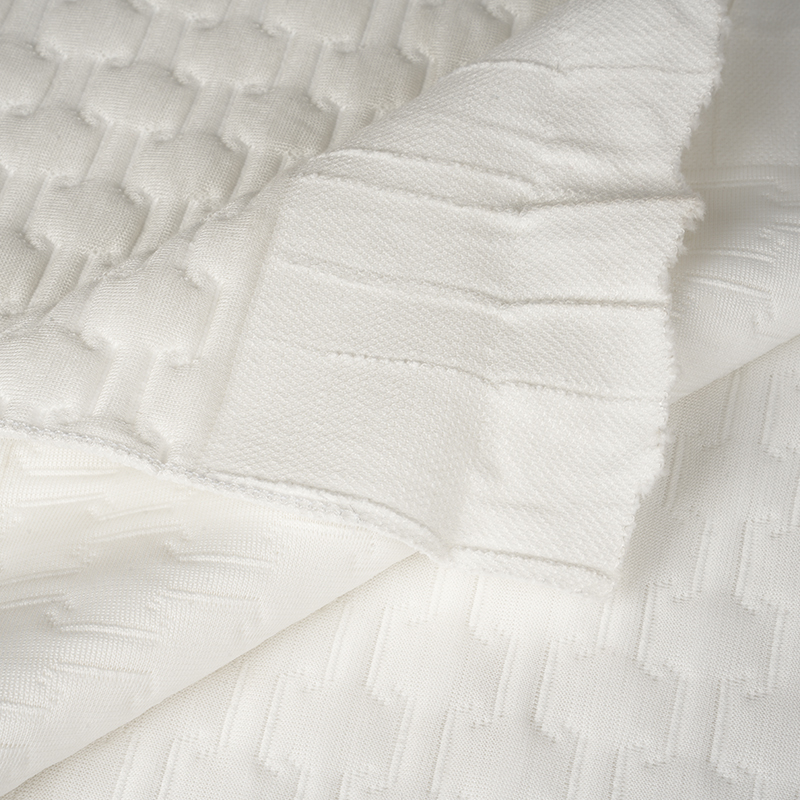
The graphene material in knitted air-layer fabrics uses graphene powder and carrier fibers such as polyester and nylon as core raw materials. Graphene sheets are evenly embedded into the fibers through a blending and spinning process, rather than being attached as a surface finishing agent. This combination integrates the functionality of graphene with the fiber, resulting in a fabric that can withstand more than 50 washes and is free of harmful substances such as formaldehyde and heavy metals, meeting the safety standards for mother-and-baby grade home textiles. In the weaving of air-layer fabrics, graphene composite fibers are often blended with spandex to balance functionality and fabric elasticity, making them suitable for various intimate home furnishing products.
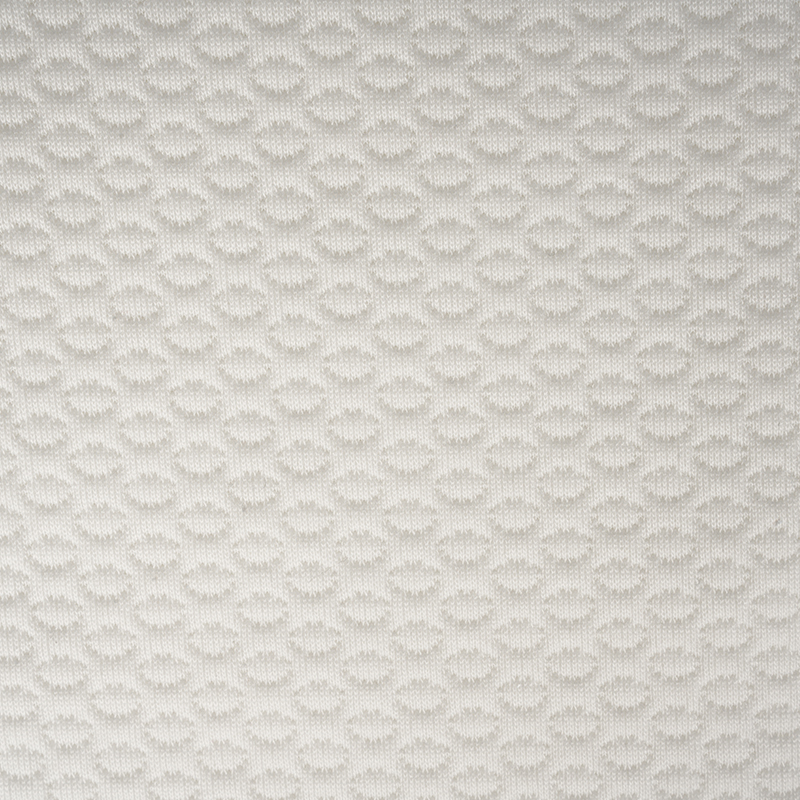
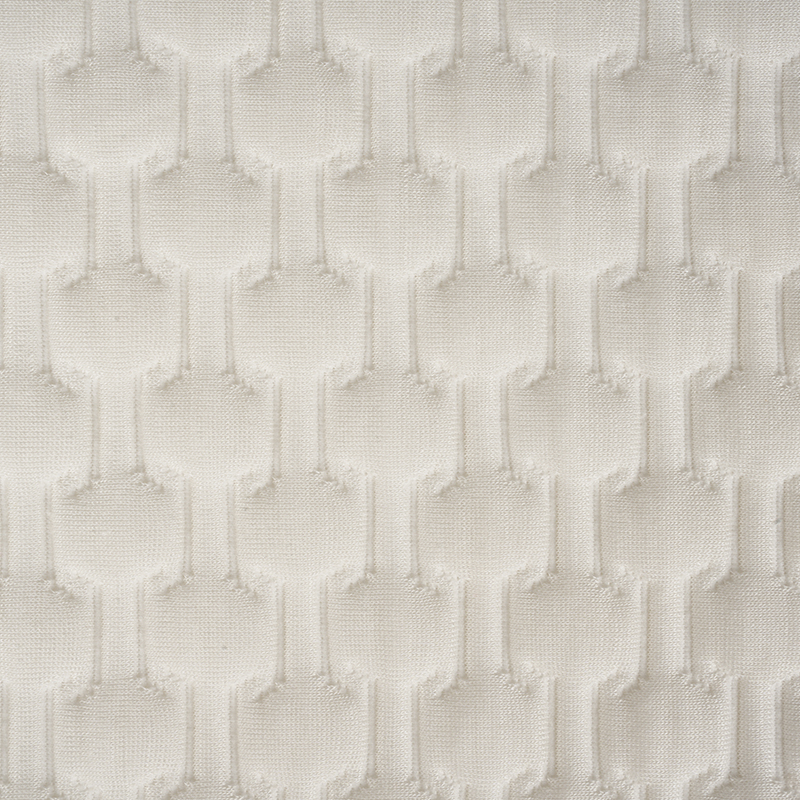
Graphene Mattress Fabric is an innovative functional textile material developed for modern mattress design. By integrating graphene materials with high-performance fibers, this fabric leverages the unique physical properties of graphene to enhance the physical performance of the sleep microenvironment. It is not a direct heating element but works by promoting heat conduction and dissipation, assisting in regulating the perceived temperature in the contact area and reducing localized heat accumulation. This fabric is suitable for use as the surface layer or interlayer of mattress products requiring specific environmental regulation.
Core Advantages
● Thermal Conduction Management: The two-dimensional crystal structure of graphene facilitates even heat conduction across the fabric plane, helping to avoid localized overheating or chilling.
● Breathability: With proper structural design, the fabric inherently allows good gas permeability, aiding moisture vapor diffusion.
● Material Stability: When combined with fiber substrates, it demonstrates good structural durability and is resistant to significant alteration of its physical properties under normal use.
● Safety & Compatibility: The material complies with relevant textile safety standards and is suitable for prolonged contact with the human body.
Product Features
1. Auxiliary Temperature Management: Assists in balancing heat distribution at the body-mattress interface through physical conduction.
2. Versatile Structural Design: Can be blended with other fibers (e.g., polyester, cotton) or formed into composite layers to meet various requirements for softness, support, and appearance.
3. Easy Integration: Supplied in fabric form for easy cutting, sewing, and integration into existing mattress manufacturing processes.
Application Scenarios
● Primarily used as surface fabric or comfort layer filling fabric for residential and commercial mattresses.
● Suitable for mattress product lines with higher requirements for sleep thermal comfort.
● Can be used in the production of mattress protectors or functional mattress toppers.
Relevant Parameters
● Base Composition: e.g., Graphene-modified Polyester/Cotton blend (customizable ratios)
● Fabric Weight: e.g., 200-350 g/m² (adjustable based on requirements)
● Fabric Width: Standard 150cm or 220cm, customizable
● Color: Available according to customer-provided color samples
● Color Fastness to Washing: ≥ Grade 4 (Chinese National Standard)
Usage & Storage Notes
● The fabric should be stored in a dry, ventilated, and clean warehouse, avoiding prolonged direct sunlight.
● For mattresses made with this fabric, follow the specific cleaning and maintenance instructions provided by the mattress manufacturer.
We Create Safe, Healthy and Comfortable Living Spaces Through Innovative Technology.
Hangzhou Xinsili Decorative Fabric Weaving Co.,Ltd. specializes in the innovative research, development, and precision manufacturing of decorative textiles.
We are China Graphene Mattress Fabric Manufacturers and Custom Graphene Mattress Fabric Factory, Exporter.
Guided by the vision of "Weaving Beautiful Spaces," we are committed to delivering high-quality, environmentally friendly decorative solutions to global clients through our stable and practical fabric products. Upholding the corporate values of "Craftsmanship-Driven Manufacturing, Design Innovation, and Win-Win Collaboration," we empower design through technological advancement and build trust with steady and reliable quality, striving to become a trusted partner in the decorative textiles industry.
Years of Industry Experience
Factory Area
Number of Employees
Annual Output
Export Volume
Provide you with the latest enterprise and industry news
Read MoreThe bedding industry is witnessing a paradigm shift as advanced materials enter the sleep surface. Among these innovations, Graphene Mattress Fabric stands out as a game-changing technology. Derived from a single atomic layer of carbon atoms arranged in a hexagonal lattice, graphene offers exceptional thermal conductivity, antimicrobial properties, and durability. For manufacturers seeking to differentiate their mattress lines, integrating graphene into fabric construction provides tangible benefits that resonate with health-conscious and tech-savvy consumers.
Traditional mattress fabrics rely on fiber blends and chemical finishes to achieve cooling or antimicrobial effects—often with limited longevity. Graphene Mattress Fabric incorporates microscopic graphene platelets into the fiber matrix or as a coating. This integration creates a permanently functional textile that does not wash out or degrade over time. The result is a fabric that actively manages heat, resists bacterial growth, and maintains structural integrity far longer than standard materials.
There are three primary methods for producing Graphene Mattress Fabric, each offering different performance characteristics and cost profiles. Understanding these methods helps product developers select the right approach for their target market segment and price point.
| Integration Method | Process Description | Durability | Relative Cost | Best Application |
|---|---|---|---|---|
| Melt-spun graphene masterbatch | Graphene nanoplatelets mixed into polymer chips before fiber extrusion | Permanent (inside fiber) | High | Premium mattress lines, long-life products |
| Pad-dry-cure coating | Graphene dispersion applied to finished fabric surface and heat-set | Moderate (20-30 washes) | Medium | Mid-range bedding, quick market entry |
| Graphene-infused finishing bath | Textile immersed in graphene solution with binder | Low (10-15 washes) | Low-Medium | Budget-friendly, promotional products |
| Spray coating (post-production) | Aerosol graphene applied to finished mattress cover | Low (5-10 washes) | Low | Aftermarket treatments, test batches |
For professional bedding manufacturers, melt-spun Graphene Mattress Fabric delivers the most reliable long-term performance. The graphene becomes an inseparable part of the fiber itself, ensuring cooling and antimicrobial properties last the entire life of the mattress.
One of the most common consumer complaints about memory foam and hybrid mattresses is heat retention. Graphene Mattress Fabric addresses this through two mechanisms: high thermal diffusivity and far-infrared (FIR) emission. Unlike silver or copper additives that primarily reflect heat, graphene actively conducts heat away from the body and spreads it across a larger fabric area for dissipation.
Bacterial growth, dust mite proliferation, and odor development are persistent challenges for any mattress. Traditional solutions include silver ion or zinc-based treatments, which eventually deplete or leach. Graphene Mattress Fabric offers a fundamentally different mechanism: physical puncturing of microbial membranes. This contact-killing action works against gram-positive and gram-negative bacteria, fungi, and even some viruses—without chemical release.
| Microorganism Type | Typical Reduction Rate (24h) | Standard Test Method | Comparison to Silver Treatment |
|---|---|---|---|
| Staphylococcus aureus (gram-positive) | >99.9% | ISO 20743 | Comparable or superior |
| Escherichia coli (gram-negative) | >99.9% | ISO 20743 | Superior (silver less effective on gram-negative) |
| Candida albicans (fungus) | >99.0% | JIS Z 2801 | Comparable |
| Dust mite allergen reduction | ~85% (physical barrier + reduced food source) | ASTM F3125 | Not directly comparable |
Importantly, the antimicrobial action of melt-spun Graphene Mattress Fabric does not diminish with washing or aging, because the graphene remains embedded within the fiber matrix.
Beyond comfort and hygiene, Graphene Mattress Fabric delivers superior physical robustness. Graphene is the strongest known material—over 200 times stronger than steel. When incorporated into textile fibers, even at low concentrations (0.5-2% by weight), it significantly enhances fabric mechanical properties without altering hand feel.
Several functional fabrics compete in the premium bedding space. The table below provides a direct comparison of Graphene Mattress Fabric against phase-change material (PCM) fabrics, silver-infused textiles, and standard cooling polyester.
| Property | Graphene Fabric | PCM Fabric | Silver-Infused Fabric | Standard Cooling Polyester |
|---|---|---|---|---|
| Cooling mechanism | Conduction + FIR emission | Latent heat absorption | Reflection | Moisture wicking only |
| Cooling duration | Continuous | Limited to PCM capacity (30-60 min) | Continuous | Continuous |
| Antimicrobial action | Yes (physical) | No | Yes (chemical, depletes) | No |
| Wash durability | Permanent (melt-spun) | 20-30 washes | 30-40 washes | 50+ washes |
| Fabric hand feel | Soft, smooth | Slightly waxy | Normal | Normal |
| Relative cost (vs standard) | +40-60% | +30-50% | +25-40% | Baseline |
While Graphene Mattress Fabric carries a premium price, its combination of permanent antimicrobial action, superior thermal management, and enhanced durability offers the best total value proposition for high-end mattress lines.
Environmental and health concerns drive many material decisions in modern bedding. Graphene Mattress Fabric presents a favorable profile when sourced from responsible manufacturers. However, buyers should verify specific claims and certifications.
Not every mattress requires Graphene Mattress Fabric. The technology delivers maximum return on investment in specific product categories where heat retention, hygiene, or durability are primary consumer concerns.
Yes, Graphene Mattress Fabric is generally considered safe for sensitive skin and allergy sufferers. Graphene is composed of pure carbon—the same element as diamond or graphite—and is chemically inert. Unlike silver or copper treatments, graphene does not leach metal ions. Its antimicrobial action is physical (puncturing cell walls) rather than chemical, eliminating the risk of skin irritation from biocides. However, ensure the fabric has passed Oeko-Tex Standard 100 certification to verify that no harmful binders or processing chemicals remain.
Independent testing confirms that Graphene Mattress Fabric provides measurable cooling effects. Thermal conductivity measurements show graphene-infused polyester transfers heat 2-3 times faster than standard polyester. However, the cooling sensation is most noticeable during initial contact (the "cool-touch" effect). For sustained night-long cooling, graphene works best when combined with breathable mattress construction (open-cell foam, coil support layers). It is not a miracle solution for poor mattress design, but it significantly outperforms standard fabrics in thermal management.
The wash durability depends entirely on the integration method. Melt-spun Graphene Mattress Fabric retains its properties for over 100 washes—effectively the life of the mattress. Pad-dry-cure coatings typically last 20-30 washes before graphene concentration drops below effective levels. Spray-on treatments may fail within 5-10 washes. When sourcing, always specify the integration method and request wash durability test data (AATCC 135 or ISO 6330). For premium products, insist on melt-spun or solution-dyed graphene fibers.
The environmental footprint of Graphene Mattress Fabric varies significantly by production method. Electrochemical exfoliation (using graphite and electricity) has a lower carbon footprint than chemical reduction methods that use strong acids and reducing agents. Additionally, melt-spun graphene requires no separate coating step, reducing water and energy consumption. However, the composite fabric itself is not yet widely recyclable. Look for suppliers using ISO 14001-certified processes and offering Environmental Product Declarations (EPDs). As the industry matures, recycling infrastructure for graphene-polymer composites is expected to develop.
Pure graphene is highly electrically conductive, but in Graphene Mattress Fabric at typical loadings (0.5-2% by weight), the conductivity is extremely low—well below levels that pose any safety risk. The graphene platelets are isolated within the polymer matrix, preventing continuous conductive pathways. Surface resistivity typically exceeds 10⁹ ohms/square, making the fabric effectively an insulator for household voltages. No electrical hazards are associated with normal use, and the fabric does not need to be grounded. In fact, mild electrostatic dissipation can actually reduce static shock when getting out of bed.
For melt-spun Graphene Mattress Fabric, expect a 40-60% premium over standard polyester or polyester-cotton blends. Coated versions carry a 15-30% premium. While significant, this cost is typically less than 5-8% of total mattress bill of materials for premium products. Given the marketing differentiation, permanent antimicrobial action, and enhanced thermal comfort, most manufacturers find the premium justifiable for mid-to-high tier product lines. For budget mattresses, graphene may not offer sufficient return on investment.
Yi qiao Town, Xiaoshan District, Hangzhou City, Zhejiang Province, China
