

 English
 中文简体
中文简体 Español
 عربى
عربى русский

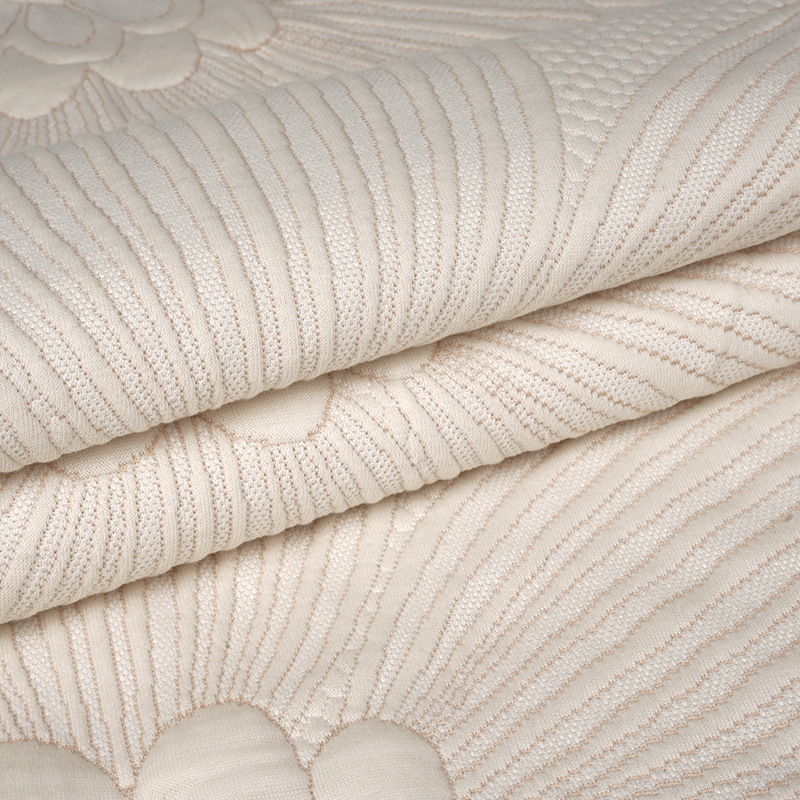
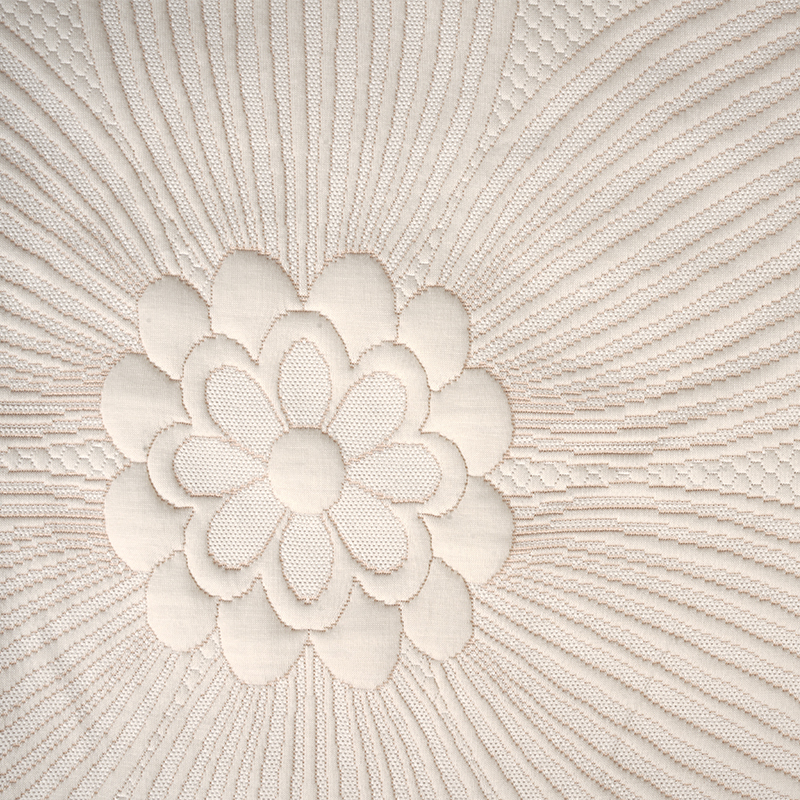
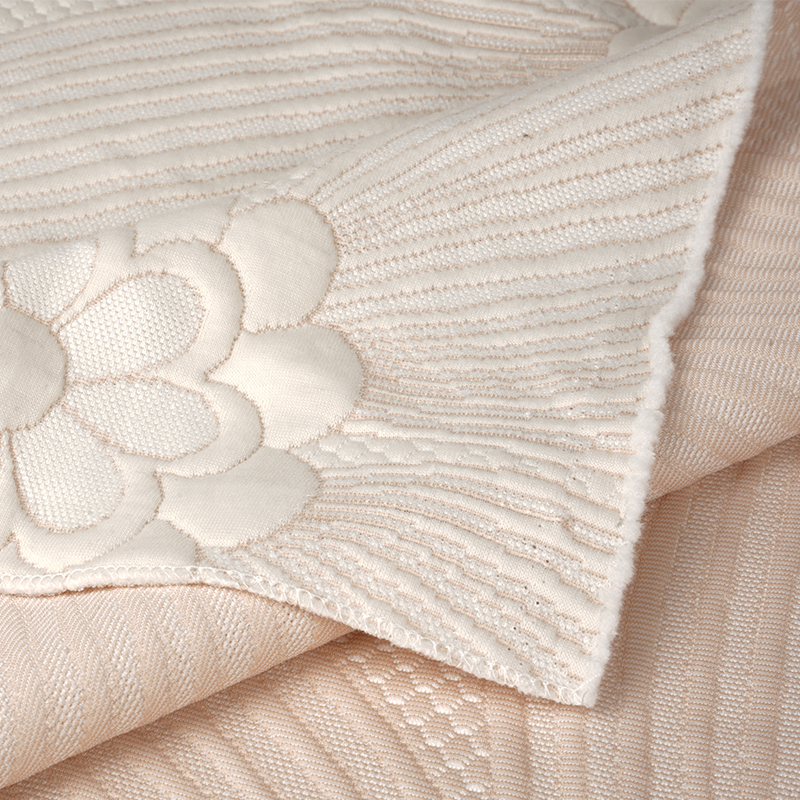

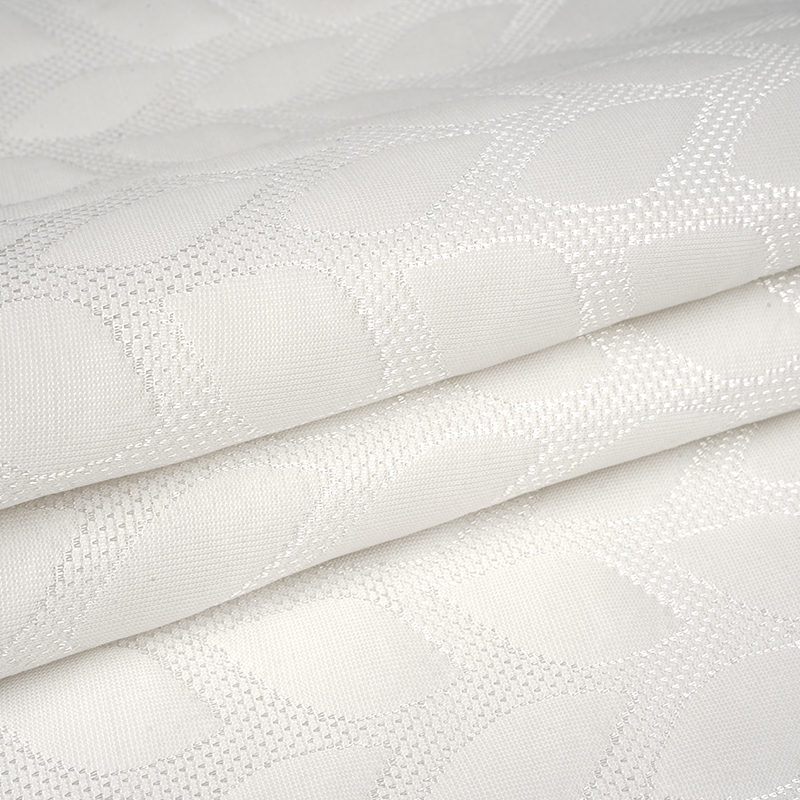
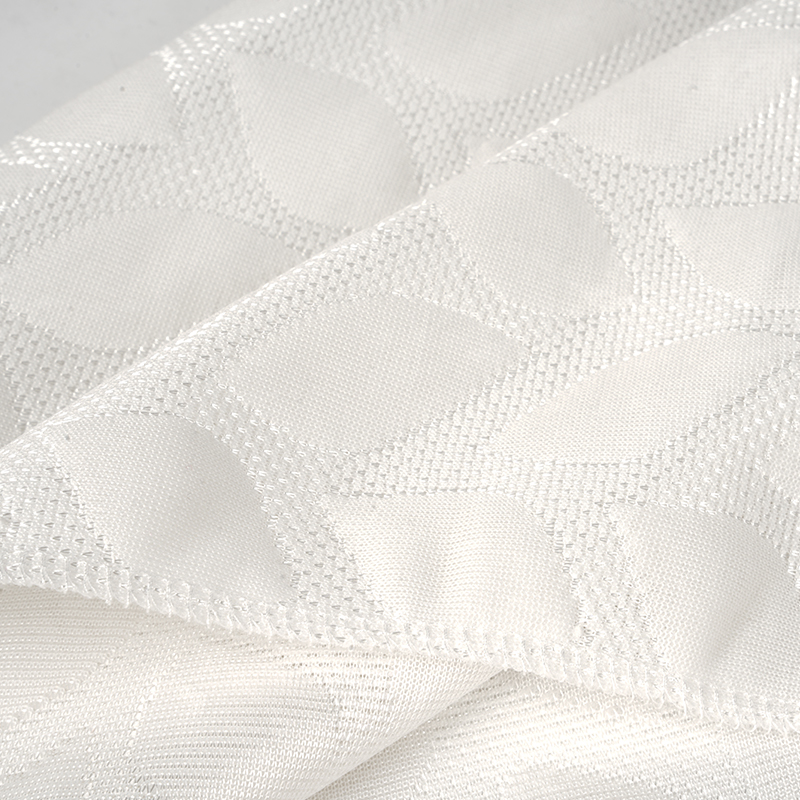
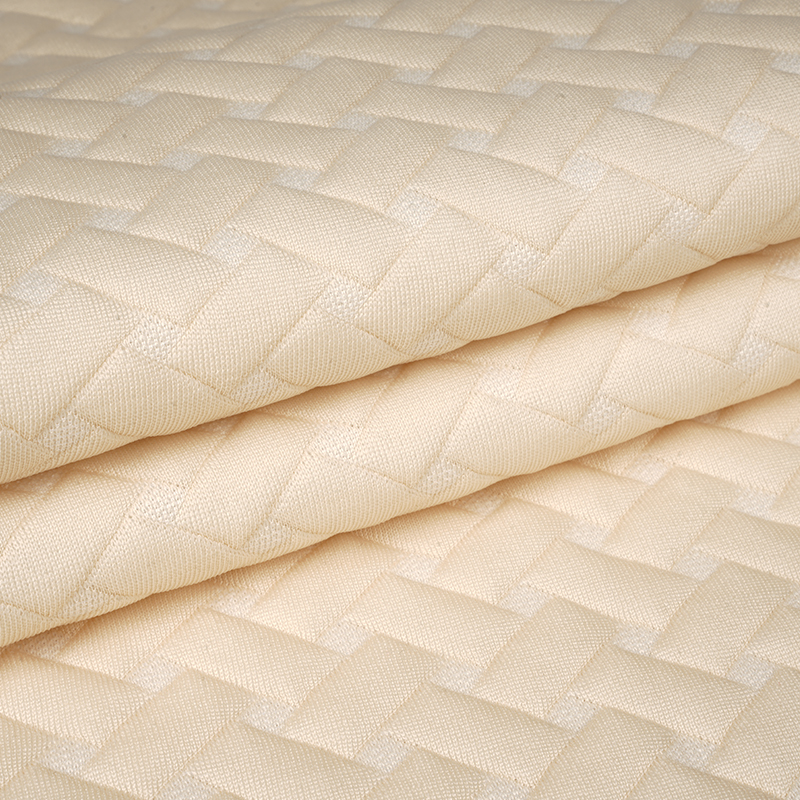
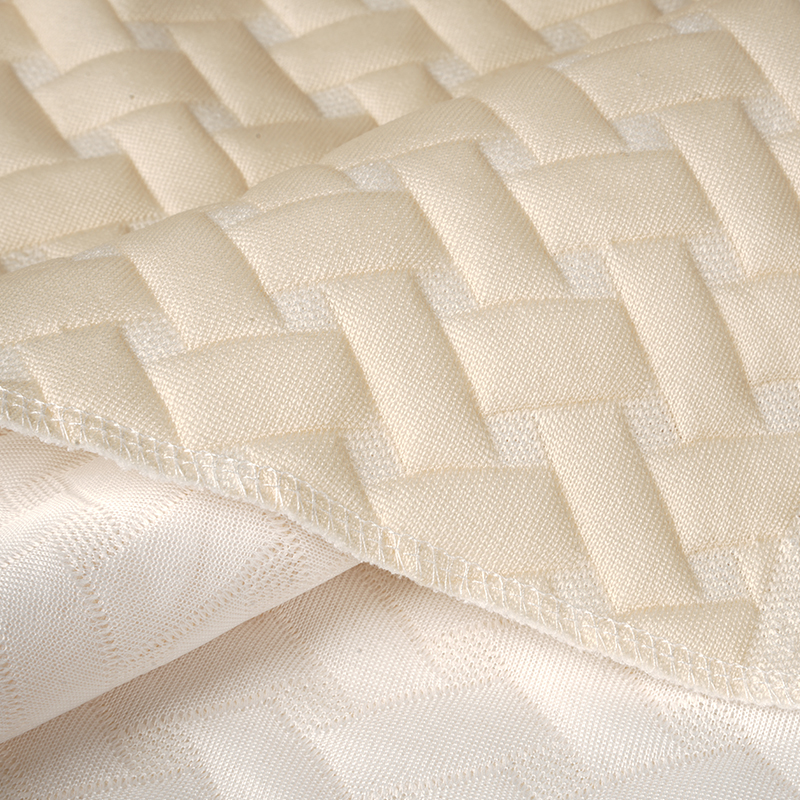
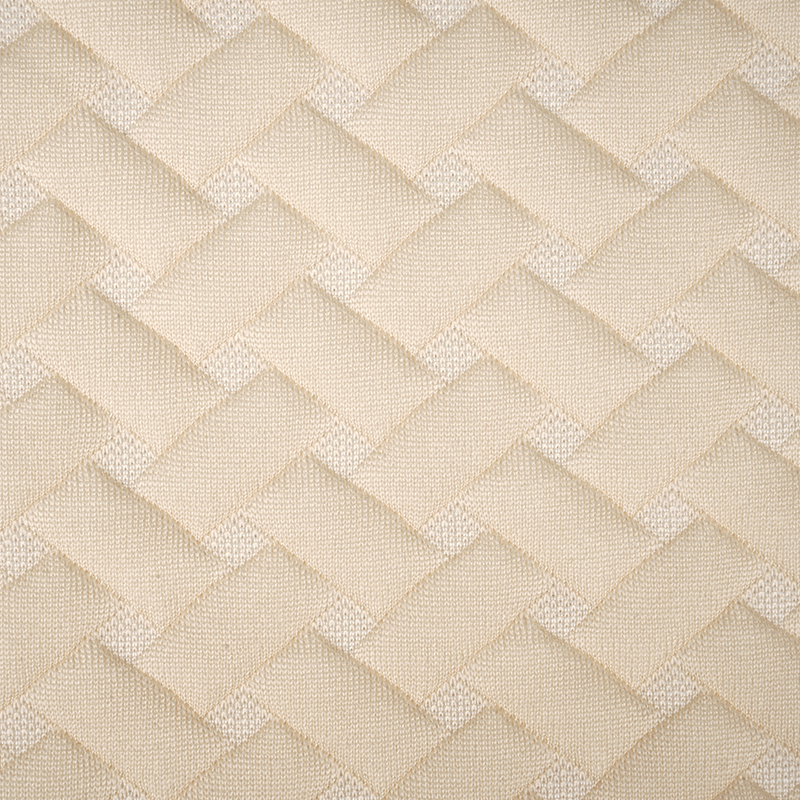
Tencel, a material found in knitted air-layer fabrics, possesses three core characteristics: moisture wicking, antibacterial and anti-mite properties, and antistatic properties. Tencel fibers have 1.5 times the moisture absorption capacity of cotton fibers, quickly absorbing sweat and releasing it through the gaps in the air layer. Its fiber structure is unsuitable for the growth of mites and bacteria, reducing the cleaning burden on home textiles. Furthermore, Tencel's antistatic properties prevent the fabric from attracting dust and generating static electricity in dry seasons, keeping home textiles clean and fresh at all times.
Tencel pillowcase fabric is a high-performance, regenerated cellulose fiber fabric derived from natural wood pulp. Its primary raw material is wood from sustainably managed eucalyptus forests, produced through an environmentally friendly closed-loop dissolving and spinning process. This fabric combines the affinity of natural fibers with precision modern technology, resulting in a distinctive sheen, soft hand feel, and effective moisture management. As the direct contact layer of a pillowcase, it is designed to offer a sleep experience distinct from traditional cotton or synthetic fabrics, with a particular focus on skin feel and microclimate regulation during use.
Core Advantages
● Natural and Skin-Friendly: Sourced from wood pulp, featuring smooth fiber surfaces that minimize friction against the skin and hair during sleep.
● Moisture Management: Exhibits good moisture absorption and breathability, quickly wicking away and dispersing moisture produced during sleep to maintain a dry pillow surface.
● Temperature Regulation: Offers favorable thermal conductivity, helping to dissipate body heat accumulated during sleep, providing a cool sensation suitable for temperature-sensitive users.
● Environmental Sustainability: Manufacturing employs an eco-friendly solvent with a high recovery rate, using pulp from sustainable sources, making it an ecologically conscious fabric option.
Product Characteristics
● Hand Feel: Smooth texture with good drape and a silk-like luster.
● Strength: Maintains higher strength in the wet state compared to regular viscose, offering improved durability.
● Wrinkle Resistance: Possesses inherent anti-wrinkle properties compared to pure cotton, making it easier to care for.
● Low Static Propensity: Proper fiber moisture management helps reduce static electricity generation.
Application Scenarios
● Primarily used in the manufacturing of household and hotel pillowcases.
● Suitable for individuals with specific sleep quality requirements, sensitive skin, or who tend to perspire during sleep.
● Often used in conjunction with mid-to-high-end pillow cores (e.g., latex, memory foam, down) to enhance overall product value.
Specifications & Notes
● Common Composition: 100% Lyocell fiber, or blended with cotton, Modal, etc., to adjust performance and cost.
● Common Grammage: The typical weight range for pillowcases is between 120gsm and 200gsm, affecting the fabric's thickness and texture.
● Weave Structure: Plain, twill, sateen, etc., with sateen weave better showcasing its smooth luster.
● Care Instructions: Wash with neutral detergent in cold or warm water on a gentle cycle. Avoid prolonged soaking, chlorine bleach, or high-heat drying to maintain fiber strength and hand feel. Lay flat to dry or iron at medium-low temperature after washing.
● Storage Conditions: Store in a ventilated area after cleaning and drying, avoiding dampness and prolonged direct sunlight exposure.
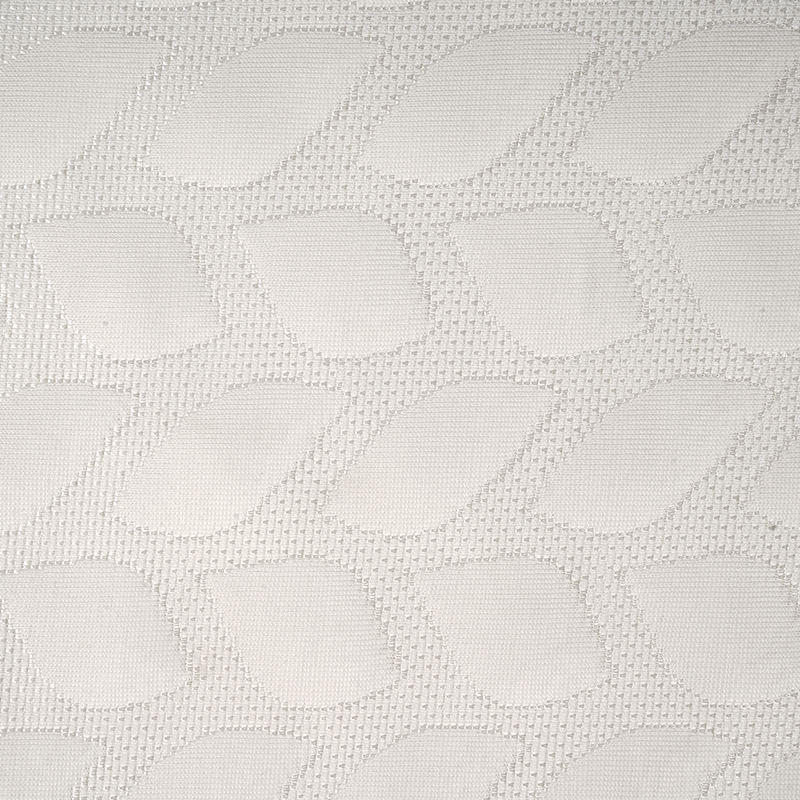
We Create Safe, Healthy and Comfortable Living Spaces Through Innovative Technology.
Hangzhou Xinsili Decorative Fabric Weaving Co.,Ltd. specializes in the innovative research, development, and precision manufacturing of decorative textiles.
We are China Tencel Pillowcase Fabric Manufacturers and Custom Tencel Pillowcase Fabric Factory, Exporter.
Guided by the vision of "Weaving Beautiful Spaces," we are committed to delivering high-quality, environmentally friendly decorative solutions to global clients through our stable and practical fabric products. Upholding the corporate values of "Craftsmanship-Driven Manufacturing, Design Innovation, and Win-Win Collaboration," we empower design through technological advancement and build trust with steady and reliable quality, striving to become a trusted partner in the decorative textiles industry.
Years of Industry Experience
Factory Area
Number of Employees
Annual Output
Export Volume
Provide you with the latest enterprise and industry news
Read MoreThe production of Tencel Pillowcase Fabric relies on direct dissolution of cellulose in N-methylmorpholine N-oxide (NMMO), a tertiary amine oxide that disrupts hydrogen bonding between cellulose chains without derivatization. Unlike viscose processing, which converts cellulose to xanthate intermediates requiring carbon disulfide, lyocell production operates as a genuine closed-loop system. Recovery rates for NMMO solvent exceed 99.5% in commercial operations, with losses primarily attributable to mechanical carryover rather than chemical consumption.
Hangzhou Xinsili Decorative Fabric Weaving Co.,Ltd. evaluates lyocell suppliers based on solvent recovery efficiency and waste stream management. The dilute NMMO solutions from washing stages require concentration through multi-effect evaporation—energy-intensive but essential for process economics. Secondary recovery systems capture fugitive NMMO from air streams, preventing atmospheric release of this biodegradable but potent aquatic toxin. These technical parameters directly influence the environmental credentials that distinguish lyocell from conventional regenerated cellulose alternatives.
Pulp sourcing introduces additional complexity. Eucalyptus, the dominant feedstock for commercial lyocell, achieves harvest cycles of 5-7 years compared to decades for softwood timber. However, monoculture plantations raise biodiversity concerns, while water consumption in water-stressed regions (notably South Africa and parts of China) challenges sustainability narratives. Alternative feedstocks—including bamboo pulp and recycled cotton linters—are technically viable but currently limited by supply chain scale and consistency requirements for high-tenacity fiber production.
Lyocell fibers exhibit a distinctive propensity for fibrillation—the separation of surface microfibrils from the primary filament structure during wet processing. This phenomenon, driven by the fiber's highly crystalline core and amorphous sheath structure, creates desirable peach-skin aesthetics in controlled applications but problematic pilling when excessive. Primary fibrillation occurs during initial wet treatments; secondary fibrillation develops through repeated laundering cycles as mechanical action continues abrading surface fibrils.
Enzymatic finishing using cellulase enzymes selectively truncates surface fibrils, generating controlled surface smoothness. Acid cellulases (endoglucanases) attack amorphous regions preferentially, while neutral cellulases provide gentler action suitable for fabric strength preservation. Over-treatment risks "loss of substance"—measurable weight reduction and tensile strength degradation. Optimal processing achieves 15-20% weight loss while maintaining >85% of original breaking strength, a balance requiring precise enzyme concentration, temperature, and duration control.
Crosslinking treatments offer alternative fibrillation suppression through chemical stabilization. Polycarboxylic acids (notably citric acid and butanetetracarboxylic acid) form ester linkages between cellulose chains, restricting molecular mobility that enables fibril separation. These treatments also improve dimensional stability and wrinkle recovery, though they may compromise the inherent softness that motivates Tencel Pillowcase Fabric selection. We balance these competing performance attributes based on end-use requirements, recognizing that hospitality applications prioritize durability while residential consumers often favor untreated hand feel.
Lyocell's moisture absorption capacity—approximately 50% higher than cotton by weight—derives from its amorphous region accessibility and hydroxyl group availability. However, moisture regain (standardized at 65% relative humidity) tells only part of the story. The fiber's unique structure enables rapid moisture uptake and release, creating dynamic comfort that responds to microclimate changes during sleep phases. Unlike cotton, which retains moisture in swollen fiber structures, lyocell maintains structural integrity when wet, preventing the clammy sensation associated with saturated cellulosic fabrics.
Thermal conductivity measurements reveal lyocell's intermediate position between cotton and synthetic fibers. At 0.055 W/m·K, it conducts heat away from the body more efficiently than polyester (0.030 W/m·K) but less aggressively than cotton (0.060 W/m·K). This characteristic produces a "cool touch" sensation initially appealing in warm environments, though some sleepers find it thermally neutral rather than warming as sleep progresses. Blending with wool or acrylic introduces thermal buffering, though at the cost of pure lyocell's moisture management advantages.
Capillary pressure measurements in lyocell fabrics demonstrate exceptional vertical wicking heights—often exceeding 100mm in 30 minutes for knit constructions—enabling efficient moisture distribution across fabric surfaces for evaporative cooling. This performance explains lyocell's popularity among populations experiencing thermoregulatory challenges, including menopausal women and athletes during recovery sleep. The fiber's smooth surface (friction coefficient ~0.15 against skin) further reduces mechanical irritation for sensitive skin conditions.
Unlike synthetic polymers requiring industrial recycling or landfill disposal, lyocell follows established cellulose degradation pathways. Aerobic biodegradation in soil environments proceeds through enzymatic hydrolysis of glycosidic bonds, with complete mineralization to carbon dioxide and water occurring within 6-8 weeks for pure lyocell fabrics. This rate exceeds cotton degradation in identical conditions, attributed to lyocell's lower crystallinity and more accessible amorphous regions to microbial attack.
Marine biodegradation presents different kinetics. Saltwater environments with limited microbial diversity decompose lyocell more slowly than soil, though still substantially faster than petroleum-based synthetics. The absence of toxic additives—heavy metal catalysts, antimicrobial treatments, or durable water repellents—ensures that degradation products do not introduce environmental toxins. However, fabric finishing agents applied during manufacturing (softeners, optical brighteners, dyes) may persist or release degradation byproducts requiring assessment.
Industrial composting certification (EN 13432, ASTM D6400) requires not only biodegradation but also disintegration and ecotoxicity screening. Pure lyocell meets these criteria; finished bedding products may not, depending on accessory components (zippers, labels, elastic) and chemical residues. We design our products with these end-of-life considerations integrated from raw material selection, ensuring that Weaving Beautiful Spaces encompasses the entire lifecycle rather than merely the usage phase. This holistic approach distinguishes genuinely sustainable textile development from superficial environmental marketing.
Yi qiao Town, Xiaoshan District, Hangzhou City, Zhejiang Province, China
