

 English
 中文简体
中文简体 Español
 عربى
عربى русский

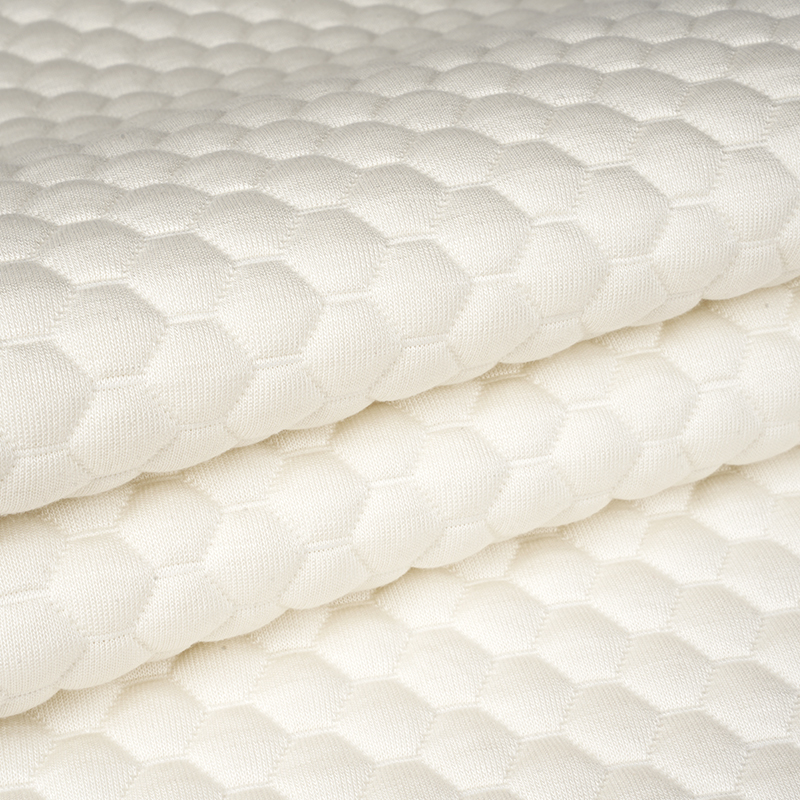
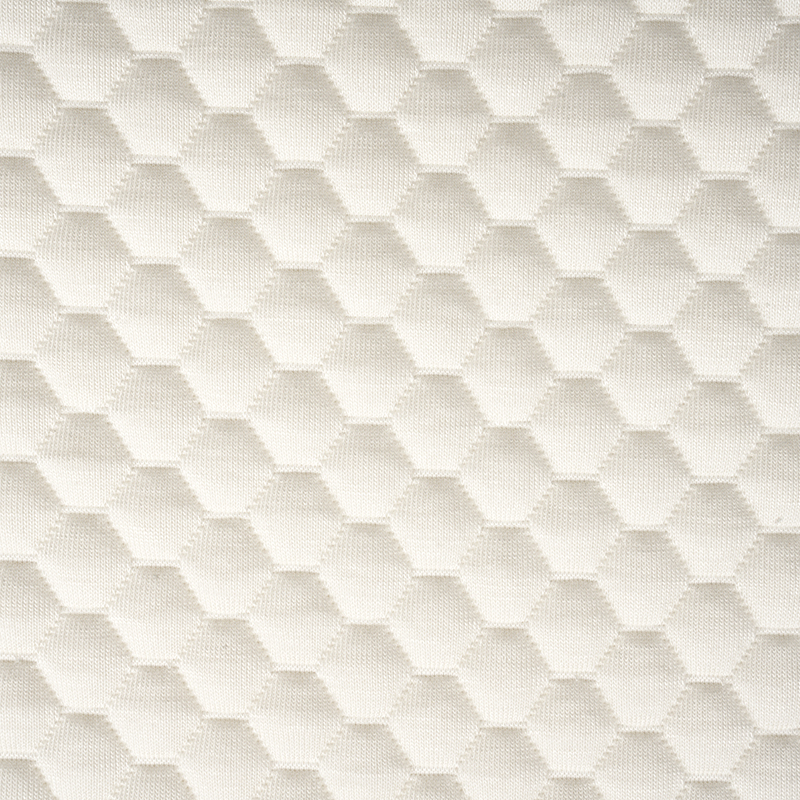
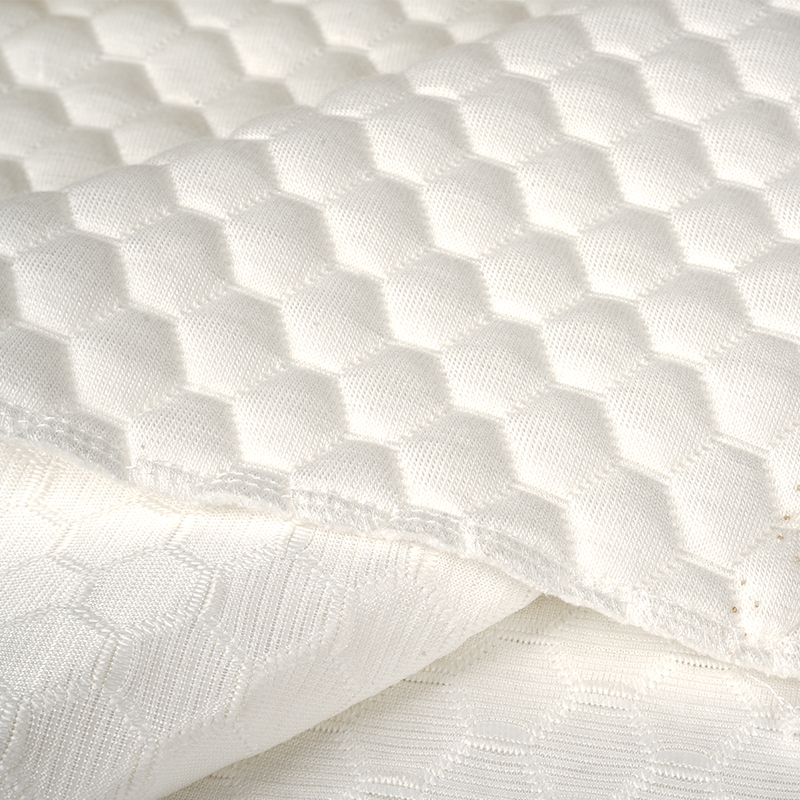

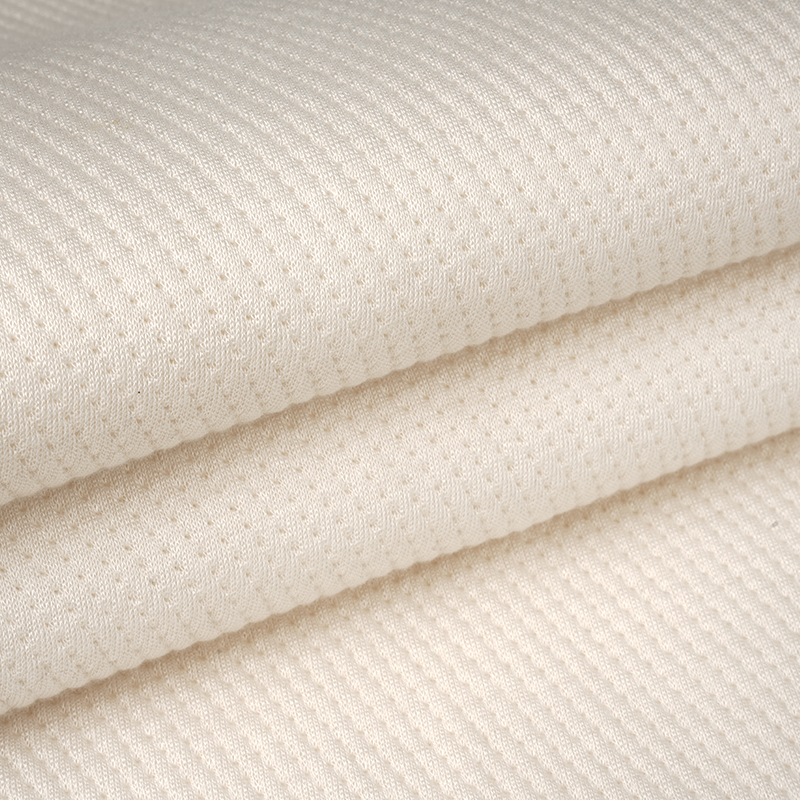
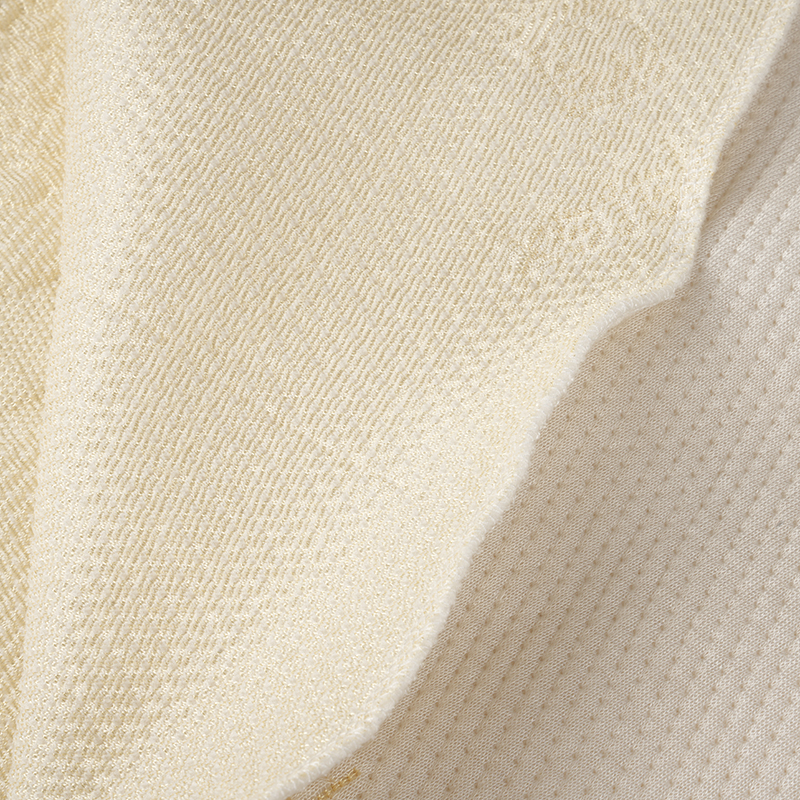
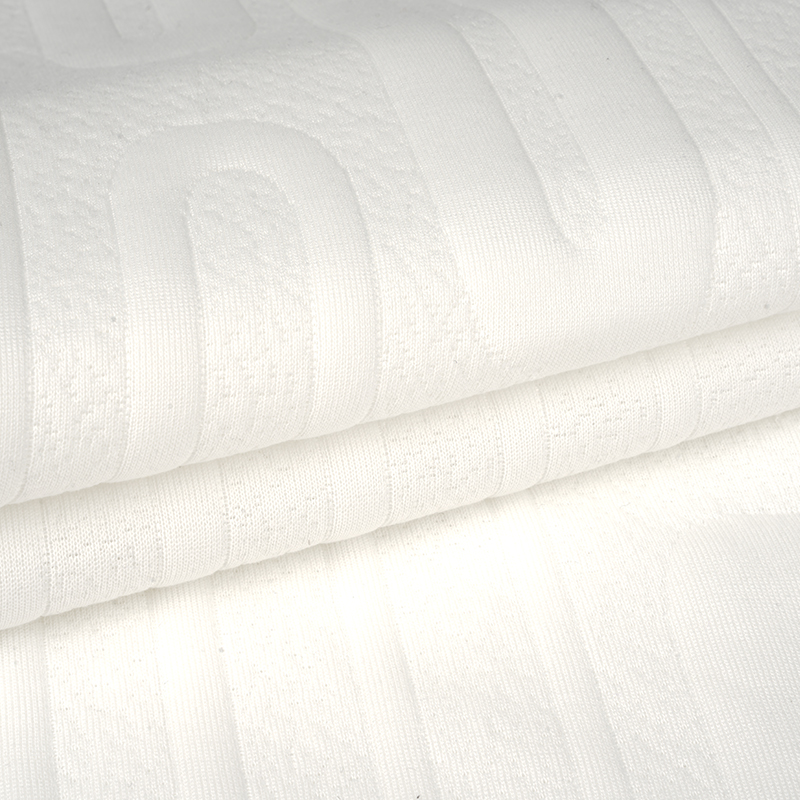
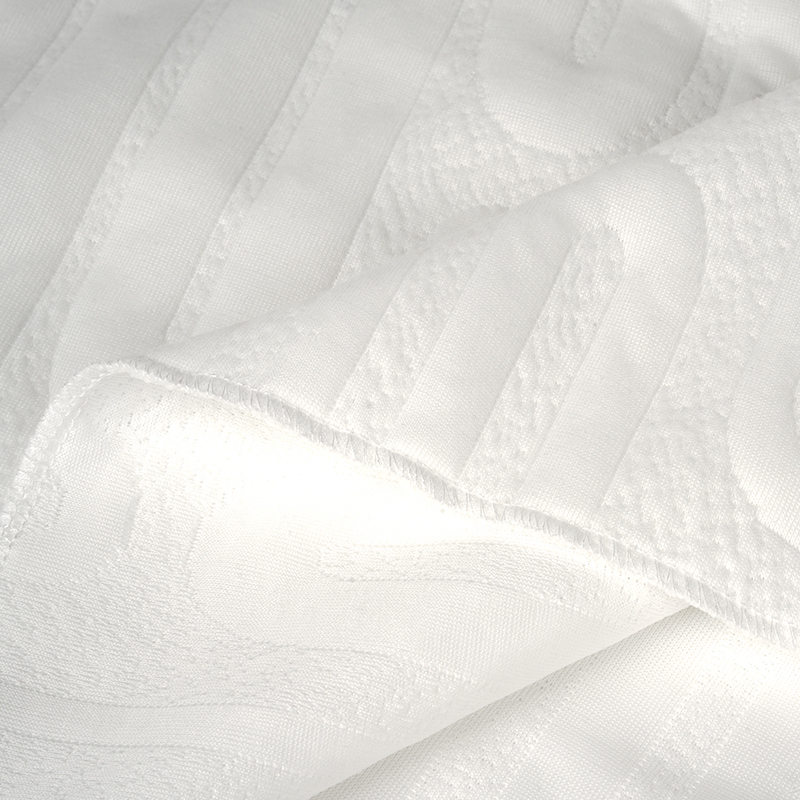
Polyester fiber possesses inherent physical properties such as high strength and high elastic modulus. Its fiber cross-section is mostly circular or irregular, with a smooth surface and no natural fiber fuzz. When applied to knitted air-layer fabrics, polyester fiber can perfectly support the three-layer structure of "outer layer-air layer-bottom layer," preventing the air layer from collapsing due to long-term stress. At the same time, polyester's tensile strength can improve the fabric's durability, allowing home textile products to maintain their fluffy shape and resist deformation even after repeated compression and friction.
Polyester children's mattress fabric is a knitted air-layer fabric specifically designed for children's mattresses, primarily composed of polyester fiber (polyester). This fabric is produced through polycondensation and spinning processes using purified terephthalic acid or dimethyl terephthalate and ethylene glycol, resulting in a stable chemical structure and consistent fabric performance. During weaving, it is typically blended with spandex in an approximate ratio of 9:1 to form an air-layer structure that balances dimensional stability with moderate elasticity. The fabric is free from allergenic impurities commonly found in natural fibers, complies with safety standards for children's home textiles, and is suitable for children's mattress products requiring hygiene and durability.
Core Advantages
● Hypoallergenic Safety: Made from synthetic fibers without natural fiber impurities, reducing allergy risks for children.
● Structural Stability: Optimized polyester-spandex blend ratio maintains shape retention over long-term use.
● Easy Maintenance: Polyester fibers offer wrinkle resistance and quick-drying properties, facilitating machine washing and daily cleaning.
● Compliance with Standards: Fabric production adheres to safety regulations for home textiles, making it suitable for children's products.
Product Features
● Material Composition: Primarily polyester fiber blended with a small proportion of spandex (approx. 9:1 ratio).
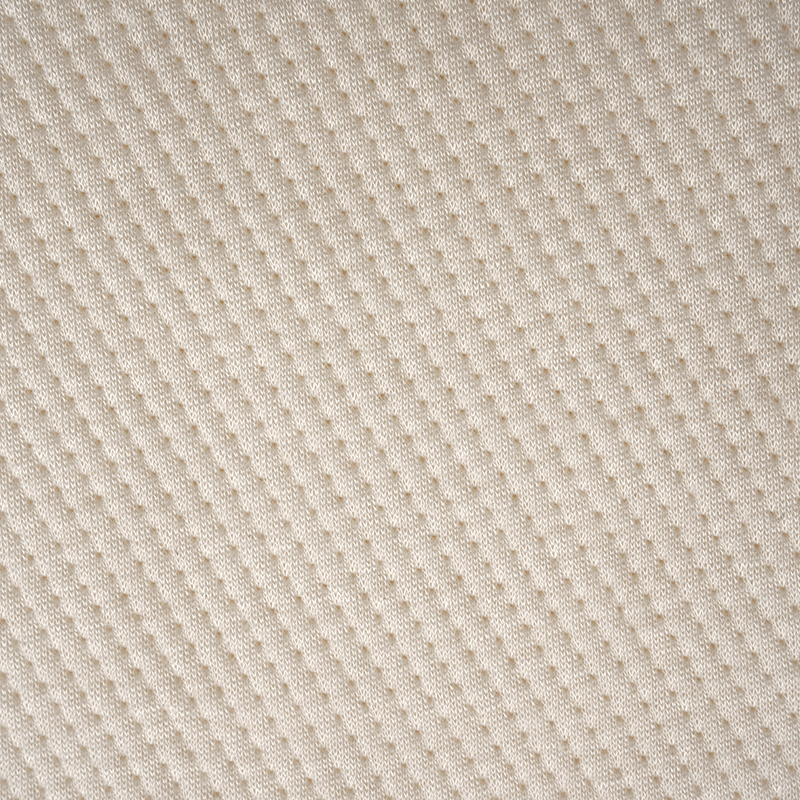
● Fabric Structure: Knitted air-layer technology enhances breathability and cushioning.
● Physical Performance: Moderate elasticity, high abrasion resistance, resistant to pilling and fading.
● Safety: Tested for allergens, free from harmful chemical residues, and compliant with children's product safety requirements.
Application Scenarios
● Surface fabric for household children's mattresses
● Bedding customization for kindergartens and childcare centers
● Top layer fabric for children's folding beds and tatami mats
● Fabric for crib rail guards and protective pads
Technical Parameters
● Composition: 90% Polyester, 10% Spandex
● Weight: 180-220 g/m² (adjustable upon request)
● Width: 150-180 cm
● Dyeing Process: Eco-friendly reactive dyeing, color fastness ≥ Grade 4
● Safety Certification: Oeko-Tex Standard 100 Class I certification for infant products
Usage and Storage Notes
● Machine wash at or below 30°C is recommended; avoid prolonged soaking.
● Use neutral detergents for washing; bleach should not be used.
● Store in a dry, well-ventilated area away from direct sunlight.
● When used in mattress production, pairing with breathable inner materials is suggested to enhance overall comfort.
We Create Safe, Healthy and Comfortable Living Spaces Through Innovative Technology.
Hangzhou Xinsili Decorative Fabric Weaving Co.,Ltd. specializes in the innovative research, development, and precision manufacturing of decorative textiles.
We are China Polyester Children Mattress Fabric Manufacturers and Custom Polyester Children Mattress Fabric Factory, Exporter.
Guided by the vision of "Weaving Beautiful Spaces," we are committed to delivering high-quality, environmentally friendly decorative solutions to global clients through our stable and practical fabric products. Upholding the corporate values of "Craftsmanship-Driven Manufacturing, Design Innovation, and Win-Win Collaboration," we empower design through technological advancement and build trust with steady and reliable quality, striving to become a trusted partner in the decorative textiles industry.
Years of Industry Experience
Factory Area
Number of Employees
Annual Output
Export Volume
Provide you with the latest enterprise and industry news
Read MoreThe thermal comfort of juvenile sleep environments hinges on fiber-level engineering rather than superficial aesthetics. Polyester, when engineered with modified cross-sectional profiles—trilobal or hollow-channel structures—creates capillary pathways that wick moisture away from the skin 3x faster than conventional round fibers. This matters because children exhibit higher metabolic rates and sweat gland density per unit surface area, generating localized humidity pockets that disrupt sleep architecture.
Hangzhou Xinsili Decorative Fabric Weaving Co.,Ltd. approaches this through precision-controlled denier gradients, where surface fibers feature higher denier counts for durability while subsurface layers utilize micro-denier filaments for enhanced moisture transport. The result is a fabric matrix that maintains relative humidity below 65% at the skin-fabric interface—the threshold for thermoregulatory comfort in pediatric populations.
What often goes unaddressed is the relationship between fiber crystallinity and allergen retention. Highly crystalline polyester regions resist protein adhesion, reducing dust mite habitat viability. This structural property, combined with appropriate fabric construction, creates an inhospitable environment for common bedroom allergens without relying on chemical interventions.
Children's mattresses endure unique stress patterns: concentrated point loads from jumping, repetitive compression from sleep position changes, and tensile strain from sheet-tucking forces. Standard upholstery fabrics fail prematurely under these conditions because they optimize for either abrasion resistance or tensile strength, rarely both simultaneously.
High-tenacity polyester variants, specifically those utilizing filament yarns with 7.5-8.5 g/denier tenacity ratings, distribute mechanical stress through molecular chain alignment along the fiber axis. This orientation prevents the stress concentration that leads to yarn slippage and surface pilling. In practical terms, fabrics engineered with these specifications maintain structural integrity beyond 50,000 Martindale cycles—substantially exceeding the 15,000-25,000 cycles typical of residential upholstery.
The weaving architecture matters equally. Double-needle bar raschel constructions create three-dimensional spacer structures that absorb impact energy through z-directional deformation, protecting both the fabric surface and underlying mattress components. This approach, refined by Hangzhou Xinsili Decorative Fabric Weaving Co.,Ltd. through iterative load-testing protocols, extends functional lifespan without compromising tactile softness.
While OEKO-TEX Standard 100 and CPSIA compliance provide necessary foundations, they represent threshold safety rather than optimization. The critical distinction lies in understanding migration pathways: substances restricted in bulk materials may still transfer through surface coatings, finishing agents, or accumulated environmental contaminants during storage and shipping.
For Polyester Children Mattress Fabric, the risk profile shifts toward plasticizer residues from polymer processing and disperse dye carriers. Advanced manufacturing addresses this through:
The "green" narrative often overlooks end-of-life considerations. Polyester's recyclability depends heavily on additive packages—flame retardants, UV stabilizers, and antimicrobial agents must be selected for compatibility with mechanical recycling streams. Phosphorus-based flame retardants, while effective, can poison PET recycling catalysts. Alternative approaches using phosphorus-nitrogen synergists or inherent flame resistance through fiber modification preserve circular economy viability.
The interface between mattress fabric and daily use demands surface modifications that resist degradation without creating perceptible texture changes. Plasma treatment offers a solvent-free approach to increasing surface energy for improved soil release, while maintaining hand feel. This physical modification, unlike chemical coatings, doesn't create a distinct layer prone to cracking or delamination.
Antimicrobial functionality presents a particular challenge: silver-ion treatments, while effective, demonstrate time-dependent leaching that reduces efficacy and raises environmental concerns. Zinc oxide nanoparticle integration through melt-spinning—embedding particles within the fiber matrix rather than surface application—provides sustained antimicrobial action without release into the surrounding environment. This approach aligns with increasing regulatory scrutiny on biocidal product regulations (BPR) in European markets.
Color fastness in children's applications requires anticipating aggressive cleaning agents and UV exposure through window-filtered sunlight. Lightfastness ratings below grade 6 on the Blue Wool Scale result in visible fading within 6-12 months of typical bedroom conditions. Solution-dyed polyester, where pigment incorporation occurs at the polymer stage rather than post-extrusion, achieves grade 7-8 ratings by embedding colorants within the fiber core, protected from surface degradation mechanisms.
In developing these technical specifications, Hangzhou Xinsili Decorative Fabric Weaving Co.,Ltd. maintains that functional performance must coexist with the tactile qualities that define quality perception—proving that Polyester Children Mattress Fabric can deliver both measurable performance and subjective comfort without compromise.
Yi qiao Town, Xiaoshan District, Hangzhou City, Zhejiang Province, China
