

 English
 中文简体
中文简体 Español
 عربى
عربى русский

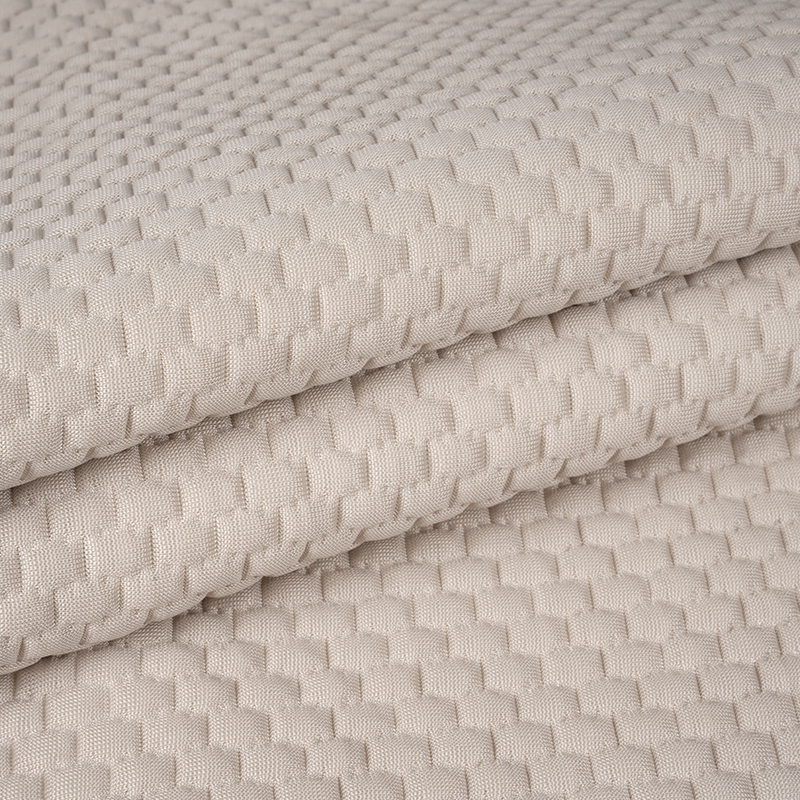
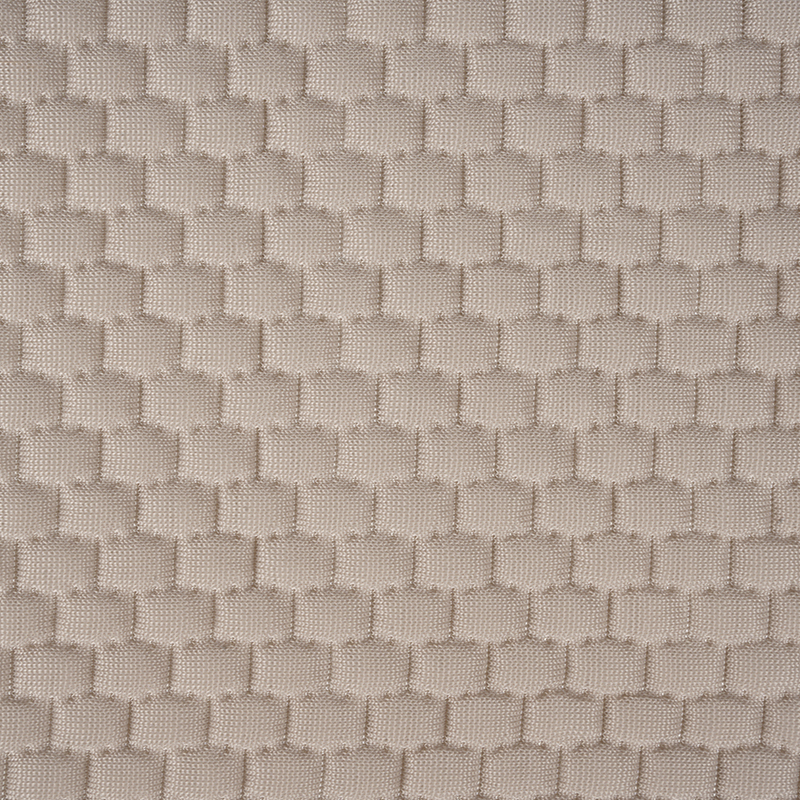
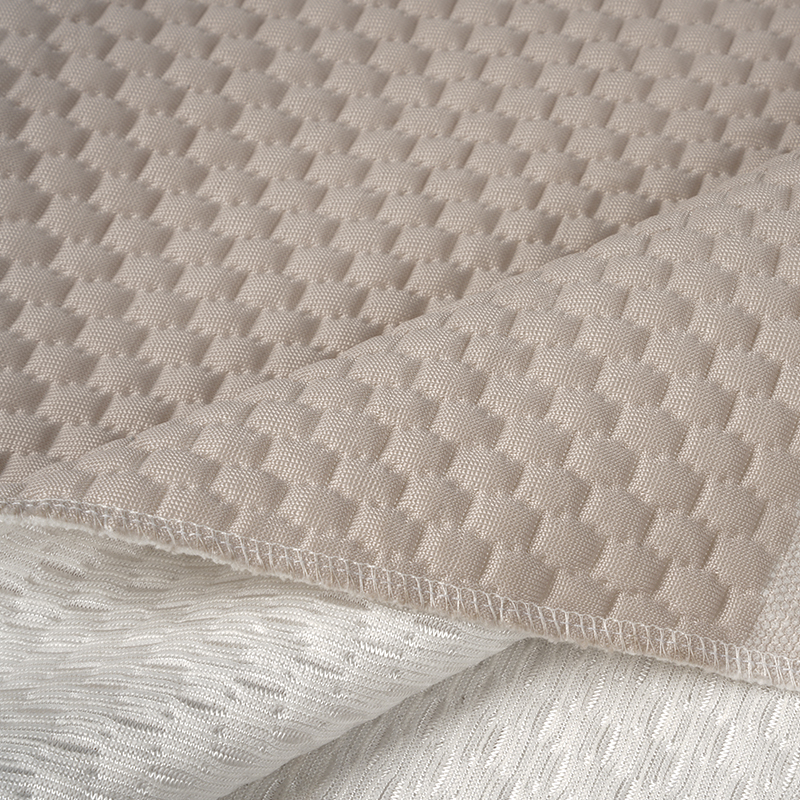

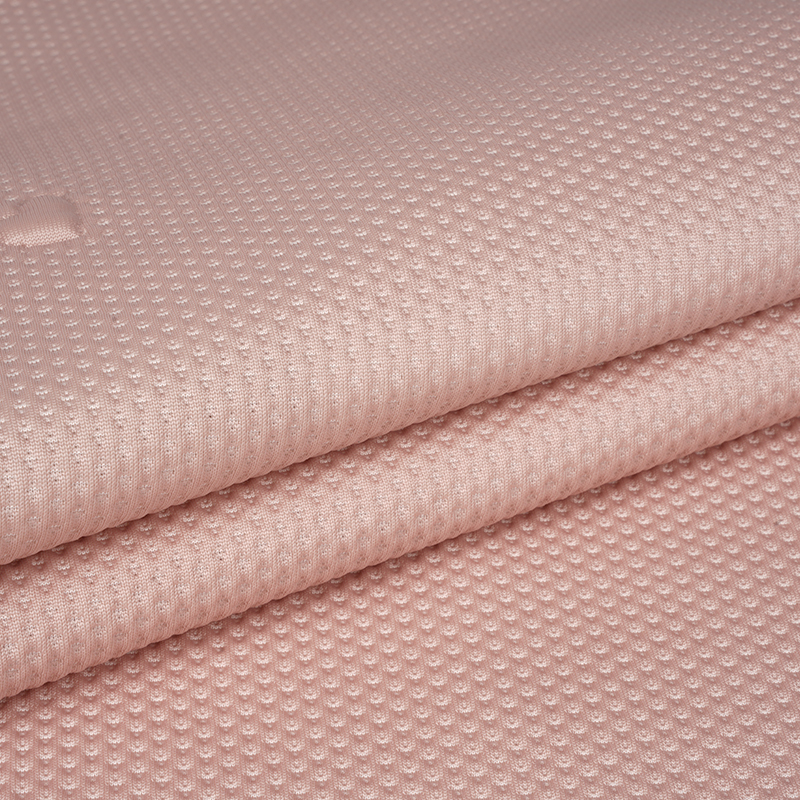
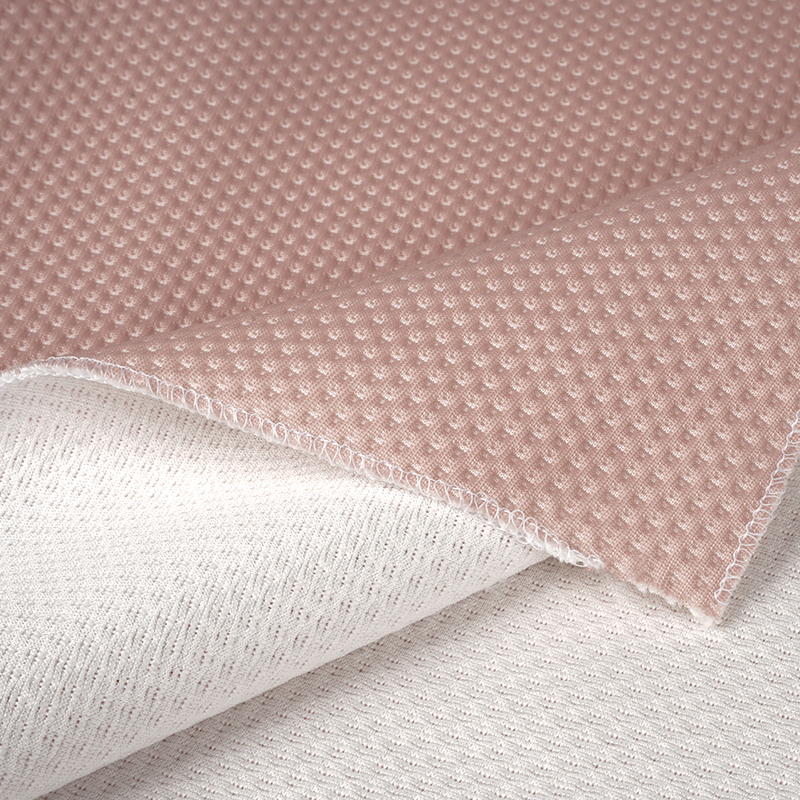
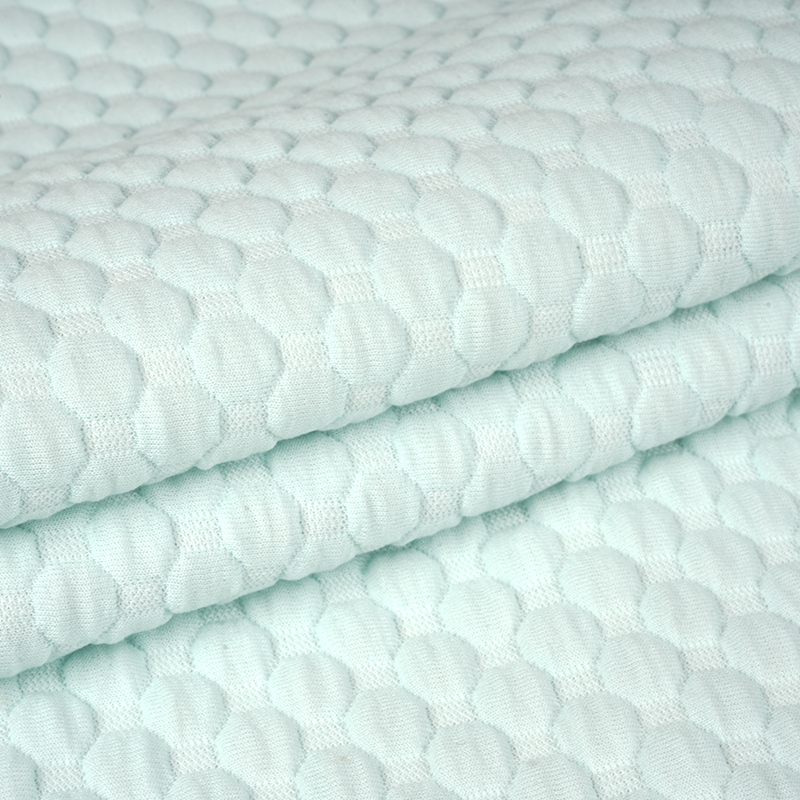
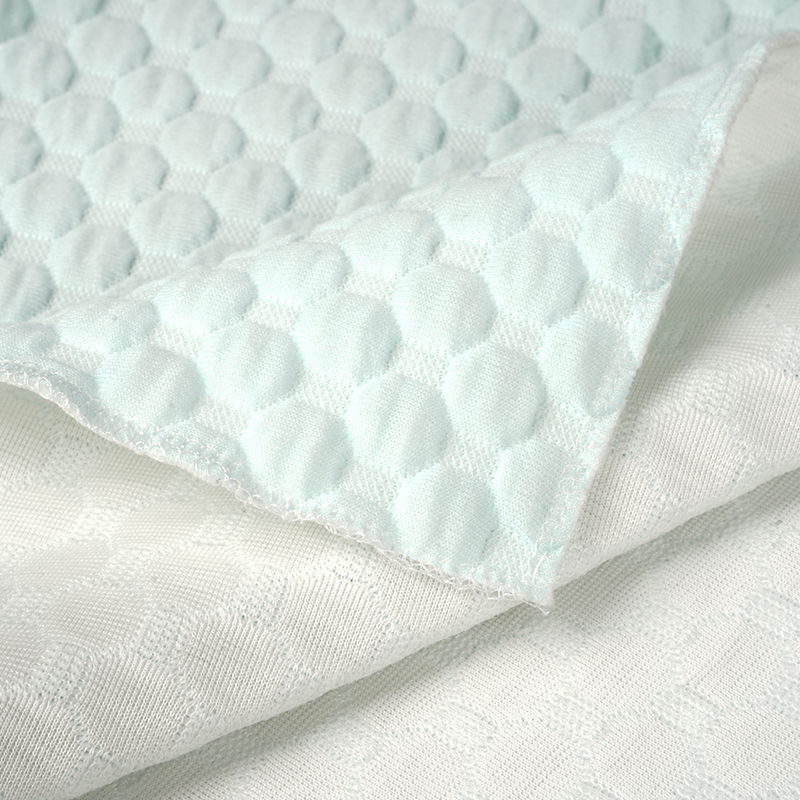
Polyester, a material found in knitted air-layer fabrics, possesses three core properties: wrinkle and mildew resistance, shrinkage resistance, and antistatic properties. Polyester's stable molecular structure prevents shrinkage and deformation due to washing or changes in environmental humidity. Its hydrophobic properties prevent the fabric from absorbing moisture, thus preventing mildew growth even in humid southern environments. Furthermore, the antistatic treatment of polyester air-layer fabrics prevents dust accumulation and static electricity generation during dry seasons, keeping home textiles clean and fresh.
Polyester pillowcase fabric, primarily composed of polyester fiber, is a synthetic fiber fabric widely used in home textiles. Processed with specific weaving techniques, this fabric features a tight structure and a smooth surface. In pillowcase manufacturing, it provides stable shape support and offers a degree of durability. Its material properties make it resistant to mite proliferation under normal usage conditions and provide some liquid repellency. As a standard material in the home textile supply chain, it is suitable for manufacturing pillowcases where dimensional stability and easy care are prioritized.
Core Advantages
● Dimensional Stability: The inherent low moisture regain rate of polyester fiber minimizes shrinkage and deformation after washing, maintaining the pillowcase's original size.
● Easy Care: The fabric dries quickly, is machine washable, and often regains a smooth appearance without ironing.
● Hypoallergenic & Hygienic: As a synthetic fiber, it does not provide protein-based nutrients, discouraging the growth of dust mites and mold, making it suitable for users sensitive to allergens.
● Durability: High fiber strength and good abrasion resistance allow the fabric to withstand repeated laundering, extending the product's lifecycle.
Product Features
● Material Composition: 100% Polyester (PET), or can be blended with a small percentage of elastic fibers like spandex upon request to improve fit.
● Fabric Construction: Commonly uses plain, twill, or satin weaves, offering different surface sheens and hand feels.
● Finishing Treatments: Can undergo functional finishes such as anti-static, stain-release, or water-repellent treatments to meet specific requirements.
● Visual Performance: Strong color adhesion and high color fastness help maintain color vibrancy over extended use.
Application Scenarios
● Hospitality & Accommodation Industry: For pillowcases in standard rooms and suites, meeting demands for high-volume laundering and quick turnover.
● Medical & Care Facilities: For bed linens in patient rooms, facilitating rigorous washing and disinfection protocols.
● Household Daily Use: Suitable for home bedroom environments where practicality and easy maintenance are valued.
● Custom Home Products: Used as lining or base fabric for filled home accessories like cushion covers and throw pillows.
Related Parameters
● Grammage: Common range 100-150 g/m²
● Fabric Width: Standard 150cm or 230cm (adjustable per order requirements)
● Yarn Count: e.g., 40S, 60S (affects fabric fineness and hand feel)
● Color Fastness: Washing fastness (color change/staining) ≥ Grade 4 (GB/T standard)
● Tearing Strength: Warp/Weft ≥ 15N (varies based on grammage and weave)
● Washing Recommendation: Recommended water temperature below 40°C, neutral detergent. Avoid prolonged soaking and direct sun exposure.
Usage & Storage Notes
● It is advised to rinse with clean water before first use to remove any surface dust from production.
● Wash separately from dark-colored or color-bleeding items to preserve color.
● Avoid contact with sharp objects to prevent snagging or fabric damage.
● Store in a dry, well-ventilated environment. Avoiding damp conditions helps prevent odor formation.
We Create Safe, Healthy and Comfortable Living Spaces Through Innovative Technology.
Hangzhou Xinsili Decorative Fabric Weaving Co.,Ltd. specializes in the innovative research, development, and precision manufacturing of decorative textiles.
We are China Polyester Pillowcase Fabric Manufacturers and Custom Polyester Pillowcase Fabric Factory, Exporter.
Guided by the vision of "Weaving Beautiful Spaces," we are committed to delivering high-quality, environmentally friendly decorative solutions to global clients through our stable and practical fabric products. Upholding the corporate values of "Craftsmanship-Driven Manufacturing, Design Innovation, and Win-Win Collaboration," we empower design through technological advancement and build trust with steady and reliable quality, striving to become a trusted partner in the decorative textiles industry.
Years of Industry Experience
Factory Area
Number of Employees
Annual Output
Export Volume
Provide you with the latest enterprise and industry news
Read MoreThe transformation of polyethylene terephthalate (PET) into Polyester Pillowcase Fabric involves precise control over molecular weight and thermal history. Intrinsic viscosity (IV) measurements, typically ranging from 0.58 to 0.64 dL/g for textile-grade polymers, directly correlate with fiber tenacity and processing stability. Higher IV values produce stronger filaments but require elevated extrusion temperatures, increasing energy consumption during spinning operations.
Hangzhou Xinsili Decorative Fabric Weaving Co.,Ltd. sources virgin PET from suppliers maintaining tight IV tolerances, ensuring batch-to-batch consistency in yarn strength and dye uptake. The alternative—recycled PET from post-consumer bottles—presents molecular weight degradation challenges. Each reprocessing cycle reduces average chain length, necessitating careful viscosity matching or solid-state polymerization to restore performance characteristics suitable for fine-denier textile applications.
Cross-section modification fundamentally alters tactile and functional properties. Circular cross-sections, the default extrusion geometry, produce specular light reflection that reads as synthetic sheen. Trilobal or multilobal profiles scatter light diffusely, creating silk-like luster while increasing surface area for moisture wicking. Hollow fibers—capillary structures within filament cores—reduce fabric weight by 15-20% while improving thermal insulation through trapped air chambers, particularly valuable for travel pillowcases where packability and warmth retention compete.
Microfiber classifications require filaments below 1.0 denier per strand—approximately one-fifth the diameter of human hair. This fineness enables extremely high thread counts without prohibitive fabric weight, producing surfaces with exceptional softness and drape. However, the increased surface area-to-volume ratio creates electrostatic challenges: microfiber constructions generate and retain static charges more readily than conventional denier alternatives, particularly in environments below 40% relative humidity.
Anti-static finishing for Polyester Pillowcase Fabric typically employs hydrophilic surfactants or conductive microfibers (carbon-core filaments) dissipating charges. These treatments require careful balance: excessive hydrophilic modification compromises the inherent quick-dry advantages that make polyester desirable for bedding applications. Carbon-core integration, while effective, introduces gray coloration constraints and potential abrasion sensitivity where conductive filaments break the fabric surface.
Mechanical finishing alternatives—brushing and shearing—create physical texture modifications without chemical additives. Peach skin finishes employ controlled abrasive action to raise microfine surface fibers, generating suede-like hand feels that mask synthetic origin. This mechanical approach avoids chemical finish degradation through laundering but requires precise parameter control: insufficient brushing leaves harsh hand feel, while excessive processing weakens surface integrity and accelerates pilling.
Polyester's hydrophobic nature excludes water-soluble dyes, necessitating disperse dye systems—non-ionic, low-molecular-weight compounds that dissolve in the fiber's amorphous regions at elevated temperatures. High-temperature high-pressure (HTHP) dyeing at 130°C achieves optimal dye penetration and fixation, producing wash fastness ratings of 4-5 on standardized scales. Carrier dyeing, utilizing organic swelling agents to enable lower-temperature processing, reduces energy consumption but introduces environmental and odor concerns that increasingly restrict commercial viability.
Sublimation printing leverages polyester's thermoplastic characteristics for digital design applications. Disperse dyes printed on transfer paper migrate directly into fiber structure at 200°C, creating permanent coloration without water consumption. This dry process enables photographic-detail reproduction with gradient smoothness impossible in traditional screen printing. However, sublimation requires 100% polyester content; blended fabrics with cotton or other cellulosic fibers produce "ghosting" where dye fails to bond with non-polyester components, creating washed-out appearances.
Light fastness represents a critical performance differentiator for bedding applications receiving direct sunlight exposure. Anthraquinone-based disperse dyes demonstrate superior photostability compared to azo alternatives, maintaining color depth through 40+ standard fading unit exposures. For hospitality applications where window-adjacent beds experience continuous UV bombardment, dye selection directly influences replacement cycles and lifecycle costs—considerations that inform our technical specifications at Hangzhou Xinsili Decorative Fabric Weaving Co.,Ltd.
Bi-component spinning extrudes two distinct polymers through shared spinnerets, creating filaments with engineered cross-sectional configurations. Side-by-side arrangements of polymers with differential shrinkage rates produce self-crimping fibers—mechanical three-dimensionality that increases fabric bulk and warmth retention without additional weight. This "latent crimp" activates during finishing heat exposure, creating permanent texture that survives repeated laundering cycles.
Sheath-core configurations offer functional surface engineering with economical core composition. A PET core provides structural strength and cost efficiency, while specialty polymer sheaths deliver surface properties: low-melt copolyester sheaths enable thermal bonding in nonwoven interlinings; conductive polymer sheaths provide permanent anti-static performance superior to topical finishes. For pillowcase applications, modified-sheath bi-components can simulate cotton's moisture absorption through hydrophilic surface chemistry while maintaining polyester's core durability and dimensional stability.
Recycling bi-component fabrics presents technical challenges: mixed polymer streams require separation for quality retention in subsequent processing. Compatibility between sheath and core chemistries determines whether mechanical recycling produces usable regrind or downgraded applications. Design-for-recycling principles increasingly influence bi-component selection, favoring chemically similar polymer pairs (different PET grades) over dissimilar combinations (PET core/nylon sheath) that complicate material recovery. These lifecycle considerations align with our commitment to environmentally friendly decorative solutions, ensuring that performance innovation does not compromise end-of-life responsibility.
Yi qiao Town, Xiaoshan District, Hangzhou City, Zhejiang Province, China
