

 English
 中文简体
中文简体 Español
 عربى
عربى русский

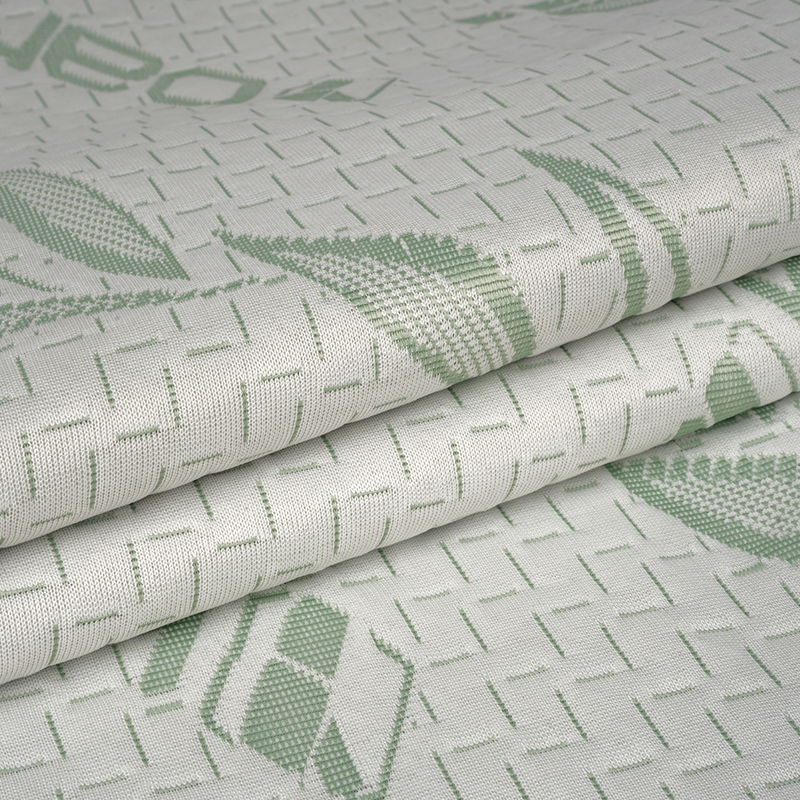
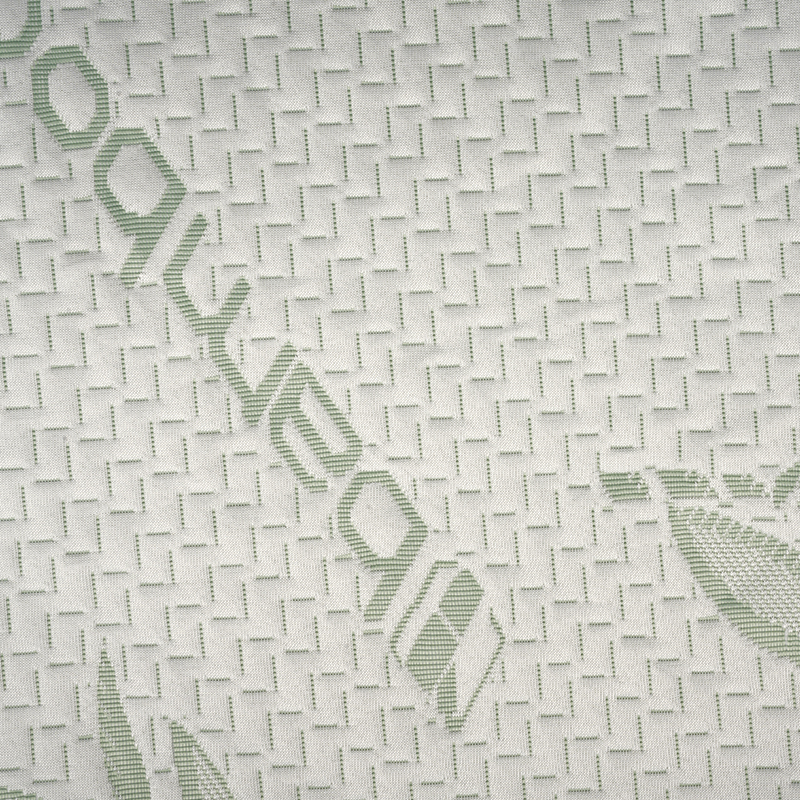
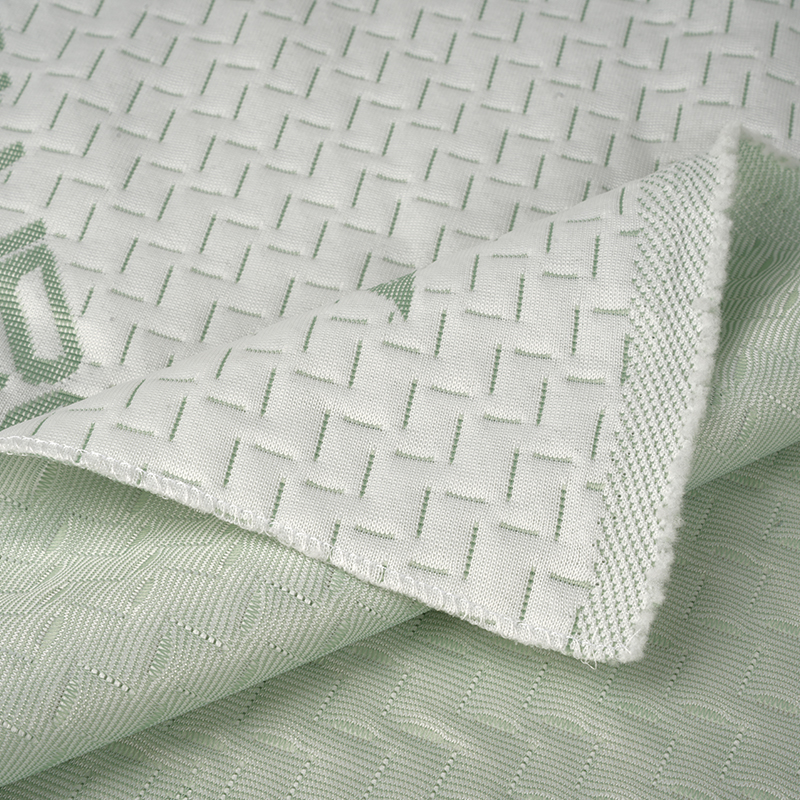

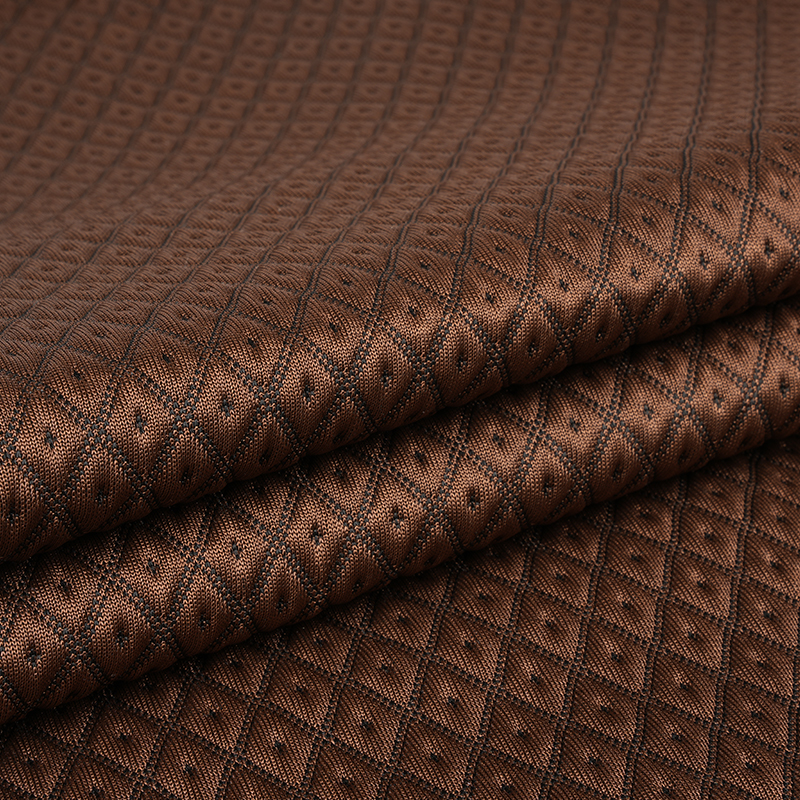
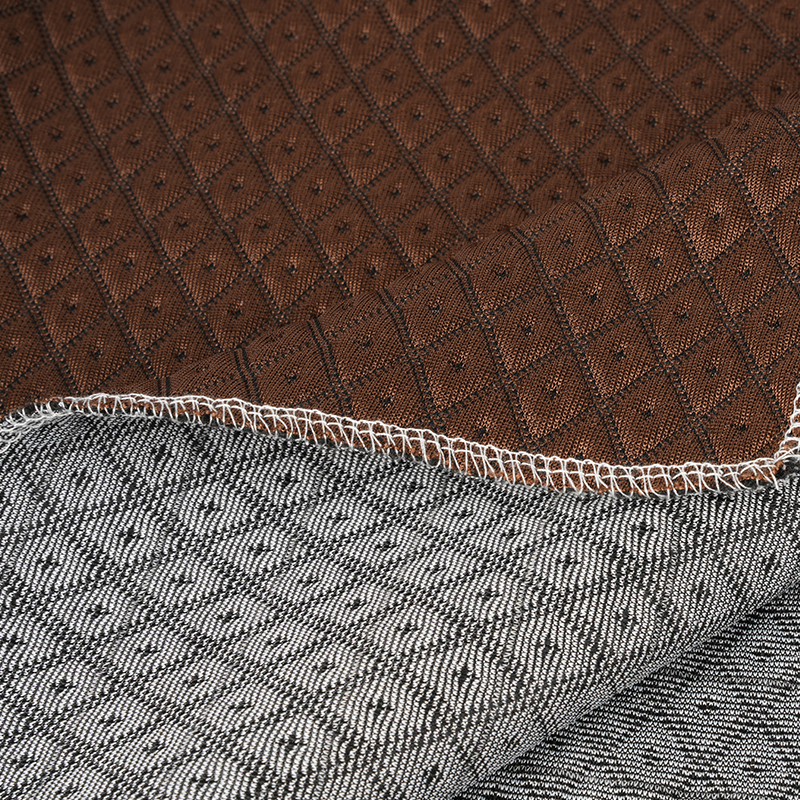
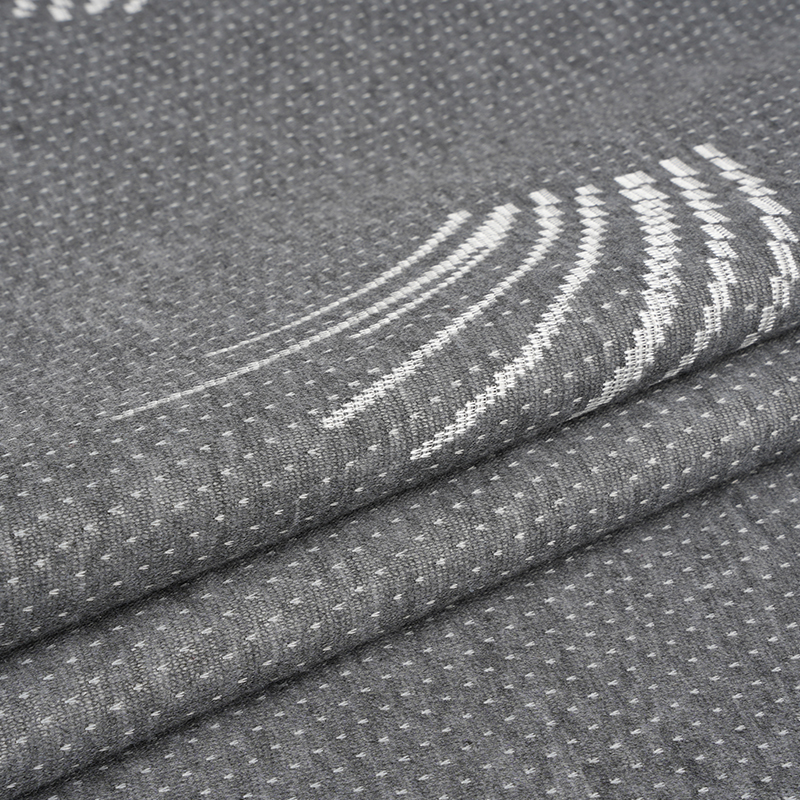
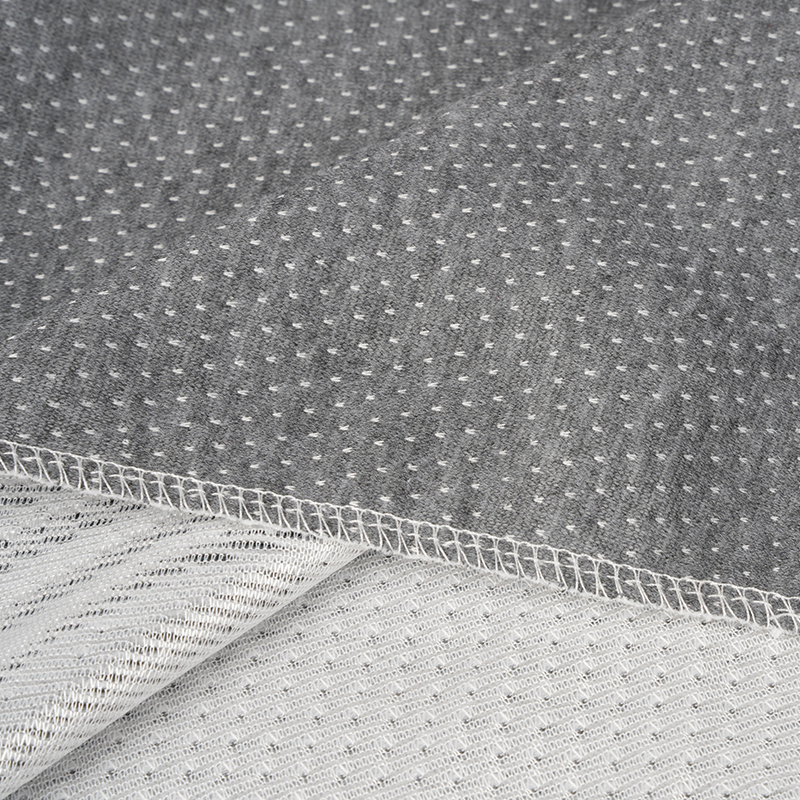
The antibacterial yarn material in the knitted air-layer fabric features three core characteristics: broad-spectrum antibacterial properties, long-lasting antibacterial effect, and safety without irritation. Its antibacterial factors can quickly disrupt the cell membrane structure of bacteria and mites, achieving an inhibition rate of over 99% against common pathogens such as Escherichia coli and Staphylococcus aureus. Its antibacterial performance withstands over 50 washes, far exceeding the durability standards of ordinary finished antibacterial fabrics. Furthermore, the antibacterial factors do not leach out, and it contains no formaldehyde, heavy metals, or other harmful substances. It has passed mother-and-baby safety certification, allowing direct contact with sensitive skin without the risk of allergies.
Antimicrobial yarn pillowcase fabric is an innovative textile material specifically designed for bedding. It incorporates safety-verified antimicrobial agents during the yarn formation or finishing process, aiming to inhibit the growth of common bacteria and fungi on the pillowcase surface. This fabric focuses on sleep hygiene while also emphasizing durability and a skin-friendly experience. Its mechanism typically involves disrupting microbial cell structures or inhibiting their reproduction, rather than merely providing a barrier, thereby offering more lasting protection. As the direct contact layer of a pillowcase, this fabric plays a defined role in enhancing personal and household care levels.
Core Advantages
● Hygiene Maintenance: Helps reduce bacteria and odors caused by sweat and sebum, facilitating pillow core cleanliness.
● Durable Property: The antimicrobial efficacy is often resistant to multiple washes, maintaining performance over time.
● Safety & Compatibility: Utilizes skin-friendly antimicrobial technologies compliant with relevant textile safety standards.
● Easy Care: Most variants feature good washability, enabling easy routine cleaning and maintenance.
Product Features
● Antimicrobial Spectrum: Exhibits inhibitory effects against common strains such as Staphylococcus aureus, Escherichia coli, and Candida albicans.
● Processing Technology: Available via masterbatch antimicrobial (added during fiber spinning) or post-finishing antimicrobial treatment.
● Material Composition: Common base materials include cotton, polyester, or blended yarns combined with antimicrobial technology.
● Physical Properties: Retains the inherent physical properties of the base material, such as breathability, moisture-wicking, or softness.
● Appearance & Texture: The antimicrobial treatment generally does not significantly alter the fabric's original appearance, color, or hand feel.
Application Scenarios
● Home Bedding: Suitable for household pillowcases, particularly in environments where sleep hygiene is a priority.
● Hospitality Industry: Used for linen in hotels and accommodations, meeting the hygiene requirements of public lodging facilities.
● Healthcare & Senior Care: Applicable in hospitals, nursing homes, and other institutions with specific environmental hygiene needs.
● Personal Sensitive Care: Appropriate for pillowware used by individuals with sensitive or allergy-prone skin.
Parameters & Guidelines
● Antimicrobial Standards: Complies with antimicrobial performance test methods such as GB/T 20944.3, ISO 20743, or AATCC 100.
● Wash Durability: Antimicrobial efficacy is often indicated to withstand a specified number of washes (e.g., remains effective after 50 standard washes).
● Material Specifications: Available in various yarn counts, densities, and fabric weights based on requirements.
● Storage Conditions: Recommended to store in a dry, well-ventilated warehouse environment, avoiding dampness and direct sunlight.
● Usage Note: It is advised to follow the provided care instructions for washing. Avoid using strong bleaching agents to support long-term use.
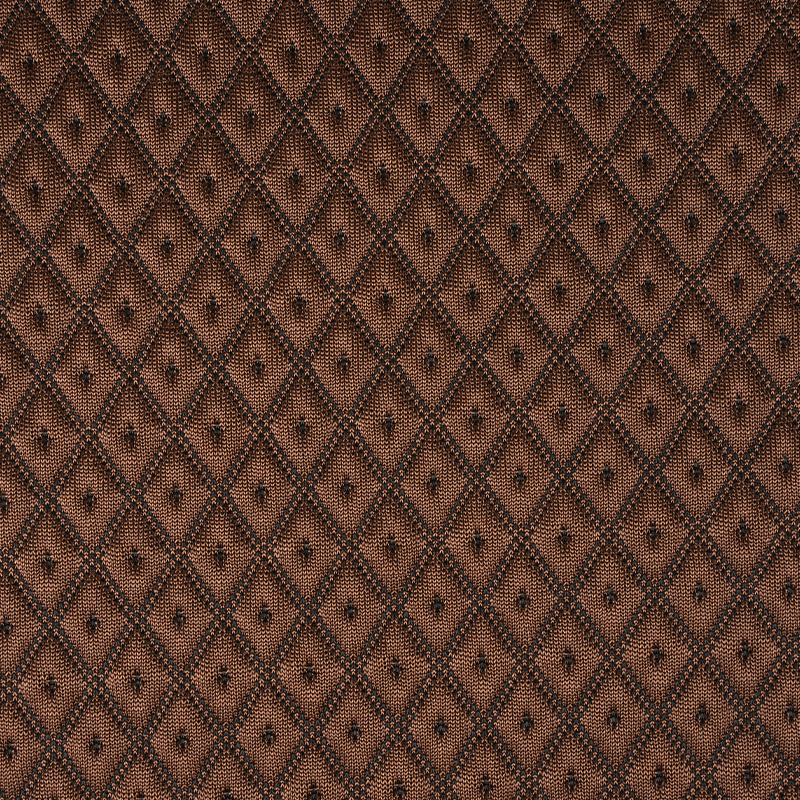
We Create Safe, Healthy and Comfortable Living Spaces Through Innovative Technology.
Hangzhou Xinsili Decorative Fabric Weaving Co.,Ltd. specializes in the innovative research, development, and precision manufacturing of decorative textiles.
We are China Antibacterial Yarn Pillowcase Fabric Manufacturers and Custom Antibacterial Yarn Pillowcase Fabric Factory, Exporter.
Guided by the vision of "Weaving Beautiful Spaces," we are committed to delivering high-quality, environmentally friendly decorative solutions to global clients through our stable and practical fabric products. Upholding the corporate values of "Craftsmanship-Driven Manufacturing, Design Innovation, and Win-Win Collaboration," we empower design through technological advancement and build trust with steady and reliable quality, striving to become a trusted partner in the decorative textiles industry.
Years of Industry Experience
Factory Area
Number of Employees
Annual Output
Export Volume
Provide you with the latest enterprise and industry news
Read MoreThe antimicrobial efficacy of Antibacterial Yarn Pillowcase Fabric depends fundamentally on active agent selection and deployment methodology. Silver-based systems operate through multiple mechanisms: silver ions bind to bacterial cell membranes disrupting transport functions, penetrate cells to denature respiratory enzymes, and interfere with DNA replication. This multi-target approach minimizes resistance development compared to single-mechanism antibiotics, though silver-resistant bacterial strains have emerged in clinical environments with sustained high-concentration exposure.
Hangzhou Xinsili Decorative Fabric Weaving Co.,Ltd. distinguishes between silver deployment strategies. Surface coatings—silver salts or nanoparticles applied through padding or exhaustion—provide immediate antimicrobial activity but exhibit rapid depletion through washing. AATCC 100 testing typically shows 3-5 log reduction (99.9-99.999%) initially, declining to <1 log after 20-30 home launderings as surface silver elutes. In contrast, silver zeolite or silver glass carriers integrated during fiber extrusion or yarn processing release ions gradually through ion exchange with sodium and calcium in wash water, extending functional lifespan to 50+ washes depending on carrier formulation.
Organic alternatives—quaternary ammonium compounds (QACs), triclosan, and polyhexamethylene biguanide (PHMB)—offer different performance profiles. QACs create cationic surfaces that attract and disrupt negatively charged bacterial membranes. These agents bond ionically to anionic fabric surfaces (cotton, rayon) providing durable activity, but their efficacy against Gram-negative bacteria (E. coli, Pseudomonas) is generally inferior to silver systems. Regulatory pressure increasingly restricts triclosan and triclocarban in consumer products due to environmental persistence and endocrine disruption concerns, narrowing viable organic options.
Copper-infused textiles have gained attention following demonstrated efficacy against enveloped viruses, including human coronaviruses and influenza strains. The oligodynamic effect—toxicity of heavy metal ions to microorganisms at low concentrations—operates more aggressively for copper than silver in certain contexts, with contact times as short as 30 seconds achieving 4-log viral reduction on copper surfaces. Textile integration challenges include copper's propensity to oxidize, creating color shifts from salmon-pink to green-black that limit aesthetic applications unless carefully managed through alloy formulation or encapsulation.
Copper oxide (CuO and Cu2O) incorporation into synthetic fibers—particularly polyester and nylon—provides stable coloration and controlled ion release. Unlike metallic copper, which requires direct microbial contact, copper oxide particles distributed throughout fiber cross-sections maintain activity as surface layers wear or leach. This reservoir effect proves valuable for high-abrasion applications, though particle size distribution critically influences both color consistency and mechanical properties. Excessive loading (>5% by weight) compromises yarn tenacity and creates processing difficulties during spinning and weaving.
Zinc oxide and zinc pyrithione represent additional inorganic options with milder antimicrobial spectra but superior skin compatibility profiles. These agents find particular application in products targeting dermatological concerns—acne, seborrheic dermatitis—where antimicrobial action combines with sebum regulation. The trade-off involves reduced efficacy against gram-negative pathogens compared to silver or copper, making zinc-based systems more suitable for cosmetic rather than clinical hygiene applications in Antibacterial Yarn Pillowcase Fabric specifications.
Chitosan, deacetylated chitin derived from crustacean shells or fungal biomass, offers a renewable alternative to metal-based antimicrobials. Its polycationic nature at acidic pH enables binding to bacterial cell walls and disruption of membrane permeability. Unlike silver, chitosan demonstrates broad-spectrum activity including fungi and algae, with particular efficacy against Candida species relevant to skin flora management. The biopolymer's film-forming characteristics additionally provide barrier properties and moisture retention benefits for skin contact applications.
Processing challenges center on chitosan's pH-dependent solubility and thermal sensitivity. Acidic dissolution (typically acetic or citric acid) required for textile application introduces odor concerns and potential fabric damage during curing. Graft copolymerization with reactive monomers (glycidyl methacrylate, maleic anhydride) creates covalent bonding to cellulose, improving wash durability but complicating processing. Crosslinking with glutaraldehyde or genipin enhances fixation but raises toxicological questions that conflict with the natural positioning of chitosan-based products.
Molecular weight significantly influences antimicrobial performance and handling properties. High-molecular-weight chitosan (>100 kDa) forms viscous solutions and durable surface films but exhibits reduced penetration into microbial cell walls. Low-molecular-weight oligomers (<10 kDa) demonstrate superior antimicrobial activity through easier membrane penetration but wash out rapidly without chemical fixation. Optimized formulations balance these factors, often employing chitosan blends or controlled depolymerization to achieve both performance and durability targets.
Antimicrobial claims on textile products trigger regulatory scrutiny varying by jurisdiction and intended use. In the United States, EPA jurisdiction applies when products incorporate registered pesticides (most metal-based antimicrobials) or make public health claims (protection against disease-causing organisms). FDA oversight applies to medical device classifications. These distinctions create compliance complexity: a pillowcase marketed for "odor control" may avoid EPA registration, while identical construction promoted for "reducing bacterial transmission" requires pesticide product registration.
Standardized testing protocols provide comparability but not interchangeability. AATCC 100 (Assessment of Antibacterial Finishes on Textile Materials) measures bacterial reduction after direct contact, while AATCC 147 (Parallel Streak Method) evaluates diffusion-based activity. ISO 20743 offers international harmonization but permits multiple test methods (absorption, printing, transfer) yielding non-comparable results. JIS L 1902, widely referenced in Asian markets, includes both qualitative (halo) and quantitative (absorption) methods with specific Staphylococcus aureus and Klebsiella pneumoniae reference strains.
Durability testing—specifically antimicrobial persistence through laundering—remains inconsistently standardized. Some protocols specify 10 wash cycles, others 50, with varying water temperatures and detergent compositions that dramatically influence results. We validate our products against multiple scenarios, recognizing that consumer washing practices vary widely. This rigorous approach to performance verification, combined with transparent communication about expected functional lifespan, reflects our Craftsmanship-Driven Manufacturing values at Hangzhou Xinsili Decorative Fabric Weaving Co.,Ltd., ensuring that antimicrobial properties deliver genuine utility rather than marketing differentiation alone.
Yi qiao Town, Xiaoshan District, Hangzhou City, Zhejiang Province, China
