

 English
 中文简体
中文简体 Español
 عربى
عربى русский

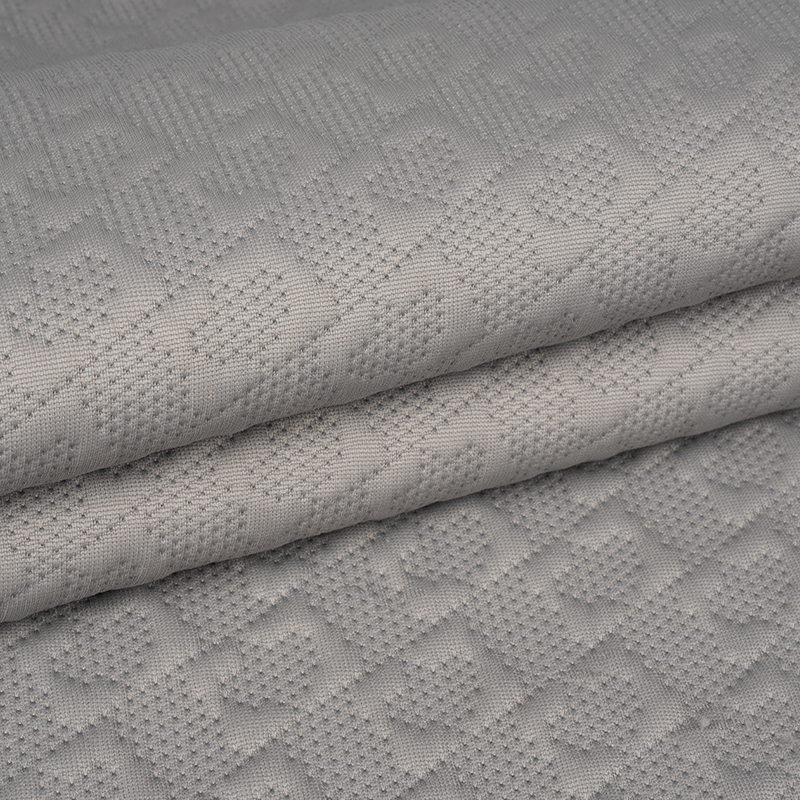
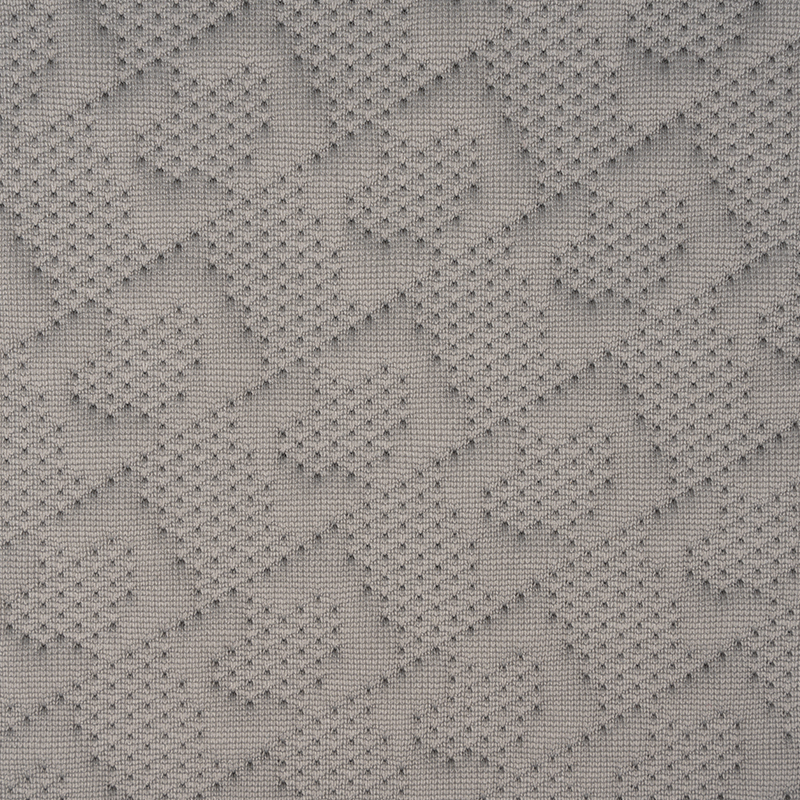
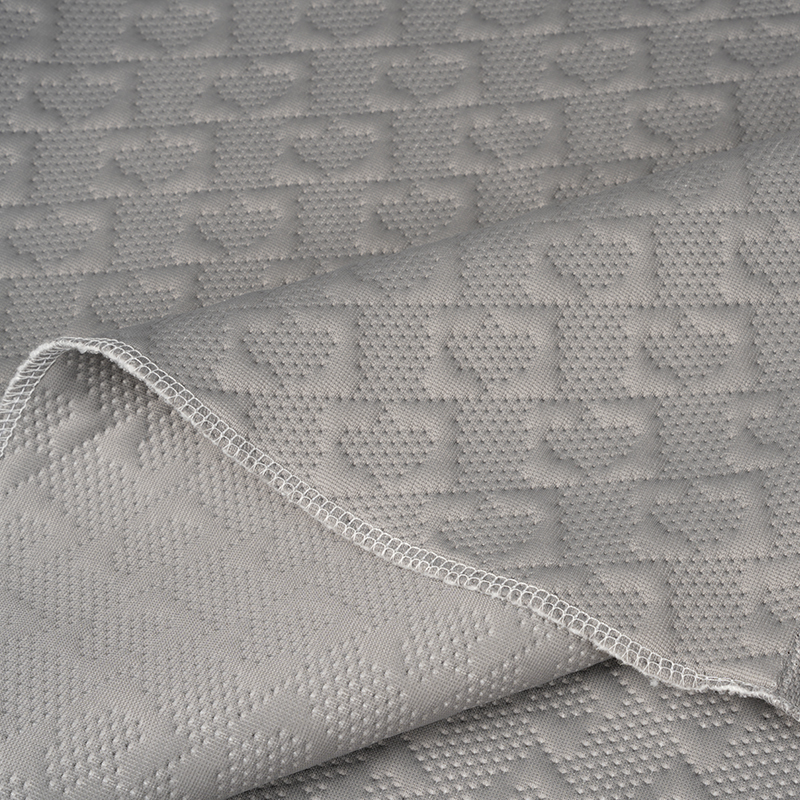

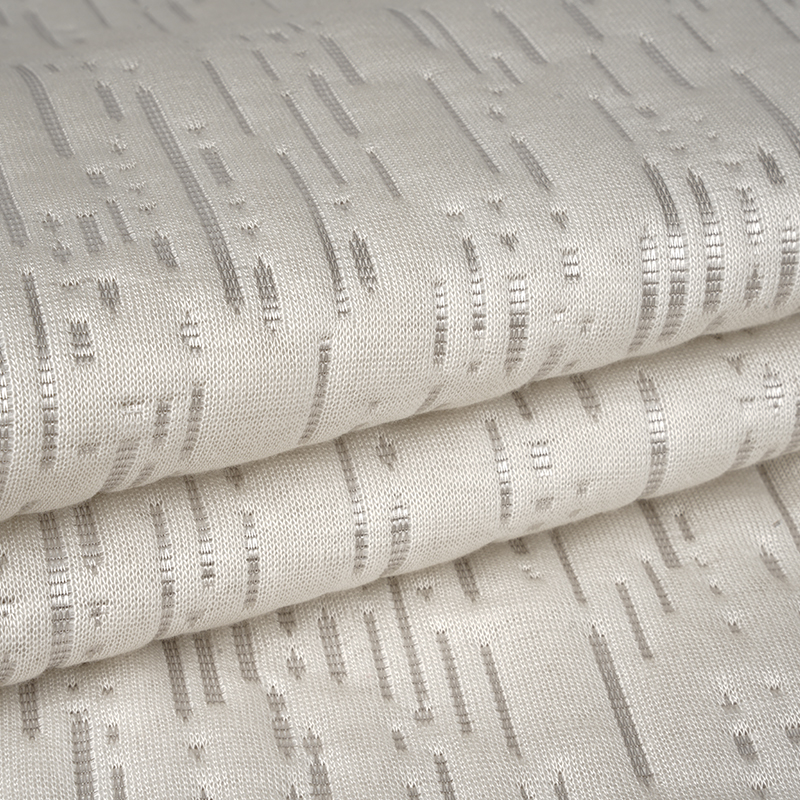
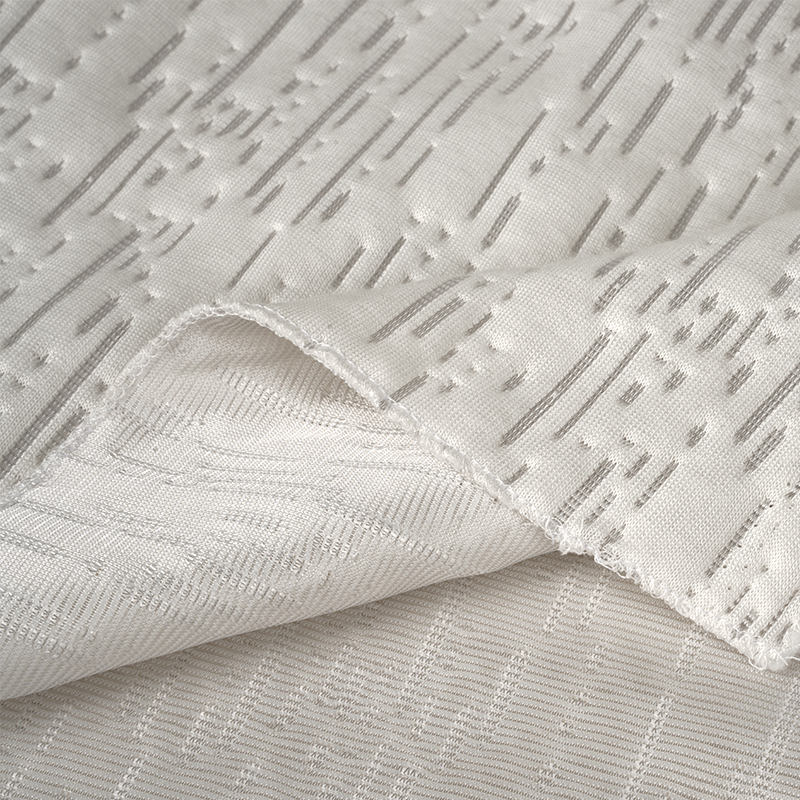
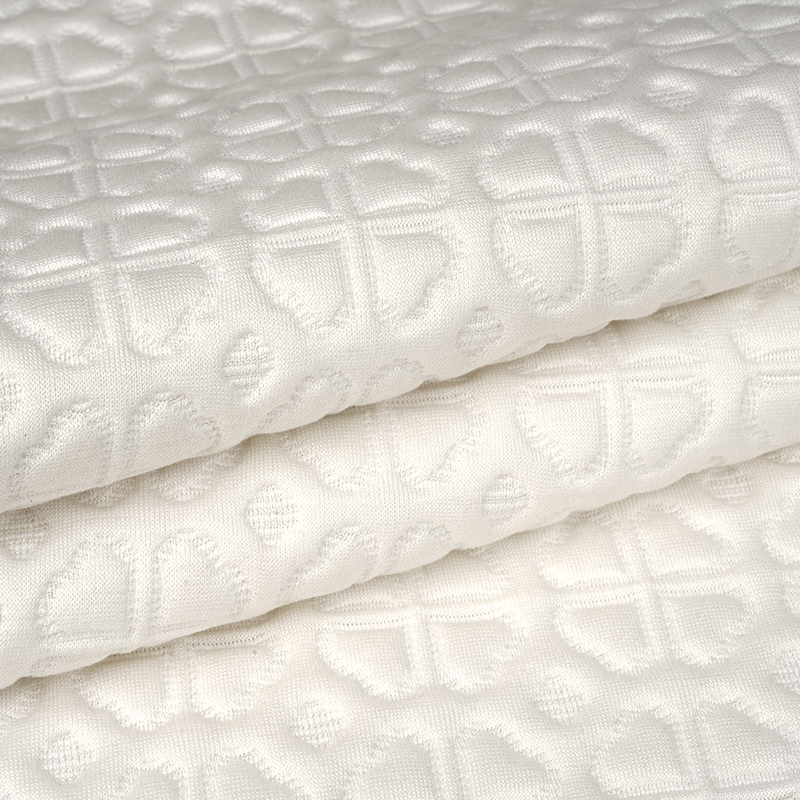
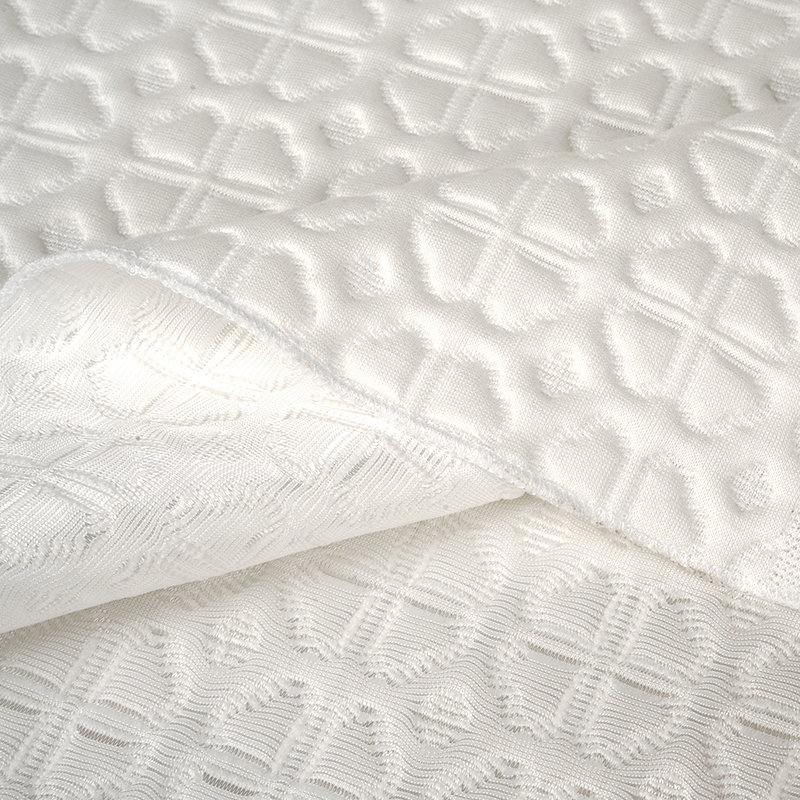
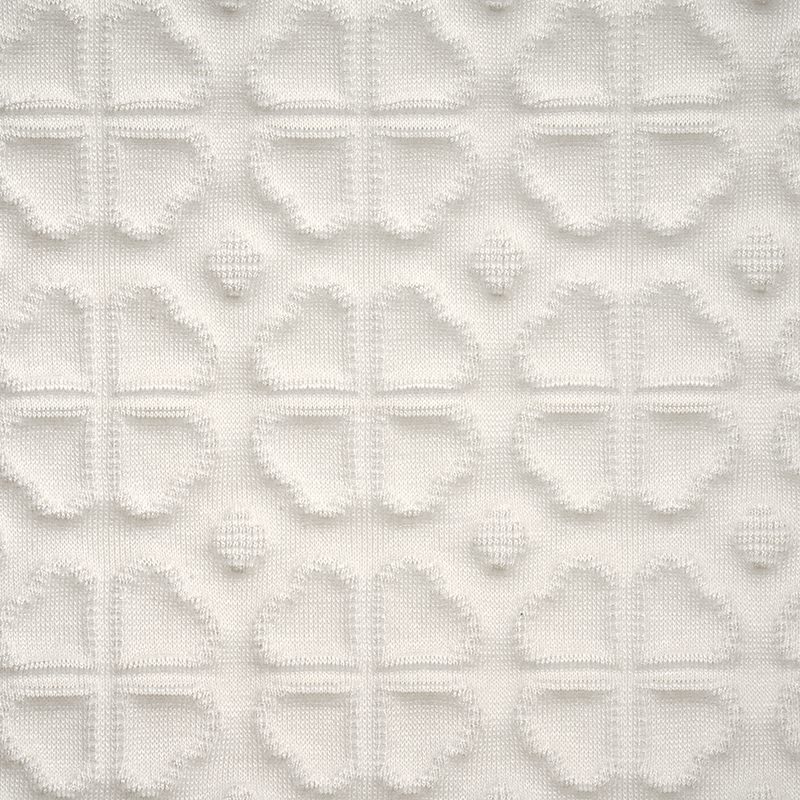
The physical structure of antibacterial yarn is based on modified fibers, with antibacterial agents evenly distributed inside and on the surface of the fibers, forming a "dual-effect antibacterial barrier." When applied to knitted air-layer fabrics, the smoothness of its fibers optimizes the three-layer structure of the air layer—"surface layer - hollow layer - bottom layer"—reducing fiber entanglement and making the fabric more fluffy and less prone to clumping. Simultaneously, the high strength of the antibacterial yarn enhances the tensile strength of the air-layer fabric, maintaining the breathable space of the hollow layer even under long-term pressure, ensuring that antibacterial and breathable functions are performed simultaneously.
Antimicrobial Yarn Children's Mattress Fabric is a functional textile specifically developed for children‘s sleep health. Its core technology involves the deep integration of silver ions or specific organic antimicrobial agents with fiber through blending or finishing processes, endowing the fabric itself with durable capabilities to inhibit the growth of bacteria and fungi (e.g., mold). This product prioritizes safety and practicality, aiming to create a cleaner and more reassuring sleep microenvironment for children. It effectively reduces bacterial proliferation caused by mattress dampness and perspiration, meeting the higher standards of modern families for children’s bedding hygiene.
Core Advantages
● Continuous Antimicrobial Protection: The antimicrobial agents are firmly bonded to the fibers, offering wash-resistant and long-lasting efficacy.
● Safe and Skin-Friendly: Production is strictly controlled to ensure the safety of antimicrobial components, complying with children‘s textile safety standards. The fabric features a soft hand feel suitable for children’s delicate skin.
● Healthy Sleep Environment: Effectively inhibits common mattress bacteria and sources of odor, helping to maintain cleanliness in the sleep area.
● Easy Maintenance: The fabric typically exhibits good durability and color fastness, facilitating daily cleaning and care.
Product Characteristics
● Antimicrobial Mechanism: Typically employs a contact-based mechanism, achieving antimicrobial effects by disrupting microbial cell structures or inhibiting their respiration.
● Material Composition: Common base materials include high-count, high-density cotton, cotton-polyester blends, or knitted fabrics, combined with antimicrobial functional yarns or finished with antimicrobial treatments.
● Processing Technology: May utilize built-in antimicrobial yarn spinning technology or pad-dry-cure finishing processes to ensure functional durability.
● Physical Properties: Focuses on breathability, moisture absorption, and wicking properties while ensuring fabric strength and abrasion resistance.
Application Scenarios
● Primarily used as the surface fabric for children's mattresses.
● Also suitable for matching bedding such as mattress protectors, fitted sheets, and pillow fabrics related to children’s sleep.
● Can be extended to settings with specific hygiene requirements, such as bedding for kindergartens or children‘s healthcare/rehabilitation facilities.
Relevant Parameters & Notes
● Antimicrobial Standards: Typically complies with relevant antimicrobial textile testing standards such as GB/T 20944.3 (China), ISO 20743 (International), or AAFA (USA). Test reports showing inhibition rates against specific strains (e.g., Staphylococcus aureus, Escherichia coli, Candida albicans) can be provided.
● Safety Certification: It is recommended to obtain Oeko-Tex Standard 100 certification to ensure the absence of harmful substances.
● Washing Instructions: Use neutral detergent. Low-temperature, gentle machine wash or hand wash is recommended. Avoid prolonged soaking and strong bleaching to protect the antimicrobial function and fabric lifespan.
● Storage Conditions: Store in a cool, dry place. Avoid dampness and direct sunlight to prevent material degradation.
We Create Safe, Healthy and Comfortable Living Spaces Through Innovative Technology.
Hangzhou Xinsili Decorative Fabric Weaving Co.,Ltd. specializes in the innovative research, development, and precision manufacturing of decorative textiles.
We are China Antibacterial Yarn Children Mattress Fabric Manufacturers and Custom Antibacterial Yarn Children Mattress Fabric Factory, Exporter.
Guided by the vision of "Weaving Beautiful Spaces," we are committed to delivering high-quality, environmentally friendly decorative solutions to global clients through our stable and practical fabric products. Upholding the corporate values of "Craftsmanship-Driven Manufacturing, Design Innovation, and Win-Win Collaboration," we empower design through technological advancement and build trust with steady and reliable quality, striving to become a trusted partner in the decorative textiles industry.
Years of Industry Experience
Factory Area
Number of Employees
Annual Output
Export Volume
Provide you with the latest enterprise and industry news
Read MoreThe classification "antibacterial" encompasses fundamentally different technological approaches that yield varying performance profiles. Silver-ion systems operate through oligodynamic action—released Ag⁺ ions bind to thiol groups in bacterial enzymes, disrupting respiratory chain function. Zinc oxide and copper-based alternatives employ contact-killing mechanisms where reactive oxygen species generation damages cell membranes. The distinction matters for mattress applications: release-based systems show declining efficacy as active agent depletes, while contact-killing maintains performance unless surface fouling physically blocks microbial access.
Quantifying antimicrobial performance requires understanding test methodology limitations. JIS L 1902 and AATCC 100, the standard textile assessment protocols, measure reduction against specific challenge organisms (typically Staphylococcus aureus and Klebsiella pneumoniae) under controlled laboratory conditions. Real-world performance depends on inoculum size, humidity, temperature, and the presence of organic soil that can neutralize active agents. A fabric demonstrating >99% reduction in laboratory testing may show substantially lower efficacy in actual use environments where these variables fluctuate.
Hangzhou Xinsili Decorative Fabric Weaving Co.,Ltd. addresses this gap through accelerated aging protocols that simulate 3-5 years of use conditions—repeated washing, UV exposure, and mechanical abrasion—before antimicrobial testing. This approach identifies systems where active agents remain stable within the fiber matrix rather than surface coatings vulnerable to leaching or physical removal.
The central engineering challenge for Antibacterial Yarn Children Mattress Fabric is maintaining antimicrobial functionality through the aggressive cleaning regimens that children's products demand. Standard laundering—hot water, alkaline detergents, mechanical agitation—accelerates active agent depletion. Silver-ion systems embedded in zeolite carriers show 40-60% efficacy loss after 50 domestic wash cycles when surface-applied; this improves to <15% loss when ions are incorporated during fiber extrusion and distributed throughout the polymer matrix.
The mechanical stresses specific to children's mattresses—jumping, crawling, concentrated point loads—create abrasion patterns that preferentially remove surface treatments. This explains why dip-coating or padding application of antimicrobial agents fails prematurely in this application category. Inherent antimicrobial fibers, where functionality derives from the base polymer chemistry or permanently encapsulated agents, maintain performance even when surface fibers abrade away, exposing fresh antimicrobial material.
UV stability represents another durability dimension often overlooked in indoor textile specifications. Window-filtered sunlight contains sufficient UV-A to photoreduce silver ions and degrade organic antimicrobial agents. Photostabilizer packages, while effective, can interfere with antimicrobial action by screening the active sites. The optimization requires balancing UV protection for the fiber substrate against maintaining antimicrobial accessibility—a formulation challenge that influences both fiber spinning parameters and finishing sequences.
Regulatory frameworks for antimicrobial textiles vary substantially across jurisdictions, creating compliance complexity for global distribution. The EU Biocidal Products Regulation (BPR) requires active substance approval and product authorization, with transition periods that have recently tightened. Silver, despite long history of use, faces increasing scrutiny regarding environmental accumulation and potential bacterial resistance development. Zinc pyrithione, previously common in textile applications, has been restricted due to aquatic toxicity concerns.
For pediatric applications, the margin between antimicrobial efficacy and toxicological safety narrows. Children's higher surface-area-to-mass ratio and developing organ systems amplify exposure risks. Migration testing—quantifying active agent transfer to artificial sweat or saliva simulants—must demonstrate levels below threshold of toxicological concern (TTC) values, typically <0.5 μg/cm²/day for silver in prolonged skin contact applications. These limits constrain formulation options, pushing development toward lower-release systems or alternative mechanisms.
Hangzhou Xinsili Decorative Fabric Weaving Co.,Ltd. navigates this landscape through pre-certification testing against multiple regulatory frameworks simultaneously, ensuring that Antibacterial Yarn Children Mattress Fabric compositions remain compliant across target markets without reformulation. This approach prioritizes chitosan-based and quaternary ammonium systems with established safety profiles over emerging technologies with unresolved toxicological questions.
The clinical concern driving antimicrobial textile adoption—healthcare-associated infections and domestic pathogen transmission—must be balanced against ecological consequences. Widespread antimicrobial use creates selective pressure that drives resistance development, potentially compromising the efficacy of medically critical antibiotics through cross-resistance mechanisms. This concern, initially centered on clinical settings, now extends to domestic environments where low-level antimicrobial exposure may contribute to resistance reservoir formation.
Textile-specific resistance pathways differ from pharmaceutical contexts. Bacterial adaptation to silver often involves efflux pump upregulation or outer membrane modification rather than the enzymatic degradation mechanisms that compromise antibiotics. These adaptations can increase bacterial tolerance without necessarily creating the high-level resistance that threatens therapeutic efficacy. Nonetheless, the precautionary principle suggests limiting antimicrobial textiles to applications with demonstrated infection risk reduction—healthcare settings, immunocompromised individuals, and high-humidity environments where microbial proliferation accelerates.
Alternative approaches gaining traction include probiotic textiles that introduce competitive exclusion organisms rather than killing pathogens, and quorum-sensing inhibitors that disrupt bacterial communication without selective pressure for resistance. While these technologies remain developmental for mattress applications, they represent the trajectory of antimicrobial strategy evolution. Current product development at Hangzhou Xinsili Decorative Fabric Weaving Co.,Ltd. incorporates modular antimicrobial systems—fiber-level agents with distinct mechanisms—that reduce the probability of resistance development through multi-target attack, while maintaining the performance durability essential for children's sleep environment protection.
Yi qiao Town, Xiaoshan District, Hangzhou City, Zhejiang Province, China
