

 English
 中文简体
中文简体 Español
 عربى
عربى русский

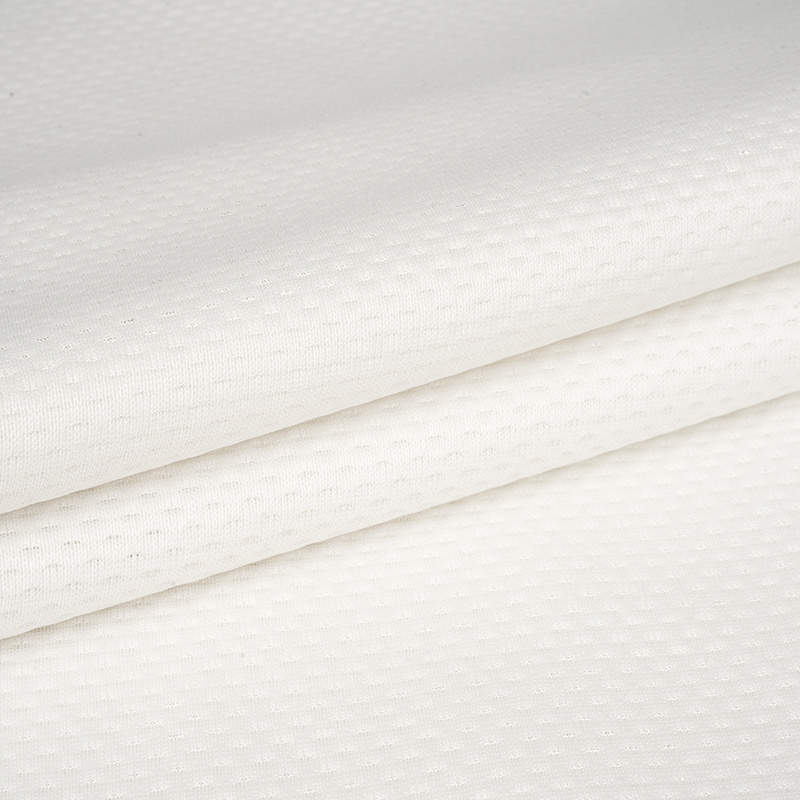
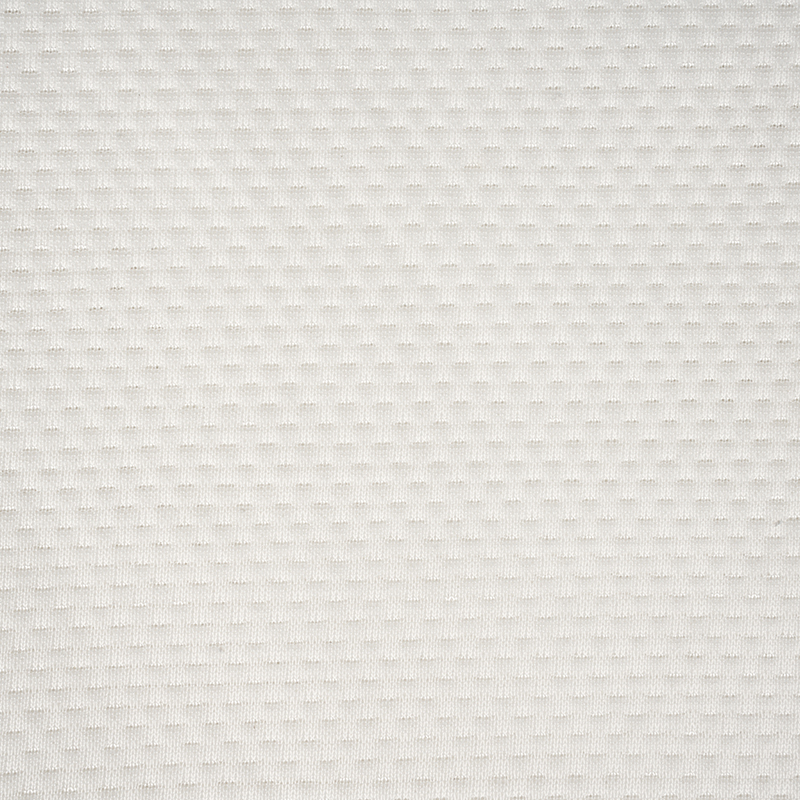
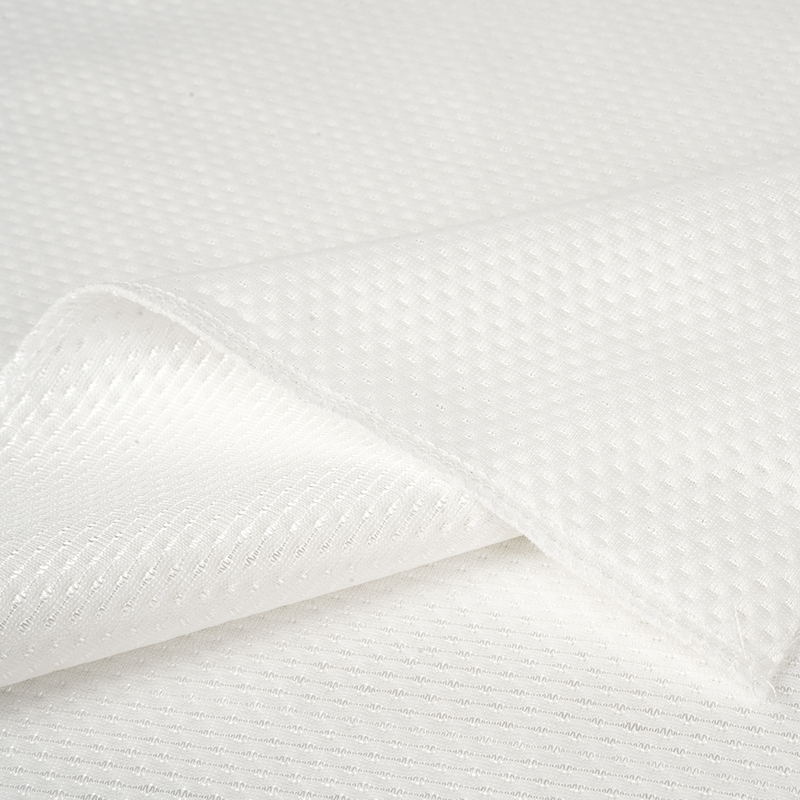

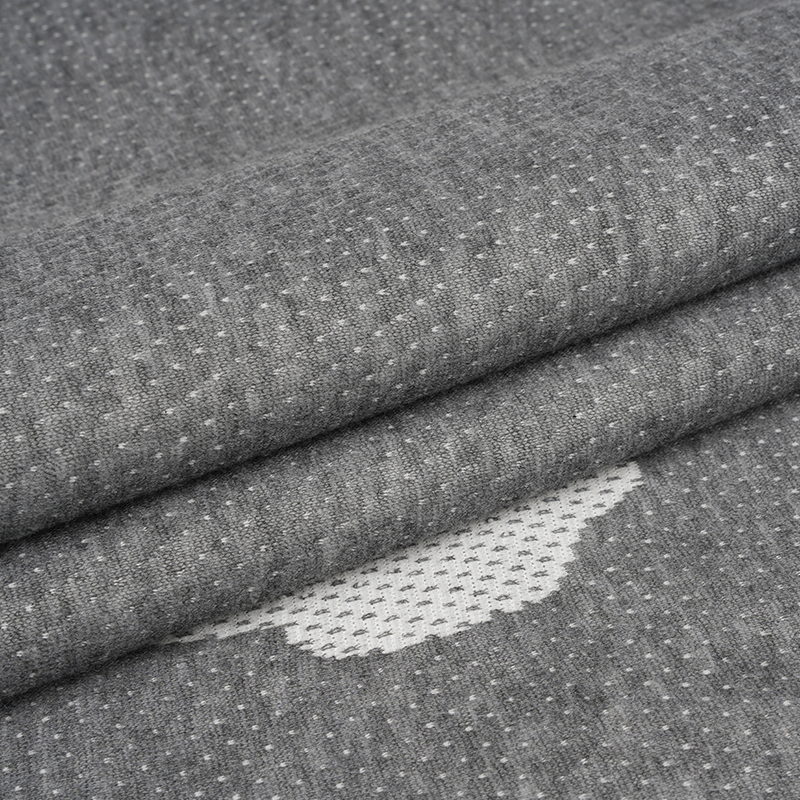
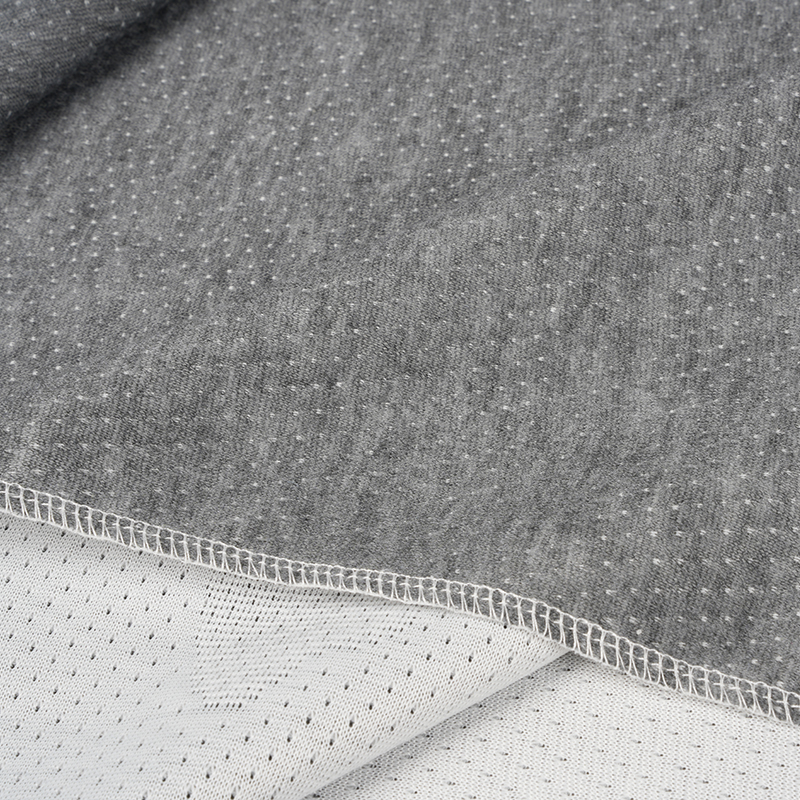
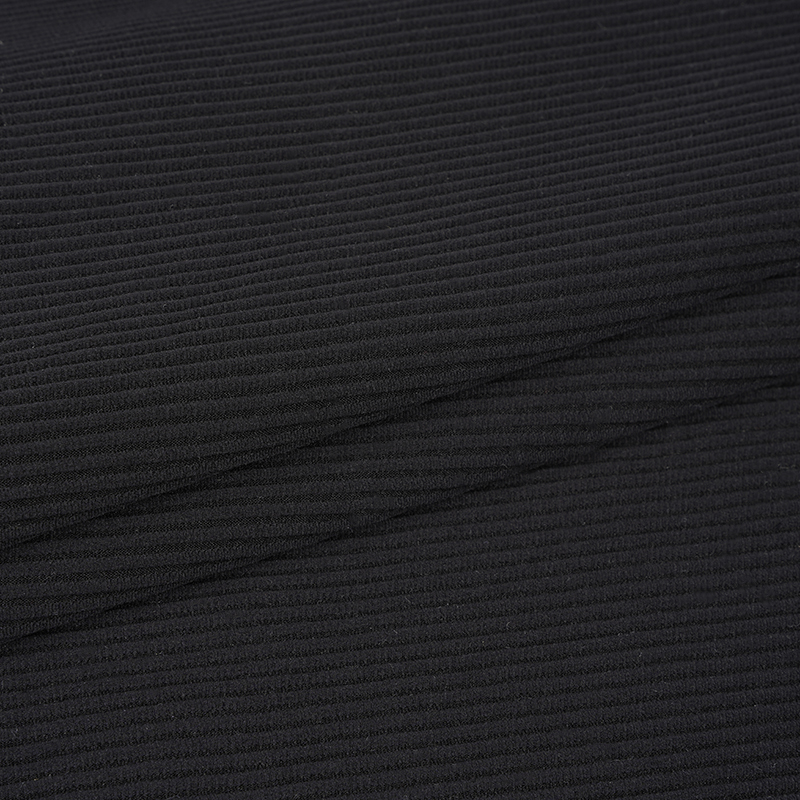
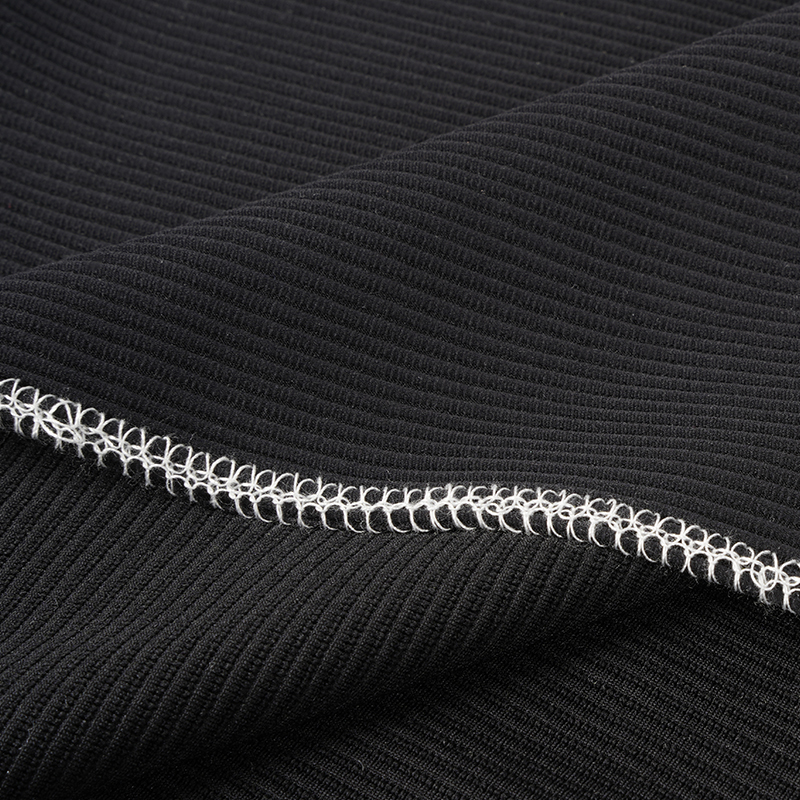
Bamboo fiber, a material used in knitted air-layer fabrics, boasts three core characteristics: natural antibacterial and anti-mite properties, moisture absorption and wicking, and UV protection. The "bamboo quinone" substance in bamboo fiber disrupts the living environment of bacteria and mites, exhibiting an antibacterial rate of over 98% against Escherichia coli and Staphylococcus aureus, with the antibacterial effect withstanding more than 50 washes. Its moisture absorption capacity is 1.5 times that of cotton fiber, quickly absorbing human sweat and releasing it through the air-layer gaps. Furthermore, bamboo fiber blocks over 70% of ultraviolet rays, making it suitable for home textiles used in sun-drying environments such as window seat cushions.
Bamboo fiber pillowcase fabric is a type of regenerated cellulose fiber fabric made from natural bamboo raw materials. The bamboo pulp is extracted through physical or chemical methods and then spun into fibers. This fabric retains the micro-porous structure of bamboo, offering notable breathability and moisture absorption. Its production process can be environmentally friendly, and the fiber itself possesses inherent antibacterial and bacteriostatic properties. As a pillowcase fabric, it provides a soft and skin-friendly touch, effectively regulating the humidity and temperature of the immediate sleep environment. It is suited for home textiles where sleep quality and skin compatibility are priorities.
Core Advantages
● Natural Origin & Environmental Profile: Sourced from renewable bamboo; production can utilize closed-loop, eco-friendly processes.
● Inherent Functional Properties: The fiber naturally offers antibacterial, bacteriostatic, and anti-mite properties, attributed to the "bamboo kun" component.
● Physical Comfort: The unique micro-porous structure provides high breathability and moisture-wicking capabilities.
● Skin Compatibility: The fabric surface is smooth with uniform fiber length, reducing skin friction and delivering a cool, fine feel.
Product Characteristics
1. Moisture Management: Rapidly absorbs and dissipates perspiration and moisture, maintaining a dry pillow surface.
2. Temperature Regulation: Good thermal conductivity and breathability aid in heat dissipation, providing a cool sleeping sensation.
3. Hygienic Maintenance: Natural antibacterial function helps inhibit bacterial growth and reduce odor formation.
4. Soft Hand Feel: Circular fiber cross-section and smooth surface contribute to a soft touch against the skin.
5. Dyeing Performance: High affinity for dyes, allowing for vibrant and colorfast results.
Application Scenarios
● Home Bedroom Textiles: Primarily for pillowcases, also suitable for sheets, duvet covers, and other bedding in direct contact with skin.
● Hotel & Guesthouse Linens: Used for pillowcases and bedding in mid-to-high-end hotels, emphasizing comfort and hygiene.
● Maternal & Infant Textiles: For baby and children's pillowcases requiring high safety and skin-friendliness.
● Gift Sets & Bedding Collections: A component in bedding sets that highlight natural and health-conscious concepts.
Related Parameters
● Composition: 100% Bamboo Fiber, or blends with cotton, modal, etc. (e.g., 70% Bamboo / 30% Cotton).
● Yarn Count & Density: Common counts include 40s and 60s; higher counts typically indicate a finer fabric.
● Weave Process: Plain, twill, sateen, etc., affecting fabric appearance, hand feel, and durability.
● Grammage: Fabric weight per unit area (e.g., 120gsm - 200gsm), influencing thickness and drape.
● Dyeing Process: Reactive dyeing; color fastness grades (to washing, rubbing) comply with national textile standards.
● Fabric Width: Common widths are 150cm or 230cm, suitable for cutting pillowcases of various sizes.
Care & Maintenance Guidelines
● Washing: Machine wash in cold or lukewarm water with a mild detergent. Avoid prolonged soaking.
● Drying: Dry in a shaded, well-ventilated area after washing. Avoid prolonged direct sunlight to prevent fiber degradation.
● Ironing: If ironing is needed, use a low to medium temperature steam iron.
● Storage: Store in a dry, ventilated place after washing and drying. Avoid damp environments.
We Create Safe, Healthy and Comfortable Living Spaces Through Innovative Technology.
Hangzhou Xinsili Decorative Fabric Weaving Co.,Ltd. specializes in the innovative research, development, and precision manufacturing of decorative textiles.
We are China Bamboo Fiber Pillowcase Fabric Manufacturers and Custom Bamboo Fiber Pillowcase Fabric Factory, Exporter.
Guided by the vision of "Weaving Beautiful Spaces," we are committed to delivering high-quality, environmentally friendly decorative solutions to global clients through our stable and practical fabric products. Upholding the corporate values of "Craftsmanship-Driven Manufacturing, Design Innovation, and Win-Win Collaboration," we empower design through technological advancement and build trust with steady and reliable quality, striving to become a trusted partner in the decorative textiles industry.
Years of Industry Experience
Factory Area
Number of Employees
Annual Output
Export Volume
Provide you with the latest enterprise and industry news
Read MoreIn today's pursuit of a high-quality life, people's attention to the sleep environment has gradually extended from mattresses to more detailed dimensions—such as pillowcase fabric. In recent years, new environmentally friendly textile materials, represented by Bamboo Fiber Pillowcase Fabric, have rapidly gained popularity.
Bamboo fiber is a regenerated fiber extracted from natural bamboo. Its core characteristic lies in the combination of "naturalness + functionality". Compared to traditional cotton or synthetic fabrics, bamboo fiber has a finer micropore structure, giving it several natural properties:
The microporous structure facilitates air circulation, reducing stuffiness.
It can quickly absorb and release moisture, keeping you dry.
Some bamboo fibers contain "bamboo quinone," which has a certain antibacterial effect.
The rounded fiber cross-section reduces friction on the skin.
For these reasons, bamboo fiber pillowcases are gradually becoming the preferred choice for people with sensitive skin, those who sweat easily, and consumers who value a healthy lifestyle.
At night, the human body continuously emits heat, and the pillow, as an area in prolonged contact with the skin, requires extremely high temperature control from the fabric. Bamboo fiber has the characteristic of being "warm in winter and cool in summer," able to regulate temperature in different environments, keeping the head comfortable.
Compared to some rough or static-prone synthetic fabrics, bamboo fiber is smoother, helping to reduce hair tangles and breakage, while also reducing pulling on facial skin, thus benefiting both skin and hair care.
The natural antibacterial properties of bamboo fiber help reduce bacterial growth, especially in summer or humid environments. This is a significant advantage for people prone to acne or with sensitive skin.
The performance of bamboo fiber pillowcase fabric depends not only on the raw materials but also on the manufacturing process and weaving techniques. High-end products typically require the following key steps:
Ensuring fiber purity and stability.
Controlling yarn density and uniformity.
Different weave structures, such as satin and plain weave, affect the feel and performance.
Including softening finishing, antibacterial treatment, and environmentally friendly dyeing.
In this process, the company's technological accumulation and manufacturing capabilities are particularly crucial.
As a company deeply rooted in the decorative textile industry, Hangzhou Xinsili Decorative Fabric Weaving Co., Ltd. possesses significant advantages in the research and development and production of bamboo fiber and other functional fabrics. The company adheres to the principle of "manufacturing driven by technology and products empowered by design", providing customers with fabric solutions that combine aesthetics and practicality through precision weaving technology and a stable quality control system.
In the context of global advocacy for green development, the environmental attributes of bamboo fiber fabrics have become one of their key selling points:
Bamboo has a short growth cycle, requiring minimal pesticides.
Reduced pollution emissions through environmentally friendly processes.
Lower environmental impact compared to some synthetic fibers.
Hangzhou Xinsili Decorative Fabric Weaving Co., Ltd. is committed to "weaving beautiful spaces," emphasizing the application of environmentally friendly materials in product development and helping global customers achieve sustainable design goals through stable and practical fabric products.
Ensure the bamboo fiber content of the product is accurate and transparent, avoiding "hypothetical additives."
High-density weaving usually means better durability and a better feel.
Choosing a supplier with R&D capabilities and a stable production system is particularly important.
Certifications such as OEKO-TEX can be used as one reference standard.
With a mature production system and continuous innovation capabilities, Hangzhou Xinsili Decorative Fabric Weaving Co., Ltd. can provide customers with integrated services from design to mass production, ensuring consistent performance and quality for every fabric.
Integrating multiple functions such as antibacterial, anti-mite, and temperature control.
Deep integration of colors, textures, and home décor styles.
Meeting the individual needs of different markets and brands.
Hangzhou Xinsili Decorative Fabric Weaving Co., Ltd. is constantly exploring this trend, creating high-quality textile products that combine functionality and aesthetics for global customers through design innovation and technological upgrades.
A: Generally suitable. Their softness and low irritation make them a good choice for people with sensitive skin, but it is still recommended to choose products with non-irritating dyeing and finishing processes.
A: If properly pre-shrinked, the shrinkage rate can generally be controlled within a reasonable range. It is recommended to use according to the washing and care instructions.
A: Both have their advantages. Bamboo fiber is more focused on functionality (breathability, antibacterial properties), while cotton has advantages in durability and traditional acceptance.
Yi qiao Town, Xiaoshan District, Hangzhou City, Zhejiang Province, China
