

 English
 中文简体
中文简体 Español
 عربى
عربى русский

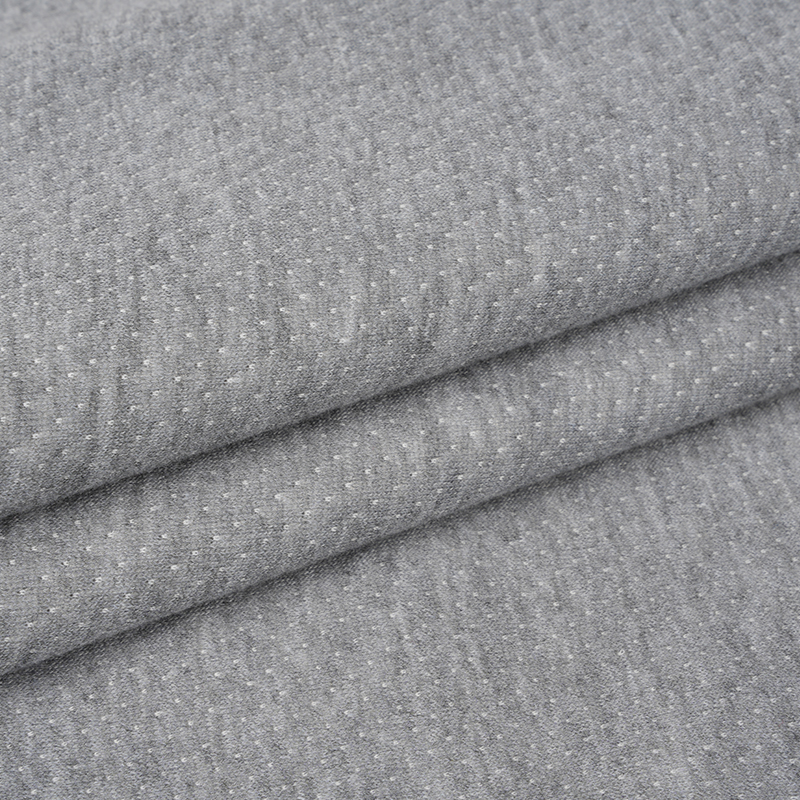
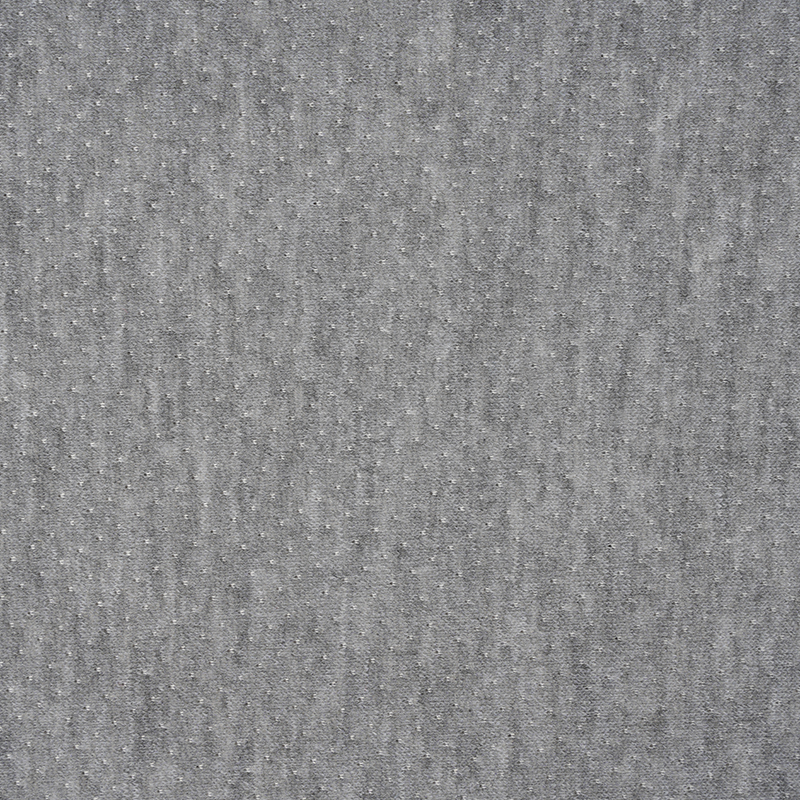
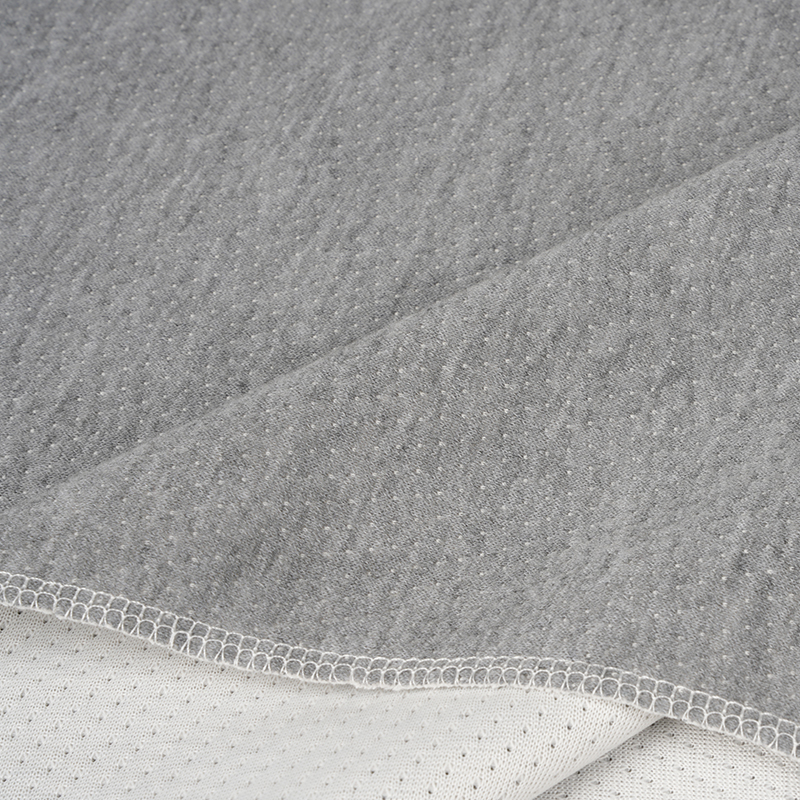

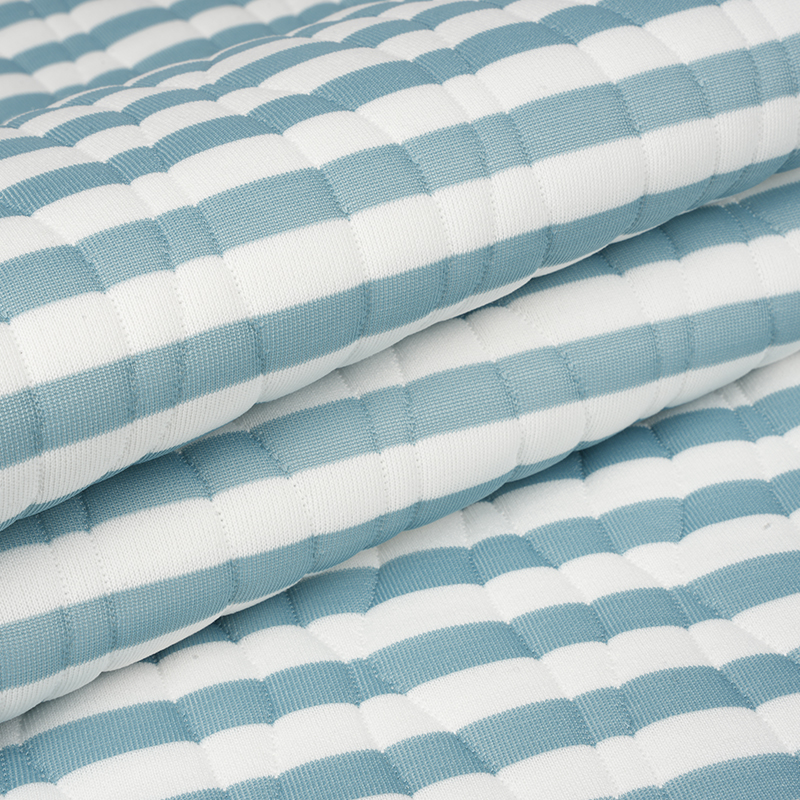
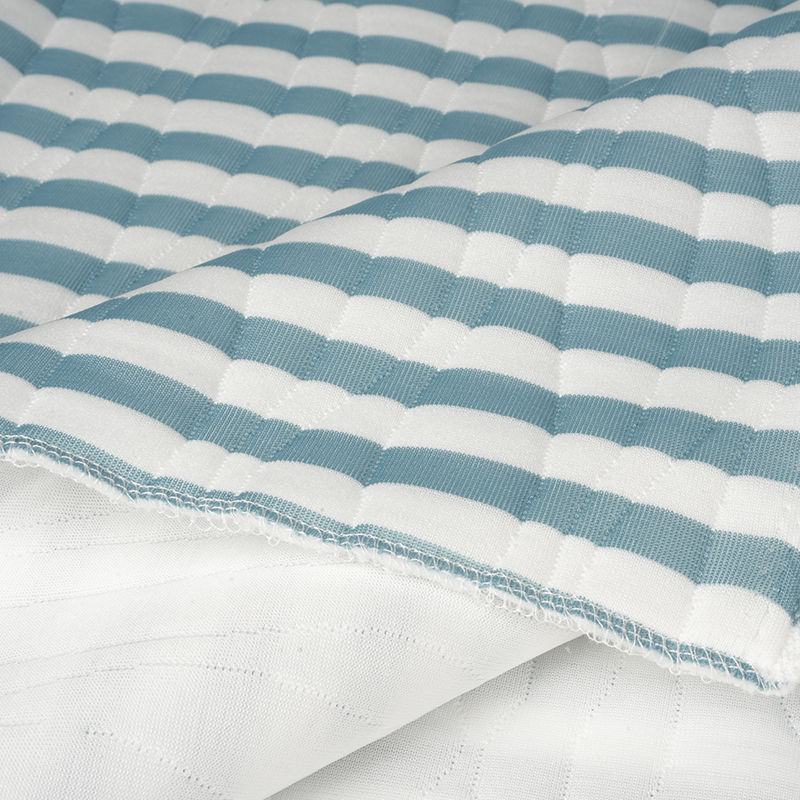
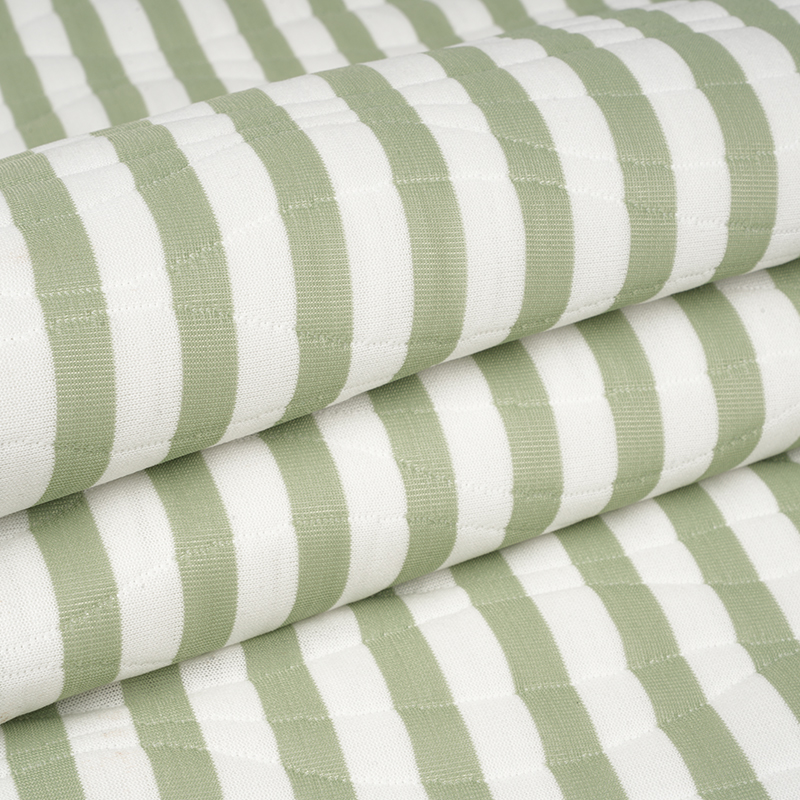
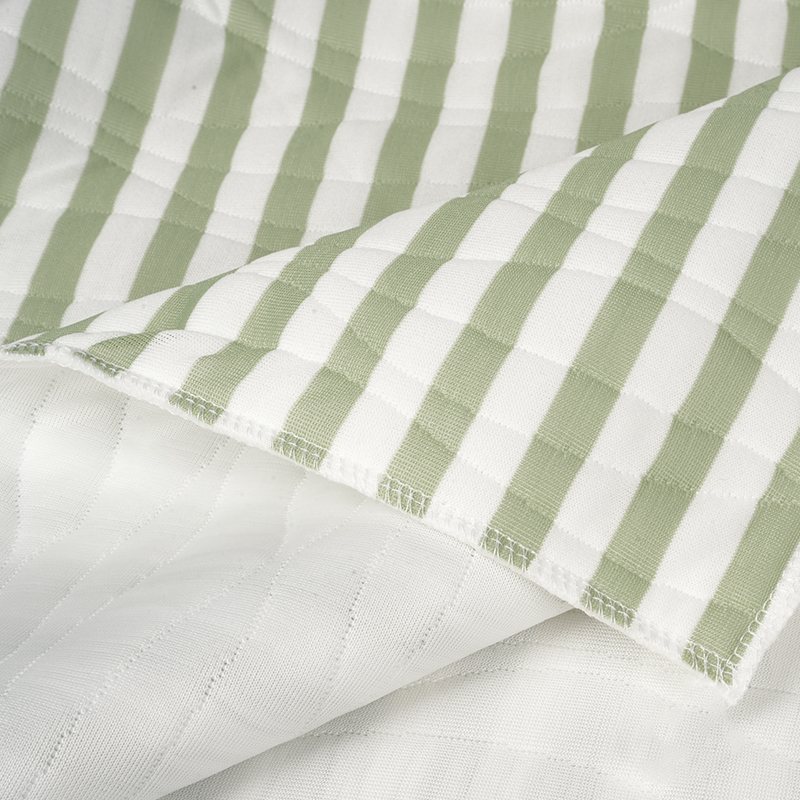
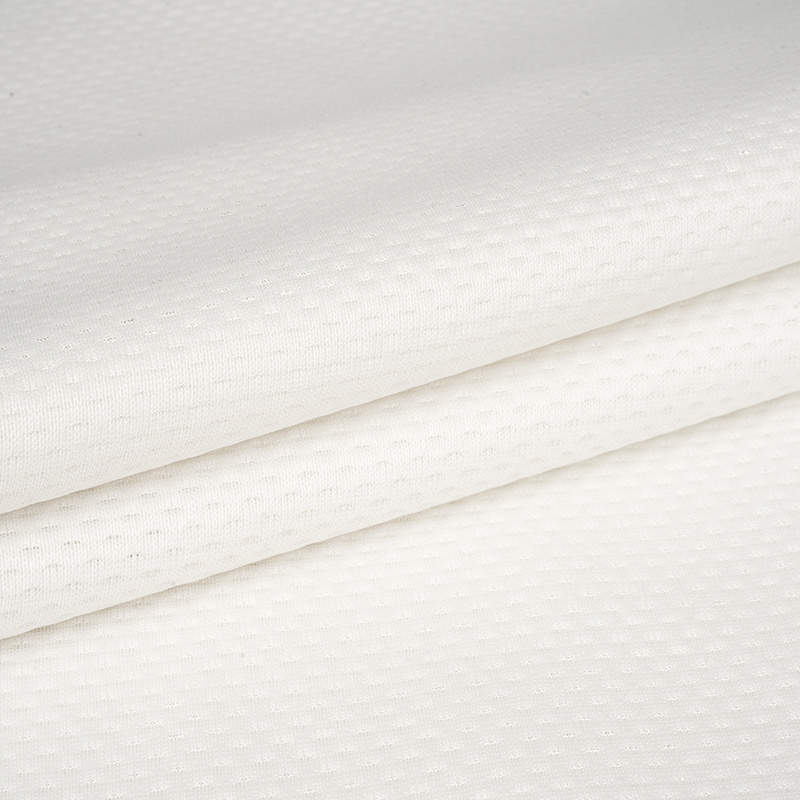
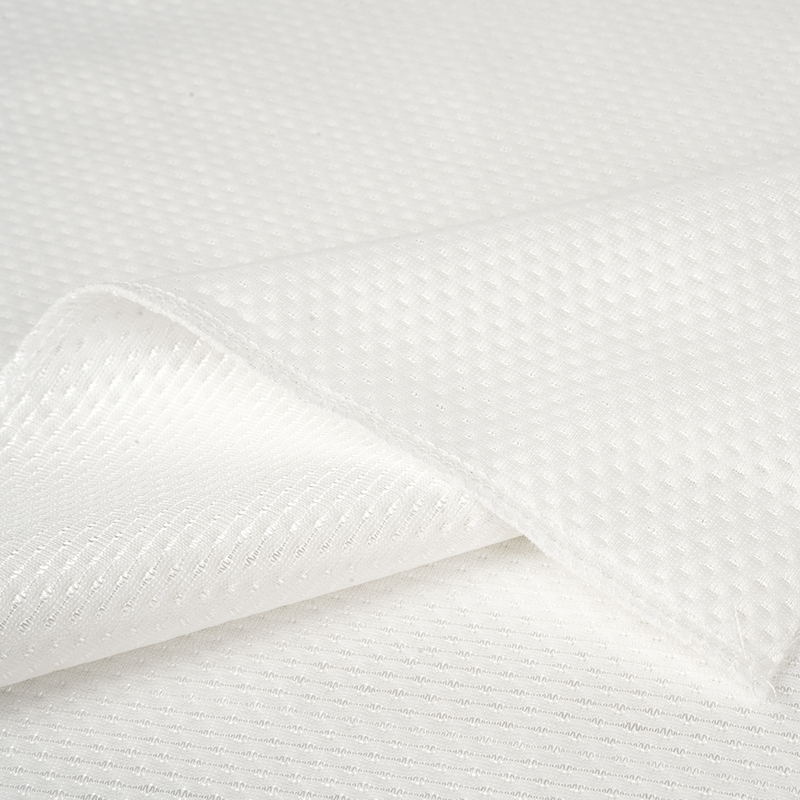
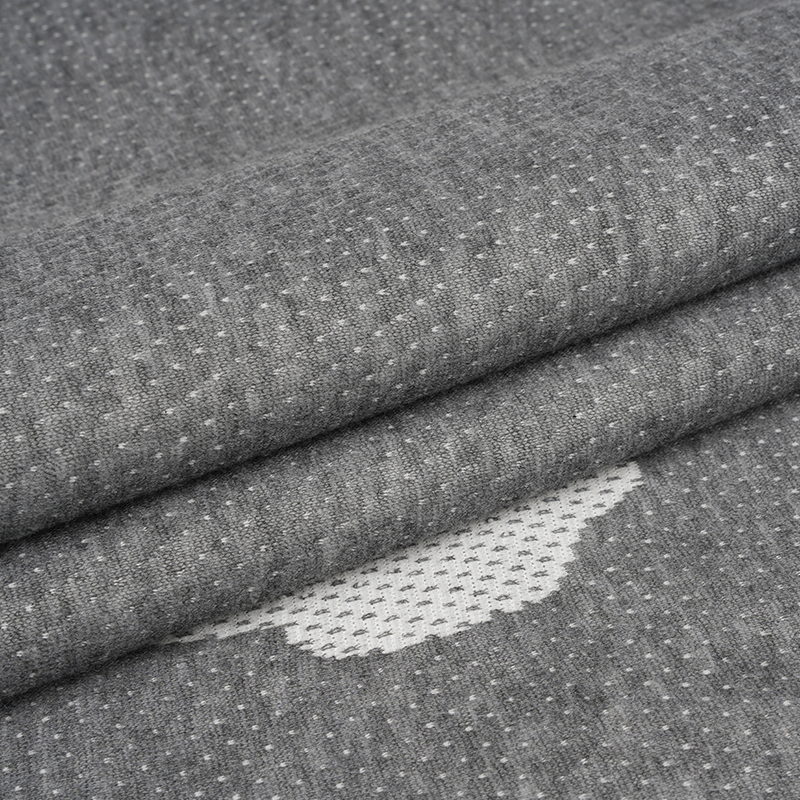
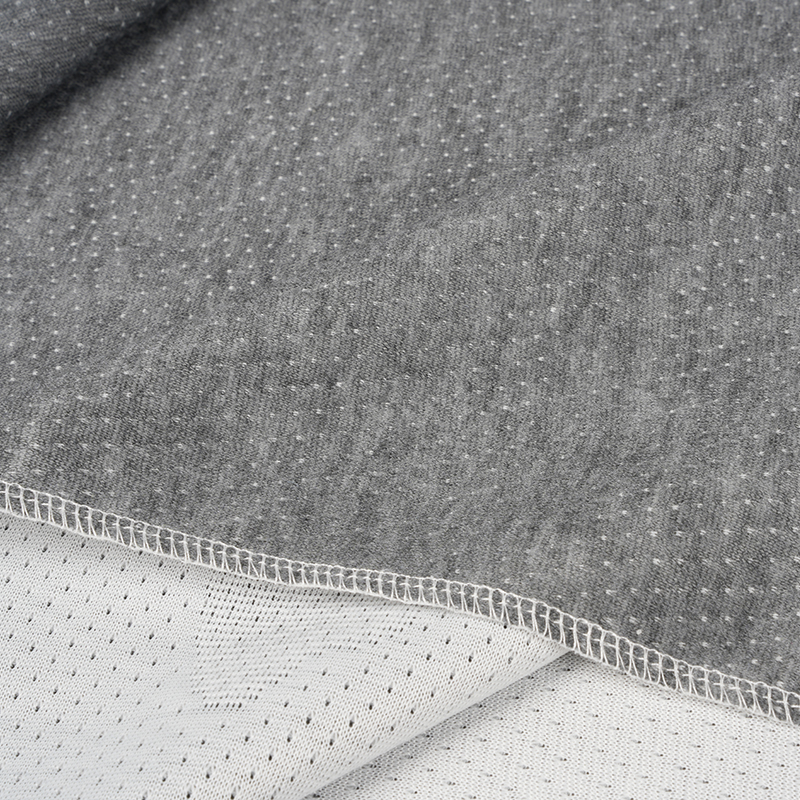
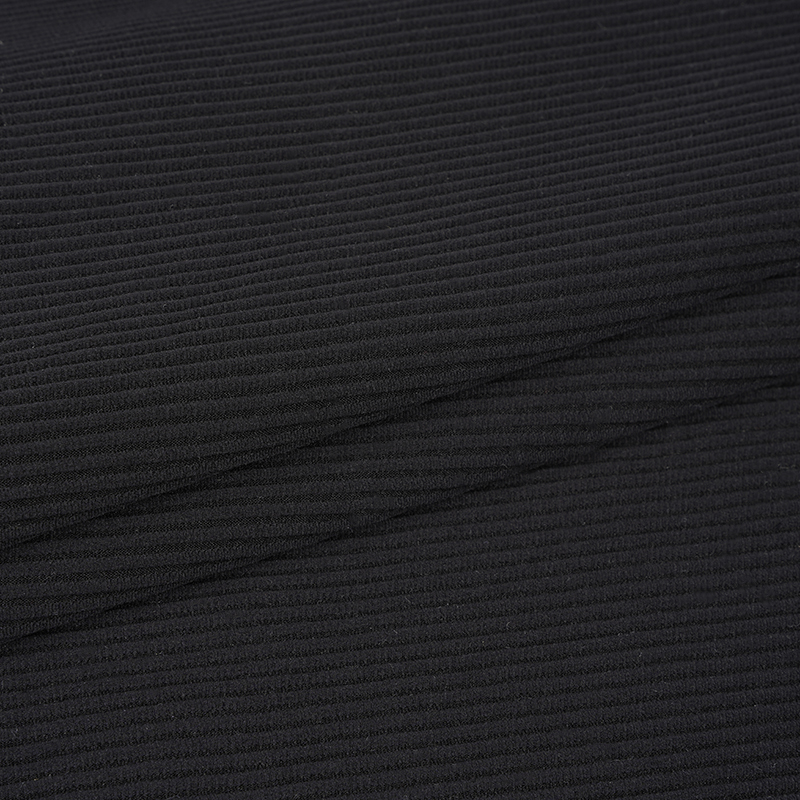
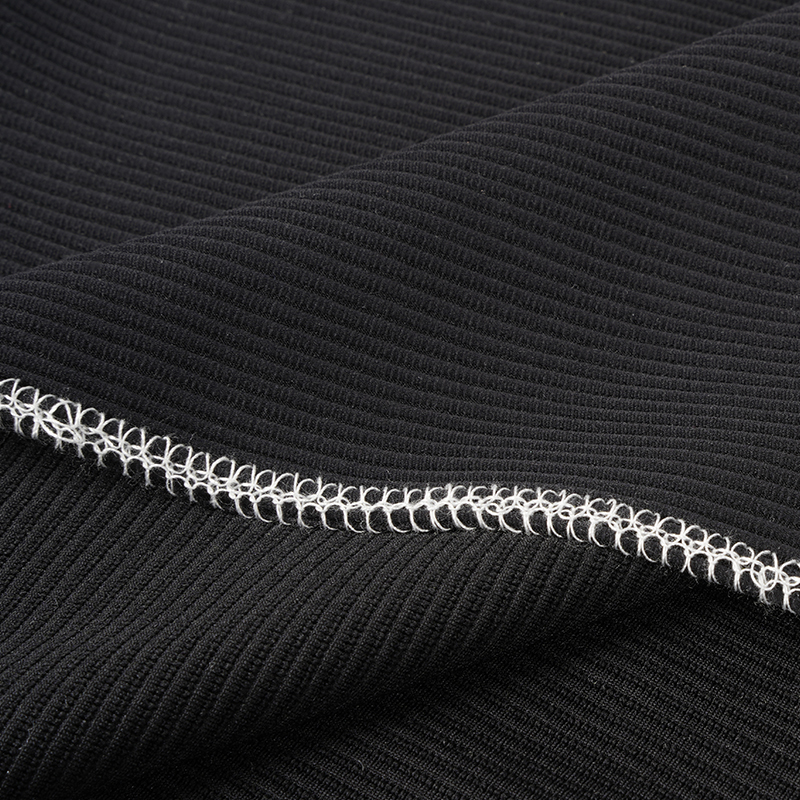
The nightly hours of sleep are a crucial time for the mind and body to shed fatigue. A pillowcase fabric of exceptional quality can elevate this moment of rest into a truly serene experience. Our pillowcase fabric is meticulously crafted for comfortable sleep and adapts seamlessly to various home environments—whether for quiet rest in the bedroom, lazy afternoon naps, or temporary respite during travel—providing an immersive, skin-friendly experience.
The fabric is woven from high-count, high-density natural fibers, eschewing inferior synthetic materials to ensure skin safety from the source. Through multiple refined textile processes, the fabric achieves a fine, dense texture that feels soft and smooth to the touch, like clouds gently caressing the skin. Its core features are particularly outstanding: First, exceptional breathability and moisture-wicking properties quickly dissipate sweat and humidity generated during sleep, keeping the pillow surface dry and free from stickiness, banishing discomfort caused by dampness. Second, excellent skin-friendliness without irritation, rigorously tested for hypoallergenic qualities and free from harmful dyes and fluorescent agents, making it safe even for sensitive skin. Third, it is wear-resistant and anti-pilling, maintaining its integrity through daily washing and use without easily deforming, pilling, or fuzzing, ensuring a consistently fresh and tidy appearance.
The natural fiber material balances comfort and health, with breathability far surpassing ordinary fabrics, allowing for smoother breathing during sleep. The refined craftsmanship ensures long-lasting durability, reducing the hassle and cost of frequent replacements. The simple yet elegant texture of the fabric effortlessly complements various home décor styles and pillow types, blending practicality with aesthetic appeal. Choose this pillowcase fabric to transform every sleep into a gentle embrace, rediscovering the ease and serenity of a restful night's slumber.
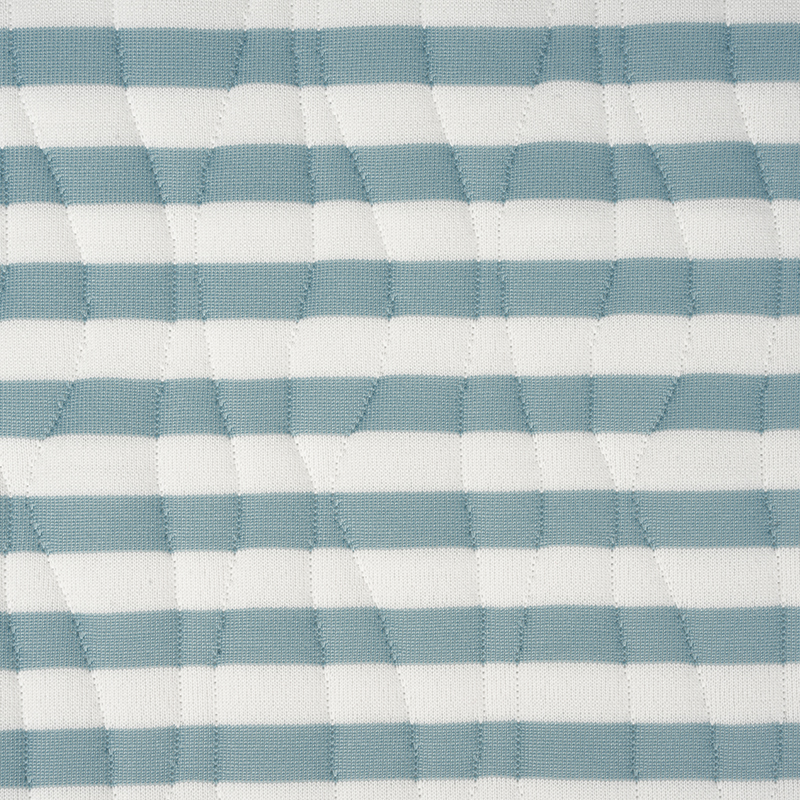
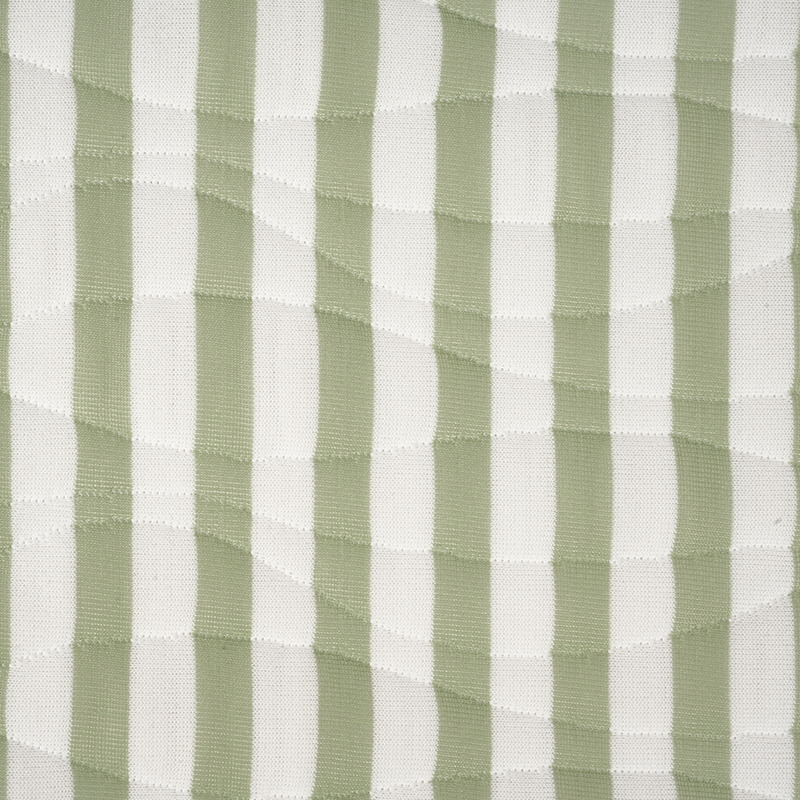
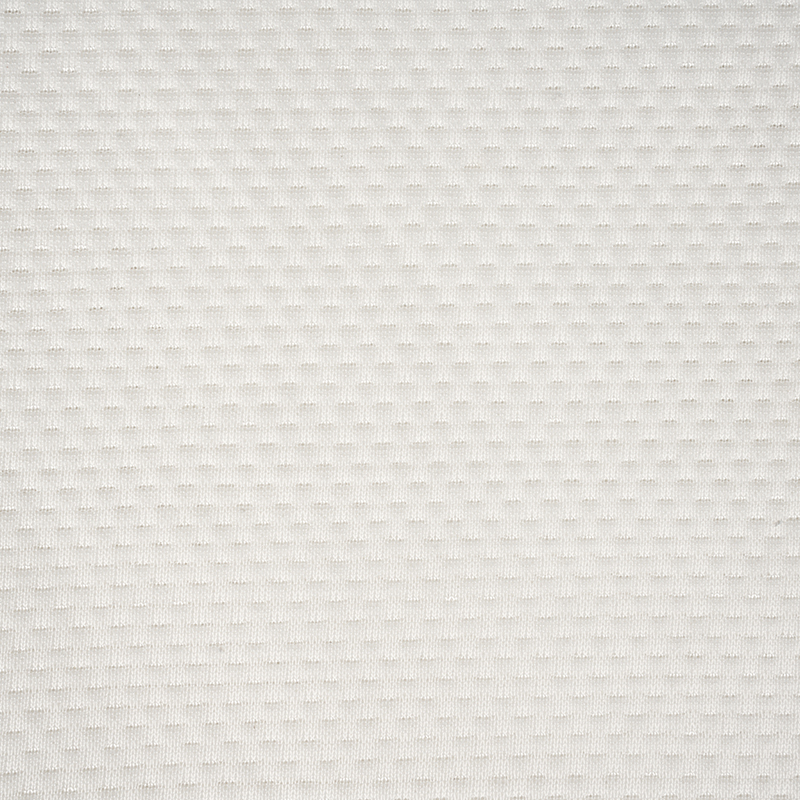
We Create Safe, Healthy and Comfortable Living Spaces Through Innovative Technology.
Hangzhou Xinsili Decorative Fabric Weaving Co.,Ltd. specializes in the innovative research, development, and precision manufacturing of decorative textiles.
We are China Pillow Cover Material Fabric Suppliers and Wholesale Pillow Case Fabric Company.
Guided by the vision of "Weaving Beautiful Spaces," we are committed to delivering high-quality, environmentally friendly decorative solutions to global clients through our stable and practical fabric products. Upholding the corporate values of "Craftsmanship-Driven Manufacturing, Design Innovation, and Win-Win Collaboration," we empower design through technological advancement and build trust with steady and reliable quality, striving to become a trusted partner in the decorative textiles industry.
Years of Industry Experience
Factory Area
Number of Employees
Annual Output
Export Volume
Provide you with the latest enterprise and industry news
Read MoreThe thermal and moisture management properties of Pillow Case Fabric directly influence sleep quality through microclimate control. Cotton, long considered the benchmark for bedding, exhibits a moisture regain of 7-8%, making it moderately absorbent but slow to dry. This characteristic creates a double-edged sword: excellent for absorbing perspiration in humid conditions, yet potentially clammy in cooler environments where evaporation cools the skin excessively.
Hangzhou Xinsili Decorative Fabric Weaving Co.,Ltd. engineers fabric constructions that optimize this balance through yarn engineering. Microfiber polyester alternatives, with moisture regain below 0.4%, wick moisture across the surface rather than absorbing it, enabling rapid evaporation. For sleepers experiencing night sweats or hot flashes, this mechanism maintains drier skin contact surfaces. However, pure synthetic compositions often sacrifice the tactile comfort associated with natural fibers.
Blended compositions—particularly cotton-polyester ratios between 60/40 and 80/20—offer engineered compromises. These hybrids leverage cotton's skin-friendly hand feel while incorporating synthetic fibers for dimensional stability and reduced wrinkling. The specific blend ratio determines not only comfort but also longevity: higher synthetic content increases durability but may generate static electricity in low-humidity environments.
Beyond fiber selection, the architectural arrangement of yarns fundamentally determines performance. Plain weaves—the simplest over-under interlacing—produce durable, stable fabrics with maximum structural integrity. However, this tight construction limits air circulation and creates relatively stiff hand feels unless woven from extremely fine yarns.
Sateen weaves, characterized by four or more weft yarns floating over a single warp yarn, generate the lustrous, smooth surfaces prized in luxury bedding. These elongated floats create minimal friction against skin and hair, reducing mechanical irritation during sleep movement. The trade-off manifests in durability: floating yarns are more susceptible to snagging and abrasion, particularly from rough skin or untrimmed fingernails.
Twill constructions—identifiable by their diagonal rib patterns—offer middle-ground solutions. The 2/1 or 3/1 twill structures provide greater drape and softness than plain weaves while maintaining better structural integrity than sateen. For hospitality applications requiring frequent industrial laundering, twill weaves demonstrate superior resistance to seam slippage and dimensional distortion. Our technical development team at Hangzhou Xinsili Decorative Fabric Weaving Co.,Ltd. continuously refines these weave parameters to match specific end-use scenarios, recognizing that a fabric optimized for home use may fail prematurely in commercial settings.
Jacquard weaving introduces programmable pattern complexity without printing, integrating design directly into the fabric structure. This technique enables textured surfaces that can enhance airflow or create channeling effects for moisture management, though production complexity increases cost structures significantly.
Raw woven fabric represents only the foundation; finishing processes unlock functional performance. Mercerization—a treatment involving caustic soda application under tension—fundamentally alters cotton fiber morphology. The process swells the fiber cross-section, increasing luster, tensile strength, and dye affinity. Mercerized cotton pillowcases demonstrate 15-25% improved abrasion resistance and enhanced dimensional stability compared to untreated equivalents.
Easy-care finishes utilizing formaldehyde-based crosslinking agents (DMDHEU) enable "wrinkle-free" performance by chemically bonding cellulose molecules. While effective, these treatments gradually hydrolyze during laundering, releasing formaldehyde and reducing fabric strength over time. Modern low-formaldehyde or formaldehyde-free alternatives achieve comparable performance through polycarboxylic acid crosslinkers, though they require more precise application parameters.
Antimicrobial finishes address the biological reality of bedding: pillowcases harbor skin cells, sebum, and moisture that support microbial proliferation. Silver-ion treatments, chitosan applications, and quaternary ammonium compounds each offer distinct mechanisms—silver disrupts bacterial cell membranes, chitosan binds to microbial DNA, while quaternary compounds create cationic surfaces that repel microorganisms. However, these finishes exhibit finite lifespans; silver ions wash out gradually, while organic biocides may lose efficacy through oxidation or binding with surfactants in laundry detergents.
For Pillow Cover Material Fabric intended for sensitive populations—infants, immunocompromised individuals, or allergy sufferers—OEKO-TEX Standard 100 certification provides assurance against harmful substance residues. This independent testing protocol screens for over 300 regulated and non-regulated substances, with Class I requirements (for baby articles) representing the most stringent thresholds.
Environmental impact evaluation for textile production requires examining multiple lifecycle stages. Conventional cotton cultivation consumes approximately 10,000 liters of water per kilogram of fiber, with significant pesticide and fertilizer inputs. Organic cotton reduces chemical burdens but typically yields 20-30% less fiber per hectare, potentially expanding land use requirements. Recycled cotton, processed from post-industrial or post-consumer waste, eliminates agricultural impacts but produces shorter staple fibers that limit yarn fineness and fabric strength.
Lyocell (Tencel) represents a closed-loop alternative: wood pulp dissolution in N-methylmorpholine N-oxide (NMMO) enables solvent recovery rates exceeding 99%, with non-toxic biodegradation pathways. The resulting fibers exhibit cotton-comparable moisture absorption with superior wet strength, making them suitable for pillowcase applications requiring frequent washing. However, the energy-intensive solvent recovery process and dependence on sustainably managed forestry certifications complicate straightforward environmental claims.
Linen, derived from flax cultivation, presents an attractive low-input option. Flax thrives in temperate climates with minimal irrigation and pesticide requirements, and the entire plant finds utilization (fiber for textiles, seeds for oil, shives for particleboard). Linen pillowcases offer exceptional durability—often outlasting cotton equivalents by years—and improve with washing through a phenomenon textile engineers term "wet processing memory," where repeated laundering softens the inherently stiff fiber without structural degradation. The characteristic slubbed texture and crisp hand feel, however, appeal to specific aesthetic preferences rather than universal comfort standards.
Ultimately, material selection involves balancing immediate tactile preferences against long-term performance, maintenance requirements, and environmental footprints. Weaving Beautiful Spaces demands not only aesthetic consideration but technical understanding of how these variables intersect—an approach that guides our development philosophy at Hangzhou Xinsili Decorative Fabric Weaving Co.,Ltd.
Yi qiao Town, Xiaoshan District, Hangzhou City, Zhejiang Province, China
