

 English
 中文简体
中文简体 Español
 عربى
عربى русский

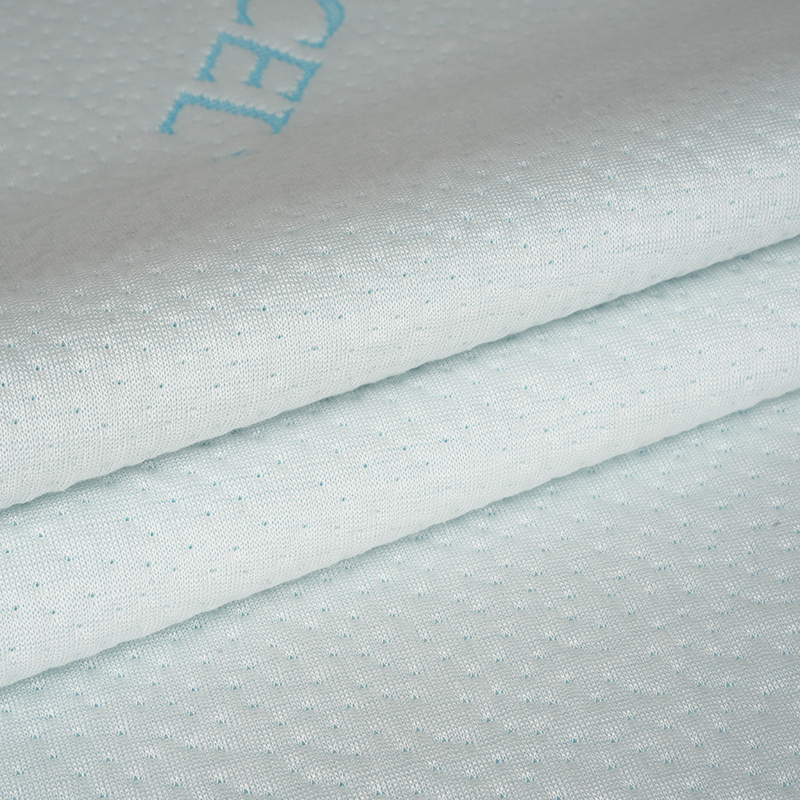
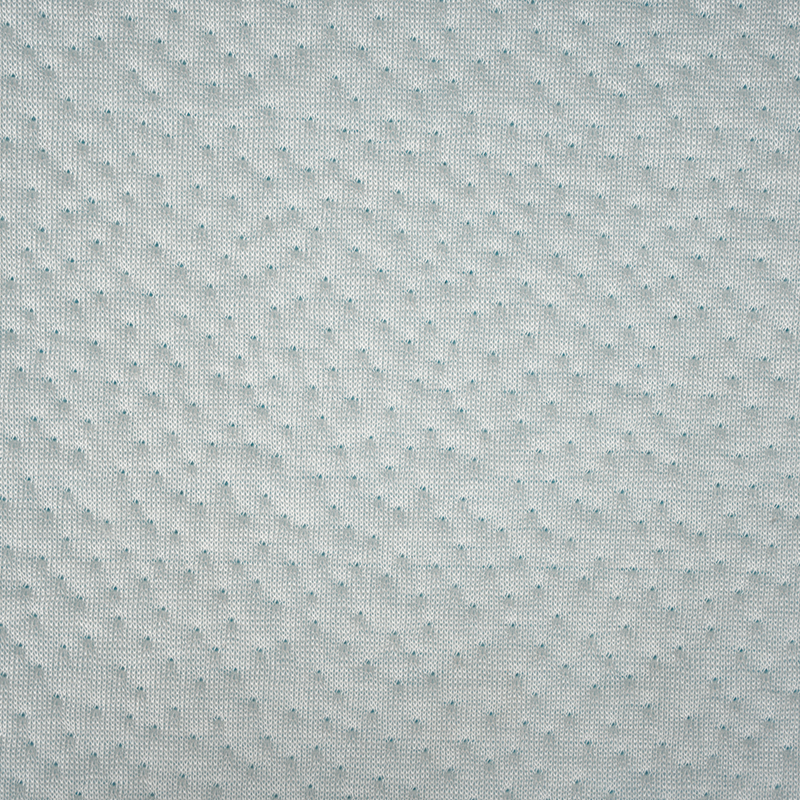
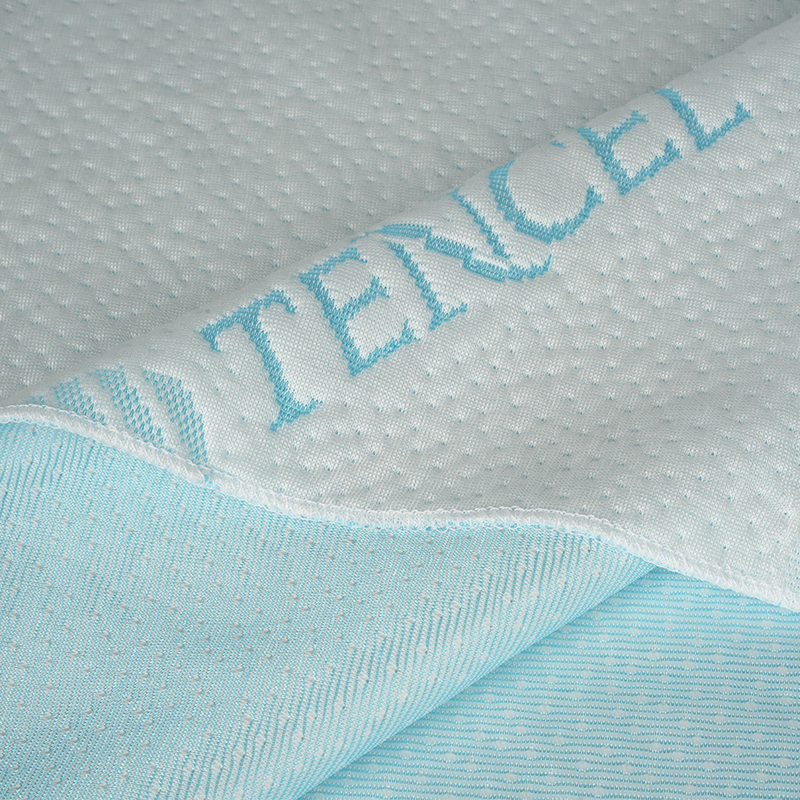

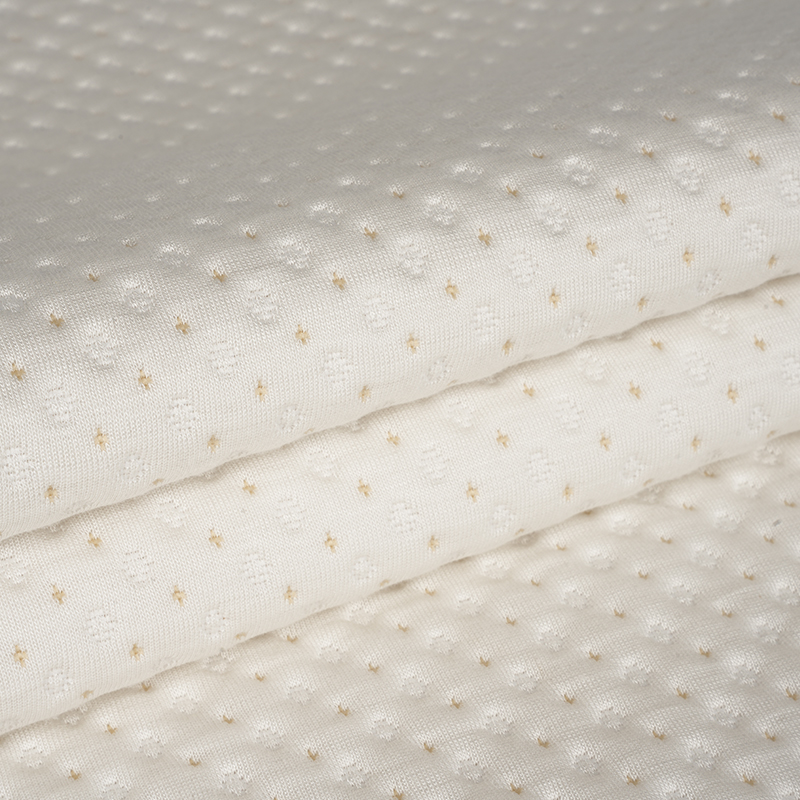
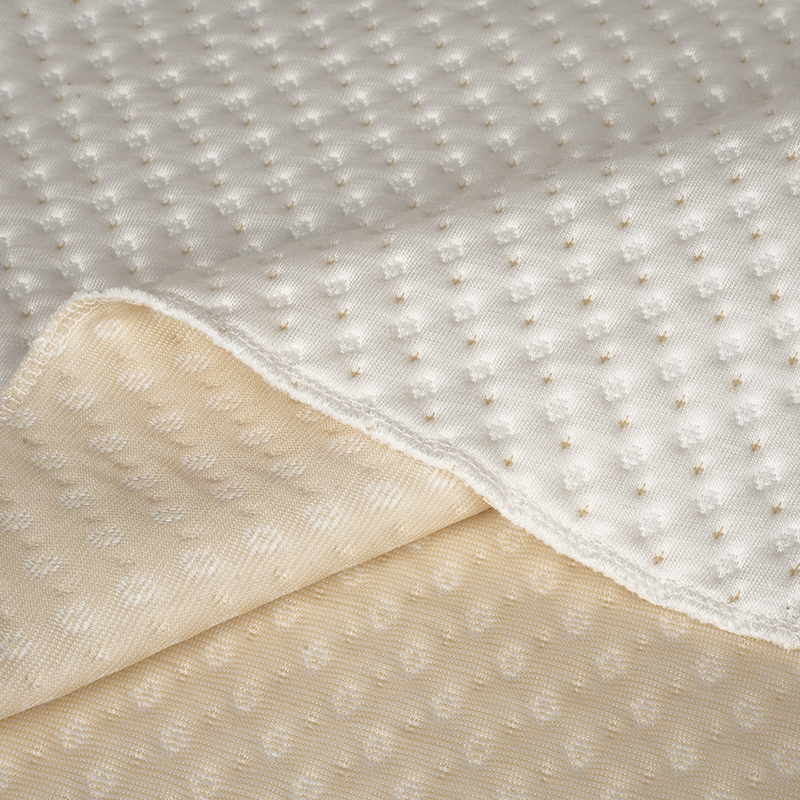
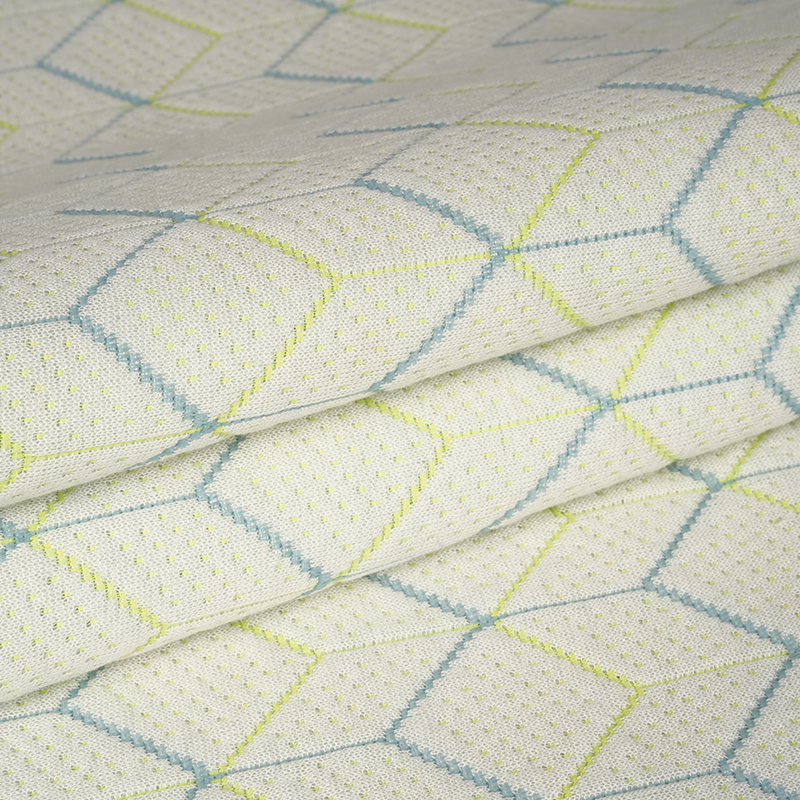
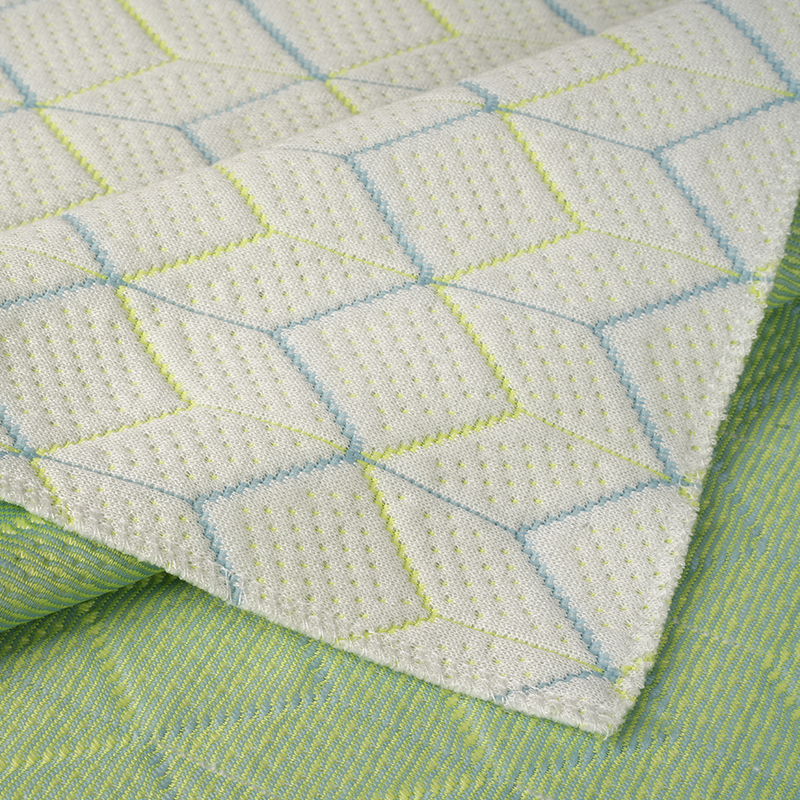
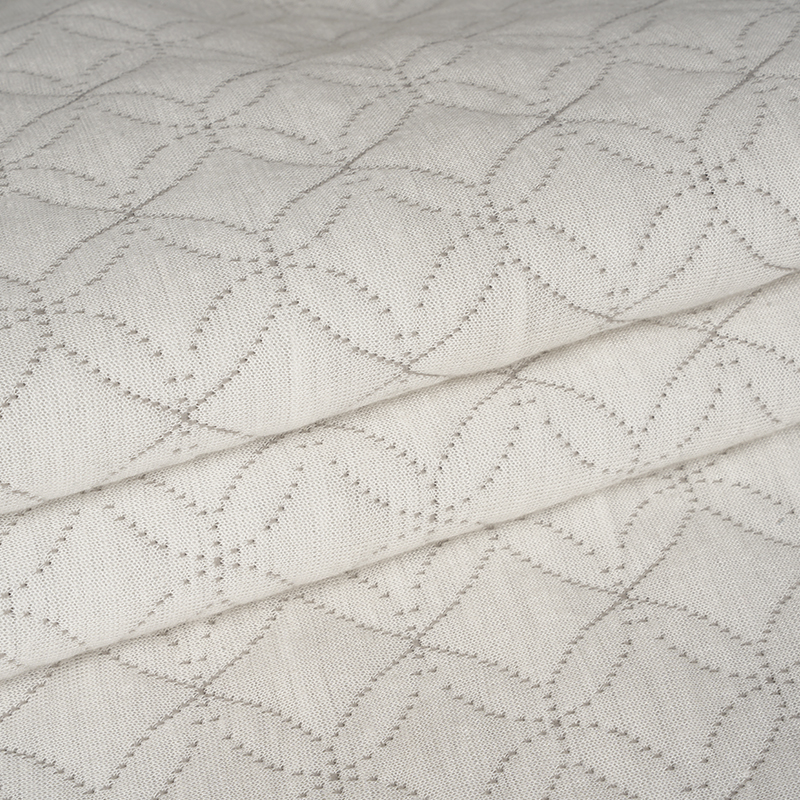
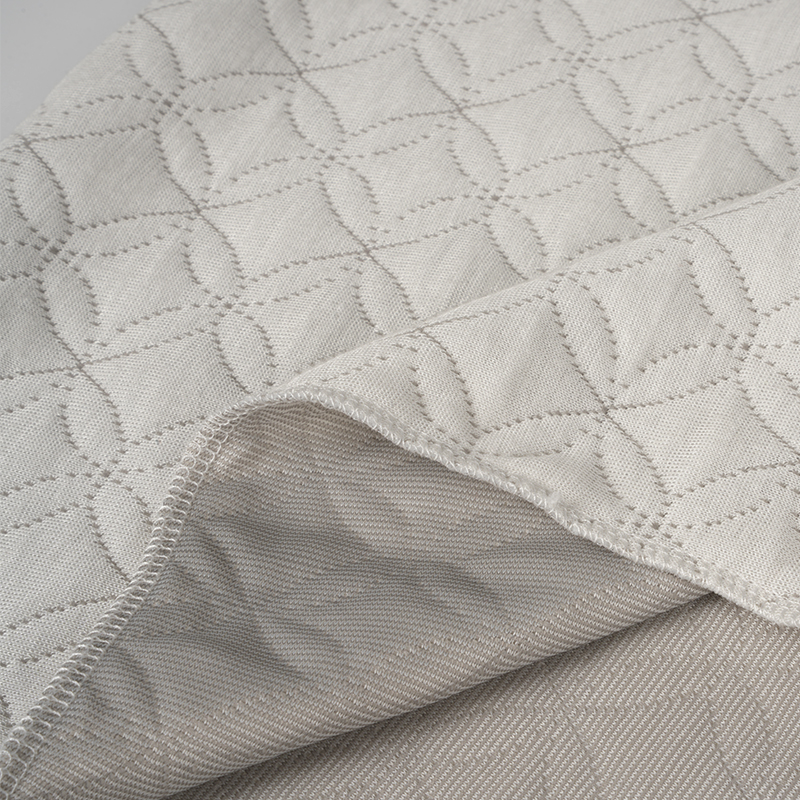
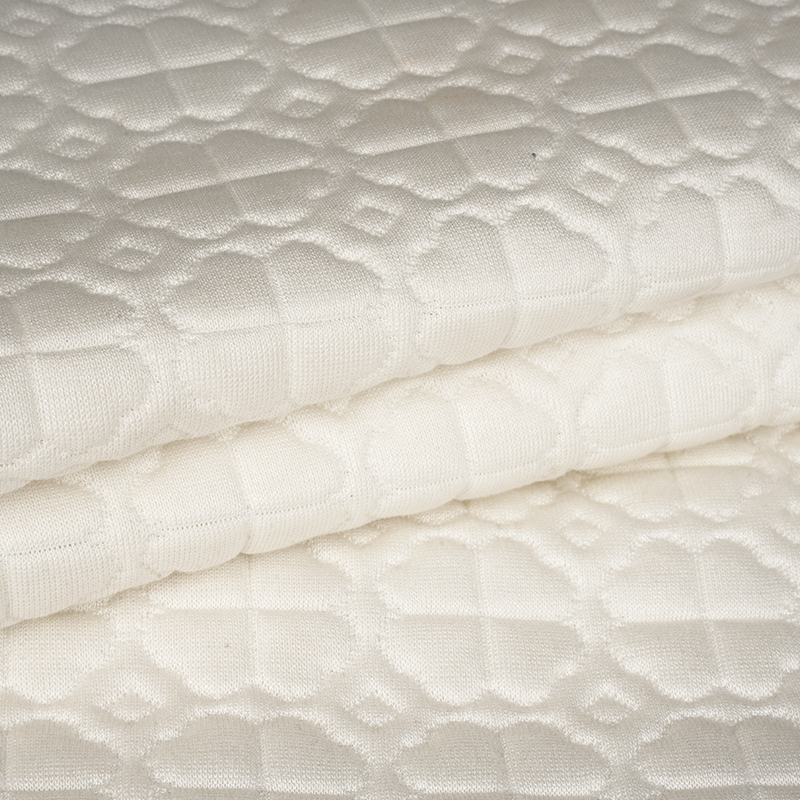
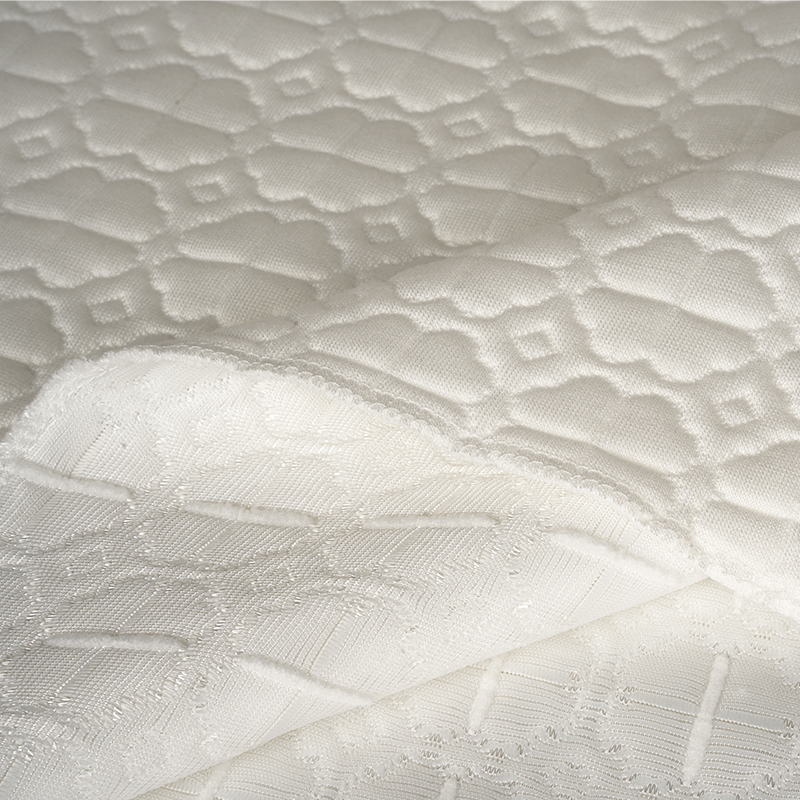
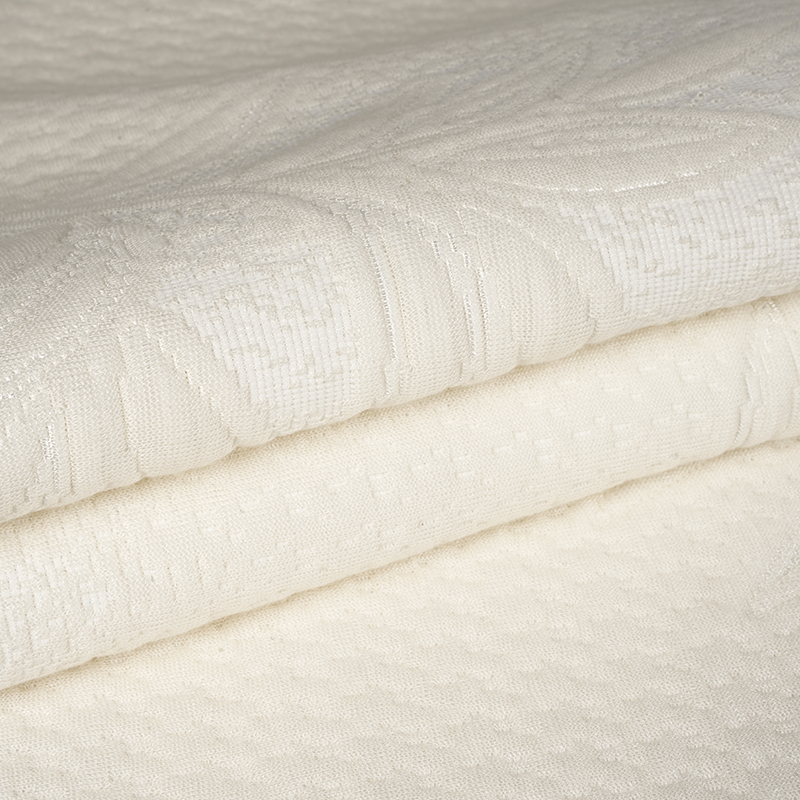
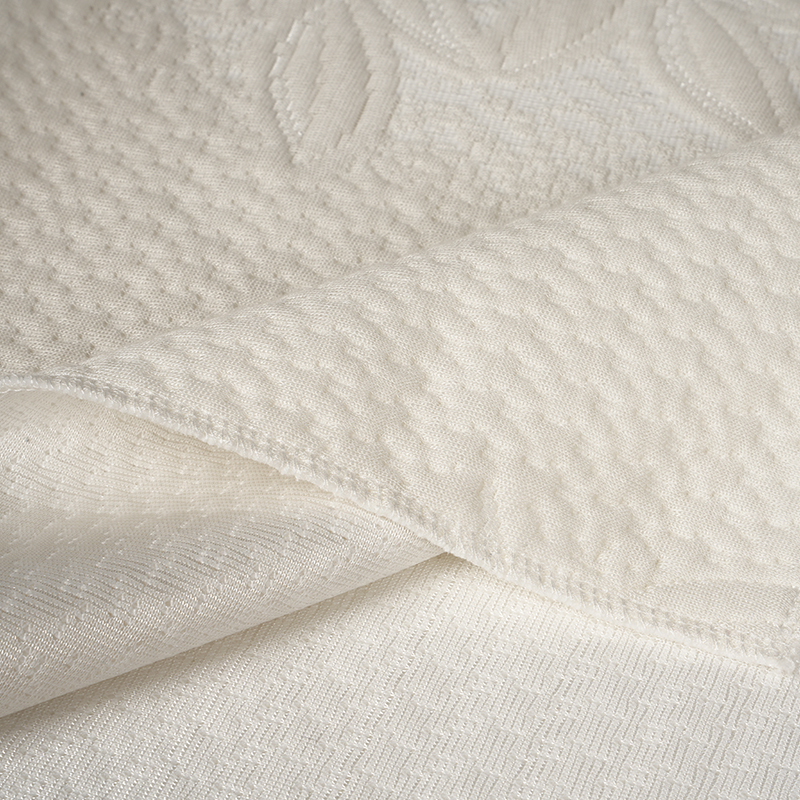
Mattress fabric serves as the direct contact layer between the mattress and the human body, and its performance is crucial to sleep comfort and health.
Material Synergy Innovation: The Foundation of Comfort and Functionality
Mattress fabrics combine natural and technological fibers, each showcasing its unique strengths. Natural fibers like pure cotton offer skin-friendly breathability, while linen provides natural antibacterial properties, making them suitable for sensitive or humid environments. Technological fibers, through modification, achieve advanced functions such as antibacterial and mite-proofing, as well as intelligent temperature regulation.
Refined Craftsmanship: Ensuring Durability and Texture
Advanced craftsmanship directly enhances the user experience and product longevity. High-count and high-density weaving makes the fabric surface finer and smoother, reducing friction during sleep. Colors remain more vibrant and fade-resistant over long-term use, ensuring both aesthetics and durability.
Scientific Selection Guide: Precise Decision-Making for Diverse Needs
Selecting the right mattress fabric requires a three-dimensional evaluation system focusing on "materials, craftsmanship, and functionality." For those prioritizing eco-friendliness and skin-friendliness, natural fibers are the optimal choice. For practicality and easy maintenance, technologically modified fibers are better suited. This approach lays a solid foundation for building a healthy sleep environment.
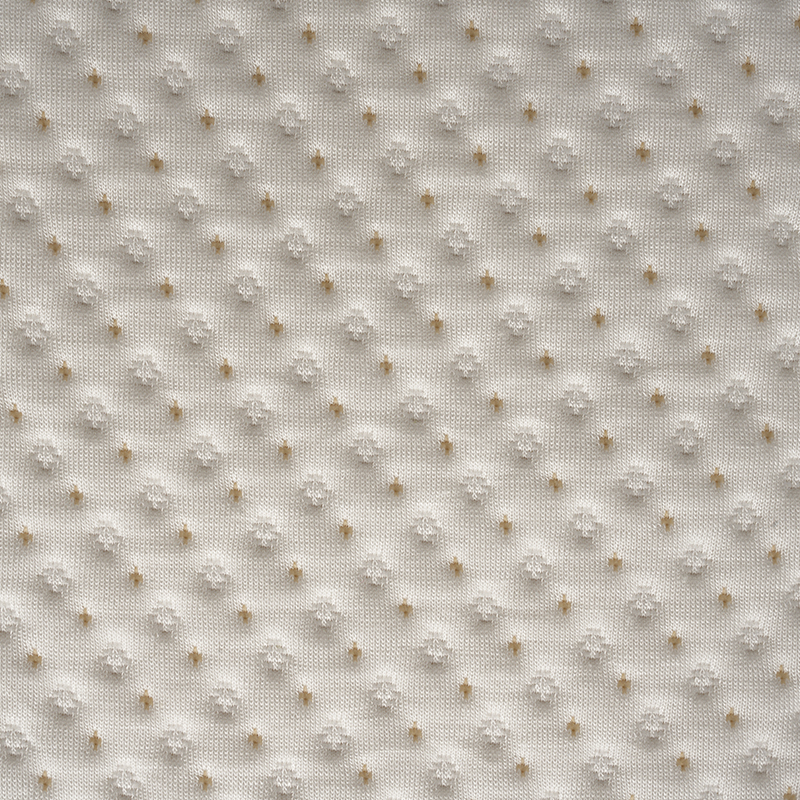
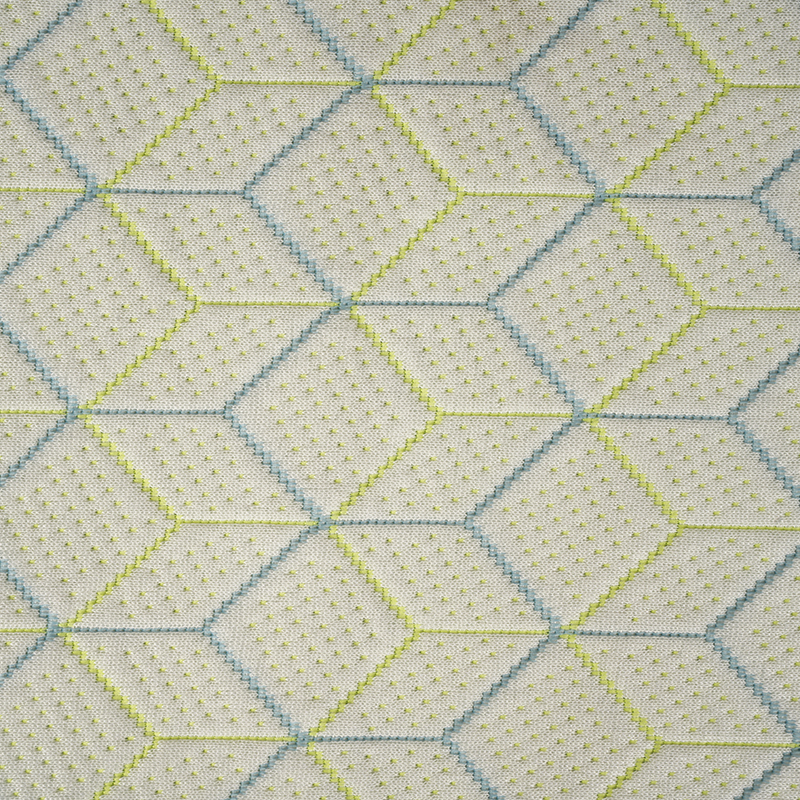
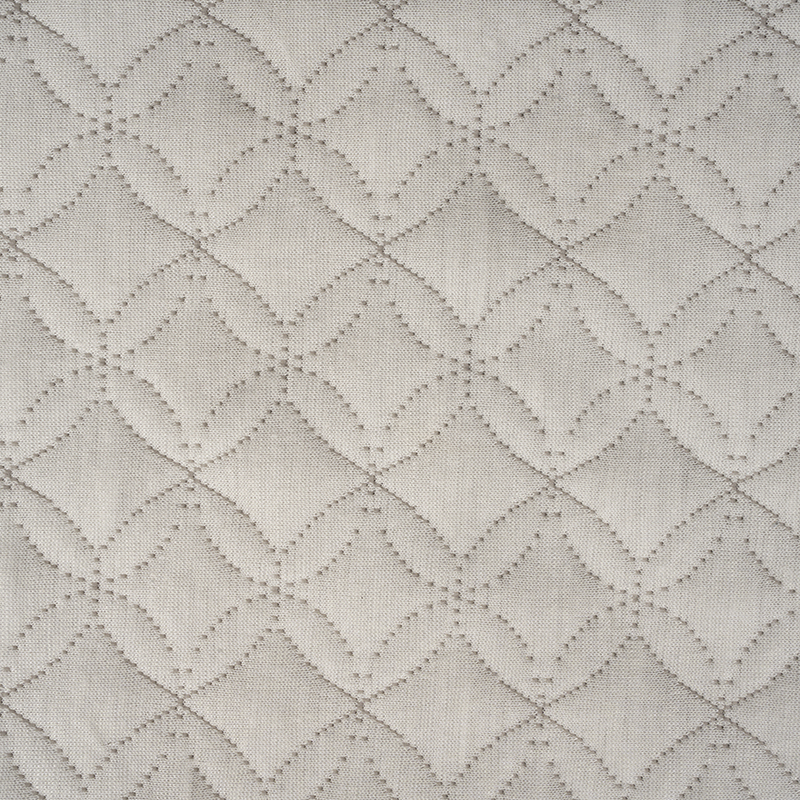
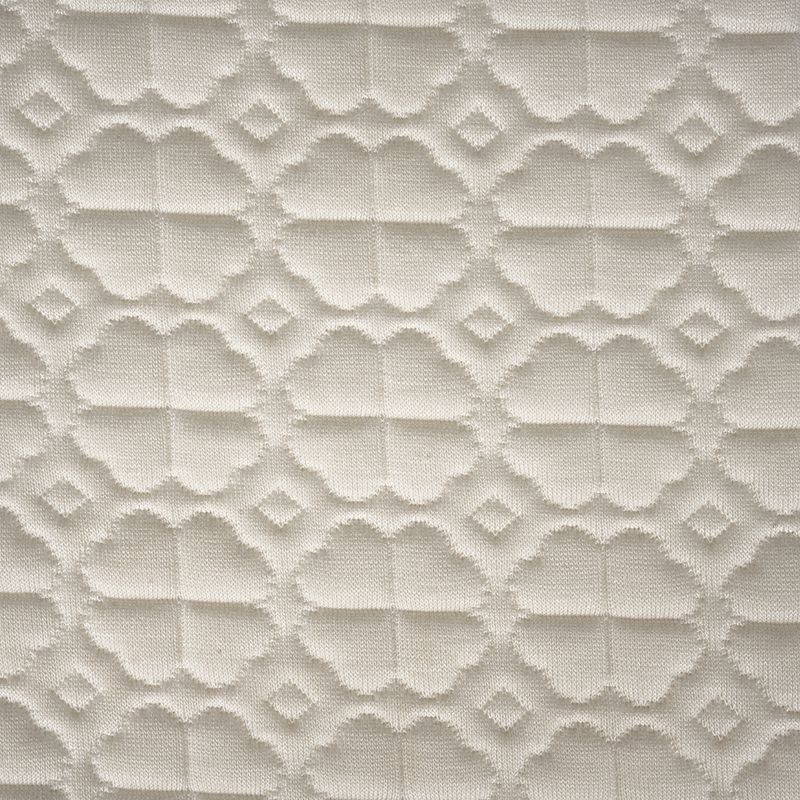
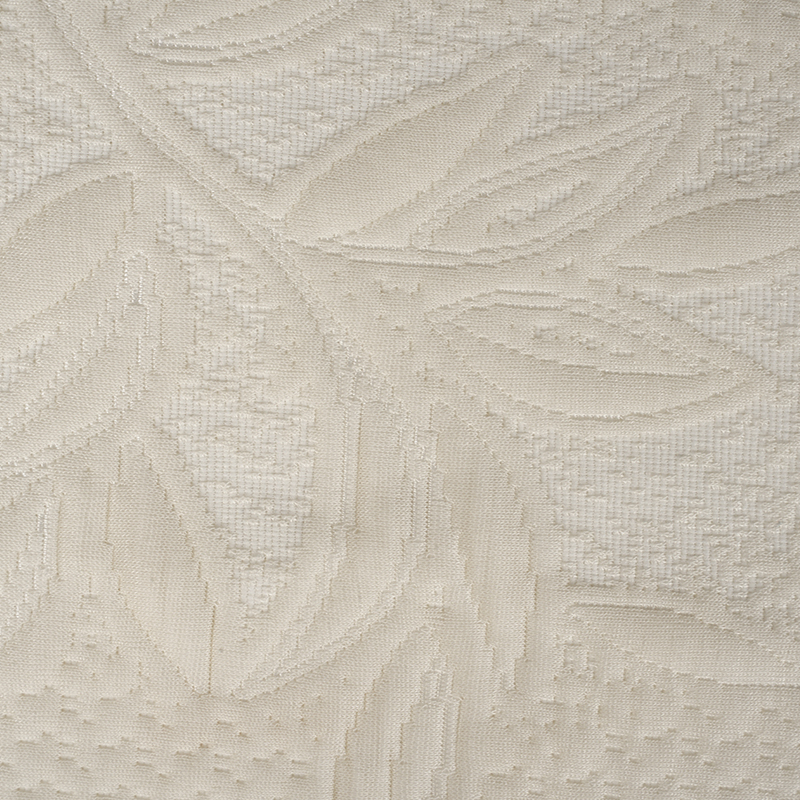
We Create Safe, Healthy and Comfortable Living Spaces Through Innovative Technology.
Hangzhou Xinsili Decorative Fabric Weaving Co.,Ltd. specializes in the innovative research, development, and precision manufacturing of decorative textiles.
We are China Mattress Fabric Suppliers and Wholesale Mattress Material Fabric Company.
Guided by the vision of "Weaving Beautiful Spaces," we are committed to delivering high-quality, environmentally friendly decorative solutions to global clients through our stable and practical fabric products. Upholding the corporate values of "Craftsmanship-Driven Manufacturing, Design Innovation, and Win-Win Collaboration," we empower design through technological advancement and build trust with steady and reliable quality, striving to become a trusted partner in the decorative textiles industry.
Years of Industry Experience
Factory Area
Number of Employees
Annual Output
Export Volume
Provide you with the latest enterprise and industry news
Read MoreWhen it comes to mattress design and manufacturing, the fabric that covers the sleeping surface is far more than a cosmetic layer. It directly impacts breathability, skin comfort, allergen resistance, and the longevity of the entire mattress. Understanding Mattress Material Fabric options allows manufacturers, procurement specialists, and brands to make informed decisions that satisfy end-user expectations for health, comfort, and environmental responsibility.
The outermost fabric of a mattress is the only part the user directly touches every night. It must withstand years of friction, moisture, and body oils while maintaining its appearance and performance. A high-quality Mattress Material Fabric contributes to temperature regulation, pressure relief, and even hygiene. Conversely, poor fabric selection leads to pilling, discoloration, and premature wear — directly impacting brand reputation and return rates.
Different weaving and knitting technologies produce distinct fabric behaviors. Choosing the correct construction for a specific mattress type (memory foam, innerspring, latex, hybrid) is critical. Below is a breakdown of the most common fabric architectures used in the bedding industry today.
| Fabric Construction | Typical Fiber Content | Key Characteristics | Best Mattress Application |
|---|---|---|---|
| Circular Knit | Polyester, Viscose, Nylon | High stretch, soft hand, breathable | Memory foam, Euro-top layers |
| Woven (Jacquard/ Dobby) | Cotton, Polyester blends, TENCEL™ | Durable, pattern-rich, less stretch | Pillow-top, hybrid, luxury innerspring |
| Non-woven (Spunbond/Meltblown) | Polypropylene, Polyester | Low cost, used as inner layer | Quilt backing, insulator pads |
| Performance Knit (Cooling) | Nylon/Spandex + phase-change materials | Cool-to-touch, moisture-wicking | Gel memory foam, hot sleepers |
For most premium mattress lines, a circular knit Mattress Material Fabric offers the best balance of stretch, comfort, and aesthetics. However, woven jacquard provides superior abrasion resistance for heavy-use applications like hospital beds or hotels.
Professional buyers should request specific test data rather than relying on subjective feel. Leading manufacturers use standardized methods to quantify fabric durability, colorfastness, and dimensional stability. Below are the most critical metrics when sourcing Mattress Material Fabric.
Each fiber type brings distinct advantages and limitations to Mattress Material Fabric. Blends often outperform pure fibers by combining the breathability of natural materials with the durability of synthetics. The table below compares the most common fibers used in mattress covers.
| Fiber Type | Pros | Cons | Typical Blend Ratio |
|---|---|---|---|
| Cotton | Breathable, soft, biodegradable | Pills, shrinks, absorbs moisture | 30-50% cotton / 50-70% polyester |
| Polyester | Durable, quick-drying, low cost | Less breathable, static buildup | 100% or as blend base |
| TENCEL™ Lyocell | Smooth, moisture-managing, eco-friendly | Higher cost | 30-40% with polyester or cotton |
| Nylon/Spandex | Excellent stretch & recovery | Heat-sensitive | 5-10% in knit constructions |
For modern sleep products, a blend of 60% polyester and 40% TENCEL™ provides exceptional moisture control and softness, while adding 5% spandex ensures the fabric conforms to foam contours without bagging.
Beyond the base fiber and weave, chemical or mechanical finishes can dramatically enhance Mattress Material Fabric performance. These treatments address common consumer complaints such as overheating, dust mites, or bacterial growth. Always verify that finishes are durable to at least 50 home launderings.
Consumers increasingly seek bedding products with verified environmental credentials. Manufacturers can respond by selecting Mattress Material Fabric made from recycled or biobased fibers, and by avoiding harmful chemicals. Certifications provide third-party proof of claims.
Even a well-designed mattress can be let down by fabric that degrades prematurely. Understanding failure modes helps procurement teams specify correct test levels. The table below maps typical fabric complaints to root causes and preventive specifications.
| Consumer Complaint | Visible Symptom | Root Cause | Specification to Prevent |
|---|---|---|---|
| Pilling (fuzzy balls) | Rough surface, unsightly | Low abrasion resistance or fiber shedding | Martindale >25,000 cycles; use high-twist yarns |
| Color fading (yellowing) | Uneven pale patches | Poor lightfastness or NOx gas fading | AATCC 16 grade 4; add antioxidant in polyester |
| Shrinkage after washing | Fabric no longer fits core | Insufficient heat-setting during finishing | Dimensional change <3% (AATCC 135) |
| Seam slippage (grinning) | White threads visible at seams | Low seam strength or poor needle selection | Seam efficiency >80% of fabric strength |
No single Mattress Material Fabric suits every application. The optimal choice depends on mattress type, target price point, and regional consumer preferences. Use the following decision framework:
Hot sleepers benefit most from Mattress Material Fabric that combines moisture-wicking with breathability. Look for open-structure circular knits using TENCEL™ Lyocell or specialized cooling polyester with hydrophilic finishes. Phase-change material (PCM) coated fabrics actively absorb body heat. Avoid high-density woven cotton or non-breathable synthetic blends without wicking treatment. A fabric weight under 240 gsm also improves airflow.
Thread count is a misleading metric for Mattress Material Fabric because most mattress covers are knitted, not woven. For woven mattress fabrics (jacquard), 200-400 thread count is optimal — higher counts trap heat and add cost without durability gains. Focus instead on grams per square meter (GSM): 180-220 GSM for breathable summer comfort, 240-300 GSM for plush, winter-oriented surfaces. Never use thread count as a standalone quality indicator.
Polyester itself is chemically inert and considered safe. However, the finishing chemicals applied to Mattress Material Fabric — such as flame retardants, stain repellents, or antimicrobials — may raise concerns. To ensure safety, always require Oeko-Tex Standard 100 Class I or II certification. Avoid fabrics treated with halogenated flame retardants (e.g., decaBDE) or perfluorinated compounds (PFOA/PFOS). Reputable suppliers provide a full chemical disclosure list.
Recycling Mattress Material Fabric is challenging due to blended fibers (e.g., cotton/polyester) and chemical finishes. However, mono-material fabrics like 100% polyester or 100% cotton can be mechanically recycled. Some advanced recyclers now separate blends using chemical dissolution. To improve recyclability, design mattress covers with easy-removal zippers and specify fabrics certified under the Cradle to Cradle (C2C) or Global Recycled Standard (GRS) programs.
The "new mattress smell" originates from volatile organic compounds (VOCs) off-gassed from synthetic fibers, adhesives, and finishes — not solely the Mattress Material Fabric. While typically not harmful at low levels, sensitive individuals may experience headaches or irritation. To minimize VOCs, choose Oeko-Tex certified fabrics and allow the mattress to air out in a ventilated room for 24-48 hours before use. Some manufacturers now offer zero-VOC water-based adhesives and finishes.
Yi qiao Town, Xiaoshan District, Hangzhou City, Zhejiang Province, China
