

 English
 中文简体
中文简体 Español
 عربى
عربى русский

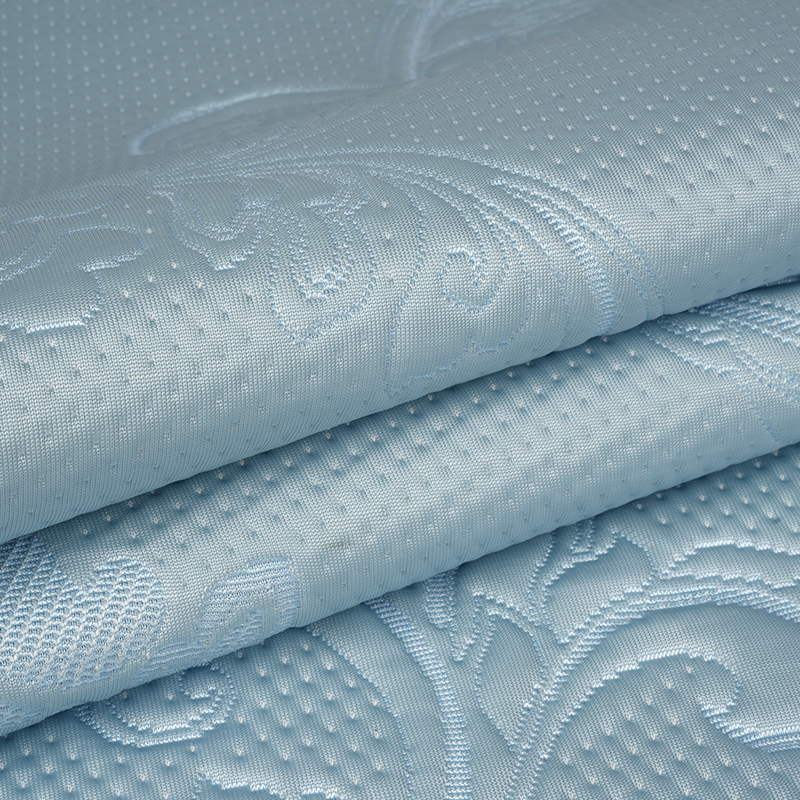
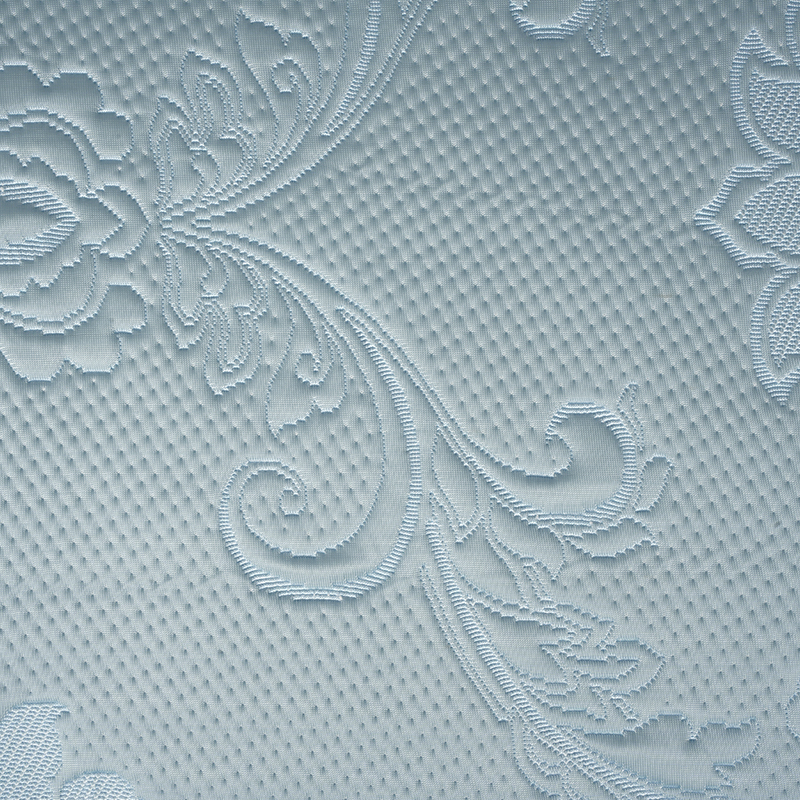
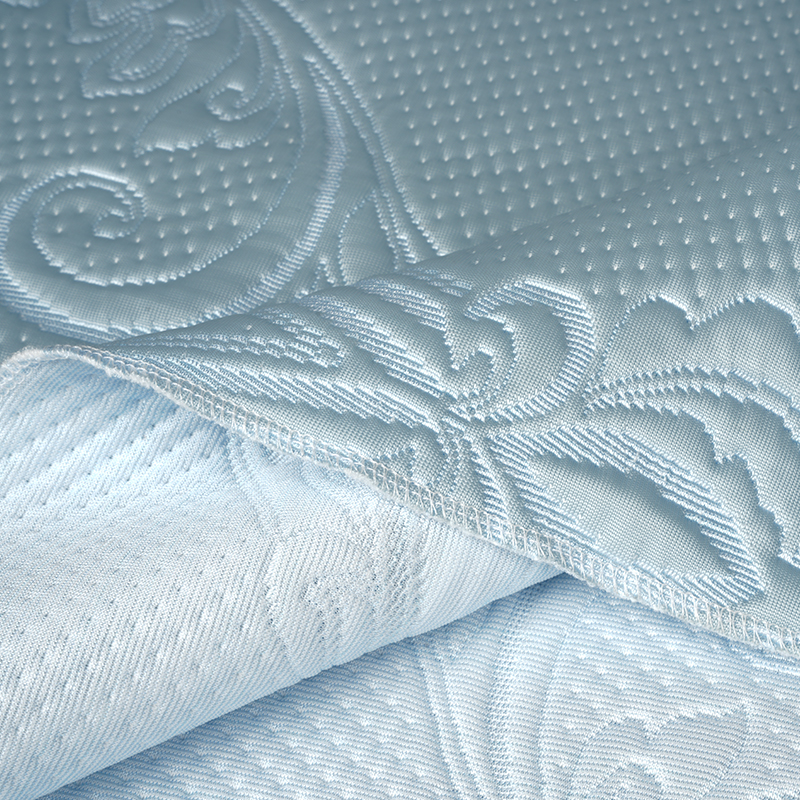

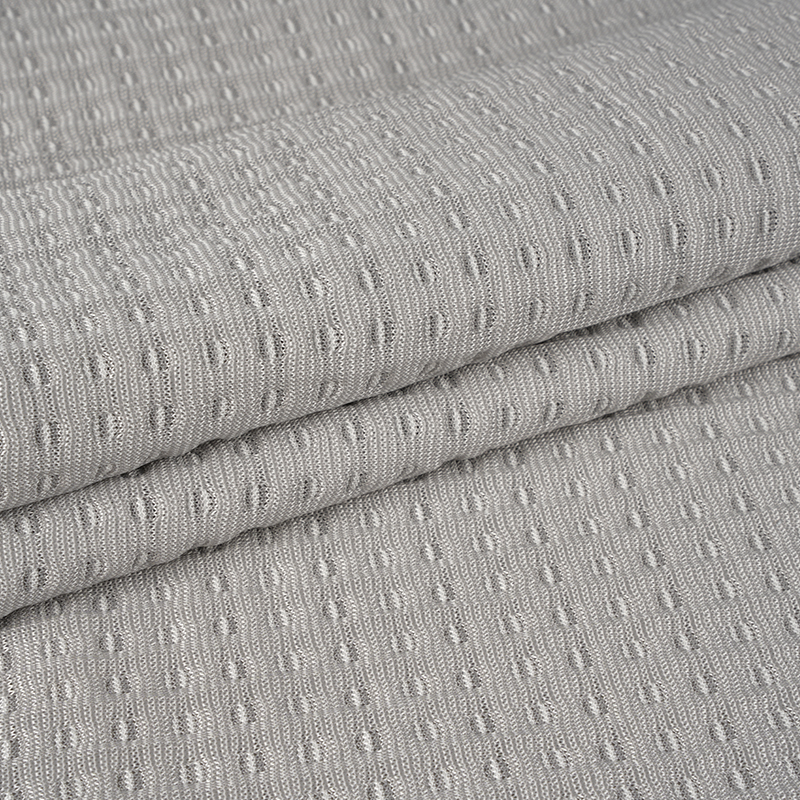
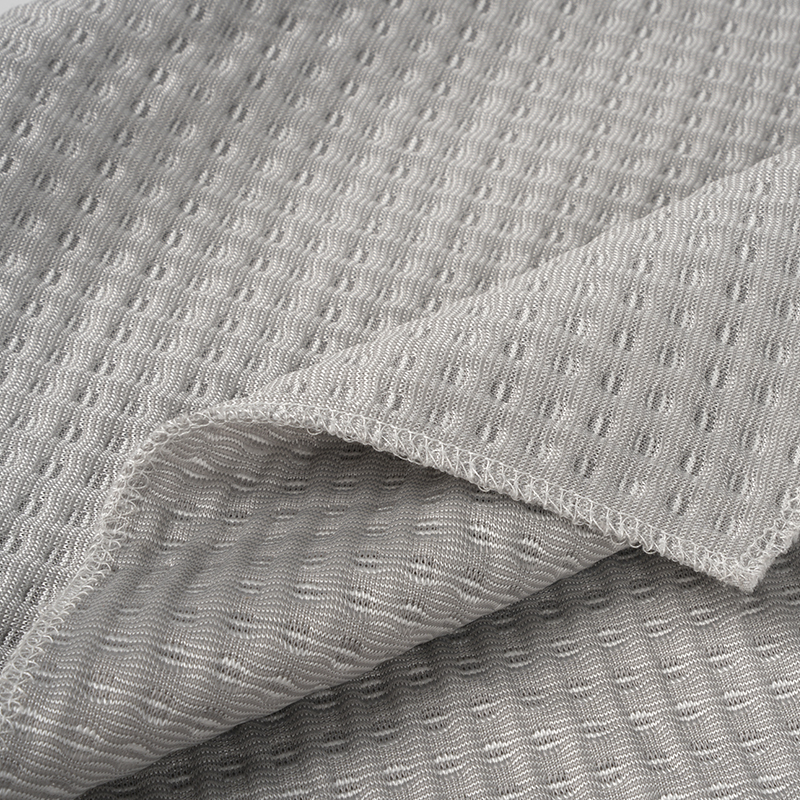
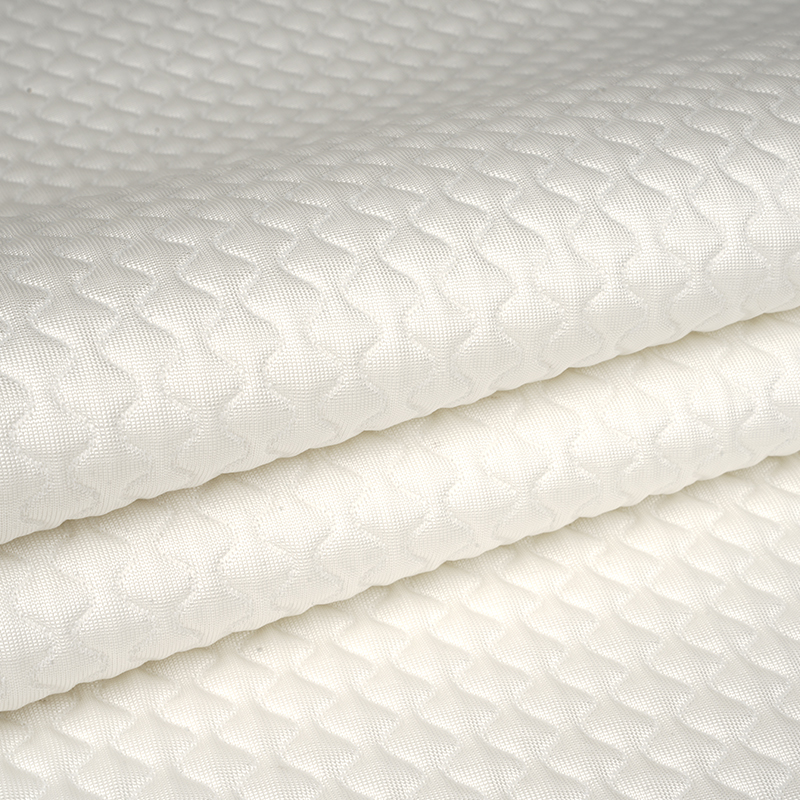
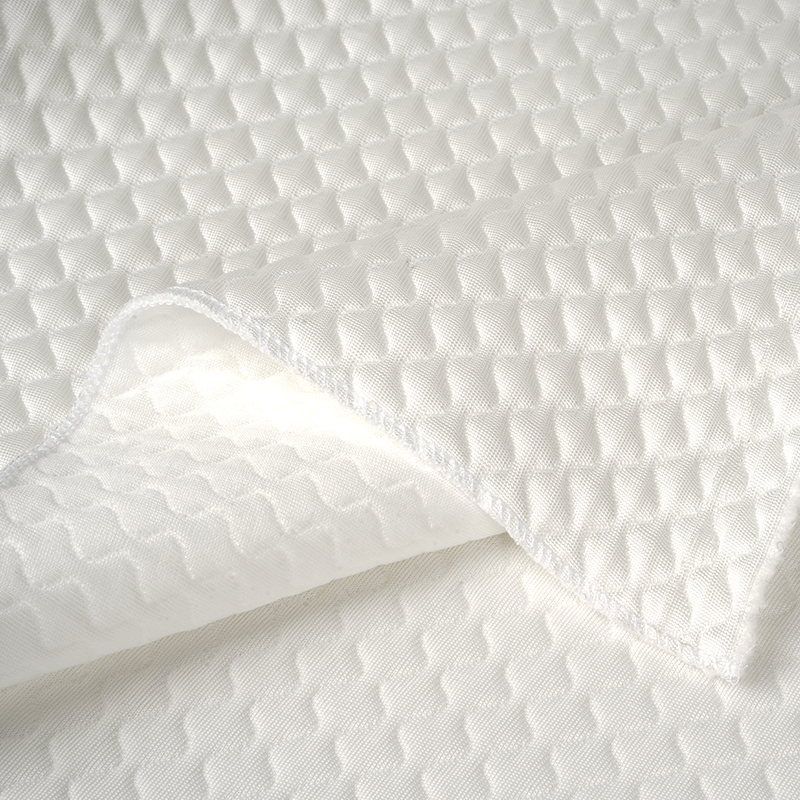
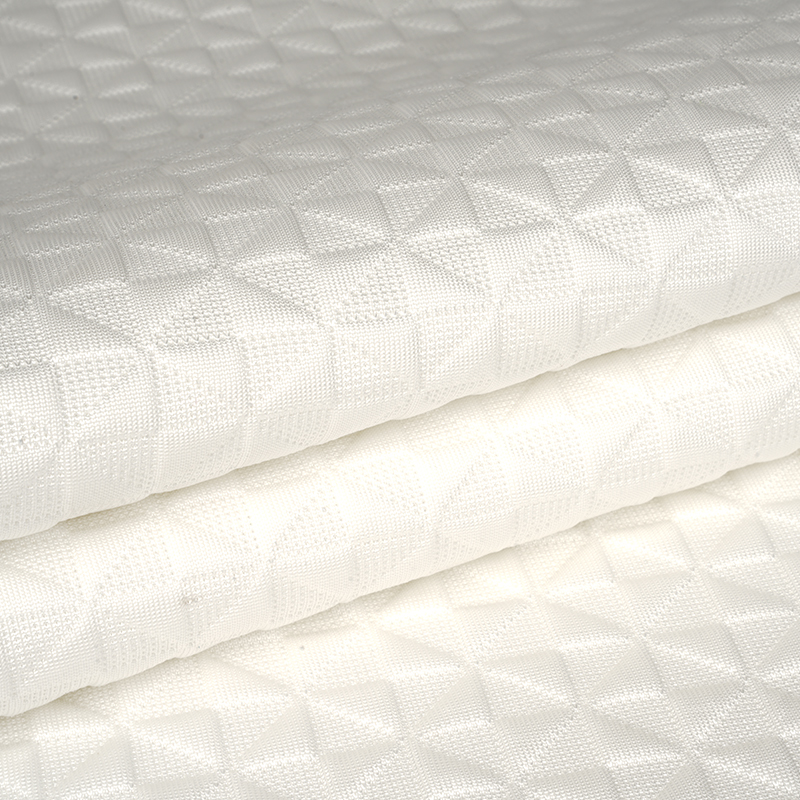
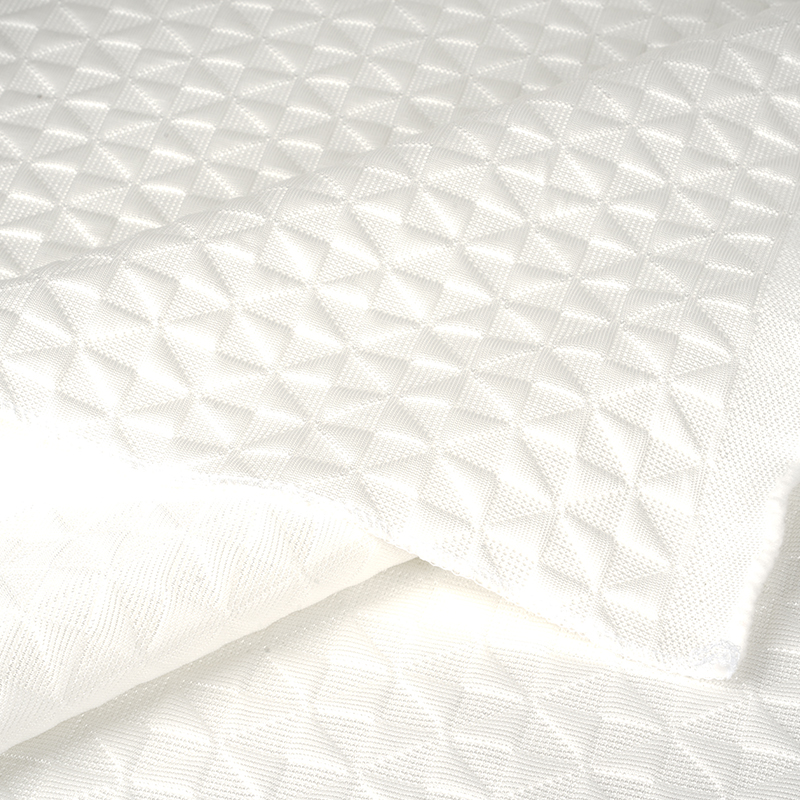
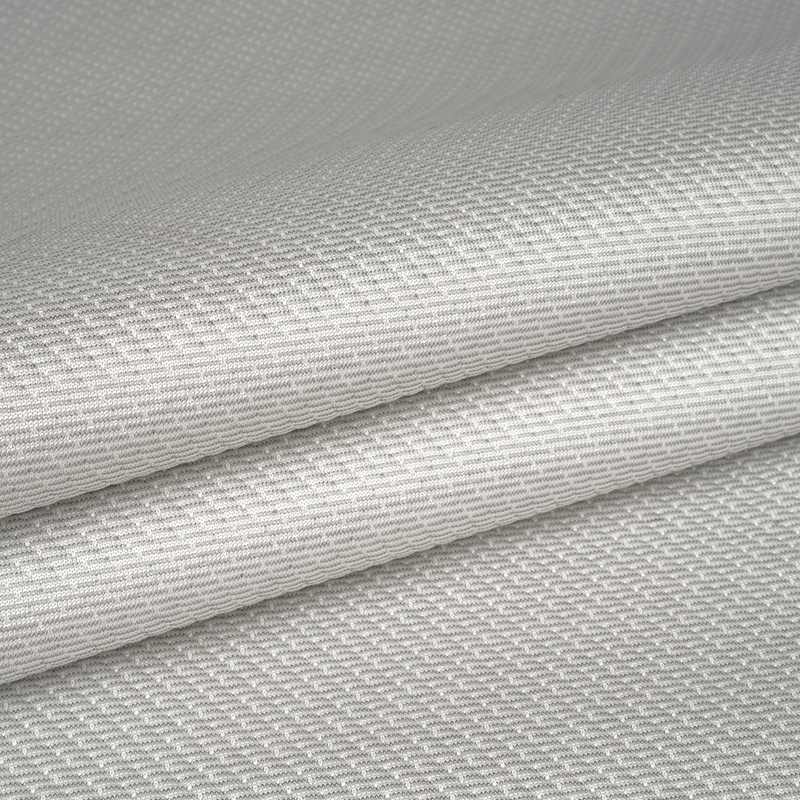
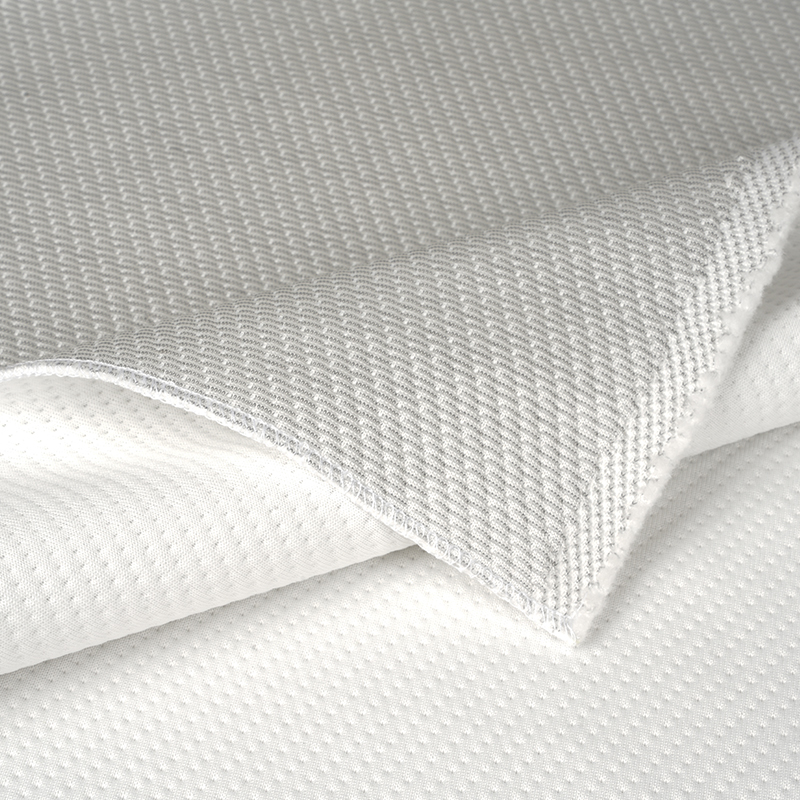
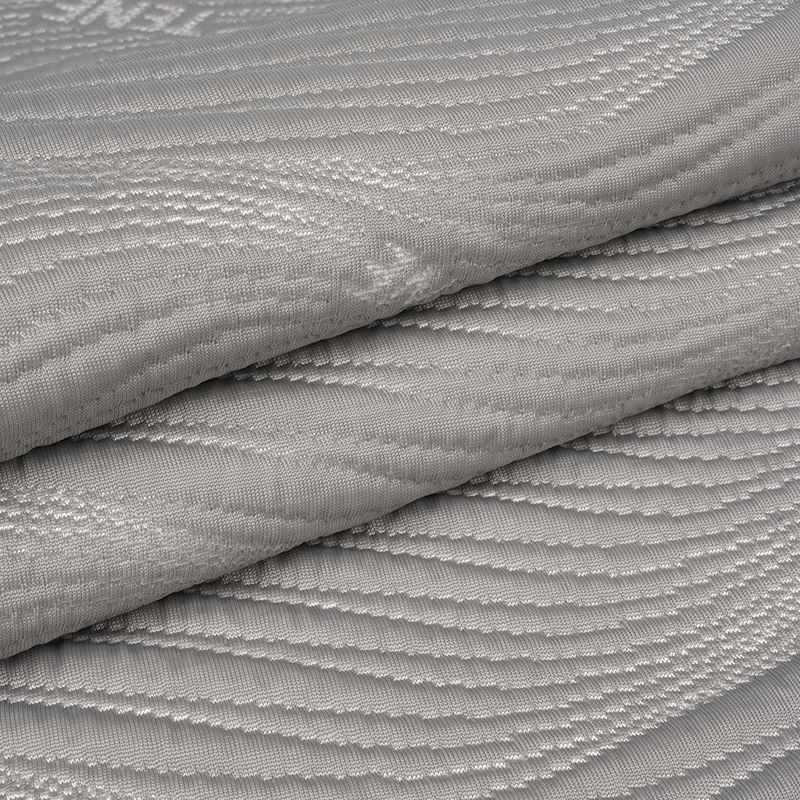
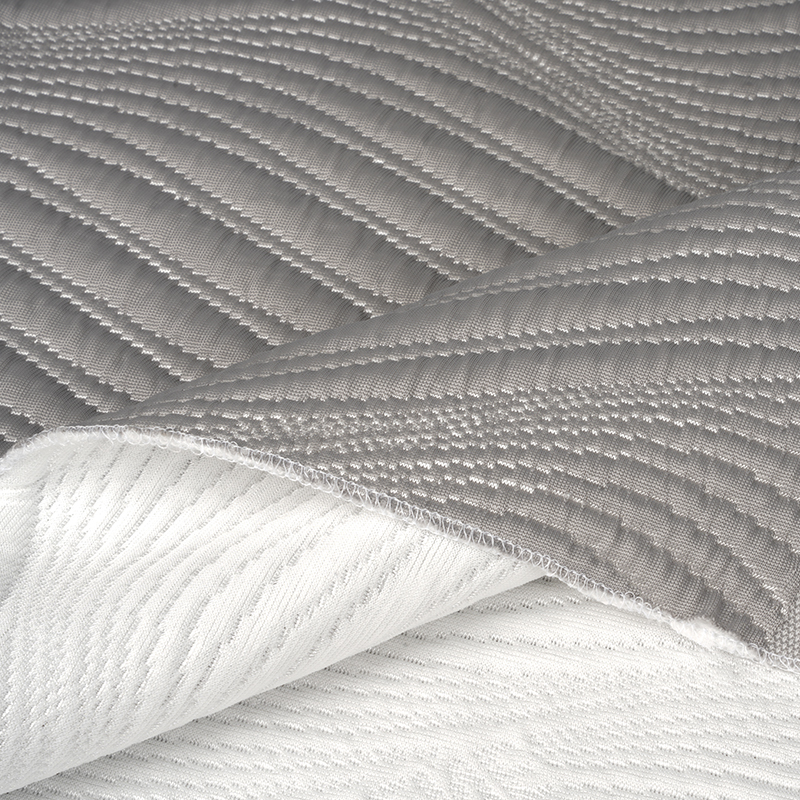
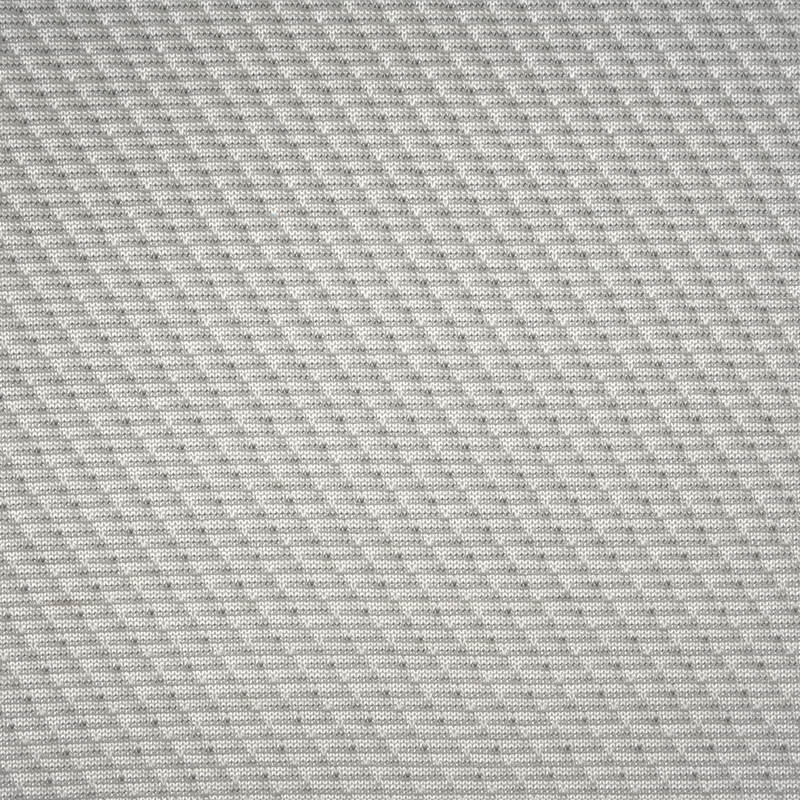
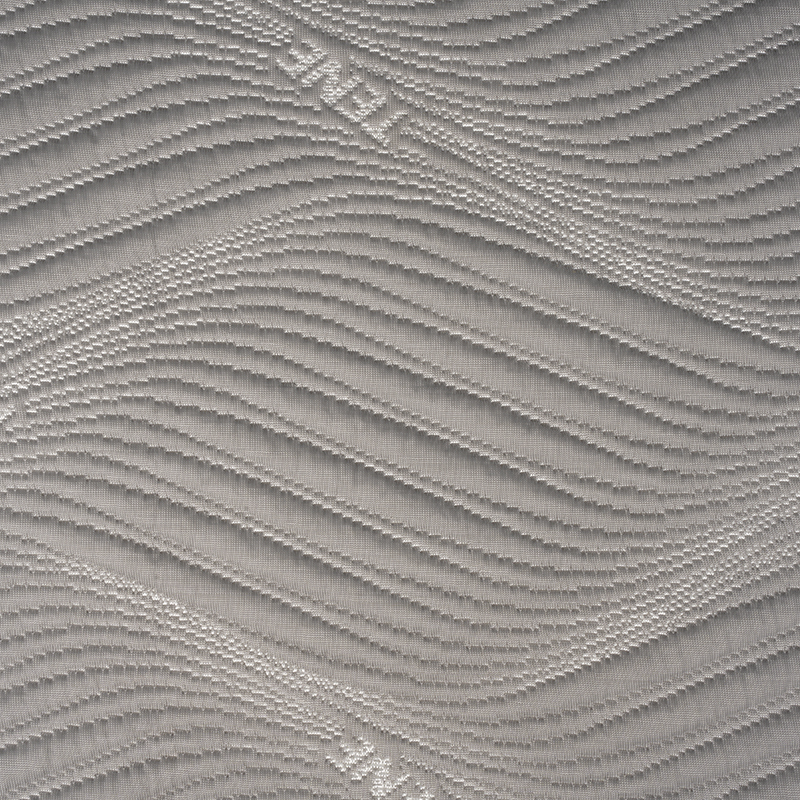
Children's sleep time requires gentle and reassuring protection. Made from carefully selected high-quality knitted fabric, specially designed for children's sleep scenarios, it provides a foundation of comfort and safety, whether for daily naps or overnight rest. The fabric is woven from premium functional textile materials and crafted through special knitting techniques, offering a touch as soft and skin-friendly as a cloud. Unlike ordinary fabrics, its fibers are densely arranged yet fluffy, fitting snugly against children's delicate skin without causing tightness or restraint. Even if children toss and turn during sleep, it keeps their skin dry and breathable.
Key features to maximize parents' peace of mind: First, it is naturally eco-friendly and odor-free, free from harmful components such as formaldehyde and fluorescent agents, making it safe even for babies with sensitive skin. Second, it boasts exceptional sweat absorption and breathability—the knitted fabric's porous structure quickly wicks away moisture, preventing dampness and stuffiness that could lead to breakouts or chills. Third, it is highly durable, maintaining a smooth and even texture even after multiple washes, meeting the needs of active children who frequently interact with the mattress.
Compared to traditional mattress fabrics, knitted fabric better understands children's needs: enhanced softness to suit sensitive skin, upgraded safety to protect growing health, and improved breathability to ensure quality sleep. Give your child a soft, breathable mattress, starting with carefully selected knitted fabric, and turn every sleep into a warm and healing growth experience.
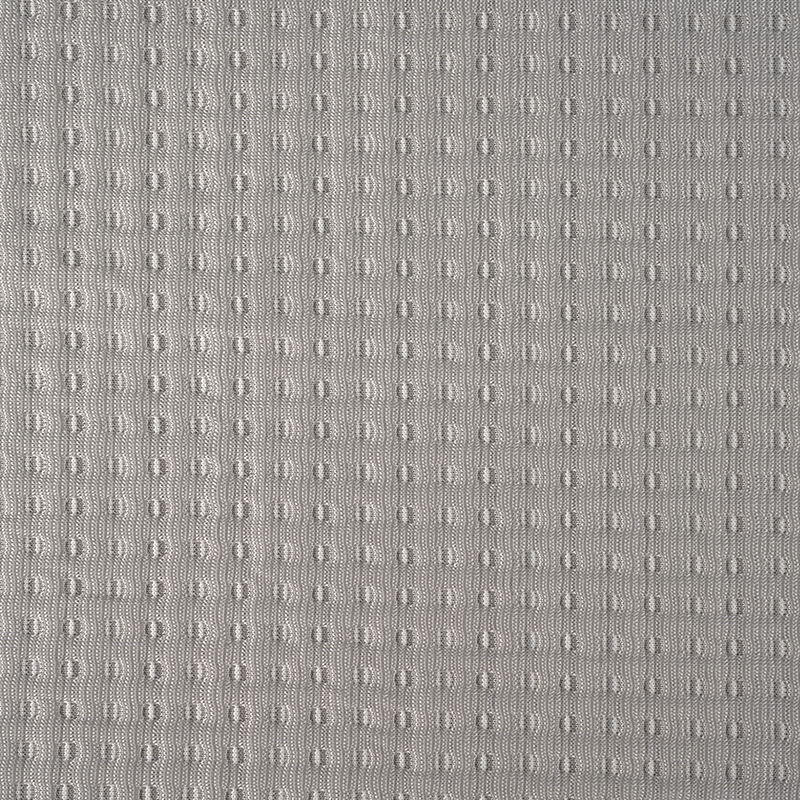
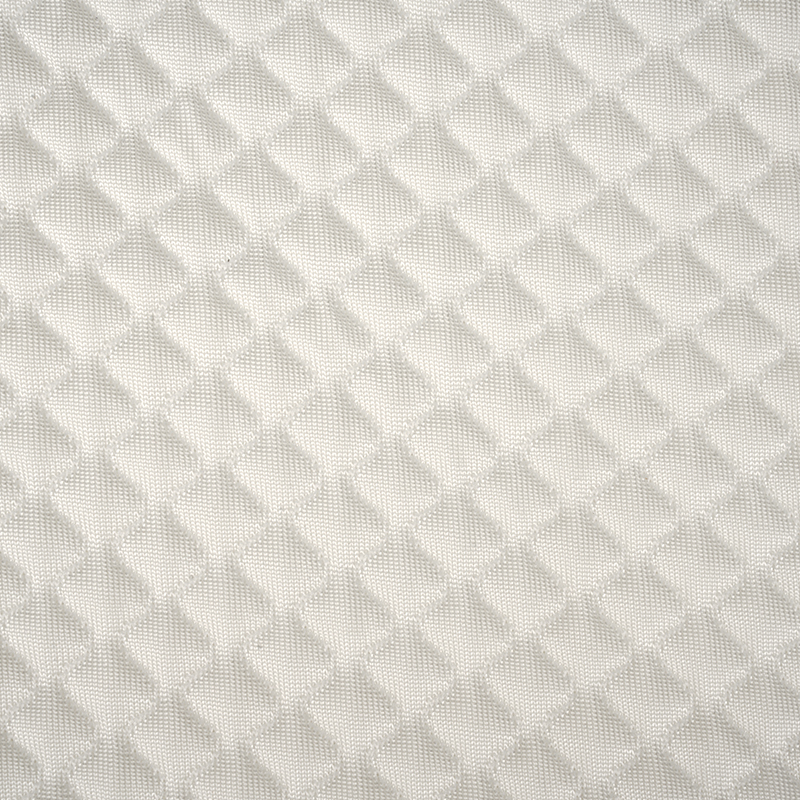
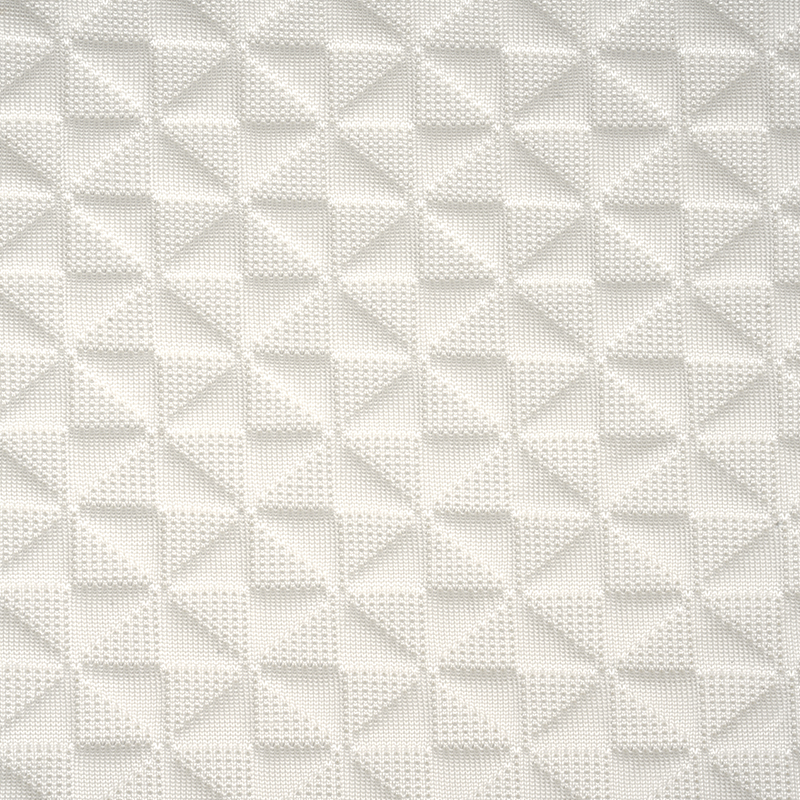
We Create Safe, Healthy and Comfortable Living Spaces Through Innovative Technology.
Hangzhou Xinsili Decorative Fabric Weaving Co.,Ltd. specializes in the innovative research, development, and precision manufacturing of decorative textiles.
We are China Children Mattress Fabric Suppliers and Wholesale Children Mattress Fabric Company.
Guided by the vision of "Weaving Beautiful Spaces," we are committed to delivering high-quality, environmentally friendly decorative solutions to global clients through our stable and practical fabric products. Upholding the corporate values of "Craftsmanship-Driven Manufacturing, Design Innovation, and Win-Win Collaboration," we empower design through technological advancement and build trust with steady and reliable quality, striving to become a trusted partner in the decorative textiles industry.
Years of Industry Experience
Factory Area
Number of Employees
Annual Output
Export Volume
Provide you with the latest enterprise and industry news
Read MoreDesigning textiles for the youth market requires a meticulous balance between ergonomic support, strict chemical safety, and enduring physical resilience. As a specialized segment within the decorative textile industry, producing high-quality Children Mattress Fabric demands a manufacturing philosophy that prioritizes the health and safety of developing bodies above all else. Guided by the vision of "Weaving Beautiful Spaces," industry-leading manufacturers engineer these specific textiles to provide parents with peace of mind while offering a sleep surface that withstands the active nature of childhood.
Unlike standard adult bedding, textiles engineered for kids must navigate a complex landscape of physiological vulnerabilities and stringent global regulatory frameworks. The epidermal layer of a child is significantly thinner and more permeable than an adult's, making them highly susceptible to chemical absorption and environmental irritants.
Beyond chemical safety, the physical architecture of Children Mattress Fabric must accommodate the unique behavioral patterns of young sleepers. Children frequently jump, spill liquids, and generate significant localized heat, necessitating a highly specialized performance profile.
When sourcing materials for youth bedding, manufacturers and procurement specialists must evaluate various fiber blends. While natural fibers offer inherent breathability, synthetic and blended architectures provide structural advantages essential for longevity and hygiene. The following comparison highlights how different material choices impact the overall functionality of the sleep environment.
| Material Specification | Performance Profile | Optimal Application in Youth Bedding |
| 100% Cotton Percale | Highly breathable, soft hand-feel, but prone to shrinkage and wrinkling | Lightweight summer covers or breathable inner ticking layers |
| Polyester Microfiber | Exceptional tensile strength, highly resistant to staining, excellent colorfastness | Primary outer ticking for durability and liquid repellency |
| Bamboo-Charcoal Blend | Naturally porous, superior odor absorption, inherent anti-bacterial properties | Inner comfort layers focusing on thermal regulation |
| 3D Knitted Spacer Fabric | Maximum airflow, pressure-relief cushioning, zero-springback feel | High-end premium mattresses targeting orthopedic support |
Through craftsmanship-driven manufacturing, the structural topology of Children Mattress Fabric has evolved significantly. Modern precision looms allow for complex constructions that integrate functionality directly into the weave, rather than relying solely on post-processing chemical treatments.
The choice between a woven and a knitted construction fundamentally alters the manufacturing process, the required sewing techniques, and the end-user experience. Selecting the correct architecture is a critical engineering decision in the production of Children Mattress Fabric.
| Construction Parameter | Woven Textiles | Knitted Textiles |
| Structural Rigidity | High dimensional stability, minimal stretch | High elasticity, conforms easily to pressure points |
| Surface Durability | Resistant to snagging and punctures | Softer hand-feel, but potentially more susceptible to snagging |
| Manufacturing Efficiency | High-speed production, lower material waste | Slower take-up rates, requires precise tension control |
| Best Suited For | Innerspring, Bonnell coil, and dual-sided youth mattresses | Memory foam, latex, and single-sided contouring mattresses |
When procuring textiles for the youth market, the absolute baseline should be the OEKO-TEX Standard 100, specifically certified for Product Class I (articles for babies and toddlers up to three years), which has the strictest testing parameters. Additionally, looking for GOTS (Global Organic Textile Standard) certification is advisable if utilizing natural fibers, as it guarantees the absence of toxic chemical inputs in the farming and processing stages. For manufacturers exporting to European markets, compliance with REACH (Registration, Evaluation, Authorisation and Restriction of Chemicals) is legally mandatory and ensures that SVHCs (Substances of Very High Concern) are entirely excluded from the dyeing and finishing supply chain.
Modern Children Mattress Fabric handles liquid exposure through a multi-tiered defensive strategy rather than relying on a single barrier. The primary defense is a durable water repellent (DWR) nano-finish applied to the surface fibers, causing liquids to immediately bead up. If liquid pressure forces moisture past this layer, advanced dual-layer constructions feature a highly breathable, microporous membrane beneath the face fabric. This membrane has a pore structure large enough to allow water vapor (sweat) to escape, but too small for liquid water molecules to penetrate, ensuring the inner foam or spring core remains completely dry and structurally sound without creating a noisy, crinkly plastic sensation.
Yes, provided the color application is managed correctly. Infants are highly responsive to high-contrast visual stimuli, which aids in cognitive and visual development. To ensure this visual engagement does not compromise safety, reputable manufacturers utilize fiber-reactive dyes that form a permanent covalent bond with the polymer chains of the yarn. This chemical bonding means the colorant becomes an intrinsic part of the fiber, achieving exceptional wet and dry rubbing fastness (Grade 4 or higher on the ISO 105-X12 scale). Consequently, the vibrant patterns will not leach, bleed, or transfer onto a child's skin or clothing, even when exposed to saliva, sweat, or standard laundering temperatures.
While no fabric can outright prevent SIDS, the engineering of Children Mattress Fabric plays a critical role in creating a safe sleep environment aligned with pediatric safety guidelines. Key engineering factors include the elimination of loose, pillable fibers that could pose an inhalation or entanglement hazard. Furthermore, utilizing highly breathable, air-permeable weaves or 3D spacer knits allows for optimal carbon dioxide dispersal. If an infant were to roll face-down into the mattress, a fabric with high air permeability significantly reduces the risk of potentially fatal rebreathing of exhaled gases, directly aligning with the safety recommendations of major pediatric associations.
Yi qiao Town, Xiaoshan District, Hangzhou City, Zhejiang Province, China
