

 English
 中文简体
中文简体 Español
 عربى
عربى русский

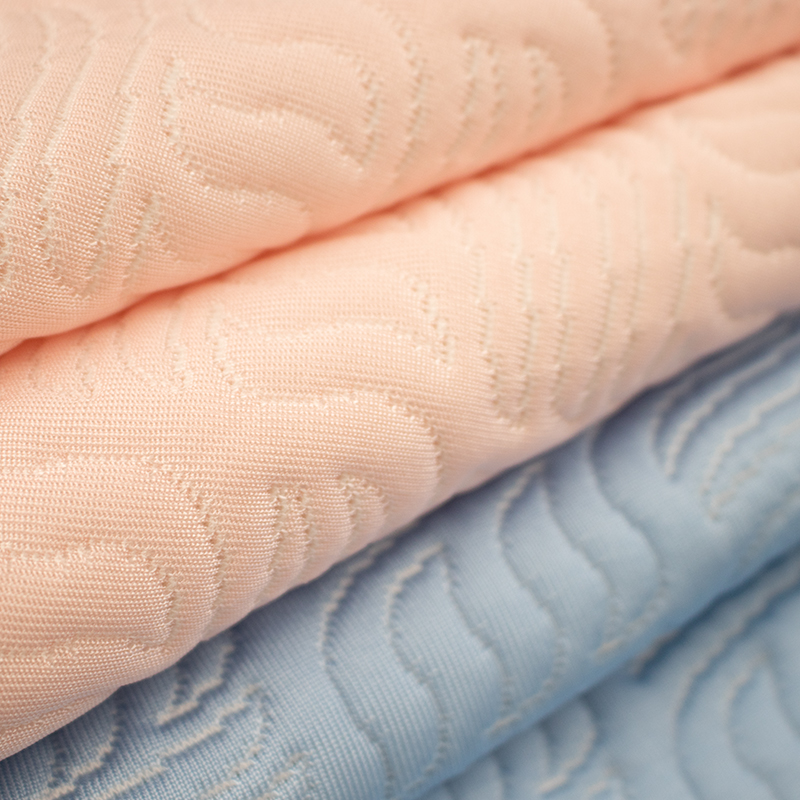
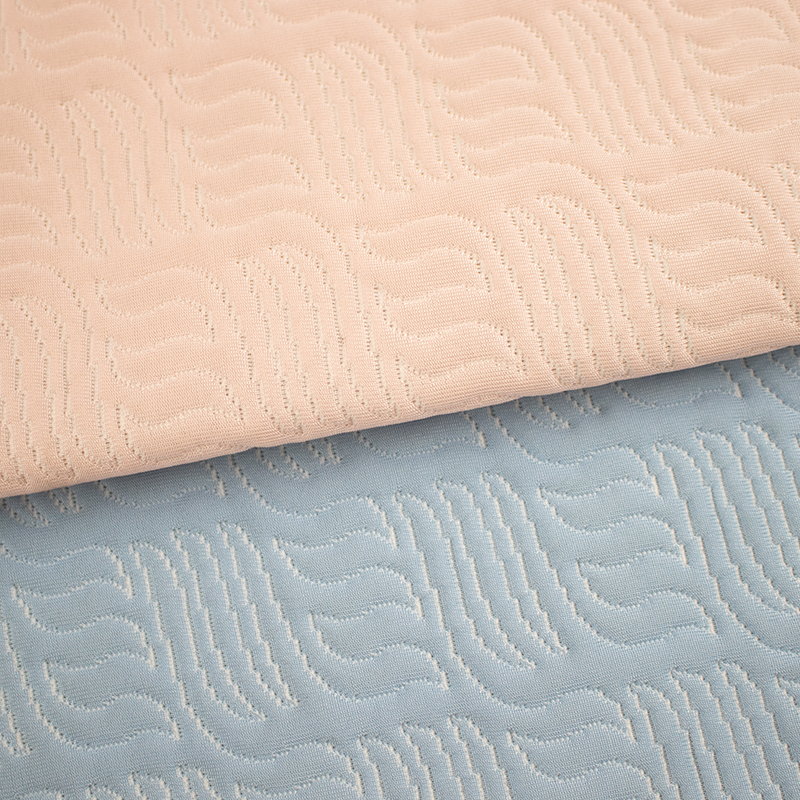
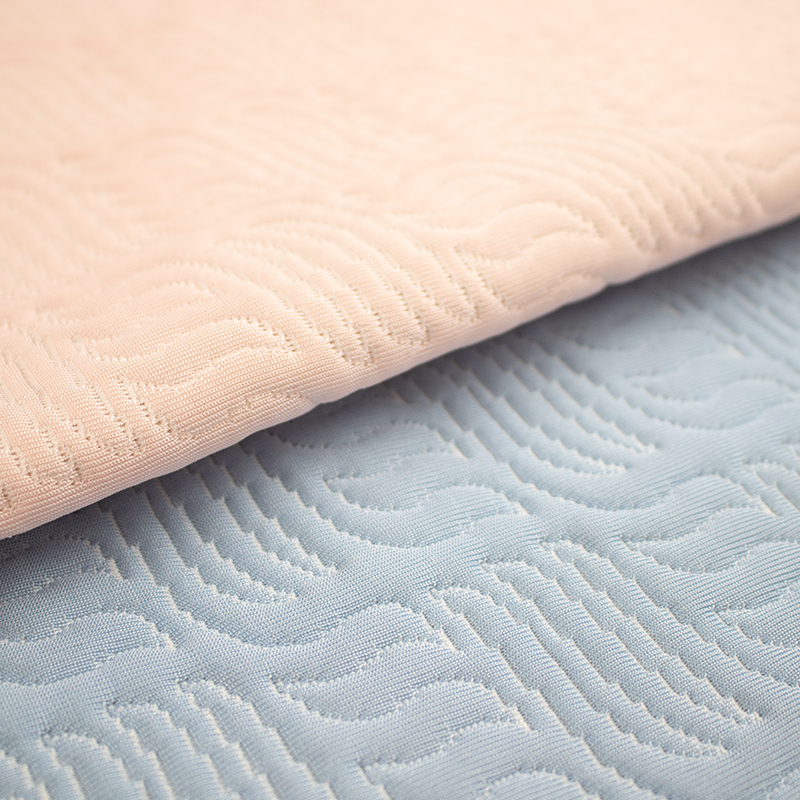

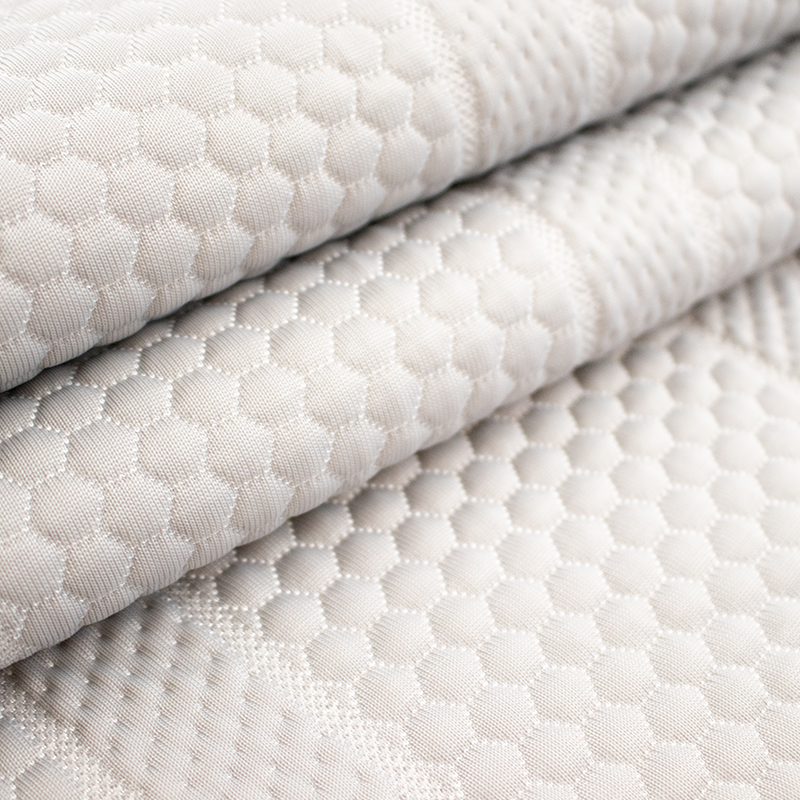
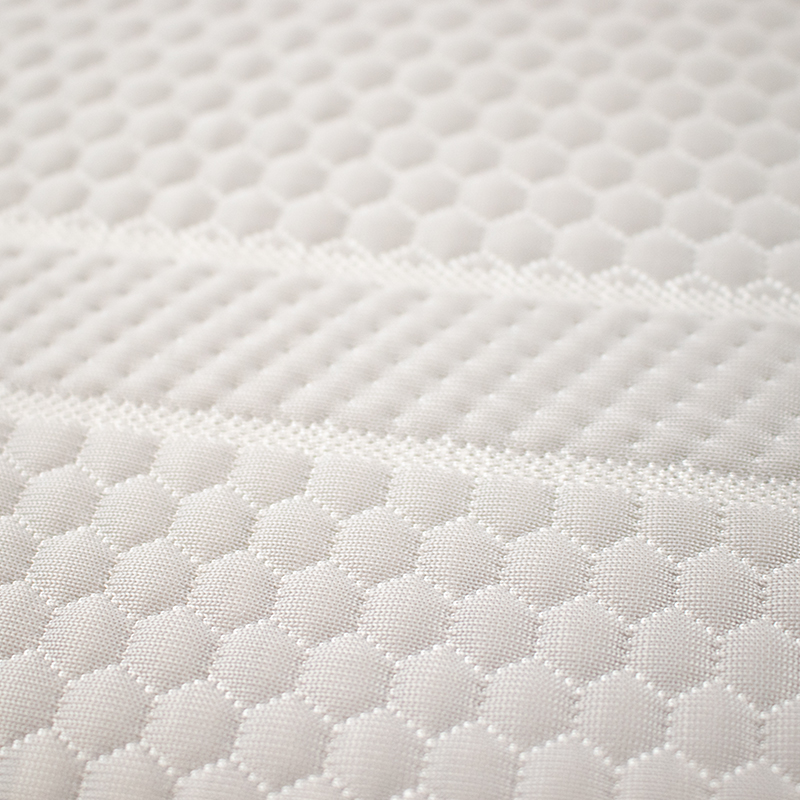
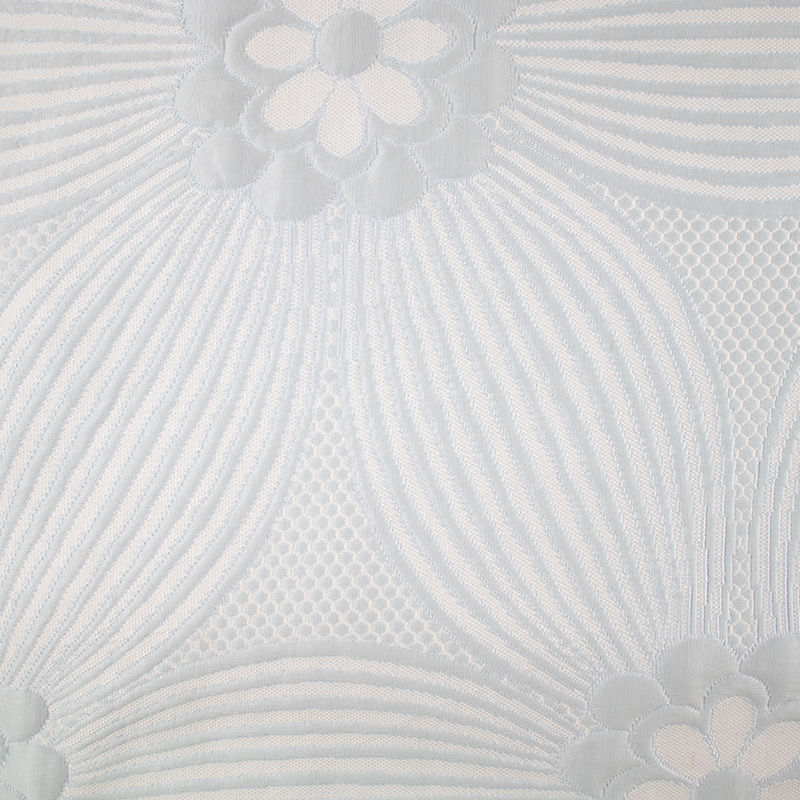
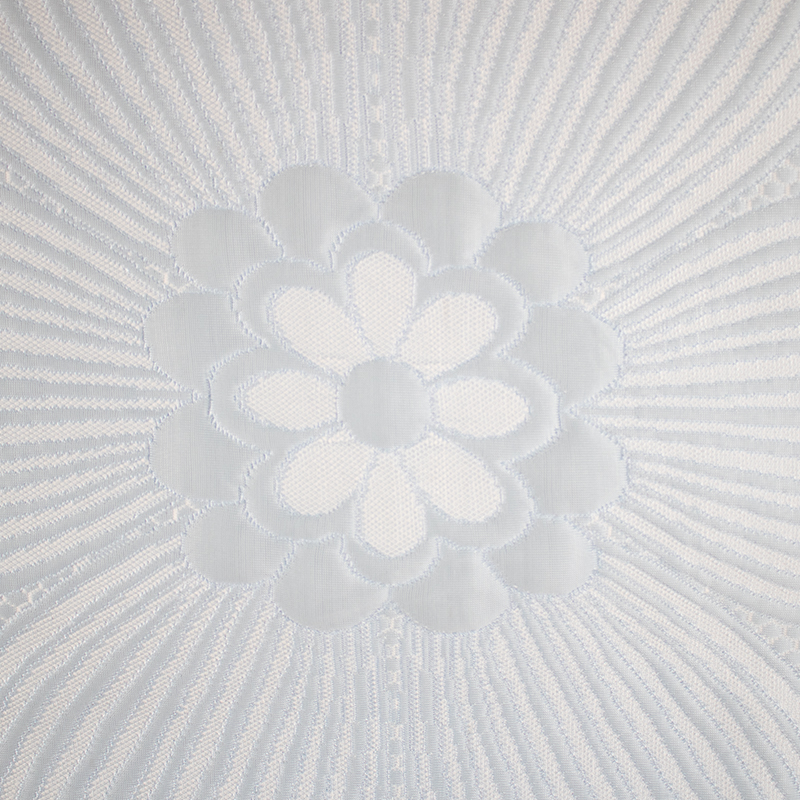
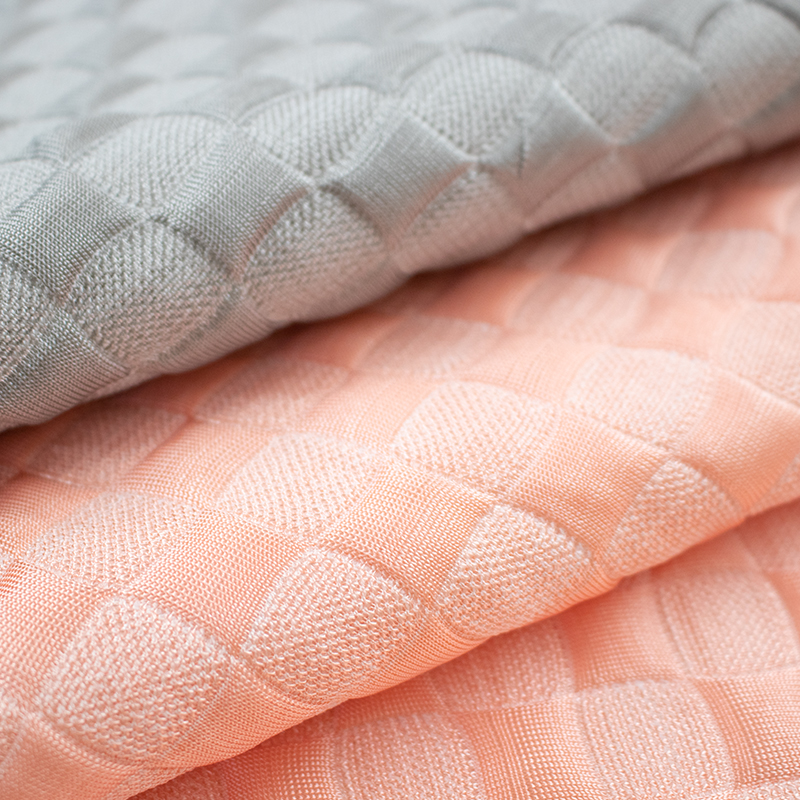
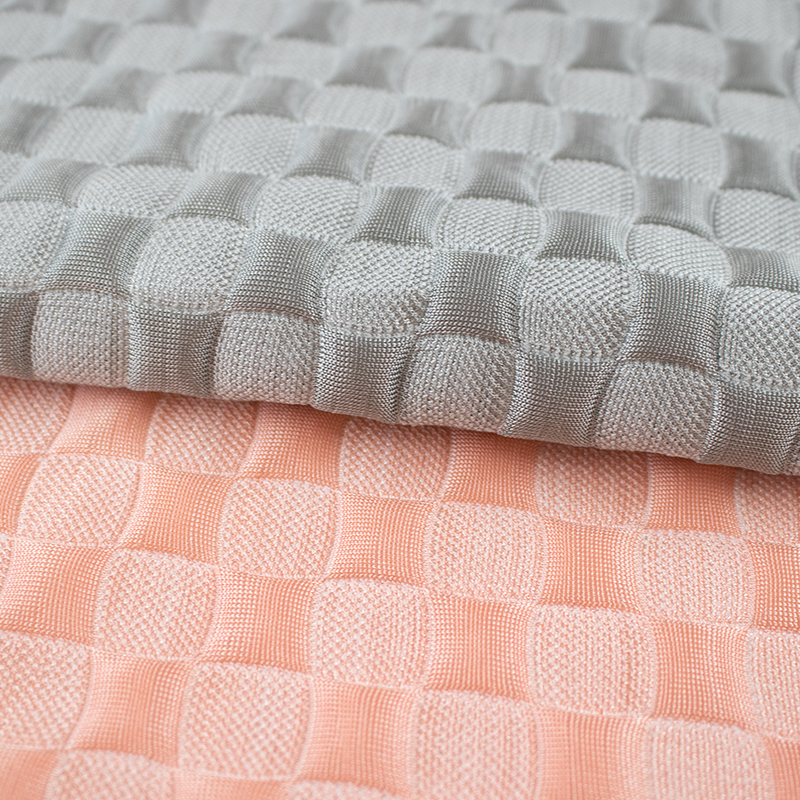
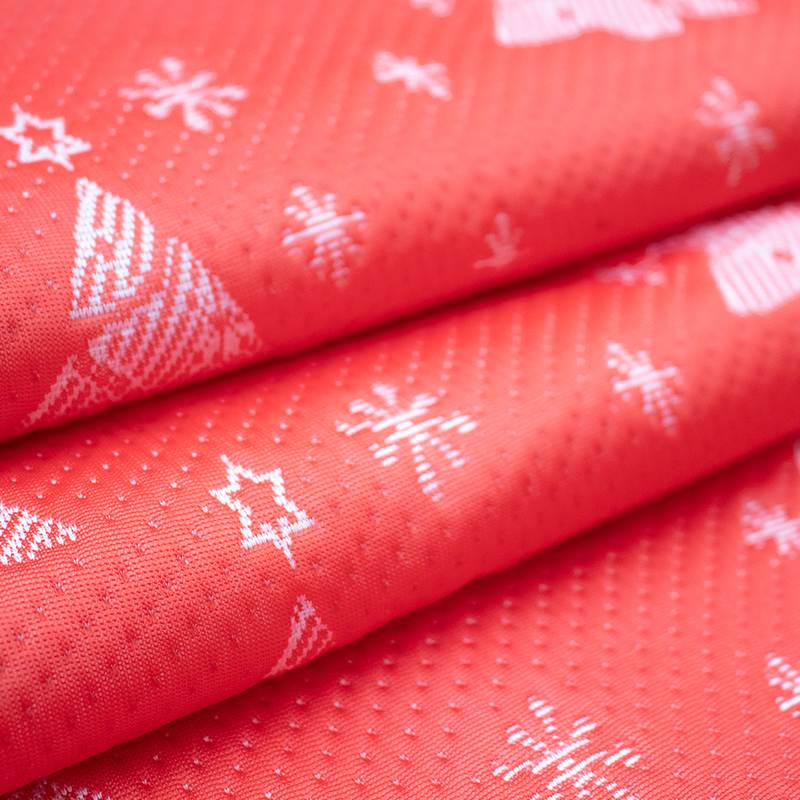
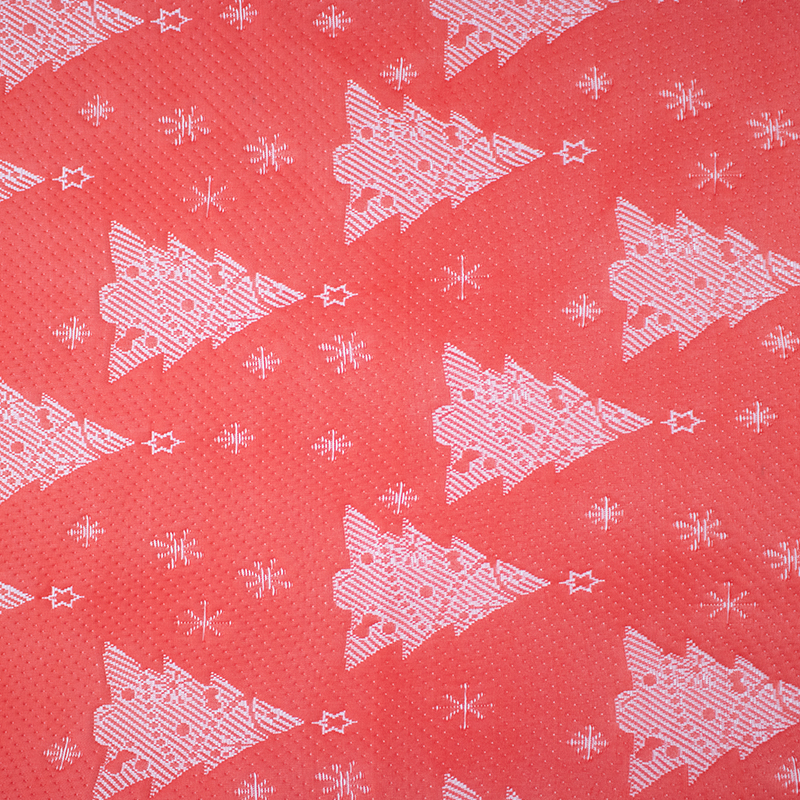
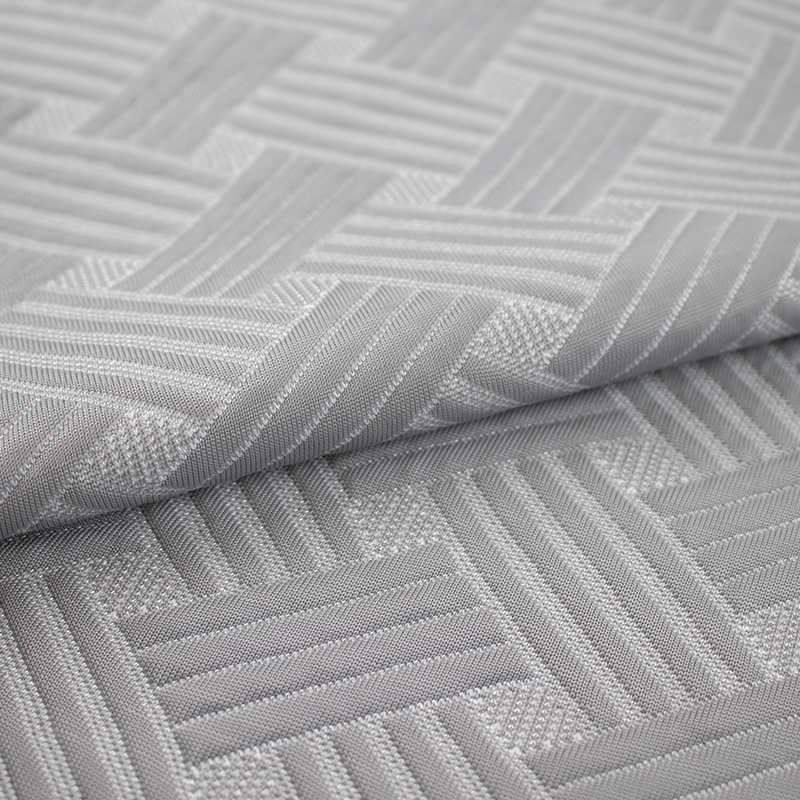
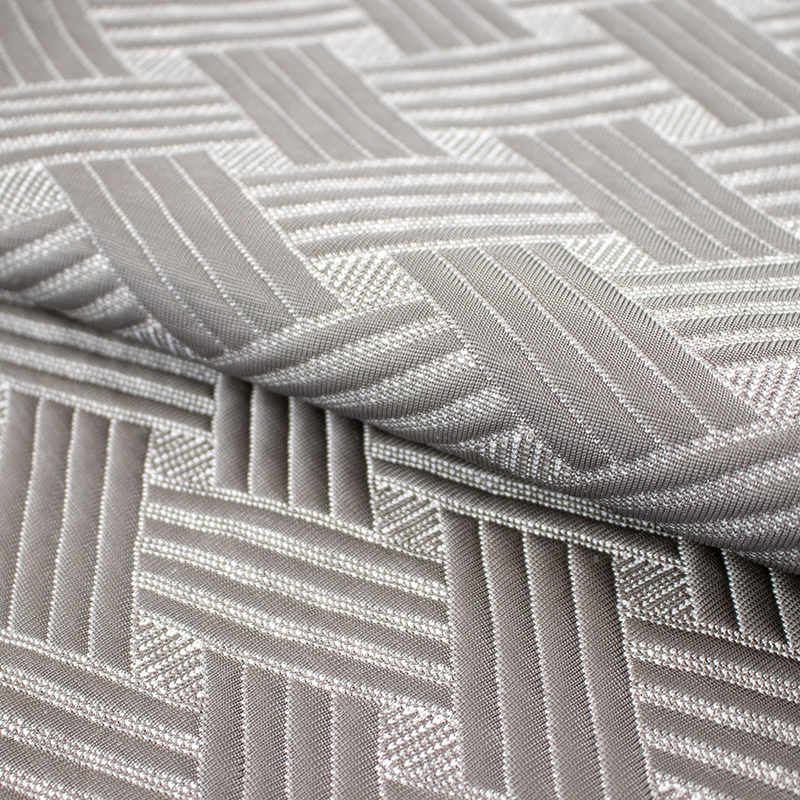
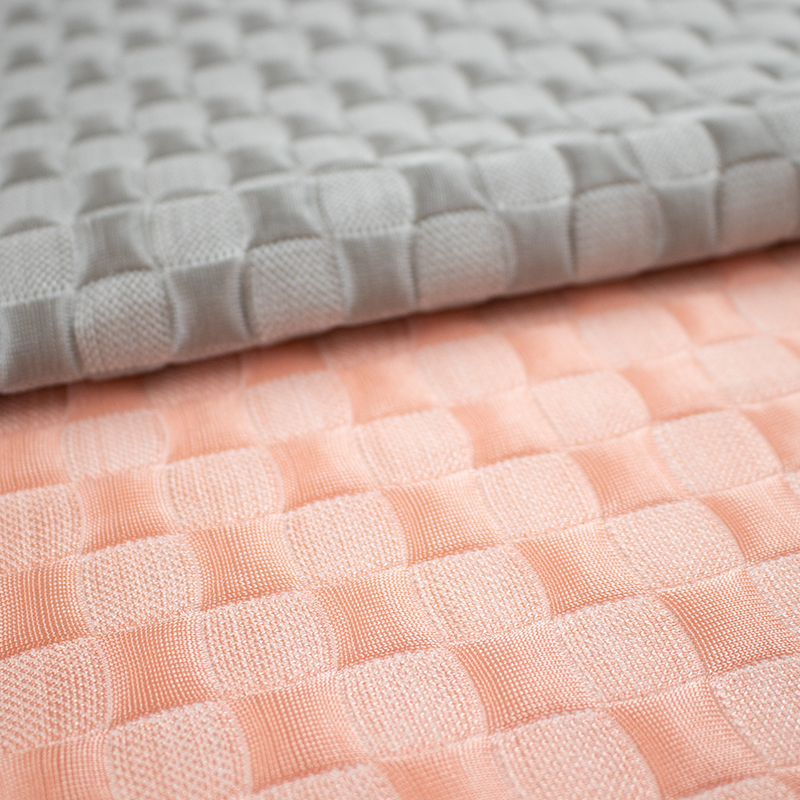
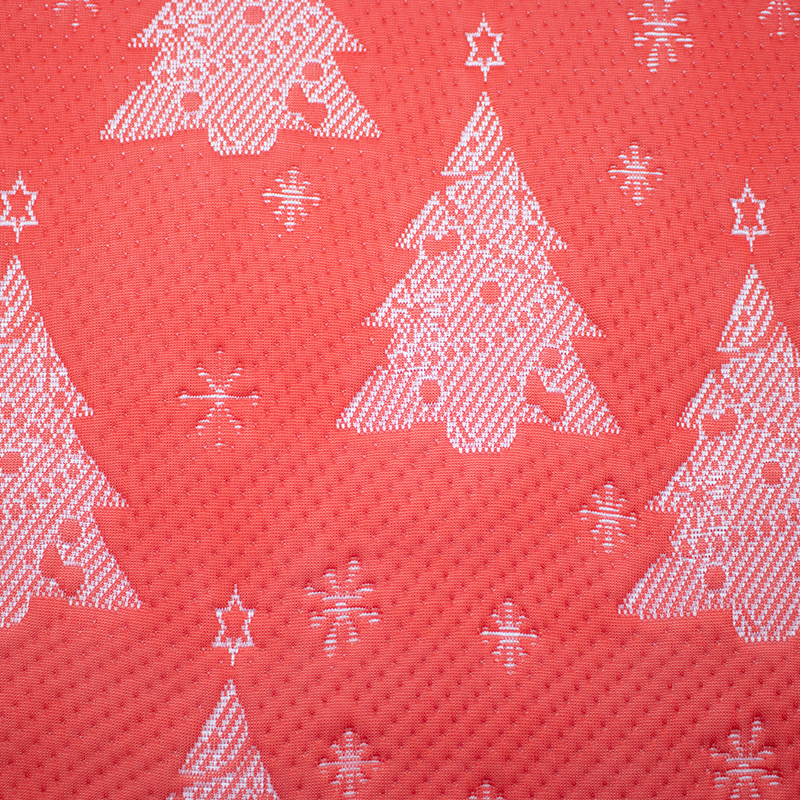
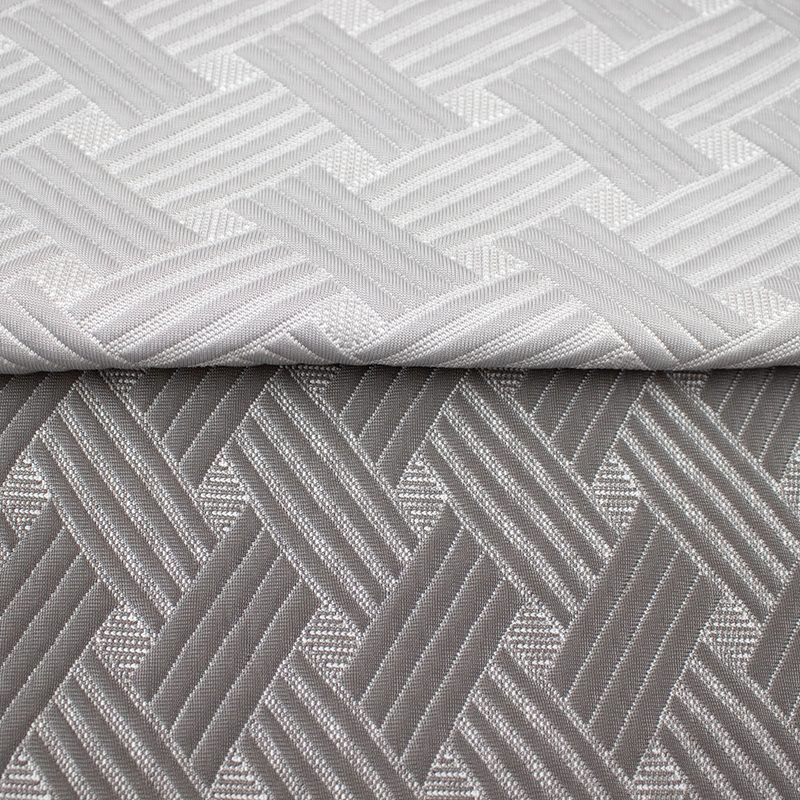
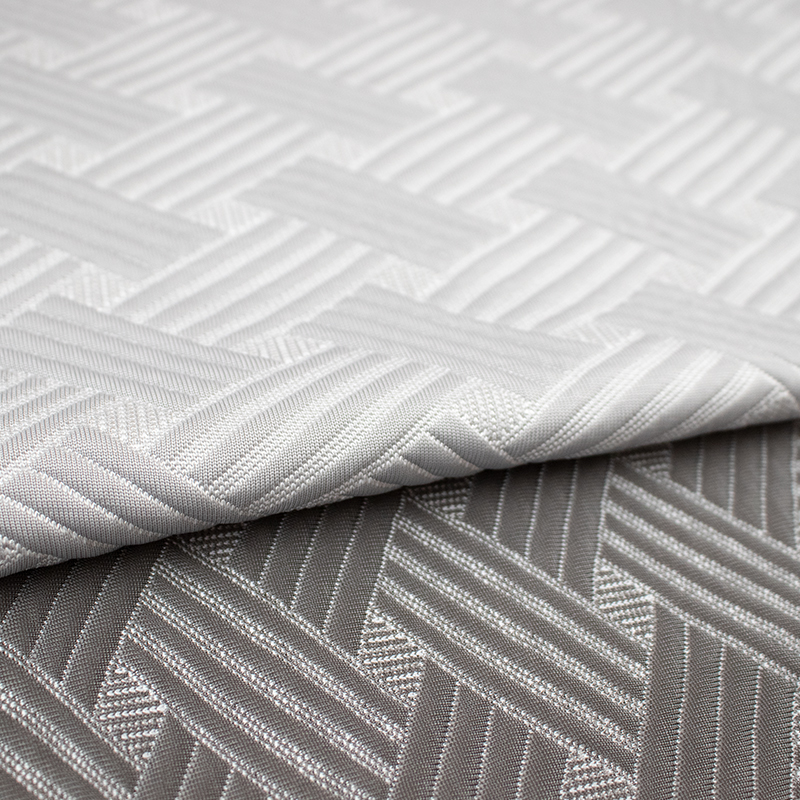
A cozy companion for cool summer nights, a perfect partner for spring and autumn afternoon naps—this knitted fabric air-conditioning blanket, with its soft touch and thoughtful design, promises comfortable rest all year round! Crafted from high-count combed knitted fabric, it offers a cloud-like softness from the first touch. Skin-friendly, breathable, and non-irritating, it's gentle enough even for sensitive skin.
The fabric features a three-dimensional knitting technique with subtle breathable pores that quickly wick away moisture, keeping the bedding dry and fresh. Say goodbye to the dilemma of feeling too hot under a blanket or too cold without one in an air-conditioned room. Its 3D elastic design flexibly adapts to your body's movements, whether you're lying flat or on your side, providing a snug wrap that blocks drafts and defends against chilly air-conditioned breezes.
Compared to ordinary fabrics, this knitted material excels in durability and anti-pilling properties. It retains its soft texture even after multiple washes, resisting deformation and fading, so it stays as good as new over time. Lightweight and pressure-free, the blanket provides just the right warmth without weighing you down, allowing for effortless movement and deeper sleep.
With its minimalist, elegant color palette and refined edging, this blanket is both practical and decorative, complementing any home style. Whether for daily use in the bedroom, midday breaks at the office, or travel, it's lightweight and convenient. Choose a knitted fabric air-conditioning blanket to infuse every moment of rest with tenderness and comfort—giving your body the most caring embrace~
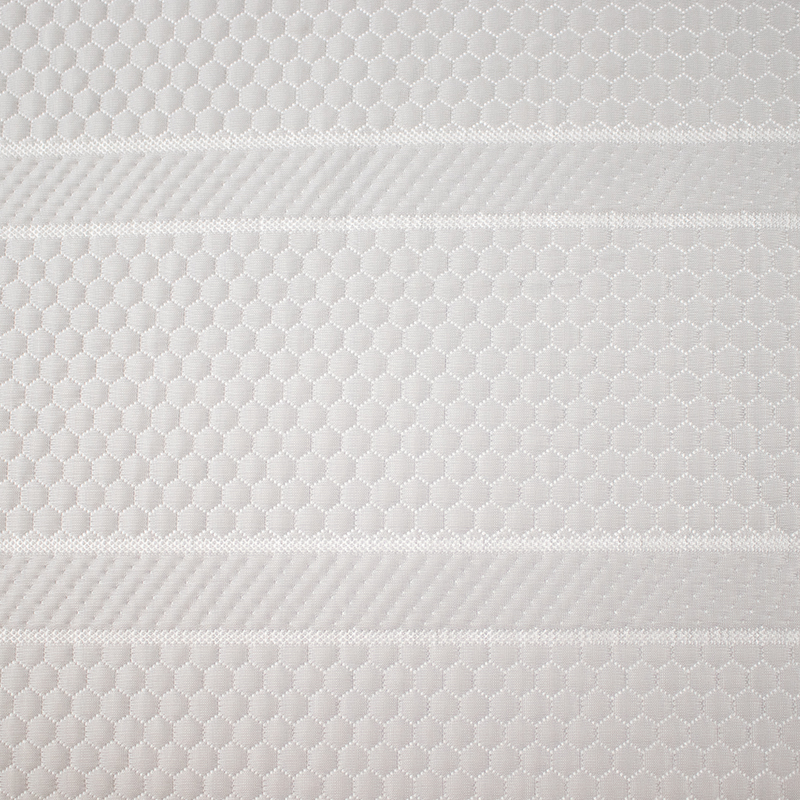
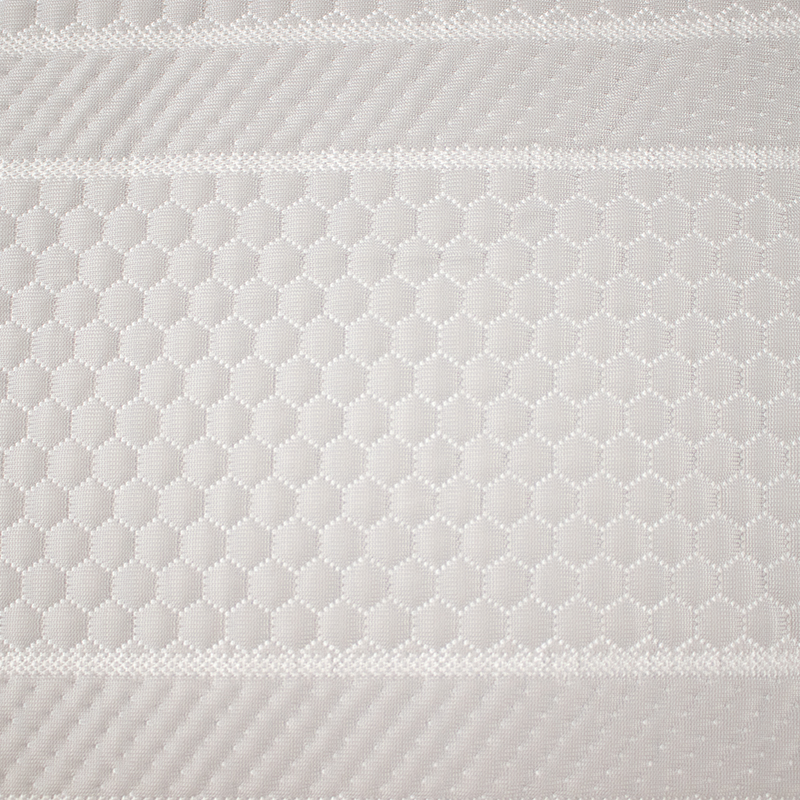
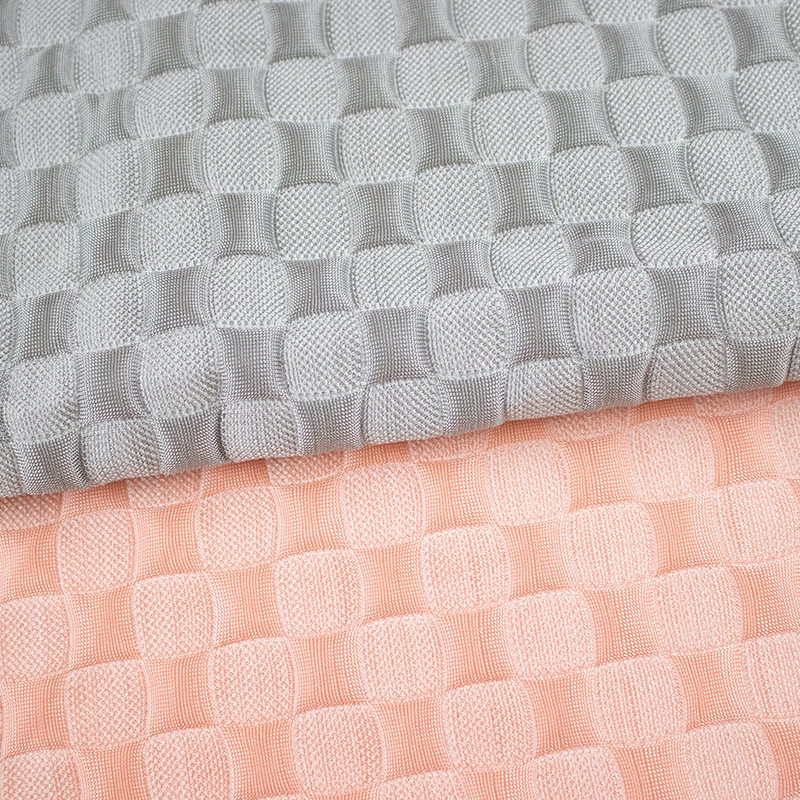
We Create Safe, Healthy and Comfortable Living Spaces Through Innovative Technology.
Hangzhou Xinsili Decorative Fabric Weaving Co.,Ltd. specializes in the innovative research, development, and precision manufacturing of decorative textiles.
We are China Bedding Textiles Suppliers and Wholesale Bed Sheet Material Company.
Guided by the vision of "Weaving Beautiful Spaces," we are committed to delivering high-quality, environmentally friendly decorative solutions to global clients through our stable and practical fabric products. Upholding the corporate values of "Craftsmanship-Driven Manufacturing, Design Innovation, and Win-Win Collaboration," we empower design through technological advancement and build trust with steady and reliable quality, striving to become a trusted partner in the decorative textiles industry.
Years of Industry Experience
Factory Area
Number of Employees
Annual Output
Export Volume
Provide you with the latest enterprise and industry news
Read MoreWhen selecting bed sheet fabric, it is essential to understand the qualities that define high-quality textiles. Whether you're looking for luxurious comfort, durability, or easy maintenance, knowing the key features of textile bed sheets can ensure you make an informed choice.
The type of fabric used is the most significant determinant of a bed sheet's quality. Different materials offer various benefits in terms of comfort, breathability, and durability. Below, we examine the most popular materials used in high-quality bed sheet fabrics:
Cotton remains the most popular choice for bed sheets due to its natural softness, breathability, and moisture-wicking properties. It is available in various forms, including Egyptian cotton, Pima cotton, and organic cotton. Each type offers different benefits:
Linen is another highly regarded fabric for bed sheets, known for its natural texture and cooling properties. Linen sheets are breathable and excellent for hot climates due to their moisture-wicking ability. However, linen tends to wrinkle more easily than cotton, giving it a relaxed, lived-in look.
Microfiber bed sheets are made from finely woven synthetic fibers and offer an affordable alternative to cotton and linen. While they may not be as breathable as natural fabrics, microfiber sheets are durable, wrinkle-resistant, and soft to the touch. However, they may not provide the same level of comfort as cotton or linen, particularly in warmer climates.
| Material | Softness | Durability | Breathability | Wrinkle Resistance |
|---|---|---|---|---|
| Cotton | High | High | Excellent | Low |
| Linen | Medium | High | Excellent | High |
| Microfiber | Medium | High | Low | Very High |
The weave of bed sheet fabric impacts the feel and durability of the sheets. Several common weave types are used in high-quality bed sheet production:
The percale weave creates a smooth, crisp finish. It is breathable and durable, making it a perfect choice for people who prefer a cooler feel. Percale sheets are usually lightweight and tend to get softer after each wash.
Sateen weaves are known for their silky smooth finish and lustrous shine. These sheets often have a heavier feel compared to percale and provide a warmer, more luxurious sleep experience. Sateen is typically used for higher thread count sheets.
Twill weave fabric is characterized by its diagonal pattern. It offers durability and resistance to wrinkles. Twill sheets can feel heavier and more substantial than other weaves, making them an excellent choice for colder climates.
Thread count refers to the number of threads woven into one square inch of fabric. While a higher thread count is often associated with softer sheets, it's essential to consider the type of fabric and weave as well. A lower-quality cotton sheet with a high thread count may not offer the same comfort or durability as a high-quality cotton sheet with a lower thread count.
Generally:
The finish and treatment of the fabric can significantly affect the bed sheet's durability and ease of care. High-quality bed sheet fabrics often undergo special treatments to enhance their performance. Common finishes include:
Many high-quality bed sheets are treated with a wrinkle-resistant finish, making them easier to maintain and ensuring they stay smooth without the need for ironing.
Hangzhou Xinsili Decorative Fabric Weaving Co.,Ltd., incorporate advanced technologies like antibacterial and moisture-resistant treatments into their bed sheet fabrics. These treatments help in preventing the growth of bacteria and wick away moisture, keeping the bed sheets fresh and comfortable.
For added safety, some bed sheet fabrics are treated with a flame-retardant finish, making them a suitable choice for homes with young children or in commercial settings like hotels.
| Treatment Type | Benefit | Example |
|---|---|---|
| Wrinkle-Resistant | Easier maintenance | Non-iron fabrics |
| Antibacterial Treatment | Health and hygiene | Moisture-wicking fabrics |
| Flame-Retardant Finish | Enhanced safety | Flame-resistant hotel bedding |
High-quality textile bed sheets are designed to last for years without showing signs of wear and tear. Durability is determined by the fabric's material, weave, and finishing. Cotton sheets with a percale weave, for example, tend to last longer than microfiber sheets. Linen, though pricier, becomes softer and more comfortable over time, adding to its longevity.
Hangzhou Xinsili Decorative Fabric Weaving Co.,Ltd. takes durability seriously, ensuring that their fabrics undergo strict quality control to maintain dimensional stability and color accuracy, which adds to the longevity of the bed sheets.
Ultimately, the comfort of your bed sheets plays a crucial role in ensuring a good night's sleep. The softness and breathability of high-quality bed sheet fabric ensure that your skin remains cool and dry, providing an optimal sleep environment. Cotton and linen are natural fabrics that excel in comfort, while microfiber is a soft but synthetic alternative.
1. What is the best material for bed sheets?
The best material depends on personal preference. Cotton, especially Egyptian or Pima cotton, is often considered the best for softness and durability, while linen is great for cooling properties, and microfiber offers an affordable, low-maintenance option.
2. How can I maintain my high-quality bed sheet fabric?
Follow the care instructions carefully. Most bed sheets benefit from gentle washing in cold water and air drying or low heat drying to maintain their fabric integrity.
3. Is a higher thread count always better?
Not necessarily. A higher thread count can contribute to a smoother feel, but fabric quality and weave are also important factors in determining the quality of bed sheets.
4. Can bed sheet fabrics be treated to be more durable?
Yes, high-quality fabrics can be treated with finishes like wrinkle resistance, antibacterial treatments, and flame retardants to improve their durability and functionality.
Yi qiao Town, Xiaoshan District, Hangzhou City, Zhejiang Province, China
