

 English
 中文简体
中文简体 Español
 عربى
عربى русский


Which Mattress Fabric Is Best for Comfort and Durability?
Content
- 1 Quick Verdict: Which Fabric Should You Choose?
- 2 Why Mattress Fabric Matters More Than You Think
- 3 Polyester: The Undisputed Durability Champion
- 4 Tencel (Lyocell): The Cooling & Moisture Maestro
- 5 Antibacterial Yarn: Passive Hygiene, Active Protection
- 6 Graphene-Infused Fabric: Next-Generation Multifunction
- 7 Side-by-Side Comparison Table
- 8 Decision Matrix: Matching Fabric to Priority
- 9 Frequently Asked Questions
- 10 Fabric Selection Flowchart
Quick Verdict: Which Fabric Should You Choose?
For maximum longevity, choose polyester. It withstands over 60,000 abrasion rubs and outlasts natural fibers by 2 to 4 times. For superior cooling and moisture control, choose Tencel—it absorbs 50% more moisture than cotton and dries faster. For hygiene-first applications, antibacterial yarn or graphene offer built-in protection against 99.9% of bacteria and persistent odors. There is no single "best" fabric—only the best fit for your specific performance priorities.
Why Mattress Fabric Matters More Than You Think
The mattress cover—technically called the ticking—is your body's only direct interface with the sleep system. It governs three critical performance vectors:
- Thermal regulation: Breathable covers dissipate body heat; occlusive fabrics trap it, raising skin temperature.
- Moisture dynamics: The cover's wicking and absorption rates determine whether sweat evaporates or pools.
- Surface integrity: Abrasion resistance and stretch recovery dictate how the mattress feels over years of use.
Selecting the wrong fabric can make even the most advanced foam or spring system feel uncomfortable within months. Conversely, the right textile extends mattress life and preserves sleep quality across thousands of cycles.
Polyester: The Undisputed Durability Champion
Polyester dominates the mattress industry for one primary reason: it is engineered to last. Its molecular structure resists stretching, tearing, and surface breakdown under repeated compression and friction.
Abrasion & Tensile Strength
Independent textile tests show that high-quality polyester ticking withstands 40,000 to 60,000 Martindale rubs before visible wear appears—compared to approximately 15,000 for cotton. This translates to a service life of 8 to 12 years under normal residential use, versus 3 to 5 years for natural-fiber covers.
Stretch Recovery & Conformability
Knit polyester variants offer four-way stretch, allowing the cover to move seamlessly with foam and latex comfort layers. This prevents tension ridges and ensures consistent surface tension, even after 10,000+ compression cycles.
The Heat Trade-Off
Polyester's density gives it durability but reduces breathability. It traps body heat more effectively than hydrophilic fibers, making it less suitable for hot sleepers unless paired with mechanical cooling features (e.g., airflow channels).
Tencel (Lyocell): The Cooling & Moisture Maestro
Tencel is a semi-synthetic fiber derived from sustainably sourced wood pulp via a closed-loop process. Its unique microfiber structure delivers unparalleled moisture dynamics and a silky hand feel.
Moisture Absorption & Evaporation
Tencel fibers have a specific surface area 30% larger than cotton, enabling them to absorb 50% more moisture by weight. More importantly, they release that moisture into the air 2.5 times faster than cotton, keeping the microclimate between skin and mattress consistently dry and comfortable.
Thermoregulation Performance
In controlled sleep-lab environments, Tencel covers reduce peak skin temperature by 1.2°C to 1.8°C compared to standard polyester ticking. This difference correlates with a 15% reduction in nocturnal awakenings due to overheating.
Durability & Care
While Tencel is less abrasion-resistant than polyester (approximately 20,000–25,000 rubs), it maintains structural integrity well when paired with a mattress protector. Its smooth fiber surface also resists pilling better than standard cotton.
Antibacterial Yarn: Passive Hygiene, Active Protection
Antibacterial yarns integrate antimicrobial agents—silver ions, copper compounds, or natural botanical extracts—directly into the polymer matrix. This creates a permanent, non-leaching protective barrier that does not wash out over time.
Efficacy Against Pathogens
Third-party testing on silver-ion yarns demonstrates a ≥99.9% reduction in Staphylococcus aureus and Escherichia coli within 24 hours of contact. Against odor-causing bacteria (e.g., Corynebacterium), the same yarns show a 95% inhibition rate over 72 hours.
Mold & Mite Resistance
By suppressing moisture-retaining biofilms, antibacterial fabrics reduce the proliferation of house dust mites by 60–70% compared to untreated controls. This makes them particularly valuable for allergy-prone environments.
Integration Flexibility
Antibacterial functionality can be layered into any base fiber—polyester, nylon, or even cellulosics—without compromising tensile strength or hand feel. This allows manufacturers to pair hygiene with either durability (polyester blend) or cooling (Tencel blend).
Graphene-Infused Fabric: Next-Generation Multifunction
Graphene—a single-atom-thick carbon lattice—is embedded into textile fibers to impart exceptional thermal conductivity, antibacterial activity, and structural reinforcement. It represents the cutting edge of performance mattress ticking.
Superior Heat Dissipation
Graphene's thermal conductivity exceeds that of copper, allowing the fabric to spread heat laterally across the surface rather than concentrating it. This reduces hot-spot formation and maintains a uniform temperature variance of less than ±0.5°C across the sleep surface.
Dual-Action Antibacterial Effect
The sharp edges of graphene nanosheets physically rupture bacterial cell walls, while its chemical structure generates reactive oxygen species that neutralize remaining pathogens. This dual mechanism delivers persistent antibacterial activity exceeding 98% over multiple wash cycles.
Mechanical Reinforcement
At low loading levels (0.5–2% by weight), graphene increases fabric tensile strength by 15–20% and reduces pilling propensity by 30% compared to standard polyester, making it both durable and comfortable.
Side-by-Side Comparison Table
Decision Matrix: Matching Fabric to Priority
Scenario 1: Heavy-Use & Rental Applications
Prioritize high-density polyester or polyester-nylon blends. These withstand frequent washing, abrasive contact, and compression cycles without losing shape. Look for a minimum 50,000 Martindale rating for a 10-year service horizon.
Scenario 2: Premium Sleep & Hot Sleepers
Choose Tencel or Tencel blends. Its superior moisture management and evaporative cooling reduce night sweats and support stable core temperature. For additional hygiene, pair with a lightweight antibacterial top-layer treatment.
Scenario 3: Healthcare, Hospitality & Allergy-Sensitive
Select silver-ion antibacterial yarn or graphene-infused fabric. Both provide continuous, non-chemical pathogen control. Graphene additionally offers thermal regulation, making it ideal for high-turnover environments where both hygiene and comfort are non-negotiable.
Scenario 4: Balanced All-Rounder
Consider a polyester-Tencel core-spun blend with a graphene top coating. This construction achieves a durability baseline of 35,000+ rubs, moisture absorption of 25–30% by weight, and active temperature management—covering all bases effectively.
Frequently Asked Questions
Which mattress fabric lasts the longest?
Polyester is the durability leader, withstanding 40,000 to 60,000 abrasion cycles—outperforming cotton and Tencel by 2 to 4 times in accelerated wear tests.
For sleepers who overheat, yes. Tencel's 50% higher moisture absorption and faster evaporation directly translate to 1.5°C cooler skin temperature and fewer sleep interruptions. For durability-first applications, polyester remains the cost-effective choice.
Do antibacterial yarns lose effectiveness over time?
No. When antimicrobial agents are embedded in the polymer matrix (not surface-coated), they provide permanent protection that withstands 100+ industrial wash cycles without significant performance degradation.
Can graphene fabric feel stiff or scratchy?
At effective loading levels (under 2% by weight), graphene does not alter fabric hand feel. Properly engineered graphene textiles retain the softness of the base fiber (polyester or Tencel) while adding thermal and antibacterial functionality.
How do I choose between antibacterial yarn and graphene?
Choose antibacterial yarn if hygiene and odor control are your sole priorities. Choose graphene if you also need heat dissipation and mechanical reinforcement. Graphene offers a broader performance profile at a higher technology tier.
Fabric Selection Flowchart
┌──────────────────────────────────────────────┐
│ DEFINE YOUR PRIMARY GOAL │
└──────────────────────────────────────────────┘
↓
┌──────────────────────────────────────────────┐
│ Is uncompromising durability #1? │
└──────────────────────────────────────────────┘
│ │
YES NO
↓ ↓
┌─────────────────────┐ ┌──────────────────────────────────┐
│ POLYESTER │ │ Is cooling & moisture priority? │
│ (40k–60k rubs) │ └──────────────────────────────────┘
└─────────────────────┘ │ │
│ YES NO
│ ↓ ↓
│ ┌─────────────────────┐ ┌─────────────────────────┐
│ │ TENCEL │ │ Is built-in hygiene │
│ │ (50% more moisture) │ │ a critical factor? │
│ └─────────────────────┘ └─────────────────────────┘
│ │ │ │
│ │ YES NO
│ │ ↓ ↓
│ │ ┌─────────────────────┐ ┌─────────────────────┐
│ │ │ ANTIBACTERIAL YARN │ │ Consider Blended │
│ │ │ or GRAPHENE │ │ Construction │
│ │ └─────────────────────┘ └─────────────────────┘
│ │ │ │
└───────────────────────┼────────────────────┴────────────┘
↓
┌─────────────────────────────────┐
│ VALIDATE WITH APPLICATION │
│ (Residential / Hospitality / │
│ Healthcare / Premium Sleep) │
└─────────────────────────────────┘
│ DEFINE YOUR PRIMARY GOAL │
└──────────────────────────────────────────────┘
↓
┌──────────────────────────────────────────────┐
│ Is uncompromising durability #1? │
└──────────────────────────────────────────────┘
│ │
YES NO
↓ ↓
┌─────────────────────┐ ┌──────────────────────────────────┐
│ POLYESTER │ │ Is cooling & moisture priority? │
│ (40k–60k rubs) │ └──────────────────────────────────┘
└─────────────────────┘ │ │
│ YES NO
│ ↓ ↓
│ ┌─────────────────────┐ ┌─────────────────────────┐
│ │ TENCEL │ │ Is built-in hygiene │
│ │ (50% more moisture) │ │ a critical factor? │
│ └─────────────────────┘ └─────────────────────────┘
│ │ │ │
│ │ YES NO
│ │ ↓ ↓
│ │ ┌─────────────────────┐ ┌─────────────────────┐
│ │ │ ANTIBACTERIAL YARN │ │ Consider Blended │
│ │ │ or GRAPHENE │ │ Construction │
│ │ └─────────────────────┘ └─────────────────────┘
│ │ │ │
└───────────────────────┼────────────────────┴────────────┘
↓
┌─────────────────────────────────┐
│ VALIDATE WITH APPLICATION │
│ (Residential / Hospitality / │
│ Healthcare / Premium Sleep) │
└─────────────────────────────────┘
Use this decision tree to map your primary need to the optimal fabric category. Polyester for durability, Tencel for cooling, antibacterial/graphene for hygiene, and engineered blends for balanced performance across multiple axes.
Our Featured Products
-
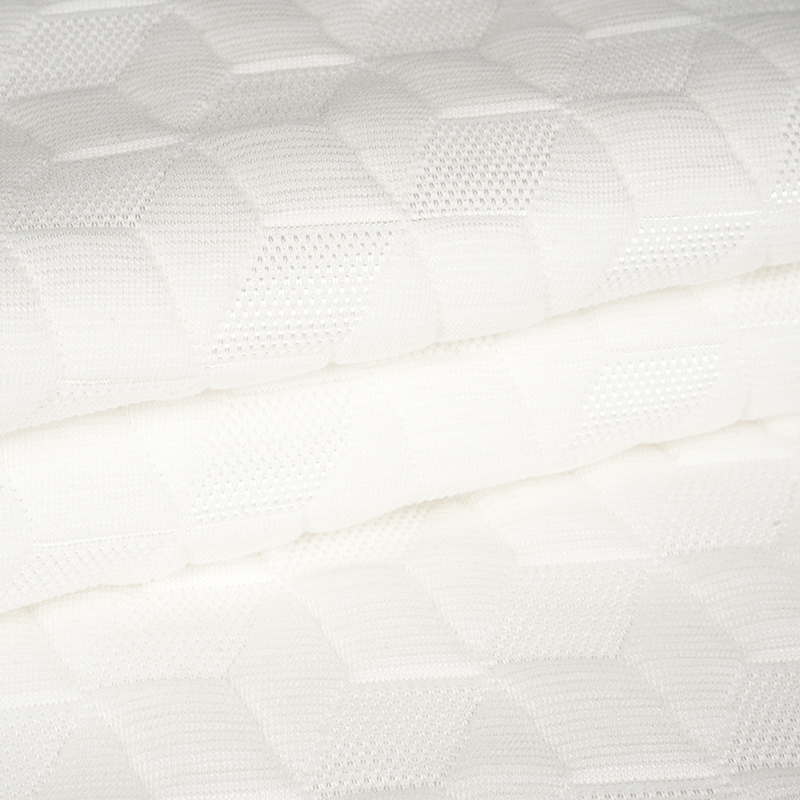
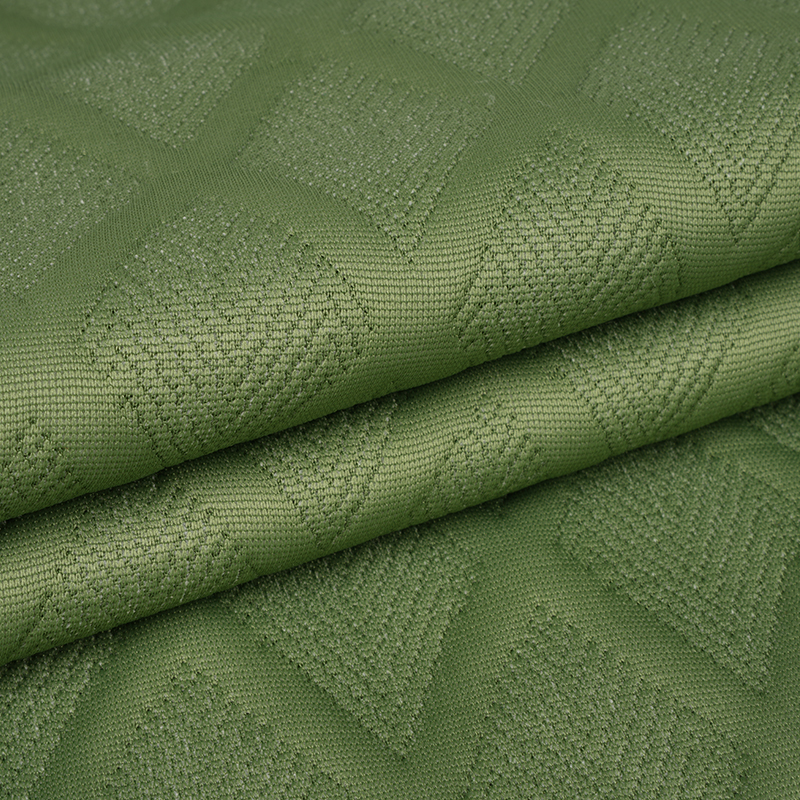
Polyester Mattress Fabric
Polyester Mattress Fabric
-
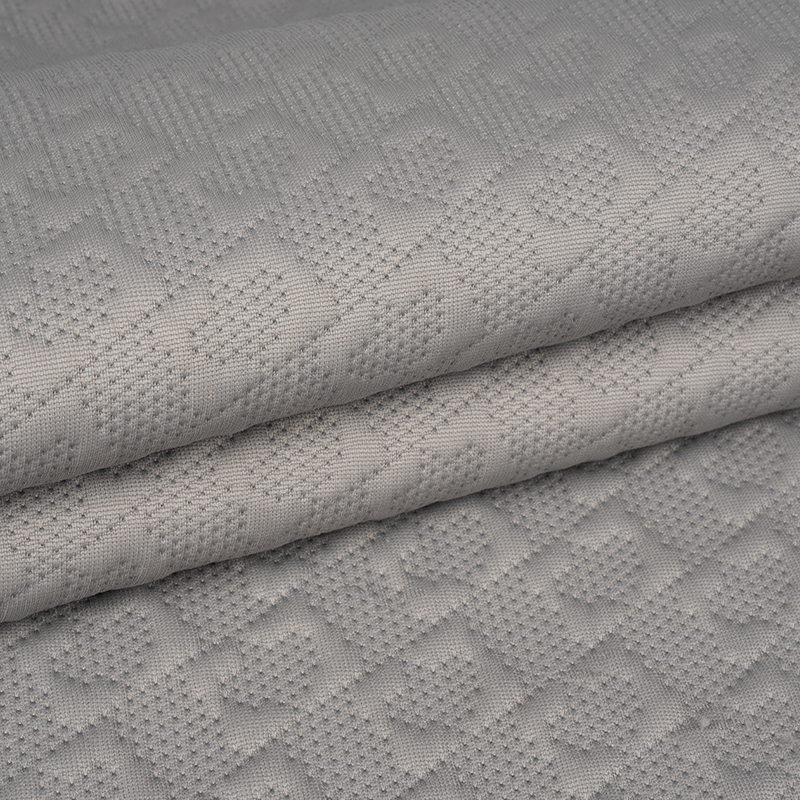
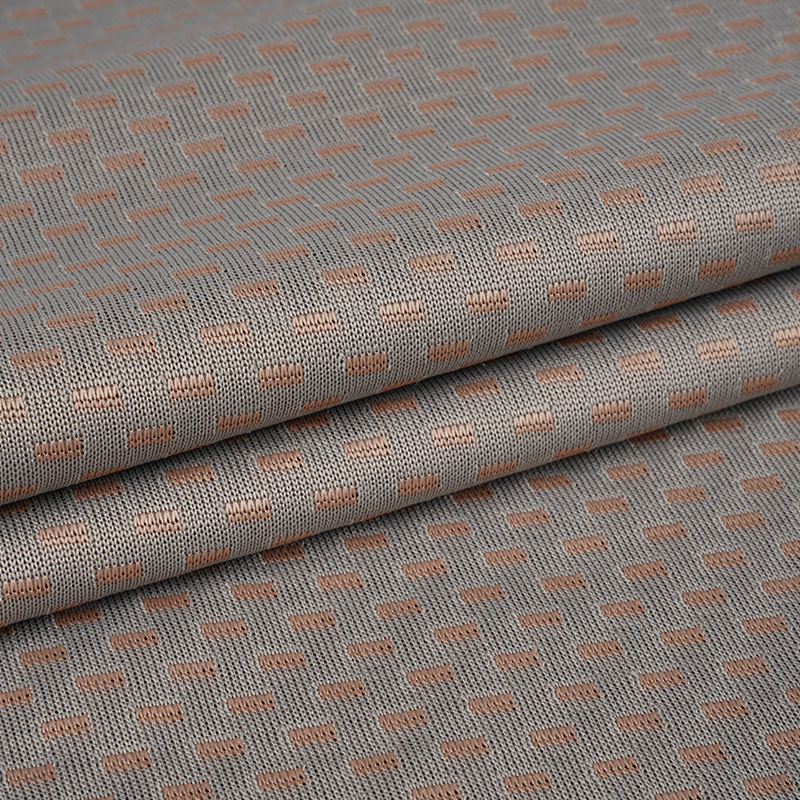
Antibacterial Yarn Children Mattress Fabric
Antibacterial Yarn Children Mattress Fabric
Haven’t Found The Products You Want?
-
-
Shen Jinyan:+86-15158070676
[email protected]
Liang Jinwen:+86-15757186621
[email protected]
Qiu Yingyingn:+86-13819545790
[email protected]
Yi qiao Town, Xiaoshan District, Hangzhou City, Zhejiang Province, China
-
Products
Mattress Fabric Children Mattress Fabric Pillowcase Fabric Pregnancy Pillow Fabric Cooling Mat Fabric Bedding Fabric Sofa Fabric Pet Friendly Fabrics -
Contact Information
About Us Products Strength Sustainability News Contact Us
Copyright © Hangzhou Xinsili Decorative Fabric Weaving Co.,Ltd. All Rights Reserved.
Functional Decorative Textile Manufacturers
