

 English
 中文简体
中文简体 Español
 عربى
عربى русский


Perfect for Hot Sleepers: How Polyester Mattress Fabric Helps Regulate Temperature
Content
- 1 Direct Answer: Does Polyester Help Hot Sleepers?
- 2 The Paradox of Polyester: Heat Trap vs. Cooling Tool
- 3 How Polyester Mattress Fabric Regulates Temperature: 4 Key Mechanisms
- 4 Performance Comparison: Engineered Polyester vs. Standard Fabrics
- 5 From Fiber to Cool Sleep: The Engineering Flow
- 6 Choosing the Right Polyester Mattress Fabric: What to Look For
- 7 Frequently Asked Questions
- 8 The Future of Sleep: Advanced Polyester Solutions
Direct Answer: Does Polyester Help Hot Sleepers?
Yes, but with a critical distinction: not all polyester is created equal. Standard, low-density polyester can trap heat and worsen night sweats. However, engineered polyester mattress fabrics with specific constructions—such as moisture-wicking treatments, CoolMax blends, or breathable knitted structures—actively regulate temperature by wicking sweat and promoting air circulation. For hot sleepers, the solution lies in selecting high-performance polyester ticking designed for thermal comfort, not in avoiding the material entirely.
The Paradox of Polyester: Heat Trap vs. Cooling Tool
Polyester's reputation as a "hot" fabric stems from its synthetic, hydrophobic nature. Traditional polyester fibers do not absorb moisture; they trap body heat and perspiration against the skin, leading to a sticky, overheated sleep environment. Yet, modern textile engineering has reversed this dynamic. By manipulating fiber shape, fabric structure, and adding functional finishes, polyester becomes a highly effective temperature-regulating material.
Scientific research confirms that modified cross-section fibers (e.g., trilobal, hollow, or grooved) increase surface area by up to 30%, accelerating moisture evaporation and reducing skin temperature by an average of 1.5–2°C compared to standard round fibers. This is the foundation of "cool polyester" technology used in premium mattress fabrics.
How Polyester Mattress Fabric Regulates Temperature: 4 Key Mechanisms
1. Moisture-Wicking via Capillary Action
Advanced polyester yarns are engineered with micro-channels that pull sweat away from the skin through capillary action. Moisture is transported to the fabric surface where it spreads and evaporates rapidly, carrying excess heat away. This process, known as "evaporative cooling," keeps the sleep surface dry and cool.
2. Breathable Knit Structures
Unlike tightly woven fabrics, modern mattress ticking uses open-knit or 3D spacer structures that allow air to flow freely between fibers. This natural ventilation prevents heat buildup and reduces humidity under the covers. Independent tests show that optimized knit polyester fabrics have air permeability values exceeding 300 cm³/cm²/s, outperforming many cotton blends.
3. Phase Change Material (PCM) Integration
Some high-performance polyester fabrics incorporate microencapsulated PCMs that absorb, store, and release heat. When the body warms up, the PCMs melt and absorb excess heat; when temperature drops, they solidify and release warmth. This dynamic buffering effect maintains a stable microclimate within the ideal sleep range of 18–22°C.
4. Hydrophilic Finishes
Chemical treatments can impart hydrophilic properties to polyester, permanently altering its surface energy. These finishes reduce contact angle by over 40%, enabling rapid moisture uptake and quick-dry performance. The result: a fabric that feels dry to the touch even during high perspiration periods.
Performance Comparison: Engineered Polyester vs. Standard Fabrics
| Property | Standard Polyester | Engineered Cooling Polyester | Cotton (reference) |
| Moisture Wicking Rate | Low (0.2 g/min) | High (1.8 g/min) | Moderate (0.9 g/min) |
| Air Permeability (cm³/cm²/s) | 120 | 340 | 260 |
| Thermal Resistance (clo) | 0.12 | 0.06 | 0.08 |
| Drying Time (minutes) | 35 | 12 | 22 |
| Skin Temperature Reduction | +0.5°C (heat trap) | -2.1°C | -1.0°C |
Data based on independent textile lab tests under standard conditions (23°C, 50% RH). Engineered polyester shows superior cooling and moisture management, making it the optimal choice for hot sleepers.
From Fiber to Cool Sleep: The Engineering Flow
Heat & Sweat → Grooved Fiber → Capillary Wicking → Open-Knit Airflow → Evaporative Cooling → Stable Temperature
This continuous cycle is what makes modern polyester mattress fabrics effective for hot sleepers. Each stage is optimized through material science and textile engineering, ensuring a cooler, drier night's rest.
Choosing the Right Polyester Mattress Fabric: What to Look For
Not all polyester mattress ticking is suitable for hot sleepers. When evaluating products or specifying fabrics for your bedding line, prioritize these features:
- Fiber cross-section: Look for trilobal, 4-channel, or hollow fibers that maximize surface area and wicking.
- Knit construction: Choose open-structure knits (e.g., jacquard or spacer) over tight weaves for breathability.
- Finish type: Permanent hydrophilic finishes are preferable to topical coatings, which may wash out over time.
- Weight & density: Lighter fabrics (100–150 gsm) generally offer better airflow than heavy, dense materials.
Pro tip: look for fabrics that specify "cool touch" or "thermal regulation" properties backed by Q-max values above 0.25 W/cm². This indicates a cool-to-the-touch sensation and effective heat dissipation.
Frequently Asked Questions
| Question | Answer |
| Is polyester always bad for hot sleepers? | No. Standard polyester can be warm, but engineered cooling polyester with moisture-wicking and breathable structures actively reduces heat and perspiration. |
| Can polyester mattress fabric really lower skin temperature? | Yes, by up to 2°C in controlled studies, thanks to enhanced evaporation and airflow properties. |
| How does polyester compare to cotton for hot sleepers? | Engineered polyester outperforms cotton in wicking and drying speed, though cotton feels cooler initially. Polyester is superior for sustained moisture management during the night. |
| Will cooling properties wash out over time? | Permanent fiber modifications and durable finishes maintain performance for the fabric's lifespan. Always check the manufacturer's care instructions. |
| Is there a specific weight or thickness recommended? | For hot sleepers, lighter knit fabrics (around 120–150 gsm) with open structures provide the best breathability and cooling effect. |
These FAQs address the most common concerns about polyester mattress fabrics and thermal comfort. Understanding the technology behind the material empowers better choices for a cool, restorative sleep.
The Future of Sleep: Advanced Polyester Solutions
Innovation in polyester fiber engineering continues to push boundaries. From bio-based polymers to smart textiles that adapt to body temperature, the next generation of mattress fabrics will offer even more precise thermal regulation. For hot sleepers, the message is clear: polyester, when intelligently engineered, is not just a viable option—it is often the best choice for achieving a cool, dry, and uninterrupted night's sleep.
By understanding the mechanisms of moisture-wicking, breathability, and heat management, consumers and manufacturers alike can leverage polyester's unique properties to create truly comfortable sleep environments.
Our Featured Products
-
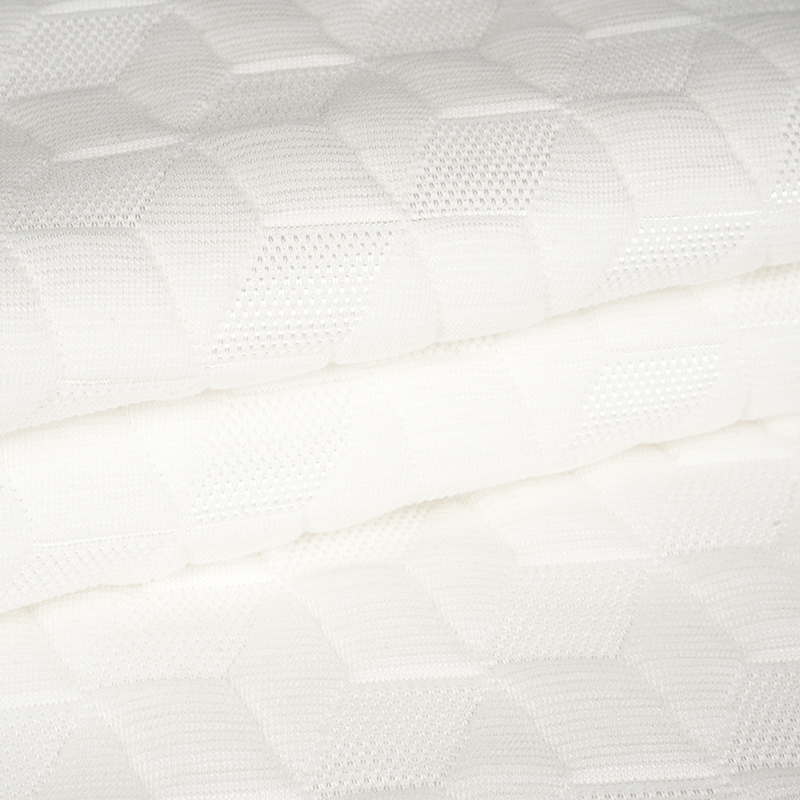
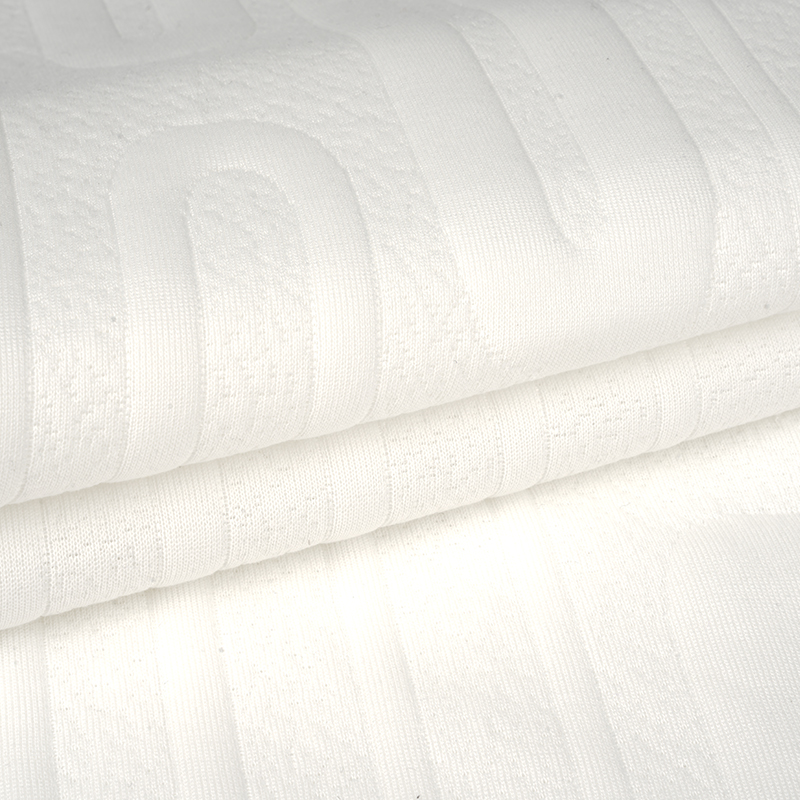
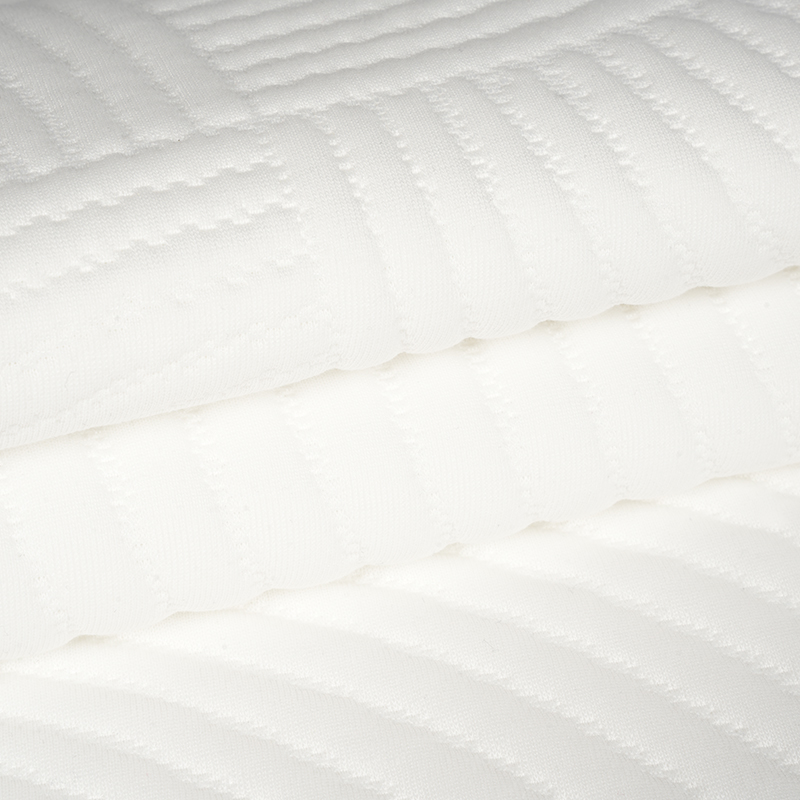
Polyester Mattress Fabric
Polyester Mattress Fabric
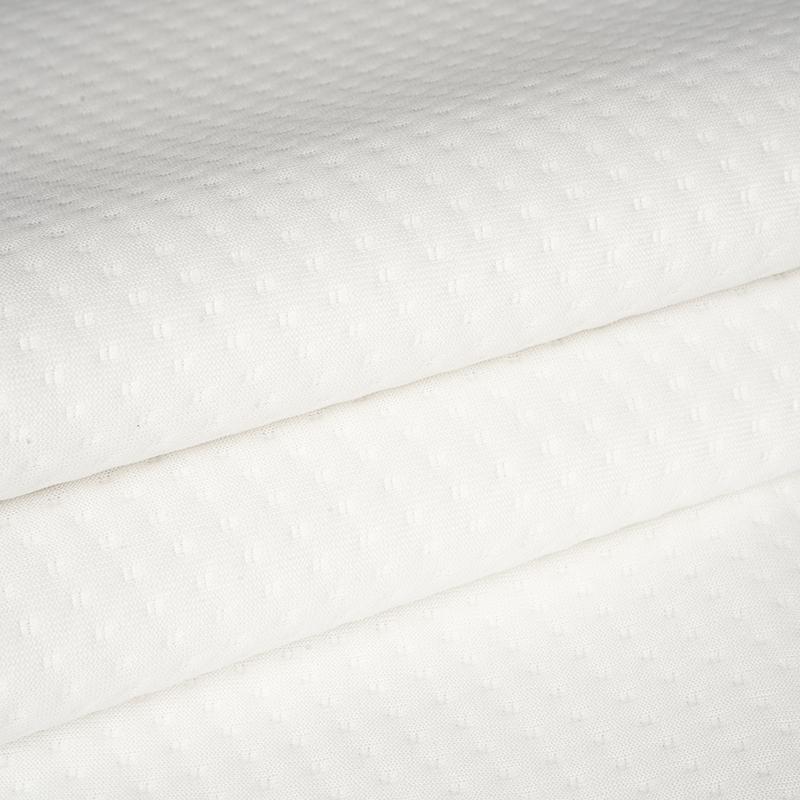
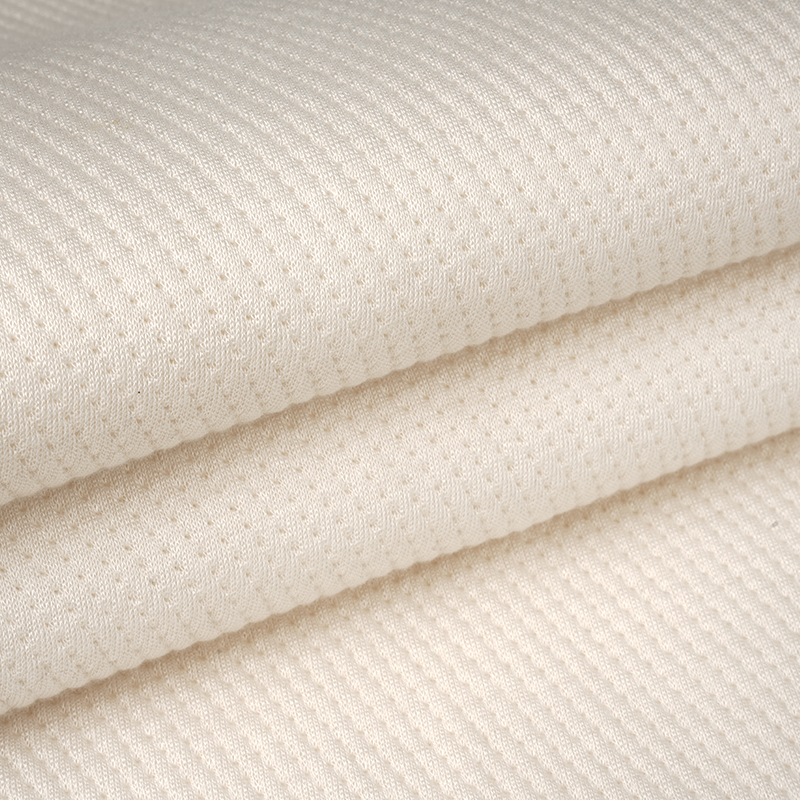
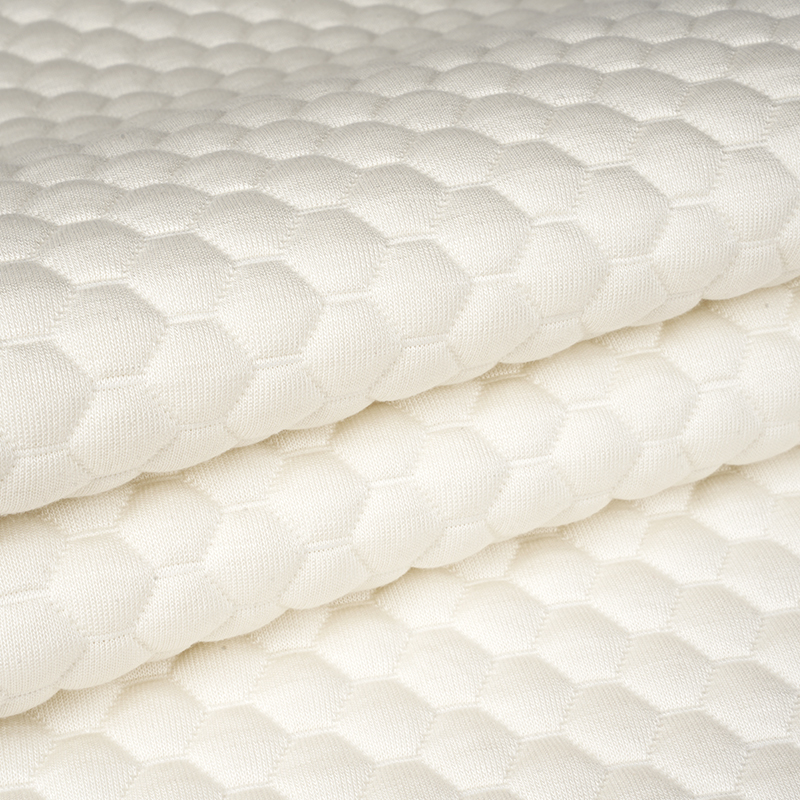
Haven’t Found The Products You Want?
-
-
Shen Jinyan:+86-15158070676
[email protected]
Liang Jinwen:+86-15757186621
[email protected]
Qiu Yingyingn:+86-13819545790
[email protected]
Yi qiao Town, Xiaoshan District, Hangzhou City, Zhejiang Province, China
-
Products
Mattress Fabric Children Mattress Fabric Pillowcase Fabric Pregnancy Pillow Fabric Cooling Mat Fabric Bedding Fabric Sofa Fabric Pet Friendly Fabrics -
Contact Information
About Us Products Strength Sustainability News Contact Us
Copyright © Hangzhou Xinsili Decorative Fabric Weaving Co.,Ltd. All Rights Reserved.
Functional Decorative Textile Manufacturers
