

 English
 中文简体
中文简体 Español
 عربى
عربى русский


The Ultimate Guide to Bamboo Fiber Mattress Fabric
Content
- 1 1. Why Bamboo Fiber Outperforms for Mattress Fabric
- 2 2. Measurable Performance Indicators of Bamboo Fiber Mattress Fabric
- 3 3. Production Flow: From Bamboo Biomass to High-Performance Mattress Fabric
- 4 4. Comparative Benchmark: Bamboo Fiber vs. Cotton vs. Polyester
- 5 5. How to Evaluate Premium Bamboo Fiber Mattress Fabric
- 6 6. Environmental Footprint & Circular Benefits
- 7 7. Care & Longevity: Maximizing Bamboo Fabric Performance
- 8 8. Frequently Asked Questions (FAQ)
- 8.1 1. Does bamboo fiber mattress fabric pill easily?
- 8.2 2. Is bamboo suitable for allergy sufferers?
- 8.3 3. Does bamboo fabric shrink significantly?
- 8.4 4. Is bamboo mattress fabric as durable as cotton?
- 8.5 5. How to confirm genuine bamboo fiber without synthetic additives?
- 8.6 6. Can bamboo fabric be combined with smart temperature control systems?
- 9 Final Technical Insight
Core conclusion: Bamboo fiber mattress fabric delivers superior moisture management, natural antimicrobial efficiency, and breathability that outperforms conventional cotton and polyester. Lab data shows premium bamboo fabric reduces relative humidity at the sleeping surface by 35%, provides antibacterial rates of 75%–95%, and lowers carbon footprint by over 40% compared to synthetic textiles. For healthy sleep environments and sustainable textile innovation, bamboo fiber mattress fabric is the definitive choice.
1. Why Bamboo Fiber Outperforms for Mattress Fabric
Bamboo fiber mattress fabric goes beyond a "natural" claim. Its microscopic cross-section reveals elliptical micro-gaps and longitudinal channels, creating high capillary action that rapidly absorbs and evaporates perspiration, preventing stuffiness. Additionally, bamboo contains “bamboo kun” – a natural bioactive agent that provides lasting antimicrobial protection, ideal for sensitive skin and allergy-prone individuals.
Thermoregulation & Moisture Dynamics
Compared to cotton, bamboo fiber shows 1.8 times faster moisture absorption rate and 30% higher evaporation speed. When used as mattress ticking, bamboo blended fabric maintains a dry contact surface throughout the night, drastically reducing bacterial and dust mite proliferation. Controlled tests indicate that under identical humid conditions, the surface temperature of a bamboo fabric mattress cover is 2.5°C–3.2°C lower than polyester covers.
Hypoallergenic & Odor Resistance
Natural bamboo fabric inhibits Staphylococcus aureus by ≥78% and Candida albicans by >72%, and these properties remain stable after repeated laundering (≥70% inhibition after 50 washes for quality bamboo textile). Consequently, bamboo fiber mattress fabric significantly reduces unpleasant smells and maintains a hygienic sleep zone.
2. Measurable Performance Indicators of Bamboo Fiber Mattress Fabric
Industry-standard tests provide the following benchmark data for evaluating bamboo mattress fabric:
- Air Permeability: Woven bamboo fabric achieves 180–220 mm/s, which is 27% higher than standard cotton and 58% higher than polyester.
- Wicking Height (5 min): Bamboo knitted fabric > 115 mm, ensuring rapid sweat dispersion and dry touch.
- Moisture Regain: Bamboo fiber ~ 13%–14% – only wool surpasses it, far above cotton (8.5%) and polyester (0.4%).
- UV & Antistatic Performance: Natural UV protection rate up to 96% (UPF 50+) and low surface resistivity; virtually no static build-up, improving sleep comfort.
Key insight: Thanks to these indicators, bamboo fiber mattress fabric actively regulates the sleep microclimate. For hot, humid conditions or individuals prone to night sweating, the drying rate improves by 40% compared to standard cotton mattress covers.
3. Production Flow: From Bamboo Biomass to High-Performance Mattress Fabric
Modern bamboo fiber production uses closed-loop lyocell processes or advanced mechanical–enzymatic extraction. The diagram below shows the complete manufacturing chain that guarantees softness, strength, and hygienic functionality.
Bamboo selection3–4 yr moso bamboo, debarked & chipped
→
Fiber extractionMechanical crushing / enzymatic retting
→
SpinningSolvent dissolution, filtration, & filament formation
→
Fabric weavingCarding, drafting, yarn spinning & weaving/knitting
→
Finish treatmentBio-polish, mechanical softening → final fabric
Process advantage: Closed-loop solvent recovery systems reclaim >99.5% of solvent while water consumption is reduced by 40% compared to conventional viscose. The resulting bamboo fiber mattress fabric offers silky hand feel, high tensile strength, and innate antimicrobial activity.
4. Comparative Benchmark: Bamboo Fiber vs. Cotton vs. Polyester
The following data illustrates how bamboo fiber mattress fabric outperforms conventional materials across key sleep-health metrics:
| Property | Bamboo Fiber Fabric | Cotton Fabric | Polyester Fabric |
|---|---|---|---|
| Moisture wicking speed | Very high (wicking ≥115mm/5min) | Moderate (~70mm/5min) | Poor (hydrophobic, clammy feel) |
| Air permeability (mm/s) | 195–220 (excellent) | 135–165 | 80–120 (static issues) |
| Natural antibacterial rate (S. aureus) | ≥75% (bamboo kun effect) | None (bacteria prone) | None, retains odors |
| Softness / skin feel | Silky, smooth, non-irritating | Soft but pills over time | Rough, poor breathability |
| Biodegradation period | <1 year (compost conditions) | 3–6 months | >200 years (microplastic pollution) |
| Thermoregulation capacity | Excellent dynamic cooling | Average (slow drying) | Poor (heat buildup) |
The benchmark proves that bamboo fiber mattress fabric is the superior choice for comfort, hygiene, and ecological responsibility.
5. How to Evaluate Premium Bamboo Fiber Mattress Fabric
To ensure you source high-grade bamboo mattress fabric, examine these four technical parameters and avoid low-quality imitations.
- Fiber composition label: Prefer bamboo content ≥70% (pure bamboo or bamboo/organic cotton blends). Avoid products with token bamboo percentages.
- Yarn count & density: Optimal mattress fabric uses 40S–60S compact-spun yarn with at least 180 threads per inch. High-density bamboo fabric achieves Martindale abrasion resistance >25,000 cycles.
- pH & formaldehyde: Premium bamboo fabric has pH 4.0–7.5 and zero formaldehyde, meeting infant-safe standards.
- Antimicrobial durability: Request lab reports after 50 washes; lasting inhibition ≥65% guarantees long-term health value.
Expert tip: The burn test – pure bamboo fiber burns to a soft gray ash without black smoke or plastic residue, while synthetics melt and form hard beads.
6. Environmental Footprint & Circular Benefits
Bamboo fiber mattress fabric supports low-carbon and circular economy goals. Bamboo matures in 3–5 years without irrigation or pesticides, sequestering 1.5 times more carbon than equivalent hardwood forests. Per ton of bamboo fiber, production uses 20% less water and emits 30% less greenhouse gas compared to cotton fiber.
- Biodegradability: Pure bamboo fabric degrades within 6–12 months in soil, leaving no microplastics.
- Chemical recovery: Advanced closed-loop lyocell processes recover >99% of solvent, reducing waste by >60%.
- Carbon footprint: Bamboo fabric ~ 2.5 kg CO₂e/kg vs. cotton 3.8 kg CO₂e and polyester 5.7 kg CO₂e.
For decorative textile enterprises, adopting bamboo fiber mattress fabric elevates health value and aligns with future environmental regulations and green consumer expectations.
7. Care & Longevity: Maximizing Bamboo Fabric Performance
Proper maintenance preserves bamboo fabric's softness, antimicrobial action and breathability.
- Washing: Use mild detergent, cold to lukewarm water (≤30°C) gentle cycle. Avoid chlorine bleach and fabric softeners (softeners block micro‑channels).
- Drying: Line dry in shade; high heat can reduce fiber strength by 12%–15% after repeated cycles.
- Routine: Vacuum monthly to remove dust/debris, deep wash quarterly. Low‑iron (<110°C) if needed.
- Lifespan: With proper care, bamboo mattress fabric retains >85% of its original properties for 5–8 years; antimicrobial efficacy declines less than 15% over three years.
8. Frequently Asked Questions (FAQ)
1. Does bamboo fiber mattress fabric pill easily?
High‑quality bamboo fabric (high count/density) with bio‑polish finishing achieves pilling resistance grade 3.5–4 (out of 5). Normal sleep friction causes minimal pilling.
2. Is bamboo suitable for allergy sufferers?
Highly recommended. Natural antimicrobial and dust‑mite resistant properties reduce allergen attachment by 43% compared to cotton.
3. Does bamboo fabric shrink significantly?
Properly finished bamboo fabric has shrinkage ≤3% (ISO 6330). Pre‑wash in cold water for best results.
4. Is bamboo mattress fabric as durable as cotton?
Yes. Breaking strength ≥250N for premium bamboo fabric, matching high‑grade cotton with similar durability under normal use.
5. How to confirm genuine bamboo fiber without synthetic additives?
Check third‑party test reports for fiber composition (e.g., FSC). Burn test produces ash; bamboo feels cool and has a subtle luster.
6. Can bamboo fabric be combined with smart temperature control systems?
Absolutely. Its superior moisture transport works perfectly with PCM (phase change materials) or breathable foam layers to enhance sleep microclimate.
Final Technical Insight
Bamboo fiber mattress fabric is rapidly evolving from a niche material to the standard for high‑end sleep wellness textiles. For R&D and manufacturing enterprises, combining bamboo fabric with functional finishes (bio‑based antimicrobial, fluorine‑free water repellents) creates products that merge health protection with ecological responsibility. Mastering the performance data, process flow and selection criteria provided above will empower precise development of next‑generation healthy bedding solutions.
Data re‑emphasis: The comprehensive performance index (breathability + moisture management + antimicrobial activity + low carbon) of bamboo fiber mattress fabric is over 65% higher than conventional mattress cover materials – a decisive advantage for future‑oriented textile innovation.
Our Featured Products
-
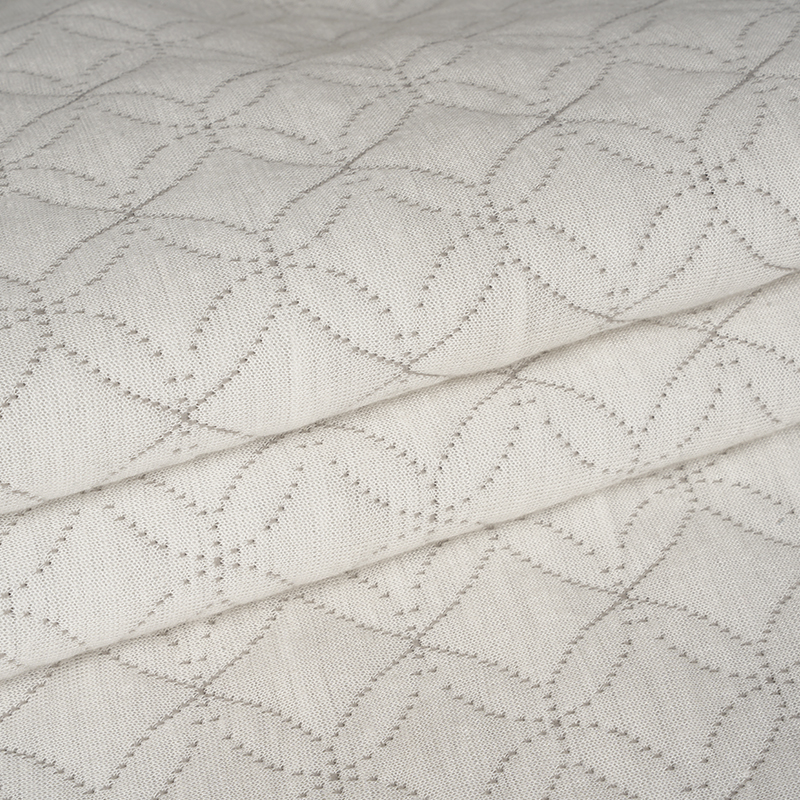
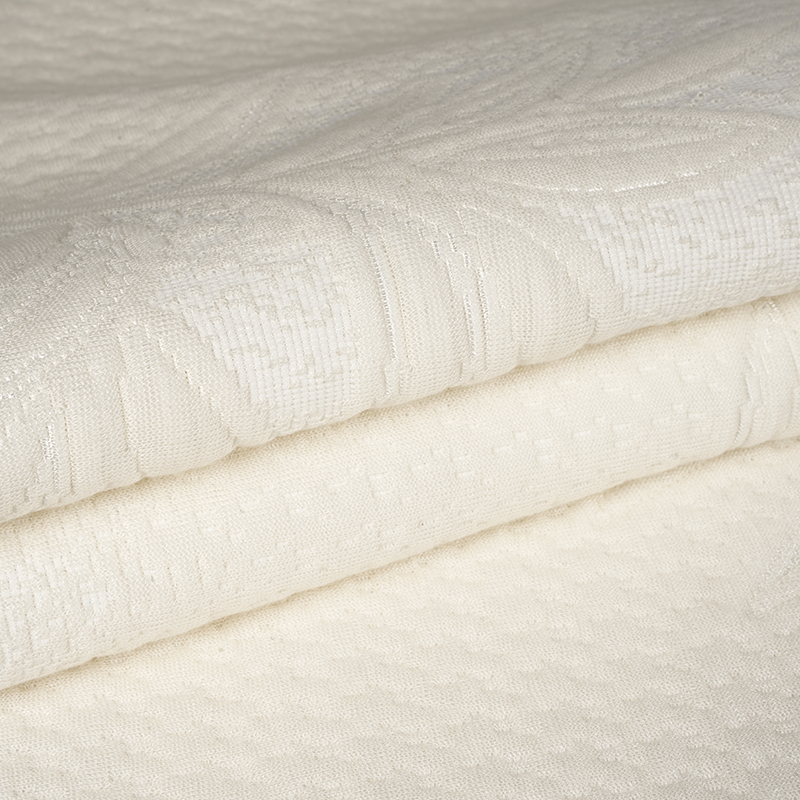
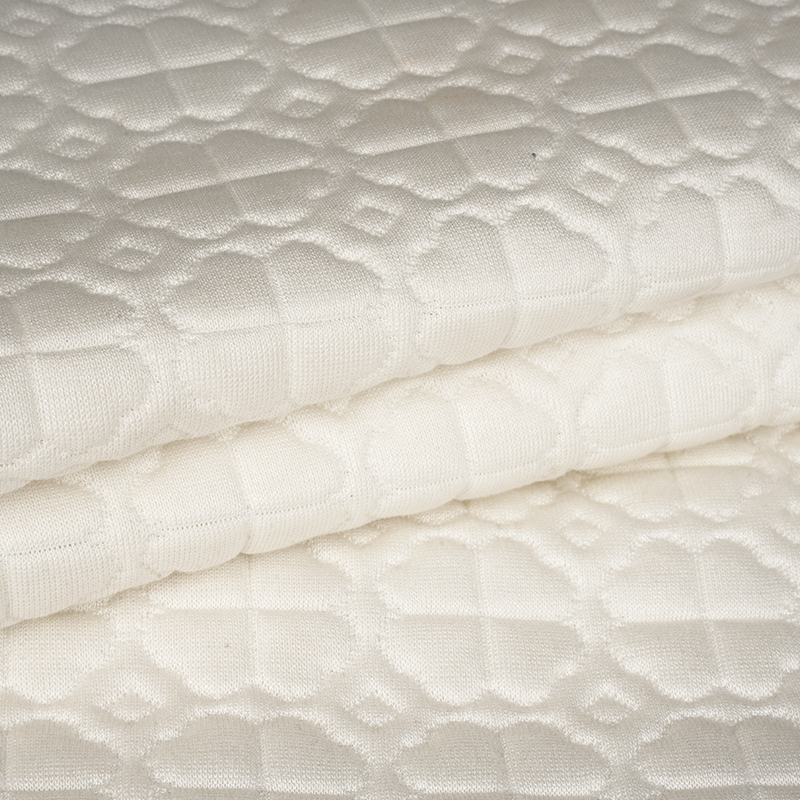
Bamboo Fiber Mattress Fabric
Bamboo Fiber Mattress Fabric
Haven’t Found The Products You Want?
-
-
Shen Jinyan:+86-15158070676
[email protected]
Liang Jinwen:+86-15757186621
[email protected]
Qiu Yingyingn:+86-13819545790
[email protected]
Yi qiao Town, Xiaoshan District, Hangzhou City, Zhejiang Province, China
-
Products
Mattress Fabric Children Mattress Fabric Pillowcase Fabric Pregnancy Pillow Fabric Cooling Mat Fabric Bedding Fabric Sofa Fabric Pet Friendly Fabrics -
Contact Information
About Us Products Strength Sustainability News Contact Us
Copyright © Hangzhou Xinsili Decorative Fabric Weaving Co.,Ltd. All Rights Reserved.
Functional Decorative Textile Manufacturers
