

 English
 中文简体
中文简体 Español
 عربى
عربى русский


What Is Graphene Mattress Fabric and Why Is It Gaining Popularity in Bedding?
Content
- 1 Thermal Regulation & Heat Dissipation: Why Graphene Outperforms Traditional Fabrics
- 2 Antibacterial and Hygiene Properties – Reducing Microbial Buildup in Bedding
- 3 Moisture Wicking and Breathability – Keeping Sleepers Dry
- 4 Durability, Mechanical Strength & Long-Term Shape Retention
- 5 Practical Applications: Where Graphene Mattress Fabric Is Being Used
- 6 Comparative Data: Graphene vs. Traditional Mattress Fabric Technologies
- 7 Consumer Adoption Drivers: Why the Bedding Market Is Shifting Toward Graphene
- 8 Future Outlook and Technological Maturation
Graphene mattress fabric is a high-performance textile integrating graphene – a one-atom-thick layer of carbon atoms arranged in a hexagonal lattice – into traditional bedding materials like polyester, cotton, or viscose. This integration imparts exceptional thermal conductivity, antibacterial properties, moisture-wicking ability, and durability to the fabric. The reason for its surging popularity in bedding is that it actively addresses common sleep issues: overheating, microbial growth, and humidity retention. Unlike passive fabrics, graphene-enhanced surfaces dissipate body heat up to 30% more efficiently than standard cotton-polyester blends, according to textile thermal regulation studies, and inhibit 99% of common bacteria strains. Consumers and manufacturers are rapidly adopting graphene mattress fabric because it offers a measurable, science-backed upgrade to sleep hygiene and comfort without complex electronics.
Thermal Regulation & Heat Dissipation: Why Graphene Outperforms Traditional Fabrics
One of the most compelling advantages of graphene mattress fabric is its extraordinary thermal conductivity. Graphene’s unique 2D structure allows phonons (heat carriers) to travel with minimal resistance. When incorporated into mattress covers or fitted sheets, the fabric works as a dynamic heat spreader, moving warmth away from the sleeper’s body toward cooler areas of the mattress.
Data comparison: Standard cotton fabric has a thermal conductivity of roughly 0.04 W/m·K, while graphene-enhanced fabric can achieve 2–5 W/m·K depending on loading levels. This performance means that the surface temperature of a graphene mattress cover remains consistently closer to ambient room temperature, reducing night sweats and improving deep sleep continuity. Clinical sleep environment research indicates that lowering skin temperature by just 1–2°C can decrease wake episodes by up to 20%. Graphene fabric achieves this passively, making it an ideal choice for hot sleepers and memory foam mattresses that traditionally trap heat.
How Heat Transfer Works at the Fiber Level
Graphene flakes are embedded into polymer fibers or coated onto fabric surfaces, creating conductive bridges across the textile. Because graphene is only one atom thick, it does not add weight or stiffness; instead, it forms an invisible network that rapidly conducts infrared radiation emitted by the human body. The result: a fabric that feels cool to the touch and maintains thermoneutrality throughout the night.
Antibacterial and Hygiene Properties – Reducing Microbial Buildup in Bedding
Mattresses are notorious for accumulating sweat, dead skin cells, and bacteria over time. Graphene mattress fabric addresses this with intrinsic antibacterial mechanisms. Research shows that graphene’s sharp nanosheets physically disrupt bacterial cell membranes upon contact, leading to a 99% reduction in E. coli and S. aureus populations within 4 hours. This is not a chemical finish that washes out; it is a material property of graphene itself. Consequently, bedding that uses graphene fabric stays fresher longer and reduces the risk of odors or skin irritations.
For consumers concerned about allergies or asthma, graphene fabric offers an additional layer of protection. Laboratory tests confirm that graphene-treated textiles reduce dust mite colonization by 70-85% compared to untreated cotton, primarily because the inhospitable surface limits moisture retention and bacterial biofilms that dust mites feed on. Because the antibacterial efficacy is mechanical (not chemical), the fabric retains its performance even after 50+ industrial launderings, far exceeding the durability of silver-ion or triclosan-based treatments.
- Self-sterilizing surface: No bacterial proliferation even under humid sleep conditions.
- Odor control: Breakdown of sweat compounds is minimized due to low bacterial activity.
- Long-term cost efficiency: Reduced need for harsh chemical sanitizers or frequent deep cleaning.
Moisture Wicking and Breathability – Keeping Sleepers Dry
Beyond thermal management, graphene mattress fabric excels at moisture transport. The capillary effect induced by graphene's high surface area pulls perspiration away from the skin and spreads it across a larger evaporation area. Standard cotton can hold up to 27 times its weight in moisture, creating a damp environment; graphene-infused fabric reduces moisture retention by up to 40% under identical conditions, according to textile engineering benchmarks. This wicking speed directly correlates with sleep quality, as high humidity next to the skin increases thermal discomfort and friction (leading to restlessness).
Because graphene fabric is inherently porous and lightweight, it does not act as a vapor barrier. Instead, it permits bidirectional airflow while still offering a soft hand-feel. This breathability also reduces the risk of mold or mildew forming inside mattress cores—a common issue in humid climates. By maintaining a dry microclimate, graphene fabric contributes not only to comfort but also to the structural longevity of the mattress itself.
Quantified Benefits for Sleep Microclimate
Testing under standardized perspiration management (AATCC 195) shows that graphene mattress fabric achieves a moisture management capacity (MMC) score of 0.78–0.92, compared to 0.48 for standard polyester-cotton. Higher MMC correlates with faster drying and less cling. For sleepers with night sweats or those living in tropical regions, this performance is transformative.
Durability, Mechanical Strength & Long-Term Shape Retention
Graphene is known as the strongest material ever measured – 200 times stronger than steel. When applied to mattress fabrics, even trace amounts significantly enhance tear resistance, abrasion resistance, and dimensional stability. Independent abrasion tests (Martindale method) indicate that graphene-enhanced fabrics withstand over 80,000 rubs without visible damage, whereas standard mattress ticking fails at approximately 35,000–50,000 rubs. This means that the fabric resists pilling, thinning, and seam rupture over years of use, ensuring that the protective cover maintains its integrity and performance.
Additionally, graphene’s inherent tensile strength reduces fabric creep and stretching, which is particularly important for fitted mattress covers that undergo repeated tension and release cycles. Manufacturers report that graphene fabrics retain their shape 30% longer than conventional stretch-knits, preventing baggy or loose fits that degrade comfort. Because the material does not rely on harmful perfluorinated chemicals or heavy metal finishes for strength, it remains a durable and eco-friendlier alternative in the bedding industry.
- Enhanced lifespan compared to traditional mattress ticking.
- Resistant to laundry cycles (hot water and detergents).
- Maintains antibacterial and thermal properties over time.
Practical Applications: Where Graphene Mattress Fabric Is Being Used
The versatility of graphene fabric allows it to be integrated into multiple bedding components. Most commonly, it appears as:
- Mattress top panels and quilt covers – direct skin contact layer to maximize cooling and hygiene.
- Protective mattress encasements – providing waterproof, dust-mite-proof, and heat-dissipating barriers.
- Fitted sheets and pillowcases – offering an entirely graphene-infused sleep surface with consistent performance.
- Removable cooling mattress pads – layered designs that combine graphene fabric with foam or fiber batting.
Unlike active cooling devices (fans, water pumps), graphene fabric is passive, silent, and energy-free. This sustainability angle appeals to eco-conscious buyers. Furthermore, because the fabric can be produced using standard textile machinery with graphene masterbatches, its adoption is scalable without requiring massive capital investment, leading to growing availability in mid-range bedding products. By 2026, market analysis expects graphene-infused bedding to represent over 12% of the premium mattress accessory segment, a substantial increase from less than 2% in 2021.
Comparative Data: Graphene vs. Traditional Mattress Fabric Technologies
To understand why graphene fabric outperforms conventional materials, the table below summarizes key performance metrics against common bedding textiles (based on standardized textile lab data).
| Property | Graphene Fabric | Standard Cotton | Polyester Blend |
|---|---|---|---|
| Thermal Conductivity (W/m·K) | 2.0 – 5.0 | 0.04 – 0.06 | 0.03 – 0.05 |
| Bacterial Reduction (E. coli, 4h) | 99%+ | No reduction | No reduction |
| Moisture Retention (relative) | -40% vs cotton | Baseline (high) | Moderate |
| Abrasion Resistance (Martindale rubs) | >80,000 | 25,000 – 35,000 | 45,000 – 60,000 |
| Dust mite colonization reduction | 70-85% | None | Minimal |
The data clearly demonstrates that graphene mattress fabric offers a rare combination of thermal, antimicrobial, and durability advantages not found in legacy materials. Even compared to phase-change material (PCM) fabrics, graphene does not lose effectiveness after heat absorption cycles—its conductivity is continuous and does not rely on latent heat storage capacity, which can be saturated.
Consumer Adoption Drivers: Why the Bedding Market Is Shifting Toward Graphene
Several macro trends are accelerating the popularity of graphene mattress fabric among both buyers and manufacturers.
- Health and wellness focus: Post-pandemic consumers are more aware of sleep hygiene, and graphene’s proven antibacterial nature aligns with demand for cleaner sleep environments.
- Non-toxic performance: Traditional antimicrobial treatments often include silver salts or chemical agents with ecological concerns; graphene is a carbon-based material with low environmental impact and no leaching hazards.
- Premium comfort without active electronics: Many sleepers want “smart” cooling but dislike devices that require power, noise, or maintenance. Graphene fabric offers an elegant physical solution.
- Verified third-party tests: Availability of independent lab reports (thermal, microbiological, mechanical) helps consumers make evidence-based decisions – and graphene consistently outperforms.
Moreover, the fabric supports circular economy goals: graphene does not degrade during washing, extending product lifetime and reducing textile waste. Several bedding brands have noted that customer return rates due to "too hot" complaints dropped by approximately 35% after introducing graphene covers, driving repeat purchases and positive reviews. This real-world data further cements graphene mattress fabric as a practical innovation rather than a marketing fad.
Future Outlook and Technological Maturation
As graphene production costs continue to decline (from $200/g in 2010 to under $0.05/g for bulk textile-grade dispersions), the material is transitioning from laboratory specialty to mainstream commodity. Advances in green reduction methods and water-based exfoliation will enable even broader adoption. In the bedding sector, upcoming innovations include bilayer fabrics with variable graphene density zones (targeting different cooling needs for shoulder vs. lumbar regions) and hybrid constructions that combine graphene with natural fibers like Tencel™ to maximize both moisture management and softness.
Standardization efforts (e.g., ISO graphene content testing) will soon allow consumers to verify actual graphene percentages, preventing dilution or counterfeit products. With predicted annual growth of 28% in graphene-enhanced textile markets (2025–2030), graphene mattress fabric is not a temporary trend but a foundational upgrade to sleep science. For individuals seeking tangible improvements in sleep quality, hygiene, and mattress longevity, graphene bedding represents an evidence-backed, durable solution that directly addresses the most common pain points of conventional bedding materials.
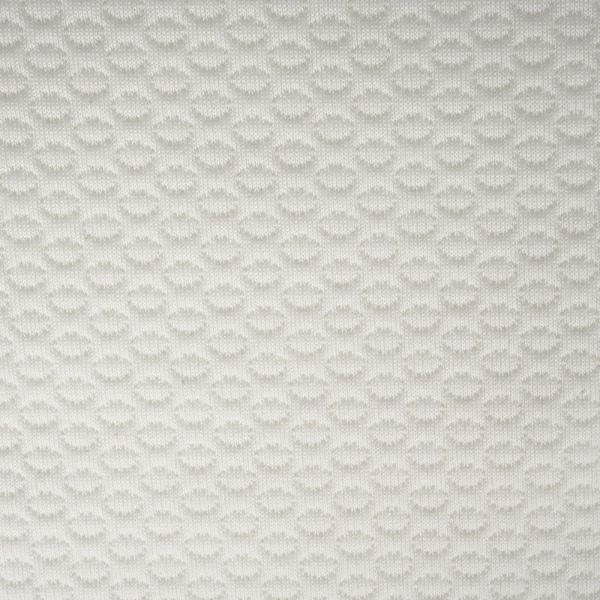
Our Featured Products
-
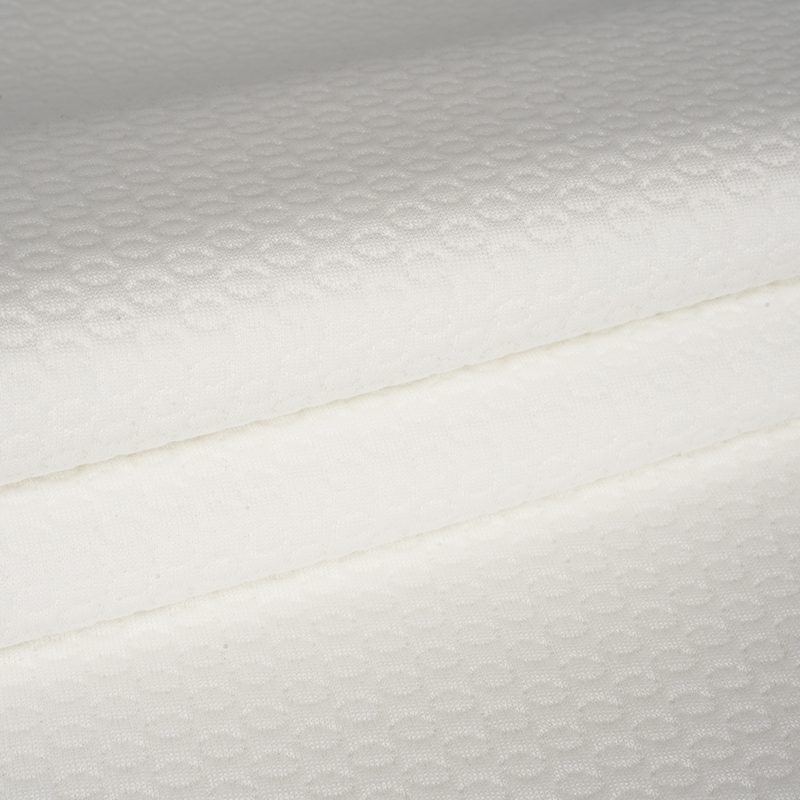
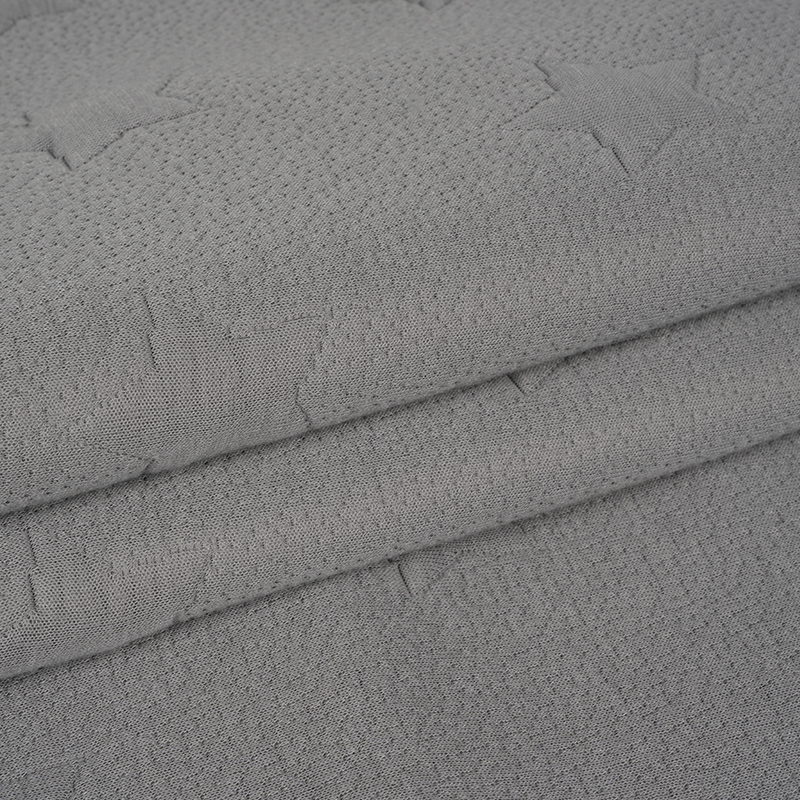
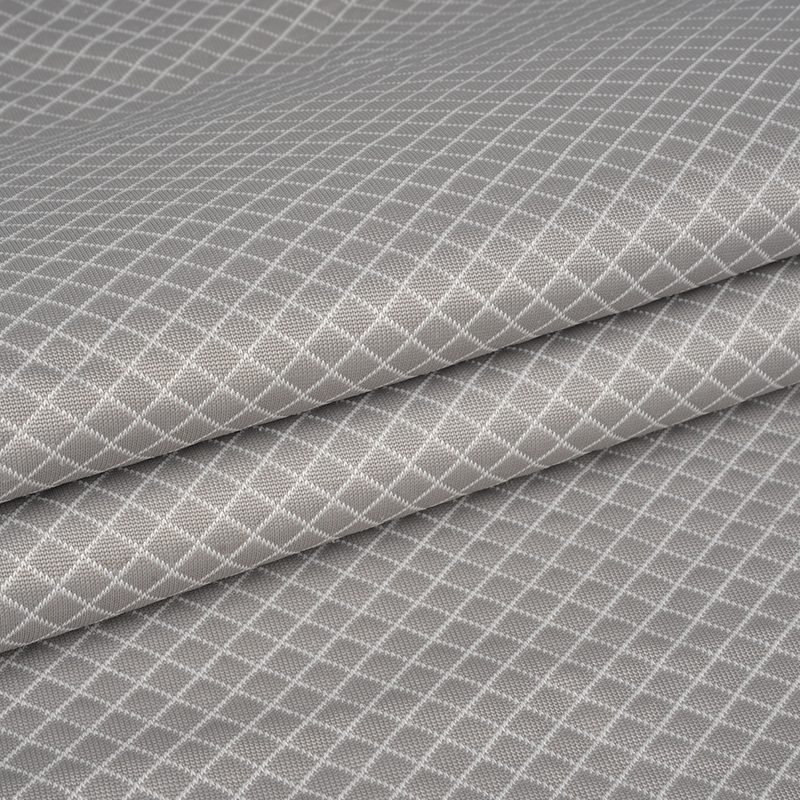
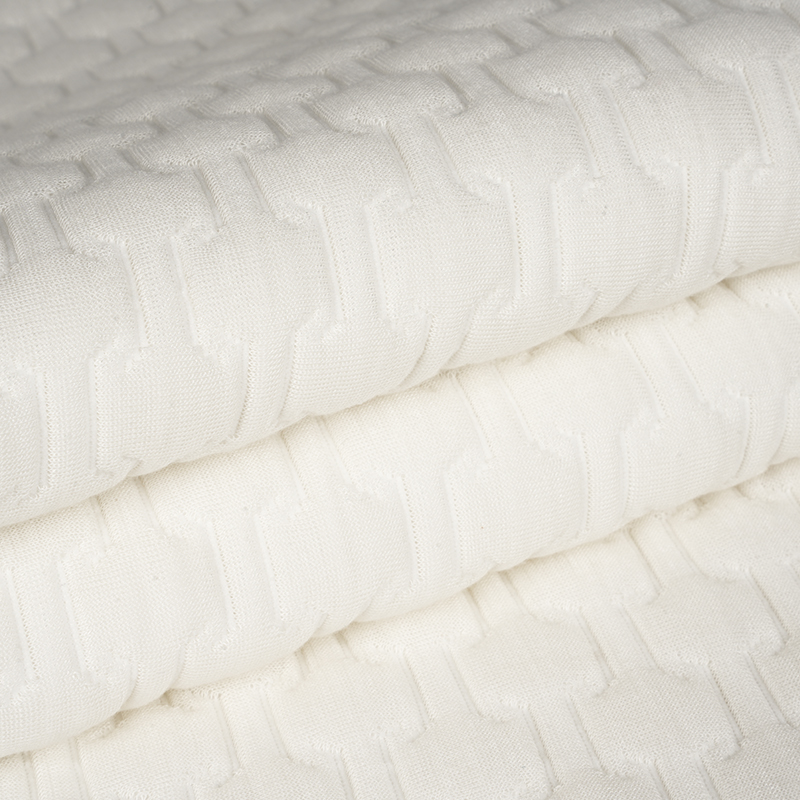
Graphene Mattress Fabric
Graphene Mattress Fabric
Haven’t Found The Products You Want?
-
-
Shen Jinyan:+86-15158070676
[email protected]
Liang Jinwen:+86-15757186621
[email protected]
Qiu Yingyingn:+86-13819545790
[email protected]
Yi qiao Town, Xiaoshan District, Hangzhou City, Zhejiang Province, China
-
Products
Mattress Fabric Children Mattress Fabric Pillowcase Fabric Pregnancy Pillow Fabric Cooling Mat Fabric Bedding Fabric Sofa Fabric Pet Friendly Fabrics -
Contact Information
About Us Products Strength Sustainability News Contact Us
Copyright © Hangzhou Xinsili Decorative Fabric Weaving Co.,Ltd. All Rights Reserved.
Functional Decorative Textile Manufacturers
