

 English
 中文简体
中文简体 Español
 عربى
عربى русский


How Durable Is Bamboo Fiber Mattress Fabric for Mattress Covers?
Content
- 1 Understanding Bamboo Fiber Mattress Fabric
- 2 What Determines Mattress Fabric Durability?
- 3 Resistance to Daily Friction and Wear
- 4 Moisture Management and Fiber Stability
- 5 Washability and Dimensional Retention
- 6 Comfort Durability: Beyond Physical Strength
- 7 Comparison with Other Mattress Cover Fabrics
- 8 Common Questions About Bamboo Fiber Mattress Fabric
As consumer expectations for sleep products continue to evolve, mattress cover materials are under closer examination than ever before. Buyers increasingly demand fabrics that combine comfort, breathability, softness, and long-term structural stability. Among emerging textile options, bamboo fiber mattress fabric has gained significant attention for its balance of functionality and sustainability.
But durability remains one of the most important questions for mattress manufacturers, retailers, and end users alike. While softness and moisture management are often discussed, the true performance of bamboo fiber mattress fabric depends on how well it withstands continuous use, friction, cleaning cycles, and environmental exposure.
Understanding Bamboo Fiber Mattress Fabric
Bamboo fiber mattress fabric is a textile material produced by processing bamboo-derived cellulose into soft fibers, often blended with other yarns to optimize structure and resilience.
Its natural properties include:
- Smooth surface texture
- Excellent breathability
- Moisture absorption capability
- Temperature regulation
- Natural softness
These features make bamboo mattress cover fabric especially attractive in bedding environments where comfort and hygiene are essential.
Unlike traditional synthetic-only mattress textiles, bamboo-based fabrics provide a more balanced sleep surface that supports airflow while maintaining a refined tactile experience.
What Determines Mattress Fabric Durability?
Durability in mattress cover textiles is not defined by fiber origin alone. Instead, it depends on multiple structural factors.
| Durability Factor | Impact on Mattress Cover Performance |
|---|---|
| Fiber strength | Determines resistance to breakage |
| Yarn construction | Affects flexibility and wear resistance |
| Fabric density | Influences abrasion tolerance |
| Blending ratio | Balances softness and structural integrity |
| Finishing process | Improves dimensional stability |
When properly engineered, bamboo fiber mattress fabric can perform exceptionally well across these durability indicators.
The durability of the finished product depends largely on textile design rather than simply whether bamboo fiber is present.
Resistance to Daily Friction and Wear
Mattress covers face constant mechanical stress from:
- Body movement during sleep
- Compression and expansion cycles
- Bedding friction
- Folding and transportation handling
A well-manufactured bamboo fiber mattress fabric offers reliable resistance to these forces because of its flexible fiber structure and balanced elasticity.
Its surface remains smoother for longer compared to rougher woven constructions, reducing pilling risks when paired with quality finishing techniques.
Additionally, bamboo fibers distribute pressure evenly across the textile surface, helping minimize localized wear points that often shorten fabric lifespan.
Moisture Management and Fiber Stability
Moisture is one of the biggest contributors to mattress cover degradation.
Excess humidity can lead to:
- Fiber weakening
- Surface distortion
- Reduced comfort consistency
- Odor retention
One of the strongest performance advantages of bamboo fiber mattress fabric is its moisture-wicking capability.
The fiber naturally regulates humidity by absorbing and releasing moisture efficiently, helping maintain structural balance within the textile. This reduces internal stress caused by prolonged dampness and contributes to longer-lasting mattress cover integrity.
For bedding environments where airflow and freshness matter, this characteristic significantly enhances practical durability.
Washability and Dimensional Retention
Frequent cleaning can quickly expose weaknesses in mattress cover materials.
High-quality bamboo fiber mattress fabric is designed to maintain shape and surface consistency after repeated washing when processed correctly.
Its wash-performance advantages include:
- Reduced shrinkage tendency
- Surface smoothness retention
- Lower static accumulation
- Softness preservation
Manufacturing treatments such as stabilization finishing further improve dimensional recovery, allowing mattress covers to maintain a fitted appearance over time.
This makes bamboo mattress cover fabric suitable for residential and hospitality bedding applications where repeated maintenance is expected.
Comfort Durability: Beyond Physical Strength
Durability is not only about preventing tears or abrasion. In mattress applications, comfort retention is equally critical.
A fabric that becomes stiff, rough, or uneven over time effectively loses functional durability.
Bamboo fiber mattress fabric performs well because it preserves:
- Surface softness
- Breathable structure
- Temperature adaptability
- Skin-friendly contact
This long-term comfort consistency enhances product value and reduces replacement frequency.
For modern bedding solutions, this form of durability is often just as important as tensile strength.
Comparison with Other Mattress Cover Fabrics
Here is how bamboo fiber mattress fabric compares to common alternatives:
| Fabric Type | Softness Retention | Breathability | Moisture Control | Durability Balance |
|---|---|---|---|---|
| Bamboo fiber mattress fabric | Excellent | Excellent | Excellent | High |
| Standard polyester | Moderate | Moderate | Low | High |
| Cotton fabric | Good | Good | Good | Moderate |
| Synthetic blends | Moderate | Moderate | Moderate | Moderate |
This balanced performance explains why bamboo fiber mattress fabric continues to gain popularity across premium mattress cover production.
Common Questions About Bamboo Fiber Mattress Fabric
Does bamboo fiber mattress fabric pill easily?
High-quality construction greatly reduces pilling. Fabric density and finishing quality are more influential than bamboo content alone.
Is bamboo mattress cover fabric suitable for frequent washing?
Yes. Properly engineered fabrics maintain shape and softness through repeated cleaning cycles.
Does moisture affect bamboo fiber durability?
Bamboo fibers naturally manage moisture efficiently, helping preserve textile stability.
Can bamboo fiber mattress fabric last as long as synthetic fabrics?
When blended and finished correctly, it can deliver comparable durability while offering superior comfort performance.
Our Featured Products
-
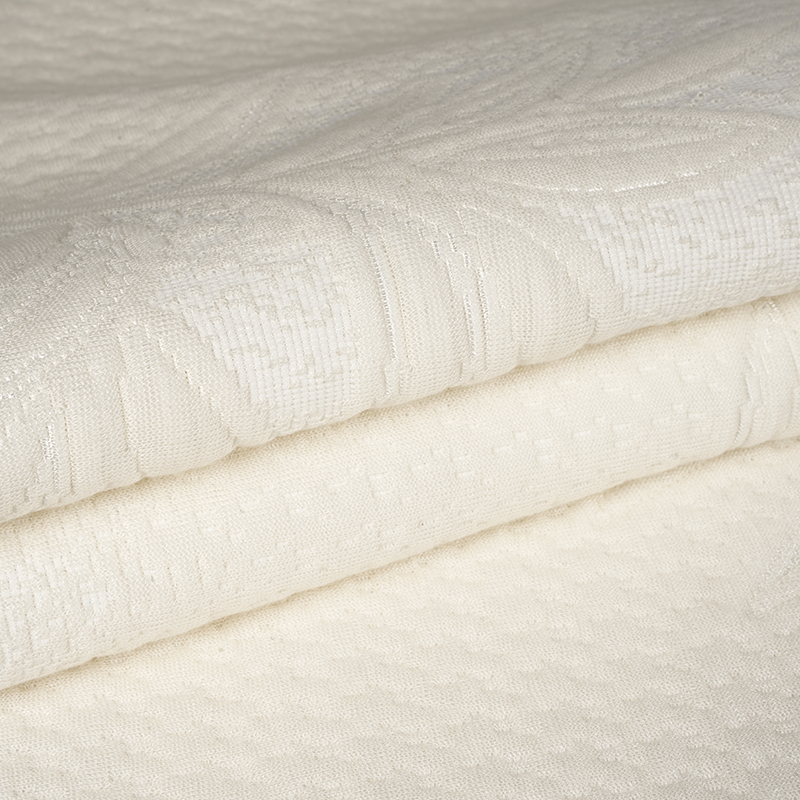
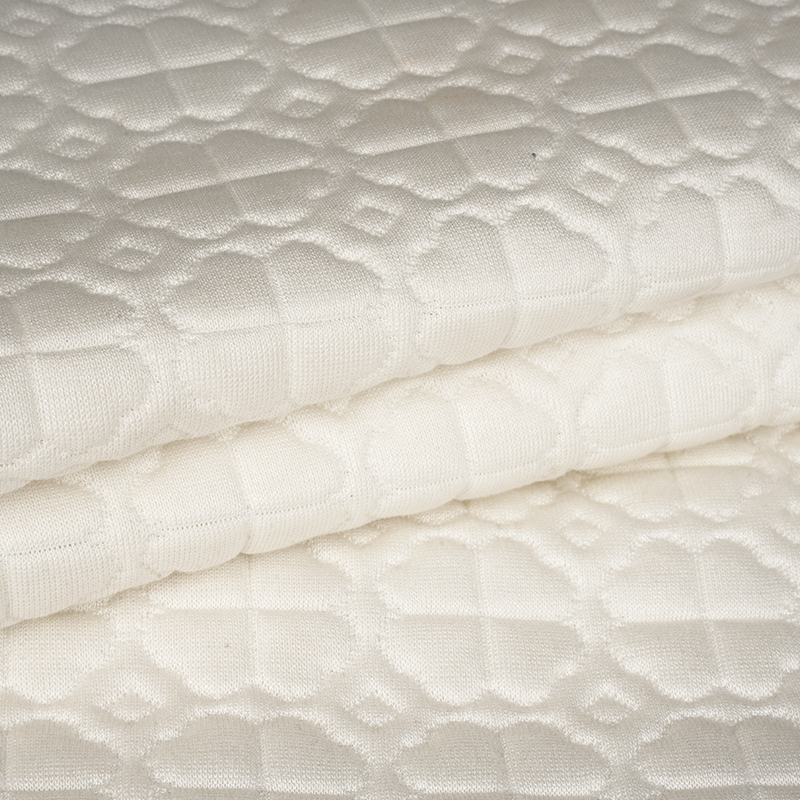
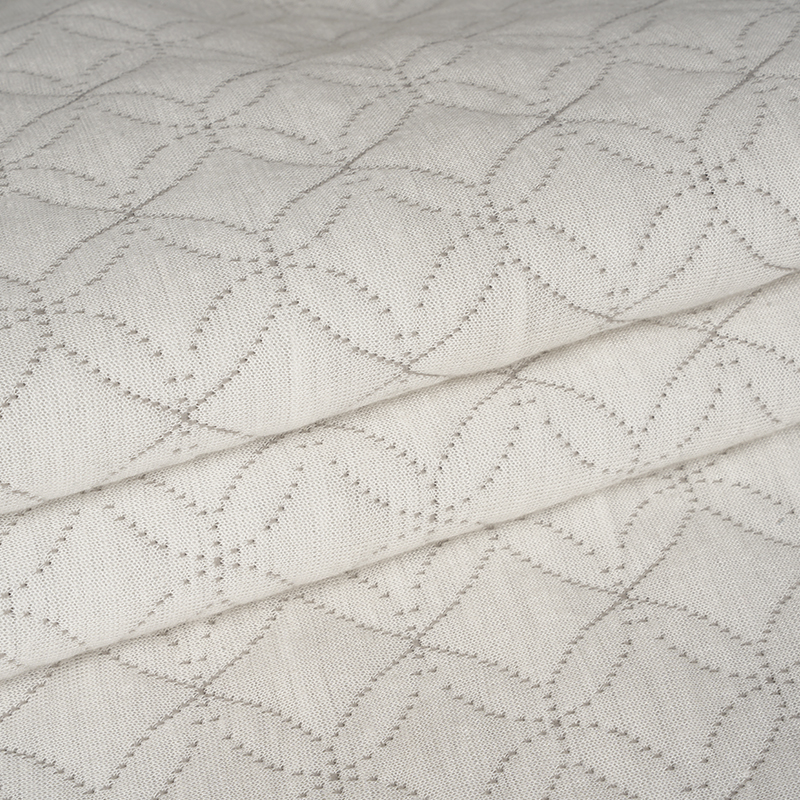
Bamboo Fiber Children Mattress Fabric
Bamboo Fiber Children Mattress Fabric
Haven’t Found The Products You Want?
-
-
Shen Jinyan:+86-15158070676
[email protected]
Liang Jinwen:+86-15757186621
[email protected]
Qiu Yingyingn:+86-13819545790
[email protected]
Yi qiao Town, Xiaoshan District, Hangzhou City, Zhejiang Province, China
-
Products
Mattress Fabric Children Mattress Fabric Pillowcase Fabric Pregnancy Pillow Fabric Cooling Mat Fabric Bedding Fabric Sofa Fabric Pet Friendly Fabrics -
Contact Information
About Us Products Strength Sustainability News Contact Us
Copyright © Hangzhou Xinsili Decorative Fabric Weaving Co.,Ltd. All Rights Reserved.
Functional Decorative Textile Manufacturers
