

 English
 中文简体
中文简体 Español
 عربى
عربى русский


How to Maintain and Care for Your Tencel Mattress Fabric?
Content
- 1 Understanding the Unique Properties of Tencel
- 2 Daily and Weekly Maintenance Routines
- 3 Deep Cleaning Protocols and Washing Guidelines
- 4 Drying Techniques to Preserve Fiber Integrity
- 5 Protection Strategies: Prevention Over Intervention
- 6 Frequently Asked Questions (FAQ)
- 7 Long-Term Storage and Seasonal Care
- 8 Conclusion: The Philosophy of Gentle Maintenance
The bedroom is a sanctuary, and the quality of your sleep environment hinges largely on the materials you choose. Among the most innovative advancements in sleep textiles is the rise of lyocell fibers derived from wood pulp. When these fibers are woven into bedding, they create a surface known as tencel mattress fabric. This material has gained significant attention for its exceptional moisture-wicking properties, smooth hand-feel, and eco-friendly origins. However, to ensure that this sophisticated fabric continues to perform at its peak, proper maintenance is not just recommended—it is essential.
Many owners invest in high-quality bedding but remain unsure how to handle the specific needs of closed-loop cellulose fibers. Unlike traditional cotton or synthetic polyester, tencel mattress fabric requires a nuanced approach to cleaning, drying, and protection.
Understanding the Unique Properties of Tencel
Before diving into maintenance protocols, it is necessary to understand why this fabric behaves differently. Tencel fibers are characterized by their round, smooth surface, which results in less friction against skin and hair. Furthermore, they possess a fibril structure that allows for superior breathability. However, these same qualities make the material sensitive to aggressive chemical treatments and high heat.
| Property | Impact on Maintenance |
|---|---|
| High Moisture Absorption | Requires quick drying to prevent prolonged dampness; resists mold naturally but not indefinitely. |
| Smooth Surface | Prevents dirt from embedding deeply, but oil-based stains may spread if not treated correctly. |
| Low Thermal Conductivity | Keeps sleepers cool, but high-heat drying can weaken fiber bonds. |
| Biodegradable Nature | Harsh bleaching agents can accelerate degradation; neutral pH cleaners are preferred. |
Understanding these traits allows the caretaker to avoid common pitfalls, such as using fabric softeners (which coat the smooth fibers) or high-temperature washing (which causes shrinkage).
Daily and Weekly Maintenance Routines
Consistent, low-intensity care is the most effective strategy to extend the life of tencel mattress fabric. Because the mattress itself is not easily laundered, focus must be placed on surface management.
Airing and Debris Removal
Every morning, pull back all bedding to allow the mattress surface to breathe. Human perspiration releases approximately one pint of moisture per night. While tencel mattress fabric wicks this away efficiently, trapped humidity between sheets and the mattress can still lead to bacterial activity if not aerated.
Use a soft-bristled upholstery brush or a vacuum cleaner fitted with a brush attachment (low suction) once every two weeks. Run the tool gently over the entire mattress surface to remove dust mites, dead skin cells, and particulate matter. Avoid using rotating turbo brushes, as the aggressive action can pill the delicate fibrils of the tencel mattress fabric.
Spot Cleaning for Accidental Spills
Spills are inevitable. When they occur, speed is critical. Blot (do not rub) the liquid immediately with a clean, white, absorbent cloth. Rubbing pushes the liquid deeper into the fiber matrix and spreads oils.
Prepare a cleaning solution using one part mild liquid soap (free of dyes, fragrances, and enzymes) to ten parts cool water. Dampen a corner of the cloth with this solution and blot the stained area from the outside edge moving inward. Following this, dampen another cloth with plain cool water to “rinse” the soap residue. Finally, blot vigorously with a dry towel to extract as much moisture as possible. Allow the area to air dry completely before replacing sheets. Never saturate tencel mattress fabric; excess water can leave tide marks as minerals deposit on the fiber surface.
Deep Cleaning Protocols and Washing Guidelines
For removable mattress protectors or toppers made of tencel mattress fabric, machine washing may be necessary. However, the standard washing cycle used for cotton towels will destroy this material. Follow these precise parameters.
Washing Machine Settings
- Cycle Type: Delicate, hand-wash, or wool cycle. The drum must have a slow spin and gentle agitation.
- Water Temperature: Cold or lukewarm (maximum 30°C / 86°F). Hot water breaks down the hydrogen bonds within the lyocell structure, causing irreversible shrinkage.
- Detergent: Use a liquid detergent specifically formulated for delicates or silk. Ensure it is free from optical brighteners, chlorine bleach, and alkaline salts.
- Load Size: Wash only with other lightweight, non-abrasive items (e.g., microfiber sheets, other tencel pieces). Avoid zippers, hooks, or denim.
| Do Use | Avoid at All Costs |
|---|---|
| Mild liquid detergent | Powder detergents (scratch fibers) |
| White vinegar (as softener) | Fabric softeners and dryer sheets |
| Mesh laundry bag | Bleach (chlorine or oxygen) |
| Air drying flat | High-heat tumble drying |
How to Handle Stubborn Stains
For protein-based stains (blood, sweat, urine), never use hot water as it cooks the protein into the fiber. Instead, soak the stained area in cool salt water (one tablespoon salt per cup of water) for 30 minutes, then launder as usual. For oil-based stains (body oils, lotions), apply a small amount of isopropyl alcohol (rubbing alcohol) to a cotton ball and dab the stain. The alcohol breaks down the lipid structure without harming the cellulose. Rinse immediately with cool water.
Drying Techniques to Preserve Fiber Integrity
Perhaps the most critical phase of caring for tencel mattress fabric is drying. High heat is the primary cause of fabric failure. When exposed to temperatures above 40°C (104°F), the fibers contract unevenly, leading to warping, cracking, and a rough texture.
Air Drying (Preferred Method)
- Lay the fabric flat on a clean, dry towel or a drying rack. Smooth out wrinkles by hand.
- Keep away from direct sunlight. UV rays degrade lignin and cellulose over time, turning the fabric yellow and brittle.
- Place near a fan or in a well-ventilated room. Rotate the fabric after two hours to ensure even drying.
- Expect drying times of 4-6 hours in moderate humidity.
Machine Drying (If Necessary)
If you must use a dryer, select the “air fluff” or “no heat” setting. If your dryer has a low-heat option (below 35°C), add two clean, dry tennis balls to the drum to agitate the fibers gently and reduce static. Remove the fabric while it is still slightly damp to the touch. Never run a full timed cycle. Over-drying makes tencel mattress fabric stiff and prone to cracking along fold lines.
Protection Strategies: Prevention Over Intervention
The most efficient care regimen minimizes the need for cleaning altogether. Using a multi-layer protection system will shield the tencel mattress fabric from direct exposure to oils, acids, and mechanical wear.
Mattress Protector: Choose a thin, quilted protector made from natural fibers. Ensure it is breathable; a waterproof polyurethane layer may trap heat, negating the cooling benefits of the tencel below.
Fitted Sheet Rotation: Use two sets of high-quality sheets and rotate them weekly. This reduces the accumulation of sweat and sebum directly on the mattress fabric.
Underbed Ventilation: Place your mattress on a slatted base (not a solid board). Air circulation from below prevents moisture migration from the mattress core upward into the tencel mattress fabric layer.
Seasonal Rotation: Every three months, turn the mattress (if non-pillow-top) 180 degrees. This distributes body impressions and compression wear evenly across the fabric surface.
Frequently Asked Questions (FAQ)
Q1: Can I use baking soda to deodorize my tencel mattress fabric?
Yes, but with caution. Sprinkle a thin layer of baking soda over the surface, leave it for one hour (not overnight), then vacuum thoroughly with a brush attachment. Prolonged contact (over 3 hours) can dry out the fibers, making them squeaky and rough. Always vacuum against the nap of the fabric to lift the powder completely.
Q2: Why does my tencel mattress fabric feel stiff after washing?
This usually indicates one of three issues: hard water mineral deposits, detergent residue, or heat damage. To fix it, rewash with a cup of distilled white vinegar in the rinse cycle (no detergent). The vinegar dissolves alkaline residues and restores pH balance. Afterwards, air dry. Do not add salt or fabric softeners.
Q3: Is it safe to steam clean my mattress with tencel fabric?
Steam cleaning is not recommended. The high temperature and pressurized moisture force water deep into the cellulose structure, which can cause delamination of the fabric backing. If you require sanitization, use a UV-C wand (follow manufacturer safety guidelines) or a cool-mist fabric sanitizer spray formulated for delicates.
Q4: How often should I deep clean the tencel mattress fabric itself?
Unlike sheets, the mattress fabric should not be deep cleaned more than twice per year. Over-washing degrades the fiber alignment. Between deep cleans, rely on weekly vacuuming and immediate spot cleaning. Most manufacturers indicate that a well-protected tencel mattress fabric will retain its integrity for 6-8 years under this regimen.
Q5: Can ironing remove wrinkles from tencel mattress fabric?
Do not iron directly. If wrinkles are a cosmetic concern, use a handheld steamer held 15 cm away from the surface, moving continuously. Alternatively, smooth the fabric by hand while it is still damp after cleaning. If you must use an iron, place a pressing cloth (cotton muslin) between the iron and the fabric, and set the iron to low (silk setting). Never use steam burst functions.
Long-Term Storage and Seasonal Care
If you store a mattress made with tencel mattress fabric (e.g., in a guest room or a campervan), use a breathable cotton or non-woven polypropylene storage bag. Never use plastic vacuum-sealed bags or garbage bags. Plastic traps residual moisture, leading to mildew growth that etches the fabric surface.
Before storage, clean the fabric as described above and ensure it is 100% dry. Add a silica gel desiccant pack inside the storage bag. Store flat, not on its edge, to prevent the fibers from sagging under gravity. Ideal storage conditions are 15-20°C (59-68°F) and 40-50% relative humidity. Upon removal from storage, air the mattress in a shaded room for 24 hours to eliminate any stale odors.
Conclusion: The Philosophy of Gentle Maintenance
Caring for tencel mattress fabric does not require expensive products or excessive labor. It demands a shift in mindset—from aggressive stain removal to gentle, consistent preservation. By respecting the fiber’s origin as a high-performance, bio-based material, you adopt practices that are as sustainable as the fabric itself. Cool water, mild soap, air movement, and physical protection are the four pillars of this maintenance philosophy.
A well-maintained tencel mattress fabric will reward the sleeper with years of allergen-resistant, thermoregulating comfort. It remains smooth, cool, and dry—faithfully performing the functions that justified its selection in the first place. In an industry often flooded with complex care labels and harsh chemicals, simplicity and gentleness remain the most effective tools for longevity.
Our Featured Products
-
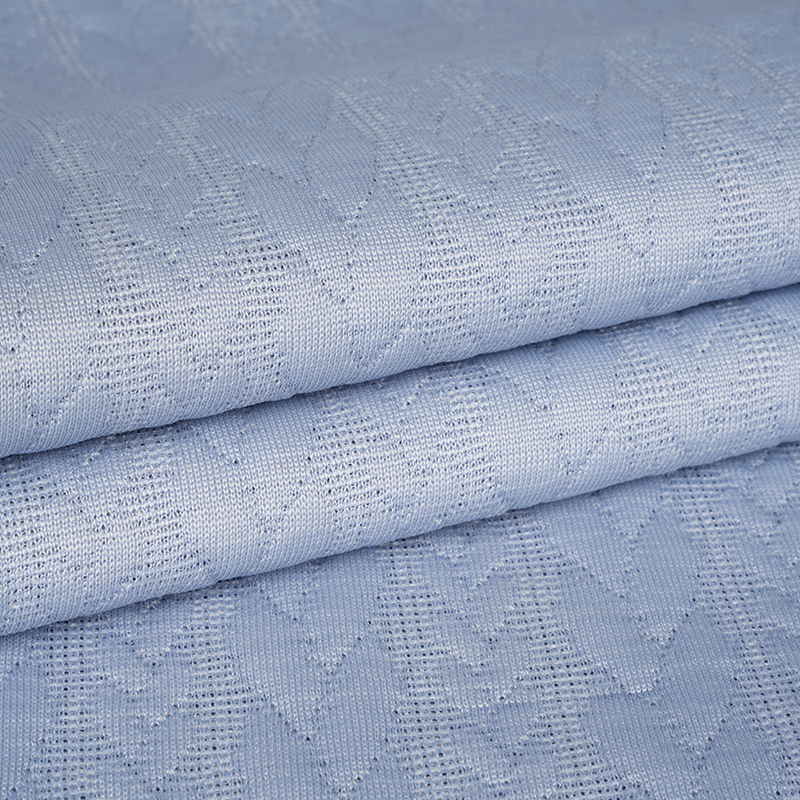
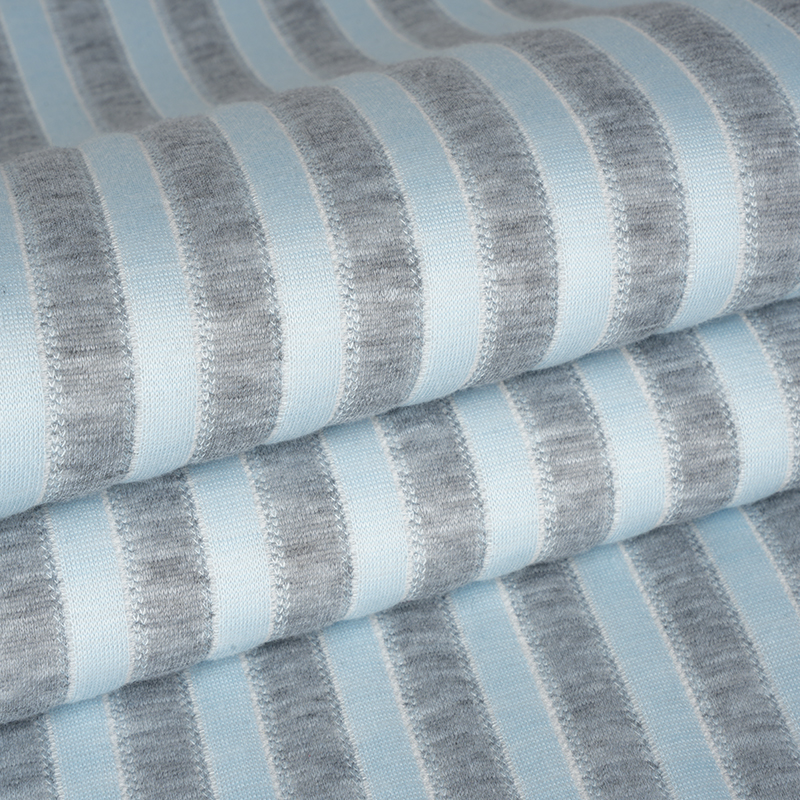
Tencel Children Mattress Fabric
Tencel Children Mattress Fabric
Haven’t Found The Products You Want?
-
-
Shen Jinyan:+86-15158070676
[email protected]
Liang Jinwen:+86-15757186621
[email protected]
Qiu Yingyingn:+86-13819545790
[email protected]
Yi qiao Town, Xiaoshan District, Hangzhou City, Zhejiang Province, China
-
Products
Mattress Fabric Children Mattress Fabric Pillowcase Fabric Pregnancy Pillow Fabric Cooling Mat Fabric Bedding Fabric Sofa Fabric Pet Friendly Fabrics -
Contact Information
About Us Products Strength Sustainability News Contact Us
Copyright © Hangzhou Xinsili Decorative Fabric Weaving Co.,Ltd. All Rights Reserved.
Functional Decorative Textile Manufacturers
