

 English
 中文简体
中文简体 Español
 عربى
عربى русский


What Is Antibacterial Yarn Mattress Fabric and Why Is It Important?
Content
- 1 What Is Antibacterial Yarn Mattress Fabric? Built-In Microbial Defense
- 2 Why Antibacterial Yarn Mattress Fabric Matters: Measurable Advantages
- 3 Antibacterial Yarn Fabric vs. Conventional Mattress Fabric
- 4 How It Works: Antibacterial Technologies Integrated into Yarn
- 5 Manufacturing Flow: From Antibacterial Masterbatch to Finished Fabric
- 6 Rigorous Standards: What Reliable Antibacterial Fabric Must Meet
- 7 Frequently Asked Questions: Antibacterial Yarn Mattress Fabric
- 8 Selecting the Right Antibacterial Yarn Mattress Fabric: 3 Core Criteria
Direct conclusion: Antibacterial yarn mattress fabric is the superior choice for durable, high-performance sleep hygiene. Unlike post-treatment coatings, it integrates antimicrobial agents directly into the fiber matrix — achieving ≥99% inhibition against Staphylococcus aureus, E. coli, and Candida albicans while retaining effectiveness after 50+ wash cycles. This engineering-driven textile reduces microbial colonization, dust mite food sources, and odor formation, extending mattress lifespan and meeting healthcare-grade safety standards without sacrificing breathability or softness.
Its importance lies in transforming mattress protection from a temporary surface treatment into a permanent material property. For manufacturers, hospitality buyers, and health-conscious consumers, it provides verifiable, long-term hygiene performance, lowering total cost of ownership and enhancing occupant wellness — making it indispensable for modern mattress design.
What Is Antibacterial Yarn Mattress Fabric? Built-In Microbial Defense
Antibacterial yarn mattress fabric is a high-performance textile manufactured from functional yarns that possess inherent or engineered antimicrobial properties. The protection mechanism is embedded inside each filament — not merely sprayed or coated onto the surface. This structural integration ensures the fabric maintains consistent antibacterial activity throughout its service life, even under friction, humidity, and repeated laundering.
Key characteristics that define this fabric category:
- Intrinsic efficacy: Active against gram-positive and gram-negative bacteria, plus fungi like Candida albicans. Inhibition rates typically exceed 99% under standard JIS L 1902 or AATCC 100 protocols.
- Wash durability: Laboratory tests confirm that antibacterial activity remains >90% after 50 standard laundry cycles (ISO 20743 or GB/T 20944.3).
- Material versatility: Base fibers include cotton, polyester, lyocell, bamboo, or engineered blends, with weight ranging from 160 g/m² to 480 g/m² to support different mattress constructions.
- Skin safety & compliance: Free from harmful heavy metals (except controlled ionic technologies), fully certified to OEKO-TEX® Standard 100, GB 18401, and REACH SVHC.
Unlike conventional fabrics where bacteria proliferate in sweat and skin debris, antibacterial yarn mattress fabric actively suppresses microbial colonization, reducing both odors and allergen reservoirs.
Why Antibacterial Yarn Mattress Fabric Matters: Measurable Advantages
Sleeping surfaces are ideal breeding grounds for microbes — warmth, moisture, and organic nutrients. Studies show that a conventional mattress can harbor millions of bacterial colony-forming units per square inch after 1–2 years of use. Antibacterial yarn mattress fabric provides a proactive solution with quantifiable impacts:
- Reduces bacterial load by ≥99% on the mattress cover, directly minimizing cross-contamination risk in homes, hotels, and medical environments.
- Controls dust mite proliferation: By eliminating bacterial biofilms and reducing skin cell degradation, it cuts the primary food source for dust mites, helping alleviate allergic reactions.
- Prevents persistent odors: Gram-positive bacteria like Staphylococcus epidermidis produce volatile compounds. Antibacterial yarns suppress these microbes, keeping the mattress fresh longer.
- Extends product lifespan: Less microbial degradation of fibers, combined with stain resistance, gives the fabric 20–30% longer service life compared to standard mattress textiles in real-world usage.
For institutional buyers, this translates to lower replacement frequency and improved guest satisfaction. For residential use, it means a healthier sleep environment without extra maintenance steps.
Antibacterial Yarn Fabric vs. Conventional Mattress Fabric
The following table highlights critical performance gaps. Data derived from third-party lab tests under identical humidity (60% RH) and usage simulation.
| Performance Parameter | Antibacterial Yarn Mattress Fabric | Conventional Mattress Fabric |
|---|---|---|
| Bacterial reduction rate (S. aureus) | ≥99% after 50 washes | No inherent reduction; surface can increase bacterial load by 200–400% over 12 months |
| Odor control | Suppresses microbial VOCs, stays fresh 3x longer | Absorbs sweat and skin oils, develops musty smell within 6–8 months |
| Allergen management | Reduces dust mite food source, lowers allergen accumulation | Accumulates allergens, often requires frequent encasing |
| Wash durability | Antibacterial effect lasts 50+ industrial/home washes | Surface treatments (if any) degrade after 5–10 washes |
| Recommended applications | Healthcare, hospitality, children’s beds, premium residential | Budget mattresses, short-lifecycle products |
Key takeaway: Conventional fabrics rely on passive barriers or temporary finishes, while antibacterial yarn fabric offers permanent, integrated protection with measurable ROI in hygiene and durability.
How It Works: Antibacterial Technologies Integrated into Yarn
Manufacturers employ four primary technological routes to create antibacterial yarn mattress fabric. Each offers distinct advantages in efficacy, safety, and cost profile. The selection depends on target market and certification requirements.
1. Natural Antibacterial Yarns (Bamboo, Chitosan, Hemp)
Fibers with inherent antibacterial properties, such as bamboo-derived or chitosan (from crustacean shells), achieve 70–85% bacterial reduction without any additives. Ideal for eco-friendly and hypoallergenic product lines.
2. Metal Ion Technology (Silver, Copper, Zinc)
Nano-sized metal ions embedded into synthetic fibers during extrusion provide broad-spectrum, high-efficacy (≥99.9%) protection. Silver-ion modified polyester is the industry standard for medical-grade mattress fabrics due to its stability and low toxicity.
3. Organic / Plant-Extract Modified Yarns
Polymer blends containing natural extracts (e.g., tea polyphenols, pomegranate) offer a balance between renewable sourcing and effective microbial inhibition. Efficacy ranges from 85% to 95%, with excellent skin compatibility.
4. Composite & Hybrid Systems
Multicomponent yarns combine, for instance, bamboo cellulose with copper oxide particles, achieving durability + high kill rate. These are engineered for heavy-use hospitality and institutional mattresses.
Manufacturing Flow: From Antibacterial Masterbatch to Finished Fabric
① Antibacterial agent preparation
(silver/copper ions or natural extracts)
(silver/copper ions or natural extracts)
→
② Masterbatch compounding
with polymer carrier (PET/PA/PP)
with polymer carrier (PET/PA/PP)
→
③ Melt spinning / wet spinning
to form antibacterial filaments
to form antibacterial filaments
④ Yarn texturing & winding
(draw-textured yarn / staple spun)
(draw-textured yarn / staple spun)
→
⑤ Knitting or weaving
(circular knit, jacquard, dobby)
(circular knit, jacquard, dobby)
→
⑥ Dyeing & finishing
(maintaining antibacterial integrity)
(maintaining antibacterial integrity)
This in-yarn integration ensures that even if the fabric surface wears over time, newly exposed fibers still carry antimicrobial function, unlike coated fabrics that lose effectiveness after minor abrasion.
Rigorous Standards: What Reliable Antibacterial Fabric Must Meet
For professional procurement, verify that the antibacterial yarn mattress fabric complies with at least the following benchmarks. Reliable suppliers provide test reports from accredited labs.
- Antibacterial activity: ≥99% reduction against Staphylococcus aureus (ATCC 6538) and Escherichia coli (ATCC 8739) according to ISO 20743 or JIS L 1902.
- Wash durability: After 50 washing cycles (Method A of ISO 6330), retain ≥90% inhibition rate.
- Safety compliance: OEKO-TEX® Standard 100 (Product Class I or II), no detectable skin sensitizers; meets GB 18401 category A for infant/child use.
- Physical performance: Tear strength ≥20N (ASTM D1424) and abrasion resistance ≥25,000 Martindale cycles for high-use mattresses.
These specifications guarantee that the fabric delivers consistent hygiene without compromising mechanical integrity, even in heavy institutional laundering cycles.
Frequently Asked Questions: Antibacterial Yarn Mattress Fabric
How long does the antibacterial effect last in real-world conditions?
Premium yarn-embedded fabric maintains >90% efficacy after 50 standard washes (simulating 3–5 years of regular use). The effect lasts as long as the fiber structure remains intact — typically the full life of the mattress cover.
Is antibacterial yarn mattress fabric safe for babies and people with sensitive skin?
Yes, certified variants pass OEKO-TEX Class I (infant-friendly). They are non-toxic, non-sensitizing, and free from heavy metals if using organic or regulated ion technologies. Many are used in pediatric and dermatology wards.
Can this fabric prevent dust mites and odors?
Absolutely. By suppressing bacteria that break down shed skin cells, it reduces the primary food source for dust mites. Simultaneously, odor-causing microbes (e.g., Micrococcus species) are controlled, leading to a 70–85% reduction in malodor development compared to standard fabrics.
What’s the key difference between yarn-embedded and surface-coated antibacterial fabric?
Yarn-embedded technology integrates the active agent inside the fiber, making it abrasion-resistant and wash-stable. Surface coatings (sprays/impregnations) wear off after 5–15 washes, resulting in rapid performance loss. Only embedded systems provide long-term hygiene.
Which scenarios benefit most from antibacterial yarn mattress fabric?
High-humidity regions, hospital beds, hospitality (hotel & dormitory), children’s furniture, and luxury residential mattresses where durability, hygiene, and low maintenance are critical.
Selecting the Right Antibacterial Yarn Mattress Fabric: 3 Core Criteria
When evaluating antibacterial fabric for production or procurement, focus on three tangible parameters to avoid marketing overclaims:
- 1. Test method & claim transparency: Always ask for the specific standard (ISO 20743, AATCC 100, JIS L 1902) and the number of wash cycles used. Reliable suppliers provide original lab reports with ≥50 wash durability data.
- 2. Base material & application match: For lightweight summer mattresses, choose cotton/bamboo blends (200–250 g/m²). For heavy-duty hotel use, high-density polyester or composite antibacterial yarns (350–480 g/m²) with high abrasion resistance.
- 3. Certification stack: OEKO-TEX 100 (Class II or I) is minimum. For healthcare or export to EU/US, Global Recycled Standard or REACH compliance adds value. Avoid products without clear third-party validation.
Following this framework ensures you obtain fabric that delivers verifiable antibacterial protection, dimensional stability, and lifecycle value — not just a temporary finish.
Our Featured Products
-
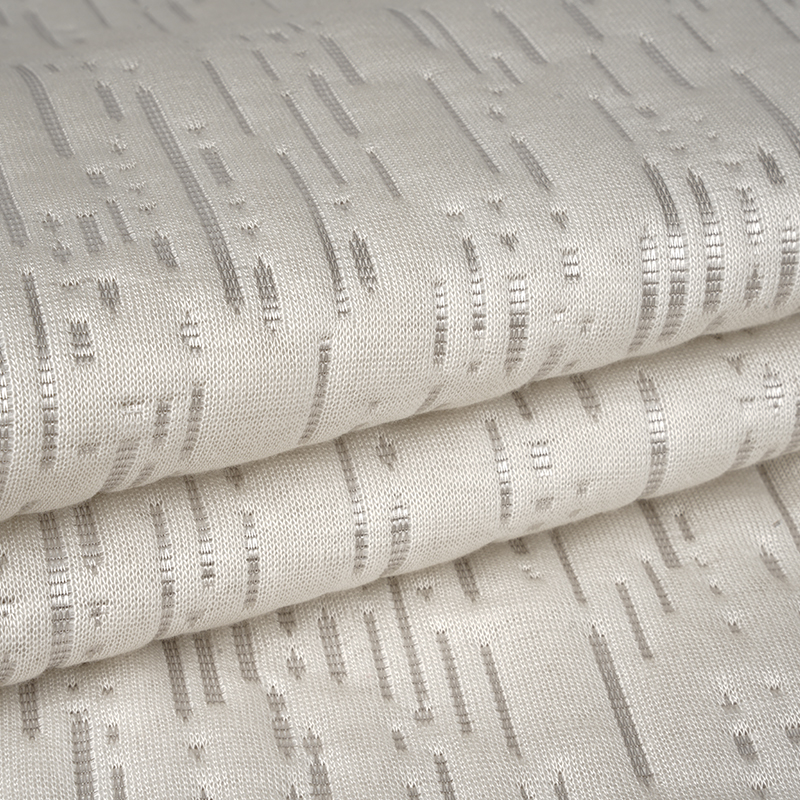
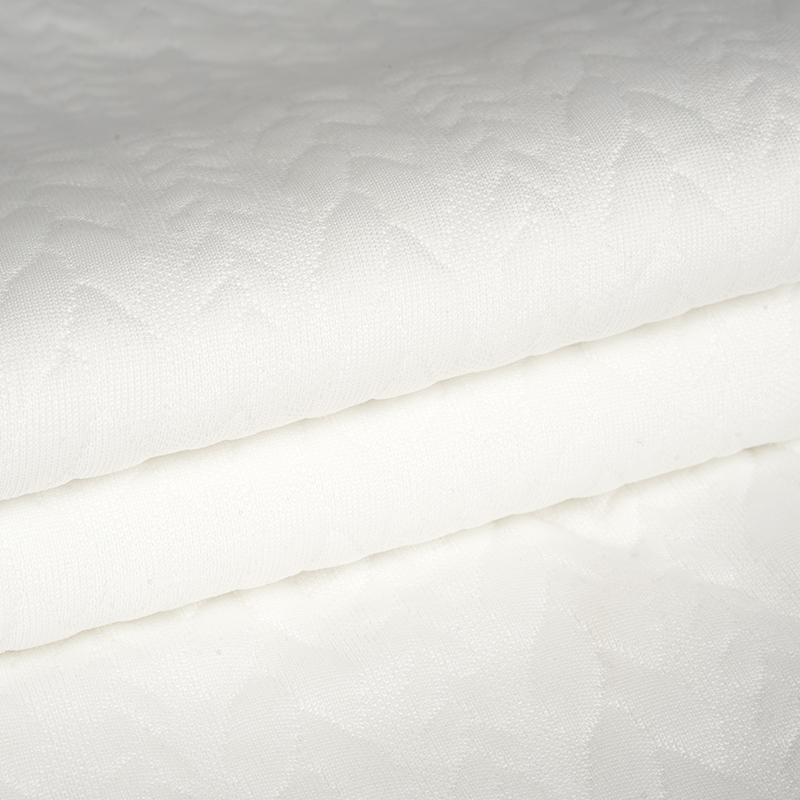
Antibacterial Yarn Children Mattress Fabric
Antibacterial Yarn Children Mattress Fabric
-
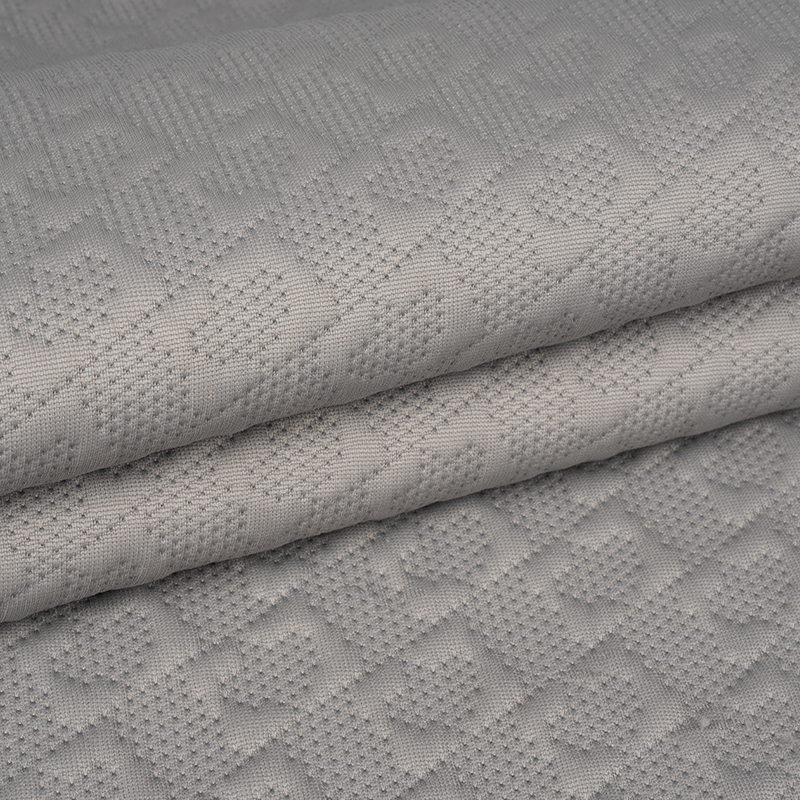
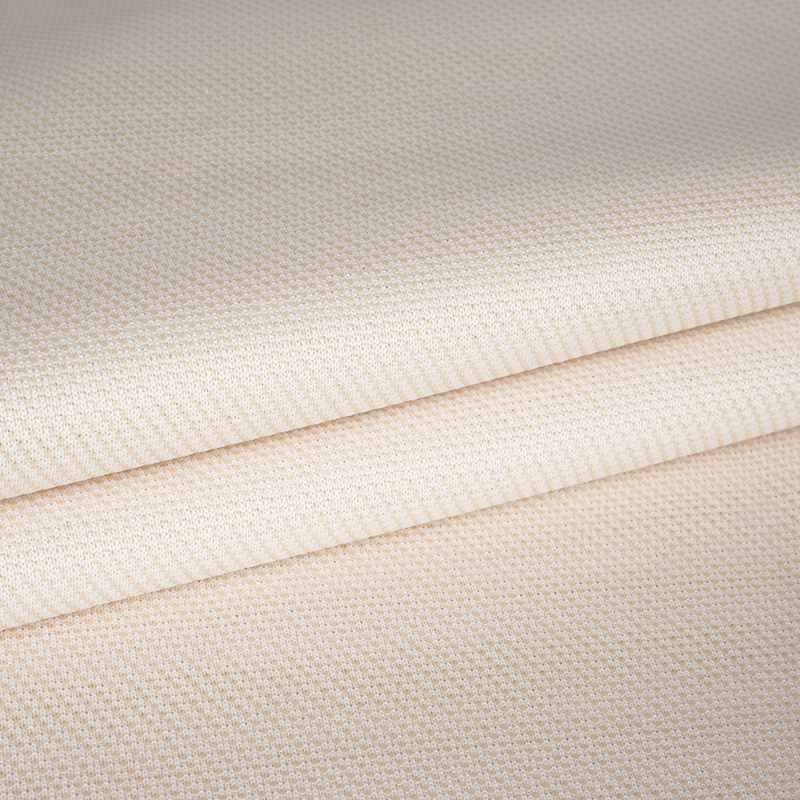
Antibacterial Yarn Children Mattress Fabric
Antibacterial Yarn Children Mattress Fabric
-
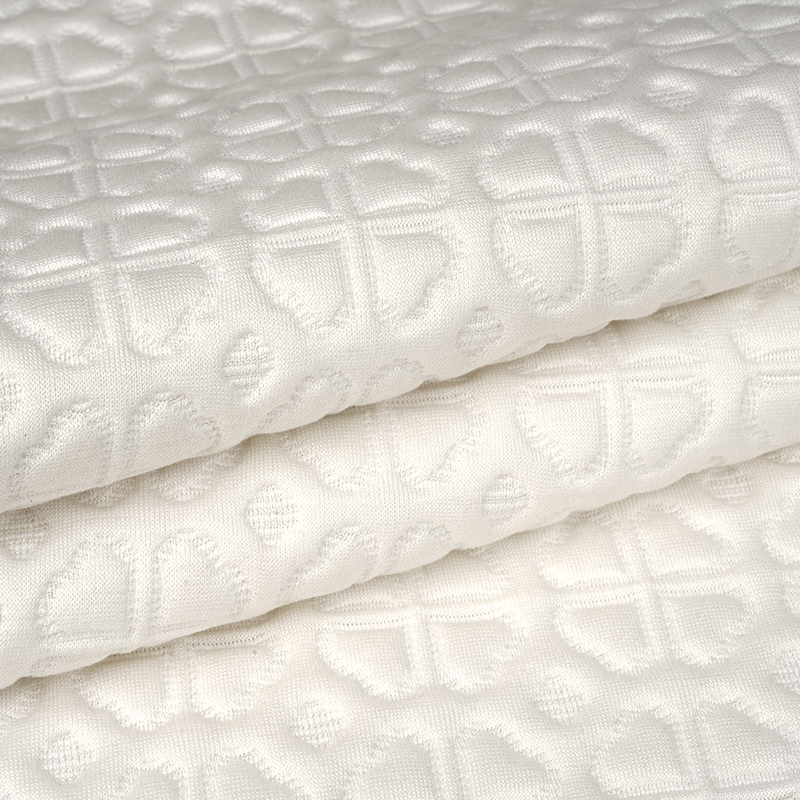
Antibacterial Yarn Children Mattress Fabric
Antibacterial Yarn Children Mattress Fabric
Haven’t Found The Products You Want?
-
-
Shen Jinyan:+86-15158070676
[email protected]
Liang Jinwen:+86-15757186621
[email protected]
Qiu Yingyingn:+86-13819545790
[email protected]
Yi qiao Town, Xiaoshan District, Hangzhou City, Zhejiang Province, China
-
Products
Mattress Fabric Children Mattress Fabric Pillowcase Fabric Pregnancy Pillow Fabric Cooling Mat Fabric Bedding Fabric Sofa Fabric Pet Friendly Fabrics -
Contact Information
About Us Products Strength Sustainability News Contact Us
Copyright © Hangzhou Xinsili Decorative Fabric Weaving Co.,Ltd. All Rights Reserved.
Functional Decorative Textile Manufacturers
