

 English
 中文简体
中文简体 Español
 عربى
عربى русский


Top Benefits of Graphene Mattress Fabric for Better Sleep Quality
Content
- 1 Temperature Regulation for Stable Sleep Comfort
- 2 Enhanced Breathability and Moisture Control
- 3 Antibacterial and Odor-Resistant Properties
- 4 Improved Durability and Structural Stability
- 5 Pressure Distribution and Sleep Support
- 6 Contribution to Overall Sleep Quality
- 7 Sustainability and Material Efficiency
- 8 Application in Modern Bedding Systems
- 9 Conclusion
- 10 FAQ
In the modern bedding industry, material innovation plays a crucial role in improving sleep quality. Among these advancements, graphene mattress fabric has gained increasing attention for its unique physical properties and functional advantages. Derived from graphene-enhanced textile technology, this fabric introduces a new level of comfort, hygiene, and thermal regulation to sleep environments.
Unlike conventional mattress textiles, graphene-based materials integrate conductive and adaptive properties that interact with the human body and surrounding temperature. This allows mattresses to respond dynamically to sleep conditions, helping users maintain a more stable and comfortable rest throughout the night.
Temperature Regulation for Stable Sleep Comfort
One of the most significant benefits of graphene mattress fabric is its thermal regulation capability. Sleep quality is highly influenced by body temperature fluctuations during rest. Graphene fibers help distribute heat evenly and reduce localized heat buildup.
This creates a balanced microclimate on the mattress surface, preventing overheating in warm conditions and minimizing heat loss in cooler environments. As a result, sleepers experience fewer disturbances caused by temperature discomfort.
Enhanced Breathability and Moisture Control
Breathability is essential for maintaining a dry and comfortable sleep surface. Graphene mattress fabric improves airflow within the textile structure, allowing better ventilation compared to traditional materials.
At the same time, it helps manage moisture by quickly dispersing sweat and humidity. This reduces the likelihood of dampness, which is often associated with discomfort and microbial growth.
Antibacterial and Odor-Resistant Properties
Hygiene is another key factor in sleep health. Graphene naturally exhibits antibacterial characteristics, which can help inhibit the growth of certain microorganisms on the fabric surface.
This contributes to a cleaner sleep environment and reduces odor accumulation over time. For long-term mattress use, this property helps maintain freshness without frequent intensive cleaning.
Improved Durability and Structural Stability
Graphene mattress fabric is known for its strong mechanical stability. When integrated into textile fibers, it enhances resistance to wear and deformation.
This means mattresses made with such fabric tend to maintain their shape and performance longer than those using conventional textiles. The improved durability supports consistent comfort over extended usage periods.
Pressure Distribution and Sleep Support
Another important advantage is improved pressure distribution. The fabric’s structure helps evenly spread body weight across the mattress surface, reducing pressure points.
This can contribute to better spinal alignment and reduced discomfort in sensitive areas such as shoulders, hips, and lower back.
Functional Comparison of Mattress Fabrics
| Feature | Traditional Fabric | Graphene Mattress Fabric |
|---|---|---|
| Temperature Regulation | Limited | High adaptability |
| Breathability | Moderate | Enhanced airflow |
| Moisture Management | Basic absorption | Fast dispersion |
| Antibacterial Performance | Low | Naturally improved |
| Durability | Standard wear | Extended lifespan |
| Pressure Distribution | Uneven support | More balanced support |
Contribution to Overall Sleep Quality
Sleep quality is influenced by multiple environmental and physiological factors. Graphene mattress fabric contributes to a more stable sleep environment by combining temperature control, hygiene improvement, and mechanical comfort.
When these functions work together, the result is fewer sleep disruptions and improved rest continuity. This makes the material particularly suitable for modern bedding systems focused on wellness and recovery.
Sustainability and Material Efficiency
In addition to performance benefits, graphene-enhanced textiles can also support material efficiency. Their durability reduces the need for frequent replacement, which indirectly contributes to resource conservation.
Furthermore, their multifunctional properties reduce the need for additional chemical treatments, supporting a more streamlined production approach in bedding textile manufacturing.
Application in Modern Bedding Systems
Graphene mattress fabric is increasingly used in various bedding layers, including mattress covers, protective layers, and integrated textile systems. Its adaptability allows it to be combined with other fibers without compromising softness or flexibility.
This versatility makes it suitable for a wide range of sleep products designed for comfort-focused users.
Conclusion
As sleep science continues to evolve, material innovation remains a key driver of improvement. Graphene mattress fabric represents a significant advancement in bedding technology, offering a combination of thermal regulation, hygiene control, durability, and comfort enhancement.
By addressing multiple sleep-related factors simultaneously, it provides a more stable and supportive rest environment. This makes it a valuable material choice for the next generation of sleep-focused textile solutions.
FAQ
1. What is graphene mattress fabric?
It is a textile material enhanced with graphene properties, designed to improve comfort, temperature control, and durability in mattresses.
2. How does it improve sleep quality?
It helps regulate temperature, reduce moisture buildup, and provide more consistent body support during sleep.
3. Is graphene mattress fabric breathable?
Yes, it offers improved airflow and moisture management compared to many traditional mattress fabrics.
4. Does it have antibacterial properties?
It naturally helps inhibit bacterial growth, contributing to a cleaner and fresher sleep surface.
5. Is it durable for long-term use?
Yes, it enhances fabric strength and helps maintain mattress structure over extended use periods.
Our Featured Products
-
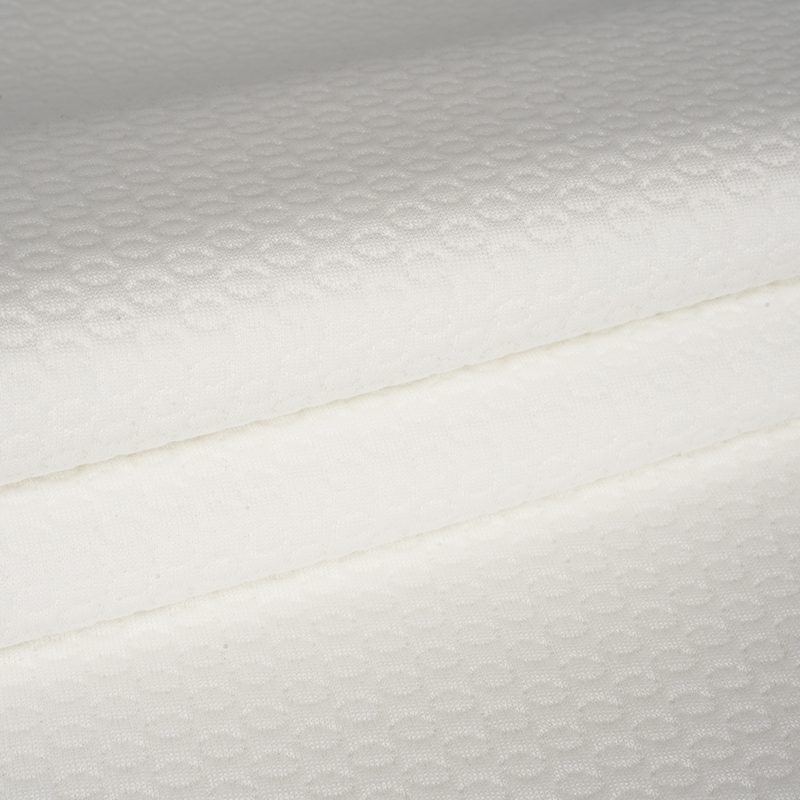
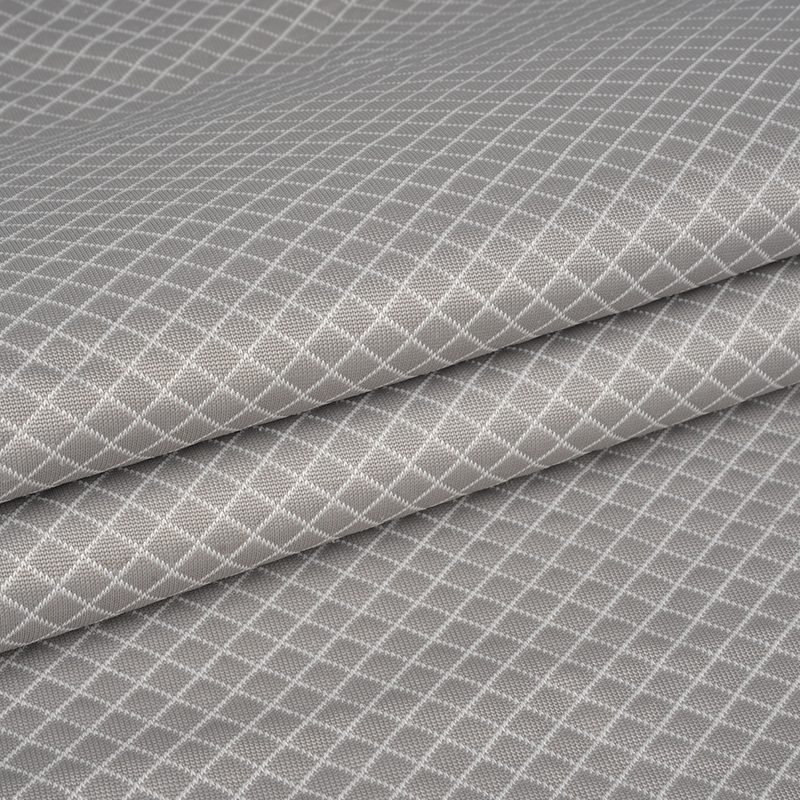
Graphene Mattress Fabric
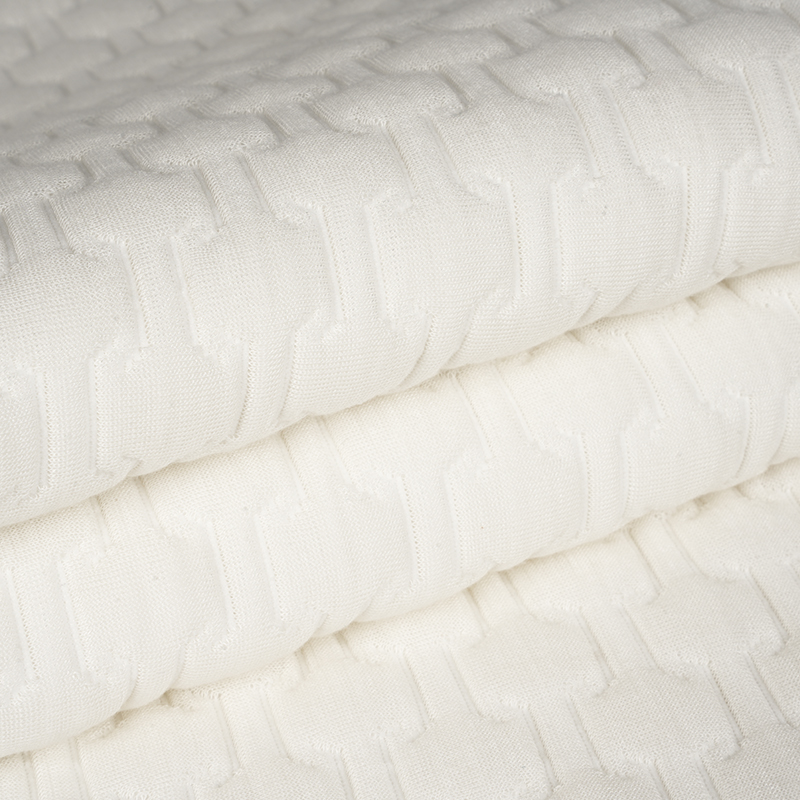
Graphene Mattress Fabric
Haven’t Found The Products You Want?
-
-
Shen Jinyan:+86-15158070676
[email protected]
Liang Jinwen:+86-15757186621
[email protected]
Qiu Yingyingn:+86-13819545790
[email protected]
Yi qiao Town, Xiaoshan District, Hangzhou City, Zhejiang Province, China
-
Products
Mattress Fabric Children Mattress Fabric Pillowcase Fabric Pregnancy Pillow Fabric Cooling Mat Fabric Bedding Fabric Sofa Fabric Pet Friendly Fabrics -
Contact Information
About Us Products Strength Sustainability News Contact Us
Copyright © Hangzhou Xinsili Decorative Fabric Weaving Co.,Ltd. All Rights Reserved.
Functional Decorative Textile Manufacturers
