

 English
 中文简体
中文简体 Español
 عربى
عربى русский


Polyester Mattress Fabric vs. Cotton: Which Is Better for Your Bed?
Content
Introduction: Understanding Mattress Fabrics
When choosing the ideal fabric for your mattress, you’ll encounter various materials, each with unique characteristics. Among the most popular choices are polyester mattress fabric and cotton. Both materials have their own advantages and potential drawbacks.
Comfort and Feel
Polyester Mattress Fabric:
Polyester is a synthetic fabric made from polymer fibers. It’s smooth and often feels soft to the touch, offering a comfortable surface for sleeping. However, polyester is not as breathable as natural fibers, which can affect your comfort over the long term. In warmer climates, polyester may trap heat, potentially making the mattress feel warmer than a cotton alternative.
Cotton Mattress Fabric:
Cotton is a natural fiber known for its breathability and softness. It provides a cooler sleeping surface, which is particularly advantageous in hot and humid climates. Cotton’s moisture-wicking properties help in maintaining a comfortable temperature, preventing excessive sweating during the night.
| Feature | Polyester Mattress Fabric | Cotton Mattress Fabric |
|---|---|---|
| Softness | Smooth and soft to the touch | Naturally soft, but may vary in texture |
| Breathability | Less breathable, traps heat | Highly breathable, cools the body |
| Comfort Level | May feel warm in summer | Great for all seasons, especially summer |
| Moisture-Wicking | Less effective | Excellent moisture-wicking ability |
Durability and Longevity
Polyester Mattress Fabric:
One of the biggest selling points of polyester mattress fabric is its durability. Being a synthetic material, polyester is resistant to wear and tear, stains, and fading. It tends to maintain its appearance and structural integrity for a longer period than cotton. Polyester fabrics are also less likely to develop issues like pilling or shrinkage over time.
Cotton Mattress Fabric:
Cotton is a natural fiber that, while soft and comfortable, is less durable than polyester. It’s prone to wear and tear, especially if not cared for properly. Over time, cotton fabrics may fade, shrink, or develop wrinkles. However, high-quality cotton can last many years if it’s regularly maintained and cleaned.
| Feature | Polyester Mattress Fabric | Cotton Mattress Fabric |
|---|---|---|
| Durability | Highly durable, resistant to wear | Less durable, prone to fading and shrinking |
| Resistance to Wear | Resists pilling and fraying | May fray and lose shape over time |
| Maintenance | Low maintenance, easy to clean | Requires more care, may shrink |
Maintenance and Care
Polyester Mattress Fabric:
Polyester is relatively low-maintenance. It’s easy to clean, and because it’s moisture-resistant, it’s less prone to staining. It’s a great option for those who want a low-effort bedding solution. Polyester also dries quickly, reducing the time needed for washing and drying.
Cotton Mattress Fabric:
Cotton requires more attention and care. While it’s naturally more resistant to dirt, cotton fabrics may stain more easily than polyester. Additionally, cotton needs to be washed regularly to prevent build-up of oils and dirt. Cotton mattresses may also need ironing or special treatment to maintain their appearance.
| Feature | Polyester Mattress Fabric | Cotton Mattress Fabric |
|---|---|---|
| Ease of Cleaning | Easy to clean, stain-resistant | Requires regular washing to prevent stains |
| Maintenance | Low-maintenance | High-maintenance, may shrink or wrinkle |
| Drying Time | Dries quickly | Takes longer to dry, especially in humid climates |
Environmental Impact
Polyester Mattress Fabric:
Polyester is a synthetic material derived from petroleum, making its environmental impact significant. The production of polyester involves fossil fuels, and the process generates pollutants. Additionally, polyester does not biodegrade easily, contributing to waste in landfills.
Cotton Mattress Fabric:
Cotton is a natural material, and while it’s biodegradable, its cultivation can have significant environmental costs. Conventional cotton farming uses large amounts of water and pesticides, which can harm ecosystems. However, organic cotton is an eco-friendlier option, as it’s grown without synthetic chemicals and uses less water.
| Feature | Polyester Mattress Fabric | Cotton Mattress Fabric |
|---|---|---|
| Environmental Impact | High impact, petroleum-based | High water consumption, but biodegradable |
| Sustainability | Not sustainable, non-biodegradable | More sustainable if organic cotton is used |
Cost and Value
Polyester Mattress Fabric:
Polyester is generally more affordable than cotton, making it an attractive choice for budget-conscious buyers. It’s also more readily available and cost-efficient in mass production, which adds to its affordability.
Cotton Mattress Fabric:
Cotton tends to be more expensive than polyester, especially if it’s organic or high-quality cotton. However, the natural feel and breathability of cotton might justify the higher cost for those seeking superior comfort and eco-friendliness.
| Feature | Polyester Mattress Fabric | Cotton Mattress Fabric |
|---|---|---|
| Cost | Affordable, budget-friendly | Higher cost, especially for organic |
| Value | Great value for durability | Excellent comfort and breathability, but pricier |
Conclusion: Which is Better for Your Bed?
When it comes to choosing between polyester mattress fabric and cotton, the right choice largely depends on your personal preferences and needs. If you’re looking for an affordable, low-maintenance, and durable material, polyester mattress fabric is an excellent option. On the other hand, if comfort, breathability, and eco-friendliness are more important to you, cotton may be the better choice.
Consider your budget, local climate, and the level of care you’re willing to invest in your mattress fabric. Both materials have their strengths, and the best fabric for you will align with your unique sleeping preferences and lifestyle.
FAQ
1. Is polyester mattress fabric better than cotton?
It depends on your priorities. Polyester is more durable and cost-effective, while cotton is more breathable and eco-friendly.
2. Can polyester mattress fabric help with overheating?
Polyester is less breathable than cotton, which might contribute to overheating in hot climates.
3. Is cotton a good choice for mattresses in all seasons?
Cotton’s breathability makes it a great choice for warmer climates, but it can also be used year-round for its comfort.
4. Does polyester mattress fabric require more maintenance than cotton?
No, polyester is easier to maintain and clean compared to cotton.
5. Which is better for the environment, polyester or cotton?
Cotton, especially organic cotton, has a lower environmental impact than polyester, which is made from petroleum-based materials.
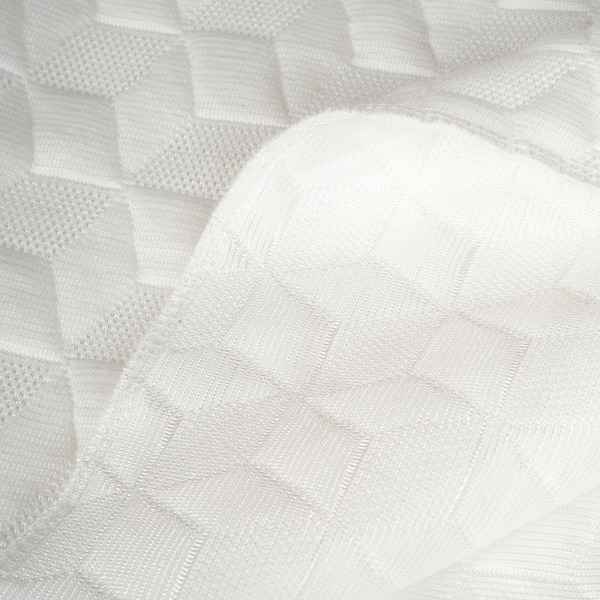
Our Featured Products
-
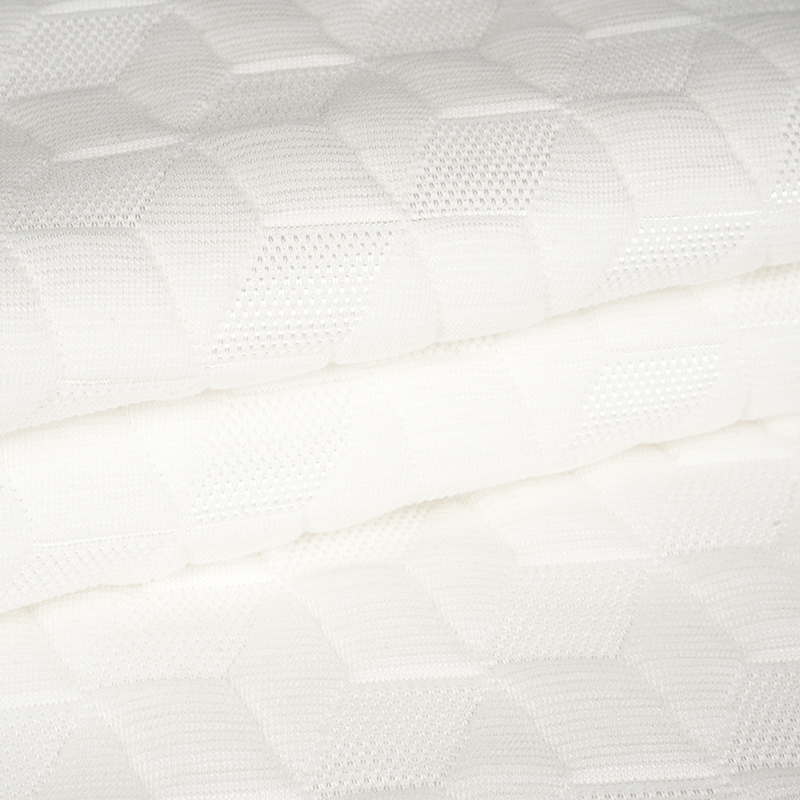
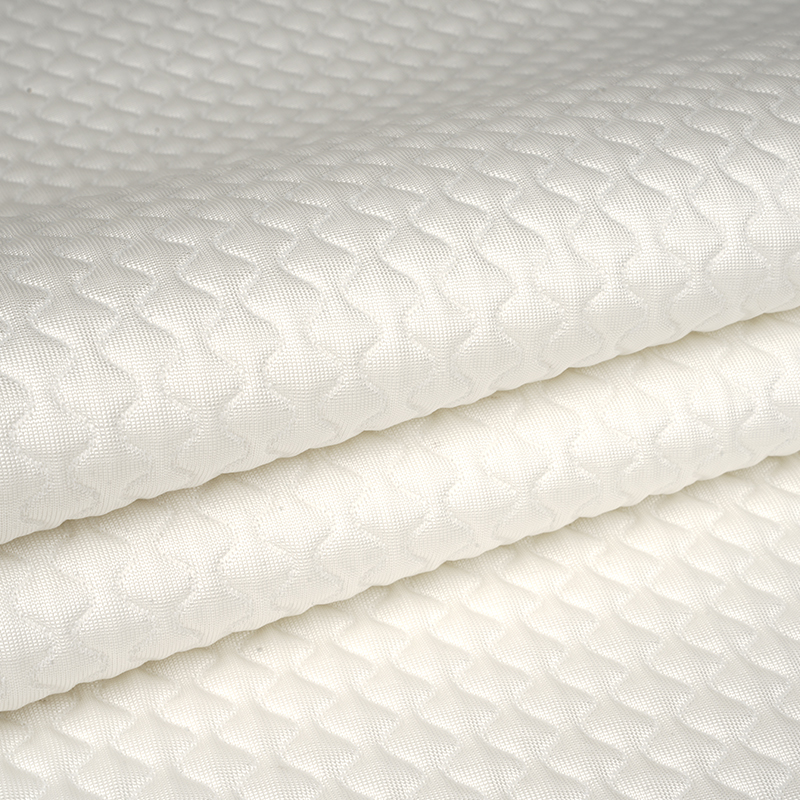
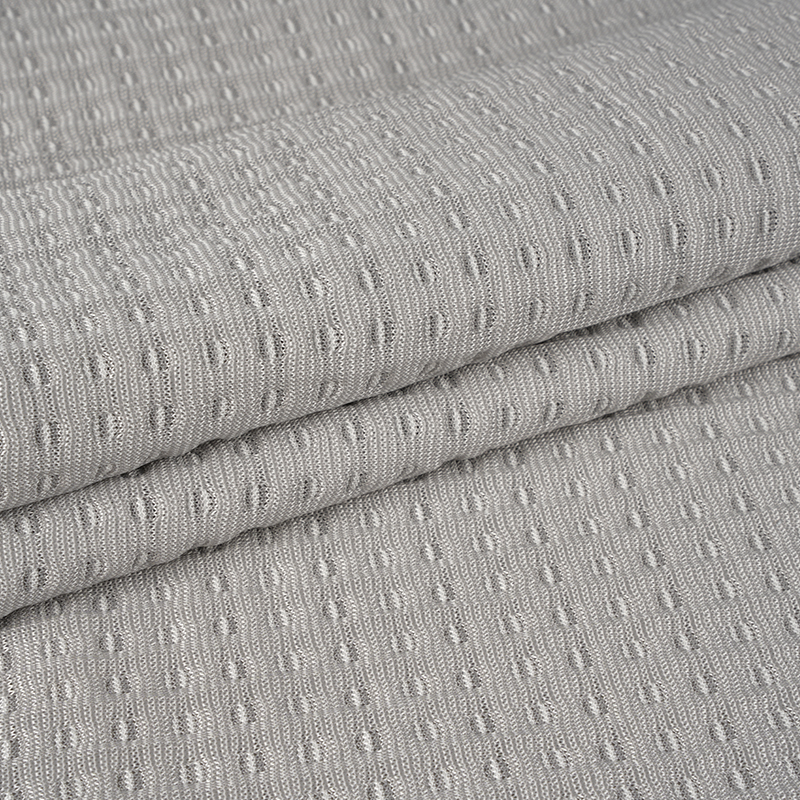
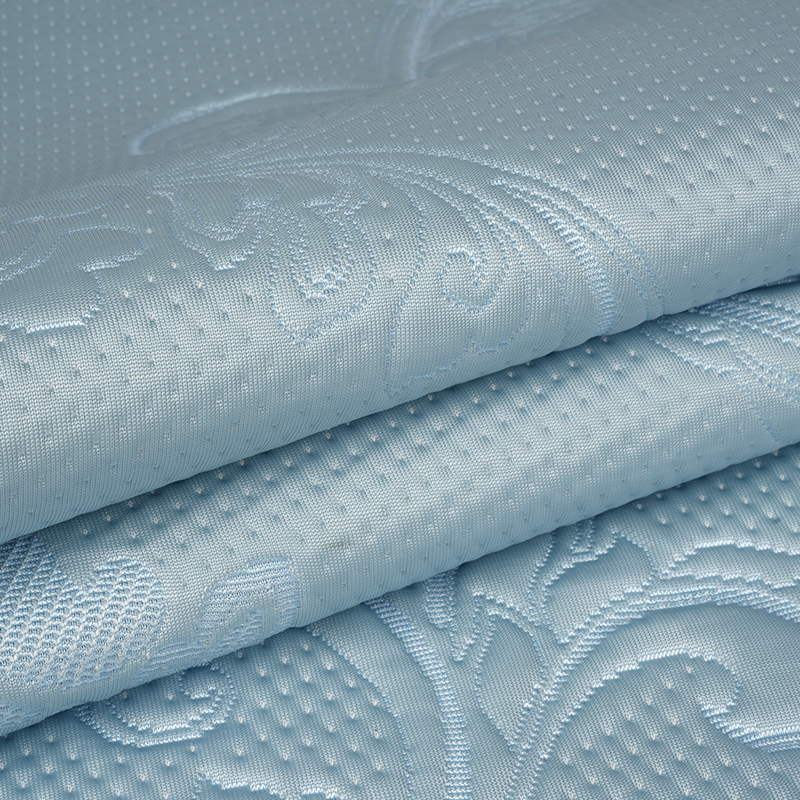
Polyester Mattress Fabric
Polyester Mattress Fabric
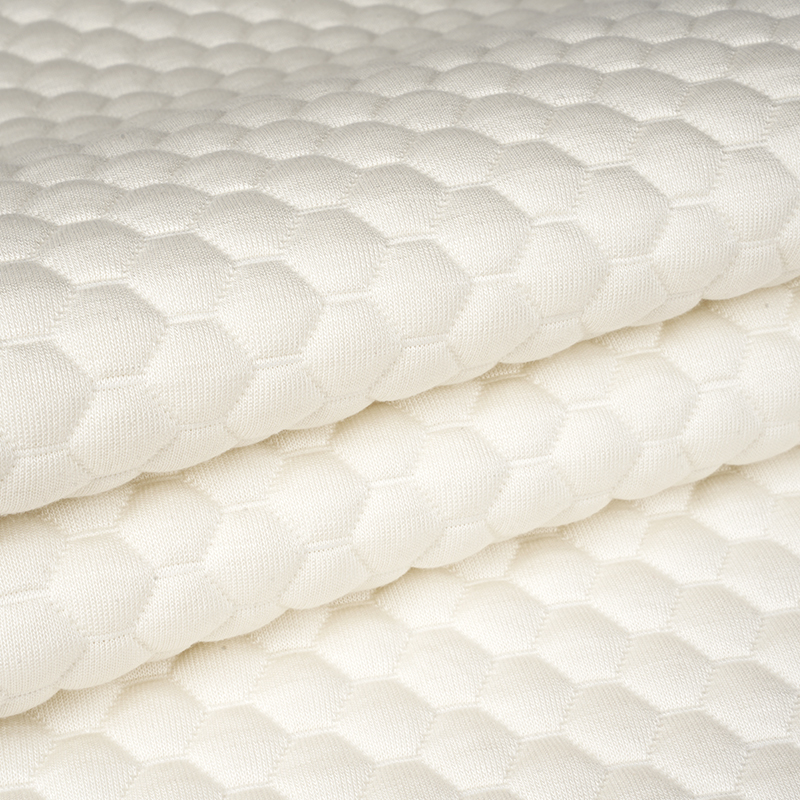
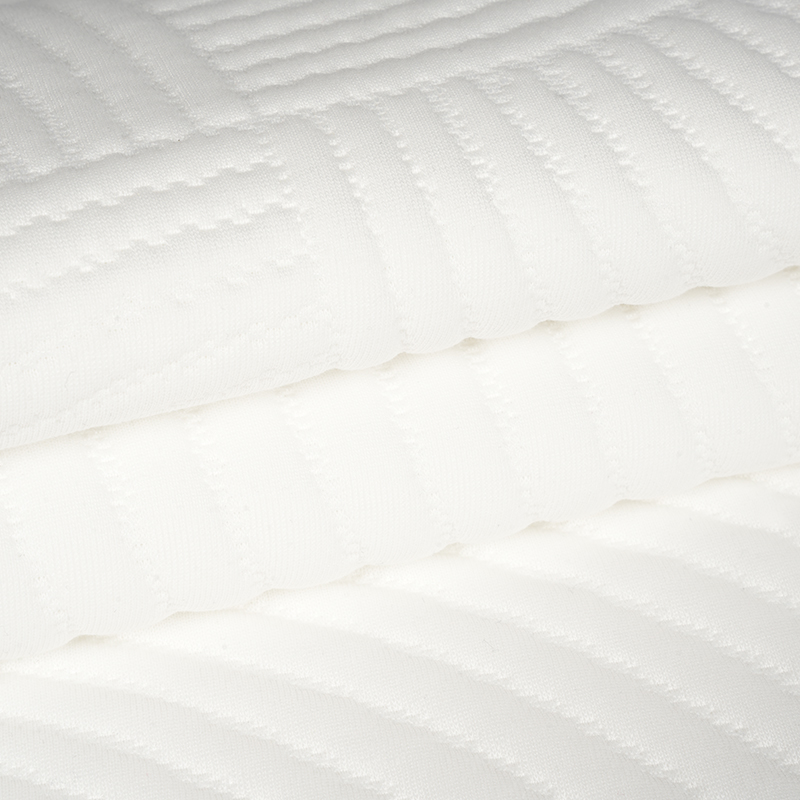
Haven’t Found The Products You Want?
-
-
Shen Jinyan:+86-15158070676
[email protected]
Liang Jinwen:+86-15757186621
[email protected]
Qiu Yingyingn:+86-13819545790
[email protected]
Yi qiao Town, Xiaoshan District, Hangzhou City, Zhejiang Province, China
-
Products
Mattress Fabric Children Mattress Fabric Pillowcase Fabric Pregnancy Pillow Fabric Cooling Mat Fabric Bedding Fabric Sofa Fabric Pet Friendly Fabrics -
Contact Information
About Us Products Strength Sustainability News Contact Us
Copyright © Hangzhou Xinsili Decorative Fabric Weaving Co.,Ltd. All Rights Reserved.
Functional Decorative Textile Manufacturers
