

 English
 中文简体
 Español
 عربى
 русский



How to Choose Cotton Mattress Fabric: Weaves, GOTS Certification and Long-Term Care
Content
- 1 Why Cotton Mattress Fabric Deserves Close Attention
- 2 What Cotton Mattress Fabric Is and How It Works
- 3 Key Benefits of Breathable Cotton Mattress Fabric
- 4 How to Identify High-Quality Cotton Mattress Fabric
- 5 Weave Types and Their Impact on Mattress Performance
- 6 Understanding GOTS Certified Organic Cotton Mattress Fabric
- 7 Cotton Mattress Fabric Compared With Other Materials
- 8 From Fiber to Finished Ticking: The Production Process
- 9 Caring for Cotton Mattress Fabric Over Time
- 10 Final Thoughts on Choosing the Right Cotton Mattress Fabric
- 11 Frequently Asked Questions
- 11.0.1 Q1: Is cotton mattress fabric hypoallergenic?
- 11.0.2 Q2: Does breathable cotton mattress fabric help hot sleepers?
- 11.0.3 Q3: What is the difference between cotton bedding fabric and cotton mattress ticking?
- 11.0.4 Q4: Can organic cotton mattress fabric be custom printed?
- 11.0.5 Q5: Is 100% cotton mattress fabric durable enough for heavy commercial use?
Why Cotton Mattress Fabric Deserves Close Attention
cotton mattress fabric is one of the most widely used textiles for mattress covers, ticking and quilted top layers. It sits closest to the sleeper, so it shapes how warm a mattress feels, how it handles perspiration, how it feels against the skin and how well it holds up after years of use. Yet many buyers treat the fabric as a cosmetic detail and focus almost entirely on the foam or spring system underneath.
This guide takes a practical look at the subject. It explains what the material is, which properties matter most, how to judge quality before you buy, what weave types and certifications mean in real production, and how to care for finished textiles so they perform as expected. The goal is to give manufacturers, sourcing teams and informed shoppers a framework they can apply right away.
Cotton is popular for good reason. It is a natural cellulose fiber that breathes well, feels soft against the skin and is widely available. However, the category is broad. Fabrics labeled as cotton can differ enormously in fiber length, yarn consistency, weave structure and finishing. Those differences decide whether a mattress cover still feels fresh after several years or pills, stretches and loses its shape within months.
What Cotton Mattress Fabric Is and How It Works
Cotton mattress fabric is a woven or knitted textile made from cotton fibers and designed for the outer layers of a mattress. Most products fall into two groups. The first is ticking, a tightly woven fabric that encloses the mattress core. The second is quilted or knitted covering that adds softness and a little cushioning on top. Both rely on the natural structure of cotton, whose hollow cellulose fibers can absorb and release moisture.
Moisture behavior is one of the defining traits of cotton. Under standard conditions, cotton holds roughly 8 percent of its own weight in moisture. That is enough to feel dry at the surface while still allowing air to move through the weave. When a sleeper perspires, moisture is drawn into the fiber and then released into the surrounding air, which helps the surface feel cooler and less clammy than many synthetic alternatives.
Fabric construction matters as much as fiber content. Two cotton fabrics with identical composition can perform very differently depending on yarn twist, thread density, weave pattern and finishing. A tighter construction may resist wear and block more air movement, while a looser one may breathe better but abrade sooner. Experienced suppliers balance these variables according to the role the fabric will play in the finished product.
8%Typical standard moisture regain of cotton fiber
150 to 350Common fabric weight range in grams per square meter
100%Natural fiber content in pure cotton constructions
Organic cotton mattress fabric follows the same basic principles but is grown and processed under stricter agricultural and chemical rules. Buyers who want a natural product with fewer processing residues often look at this category first, although they still need to check construction quality, since organic status alone does not guarantee durability.
Key Benefits of Breathable Cotton Mattress Fabric
The advantages of cotton become clearer when you look at how a mattress is actually used. A sleeper spends many hours in direct contact with the surface, and small differences in comfort add up. Below are the benefits that matter most in everyday performance.
- Breathable comfort. Cotton allows air to pass through the weave, which helps reduce heat buildup on warm nights and supports a more stable sleep surface.
- Moisture management. Cotton fibers absorb perspiration and release it gradually, which suits hot sleepers and people who sweat during the night.
- Gentle surface feel. Cotton is generally considered gentle for sensitive skin, although dyes, finishes and fabric softeners can still cause irritation in some people.
- Durability with proper construction. A balanced, well-spun yarn in a stable weave can handle repeated washing and frequent handling without losing its basic structure.
- Natural origin. Because cotton is a plant fiber, many buyers prefer it for environmental and wellness reasons, particularly when certified organic grades are available.
The chart below illustrates how common fabric types compare in breathability. The scores are illustrative and show general trends rather than laboratory results, but they help explain why cotton is so often chosen for warm-climate and hot-sleeper products.
How to Identify High-Quality Cotton Mattress Fabric
Quality in cotton mattress fabric is rarely visible at first glance. A sample may look smooth and feel pleasant, yet fail after repeated washing or heavy use. A practical evaluation focuses on measurable characteristics and on the consistency of the material from one production batch to the next.
| Attribute | What to look for | Why it matters |
|---|---|---|
| Fiber length | Long staple or extra-long staple cotton | Fewer loose fibers and a smoother, more durable surface |
| Fabric weight | Consistent weight across rolls | Predictable support, cover fit and long-term shape retention |
| Weave density | Balanced construction without overly tight packing | Resists tearing while still allowing airflow |
| Shrinkage | Low shrinkage after pre-wash testing | Keeps covers and panels fitting correctly after laundering |
| Colorfastness | Good resistance to washing and rubbing | Reduces dye transfer and visible fading |
| Pilling resistance | Clean surface after abrasion testing | Limits fuzz and surface wear over time |
When requesting samples, ask the supplier for test data rather than relying on appearance alone. Pre-wash shrinkage results, rub and wash fastness reports, and fabric weight specifications are reasonable requests. Reputable suppliers can provide these documents quickly and will usually explain how their construction choices affect performance.
Consistency matters just as much as the first sample. Ask whether the same yarn source and weaving parameters will be used for repeat orders. Batch-to-batch variation can cause panels to fit unevenly and can create visible differences in color or texture across a production run.
Weave Types and Their Impact on Mattress Performance
The weave determines how the yarns interlace, which in turn controls surface feel, airflow, strength and appearance. Three weaves appear most often in cotton mattress fabric, and each suits different design goals.
- Percale weave. A simple one-over, one-under pattern that produces a crisp, matte surface. Percale is light, breathable and very durable, making it a strong choice for hot sleepers and for covers that will see frequent laundering.
- Sateen weave. A longer float structure that exposes more yarn on the surface. Sateen feels smoother and softer and has a subtle sheen, though it can be slightly less breathable and may pill more readily if the yarn is short.
- Twill weave. A diagonal pattern that adds strength and a textured look. Twill handles abrasion well and is often used for heavier ticking where durability is the main requirement.
For most mattress applications, a well-made percale or twill offers the best balance of breathability and wear resistance, while sateen suits projects where a softer, more luxurious surface is the priority.
Weave choice should be linked to the end use. A mattress cover for a hospitality setting may need a robust twill that tolerates frequent industrial laundering. A consumer product aimed at warm climates may favor a lighter percale. Discussing the target performance with the supplier early avoids expensive corrections later.
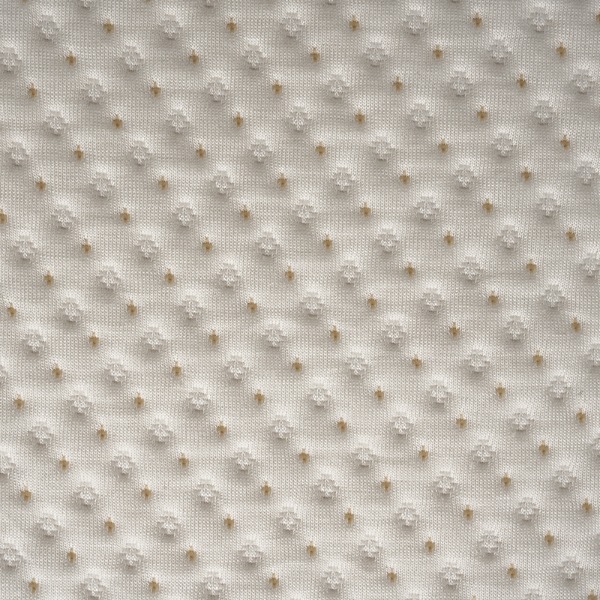
Understanding GOTS Certified Organic Cotton Mattress Fabric
Certification is one of the most useful tools for checking claims about natural textiles. The Global Organic Textile Standard, known as GOTS, is a widely recognized framework that covers the entire processing chain, from harvesting raw fiber through spinning, weaving, dyeing and finishing. It also sets limits on the chemicals that may be used and requires environmental and social criteria at each stage.
Under GOTS rules, products labeled as organic must contain at least 95 percent certified organic fiber, while products described as made with organic materials must contain at least 70 percent. These thresholds help buyers understand exactly what a label means. A organic cotton mattress fabric option that carries certification has passed independent inspection, which provides more confidence than an unverified claim.
Several practical points are worth checking before you rely on certification:
- Confirm that the certificate covers the specific facility and product, not just the brand or the company name.
- Ask whether the certificate is current and whether the certifying body has conducted recent inspections.
- Review the fiber content on the product documentation to make sure the percentages match the claim.
- Check whether the dyes and finishes used on the fabric are also covered by the certification scope.
No harsh chemical dyesRestricted finishing agentsSkin-friendly processingEnvironmental criteriaSocial compliance
Certification does not replace performance testing. A GOTS certified cotton bedding fabric still needs appropriate weave, weight and durability to suit a mattress. The strongest specifications combine verified organic inputs with proven construction.
Cotton Mattress Fabric Compared With Other Materials
Cotton is often compared with linen and synthetic blends. Each has strengths, and the best choice depends on the priorities of the product. The table below summarizes typical characteristics in general terms.
| Feature | Cotton | Linen | Synthetic blend |
|---|---|---|---|
| Breathability | High | Very high | Low to moderate |
| Softness over time | Improves with washing | Softens gradually | Varies by construction |
| Wrinkle behavior | Moderate | Wrinkles readily | Usually low |
| Moisture handling | Absorbs and releases | Releases quickly | Often traps heat |
| Care needs | Machine washable | Gentle handling advised | Easy care |
| Relative cost | Moderate | Higher | Lower |
Linen offers exceptional airflow and a distinctive texture, but it tends to wrinkle and can feel stiff in the early stages of use. Synthetic blends are inexpensive and resist creasing, yet they often retain heat and may feel less natural against the skin. Cotton sits in the middle, which explains its popularity across both consumer and commercial markets.
For mattress production, cotton is frequently chosen because it balances comfort, workability and cost. It can be stitched, quilted and finished using established equipment, and its performance is well understood by manufacturers and quality teams.
From Fiber to Finished Ticking: The Production Process
Understanding how cotton mattress fabric is made helps buyers ask better questions. Each stage influences the final product, and weak control at any point can show up later as shrinkage, uneven color or reduced strength. The simplified flow below shows the main steps in a typical production line.
Fiber selection comes first. Staple length, cleanliness and uniformity determine how smoothly the yarn can be spun. Spinning converts fiber into yarn, and tension control at this stage influences strength and surface evenness. Weaving then locks the structure in place, and the chosen density governs both comfort and durability.
Finishing is where many performance differences appear. Pre-shrinking, dyeing and surface treatment all affect dimensional stability and colorfastness. Responsible producers test finished fabric for shrinkage, rub resistance and wash fastness before release. Asking for these records is a reliable way to separate well-controlled production from inconsistent output.
Caring for Cotton Mattress Fabric Over Time
Proper care protects both comfort and the investment in a mattress. Cotton is forgiving, but repeated harsh treatment can shorten its life. The following steps help preserve softness, color and structure.
- Read the label first. Follow the manufacturer recommended temperature and cycle, since some finishes respond poorly to very hot water.
- Use moderate temperatures. Warm or cool water is usually sufficient and helps reduce shrinkage and color loss.
- Choose a gentle detergent. Mild formulas are less likely to strip finishes or leave residue that makes fabric feel rough.
- Avoid excessive bleach. Chlorine bleach can weaken cotton fibers and cause yellowing over time.
- Dry thoroughly. Low to medium heat drying prevents shrinkage, and removing covers promptly reduces wrinkling.
Always store fully dry cotton fabric in a well-ventilated space. Avoid sealed plastic bins, which can trap residual moisture and encourage mildew.
Storage deserves the same attention as washing. Fabric kept in damp or enclosed conditions can develop odor and staining even when it looks clean. Breathable storage containers, dry shelves and periodic airing keep textiles in good condition during long periods between uses.
Regular inspection also helps. Check seams, corners and handles for early signs of wear. Small repairs made promptly are far less costly than replacing an entire cover, and they extend the useful life of the finished product.
Final Thoughts on Choosing the Right Cotton Mattress Fabric
Choosing the right textile is a balance of comfort, durability, certification and cost. Cotton remains a reliable option because it breathes well, manages moisture naturally, feels gentle against the skin and adapts to many construction methods. The advantages are real, but they depend on fiber quality, weave selection and careful finishing.
Buyers who want the most predictable results should focus on measurable specifications, request test data, confirm certifications and match the weave to the intended use. Manufacturers should build quality checks into every stage of production and communicate performance clearly to their customers. Taking these steps leads to fabrics that feel good on the first night and keep performing for years.
Frequently Asked Questions
Q1: Is cotton mattress fabric hypoallergenic?
Cotton is generally considered gentle for sensitive skin because it is a natural fiber with a soft surface. However, no fabric is completely free from the risk of irritation. Dyes, finishes and residual processing chemicals can affect some people, so choosing fabric with verified low-chemical processing and thorough rinsing is the best approach.
Q2: Does breathable cotton mattress fabric help hot sleepers?
Yes, in many cases. Cotton allows air to move through the weave and absorbs moisture from the skin, which can make the surface feel cooler than many synthetic materials. The weave still matters, since very dense constructions can reduce airflow. Lighter percale or balanced twill constructions tend to suit warm sleepers well.
Q3: What is the difference between cotton bedding fabric and cotton mattress ticking?
Bedding fabric is designed for sheets, covers and comforters that are removed and laundered frequently, so it is often lighter and softer. Mattress ticking is a stronger, tighter fabric designed to enclose the mattress core. It needs greater abrasion resistance and dimensional stability because it stays in place for years.
Q4: Can organic cotton mattress fabric be custom printed?
In many cases, yes. Custom printing depends on the fabric construction, dye system and finishing method. Certified organic products may have restrictions on the chemicals that can be used in printing, so the printing process must be confirmed against the certification scope. Requesting colorfastness and wash test results for printed samples is essential before a full order.
Q5: Is 100% cotton mattress fabric durable enough for heavy commercial use?
Pure cotton can perform very well in commercial settings when the weave, yarn quality and finishing are suited to the application. Twill and tightly controlled percale constructions handle frequent industrial laundering effectively. For demanding environments, buyers should review abrasion, shrinkage and wash durability data rather than relying on fiber content alone.
Our Featured Products
-
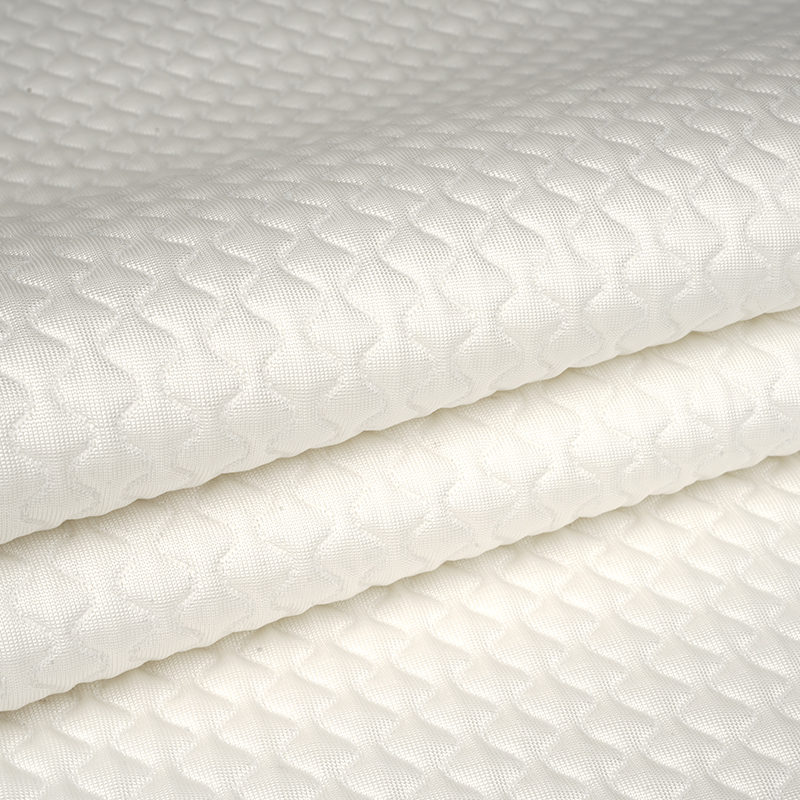
Cotton Children Mattress Fabric
Cotton Children Mattress Fabric
Haven’t Found The Products You Want?
-
-
Shen Jinyan:+86-15158070676
[email protected]
Liang Jinwen:+86-15757186621
[email protected]
Qiu Yingyingn:+86-13819545790
[email protected]
Yi qiao Town, Xiaoshan District, Hangzhou City, Zhejiang Province, China
-
Products
Mattress Fabric Children Mattress Fabric Pillowcase Fabric Pregnancy Pillow Fabric Cooling Mat Fabric Bedding Fabric Sofa Fabric Pet Friendly Fabrics -
Contact Information
About Us Products Strength Sustainability News Contact Us
Copyright © Hangzhou Xinsili Decorative Fabric Weaving Co.,Ltd. All Rights Reserved.
Functional Decorative Textile Manufacturers
