

 English
 中文简体
 Español
 عربى
 русский



Brushed Polyester Fabric for a Velvety Feel: Properties, Uses and Buying Tips
Content
- 1 What Is Brushed Polyester Fabric?
- 2 Why Brushed Polyester Feels Velvety
- 3 Key Performance Characteristics
- 4 Applications Across Home Textiles
- 5 How Brushed Polyester Compares with Other Velvety Surfaces
- 6 A Practical Checklist for Evaluating Quality
- 7 Care, Durability and Sustainability
- 8 Frequently Asked Questions
Run a hand across a well-finished mattress panel or a winter duvet cover and the difference between ordinary cloth and something genuinely inviting usually comes down to one detail: the nap. Brushed polyester fabric has become one of the most widely specified ways to create that soft, velvety sensation at industrial scale. It combines the durability, dimensional stability and cost profile of synthetic fiber with a surface treatment borrowed from much older cloth-making traditions. This guide explains how the brushing process works, why the finished surface feels so close to true velvet, how the fabric performs over years of daily use, and what product and purchasing teams should verify before committing to a bulk order.
What Is Brushed Polyester Fabric?
Brushed polyester is a woven or knitted cloth made from polyester yarn and then passed through a mechanical finishing step known as brushing or raising. Inside the brushing machine, rotating rollers covered with fine metal points lightly tease the face of the cloth and lift the ends of individual fibers out of the yarn structure. After one or several passes, the surface carries a short, even layer of raised fiber called a nap. It is this nap, not a coating and not a laminate, that produces the velvety hand feel buyers associate with the category.
The distinction from true velvet matters when specifying materials. Velvet is a woven pile cloth in which extra yarns are interlaced during weaving and then cut to form a dense, upright pile, a structure historically produced in silk. The result is deep and lustrous, but the weave is complex and production is comparatively slow. Brushed polyester reaches a closely related tactile impression through finishing alone, so production stays fast, cost stays moderate, and the cloth suits products that must survive constant contact, laundering and quilting.
The finish also comes in useful variations. Single-sided brushing leaves one smooth face and one soft face, which suits quilted constructions. Double-sided brushing produces an all-over flannel character for winter sheeting. Finer rollers and micro-filament yarns create sueded or peach-skin surfaces with an even shorter, denser touch that reads as micro-velvet in finished products.
How the Brushing Process Works, Step by Step
The sequence is easy to follow once you can picture the cloth moving through the finishing line:
Because the effect is purely mechanical, it can be tuned with precision. Roller speed, cloth tension, the number of passes and the fineness of the brushing points all change nap height and density. Two fabrics knitted from the same base yarn can therefore sit at noticeably different quality and price points once they leave the finishing line.
Why Brushed Polyester Feels Velvety
A velvety hand is engineered through measurable construction choices. Finer yarns place more fiber ends into every square centimeter, and more raised ends produce a smoother, silkier surface. Nap height is equally important: the working range for bedding and mattress ticking sits at roughly 0.5 to 2 millimeters, high enough to feel plush yet short enough to resist matting and to keep quilted stitching lines crisp.
The nap also changes how the surface behaves with light and air. Randomly oriented fibers scatter reflected light, which deepens color into the shaded richness associated with velvet, and the thin air layer that the nap traps gives the cloth immediate thermal comfort. That combination explains why brushed surfaces dominate winter bedding programs. Because polyester absorbs very little moisture, the same surface dries quickly and does not feel clammy in humid rooms.
The nap, not the base cloth, is what skin contacts first. Nap density and recovery decide whether a fabric reads as velvety for one season or for years of nightly use.
Key Performance Characteristics
In specification documents, brushed polyester is described with the same parameters as any bedding or upholstery cloth, plus a few nap-specific points. The ranges below are typical for commercially common grades; exact values depend on yarn count, construction and the finishing program of the mill.
180-320 gsmTypical brushed knit weight for mattress ticking
0.5-2 mmWorking nap height for bedding surfaces
15,000-40,000Martindale abrasion cycles across common grades
Grade 4+Standard target for colorfastness to rubbing
| Property | Typical industry range | Why it matters |
|---|---|---|
| Weight | 180-320 gsm ticking knits; 240-380 gsm upholstery | Balances drape, quilting behavior and service life |
| Nap height | 0.5-2 mm | Sets plushness against resistance to matting |
| Abrasion resistance | 15,000-40,000+ Martindale cycles | Separates bedding grades from seating grades |
| Pilling resistance | Grade 3.5-4.5 on the five-grade scale | Keeps surfaces smooth after repeated laundering |
| Colorfastness to rubbing | Grade 4 or higher, dry and wet | Protects deep shades used on light bedding |
| Dimensional change | Within 5 percent after care cycles | Prevents bagging on quilted panels |
None of these numbers should be taken on faith. A serious mill tests pilling, abrasion and colorfastness on the finished, brushed cloth rather than on the base fabric, because the raised nap is the part that ages first. Ask for recent reports tied to the batch you intend to buy.
Applications Across Home Textiles
The same brushing principle serves very different end products. What changes from one application to another is the base construction, the fabric weight and the test targets that the finished cloth must meet.
Mattress tickingBedding and sheetingSofa upholstery
Mattress Ticking and Quilted Panels
Brushed circular knits are the default choice for quilted mattress panels in residential and hospitality programs. The nap faces the sleeper, the back is quilted to polyester batting and a backing cloth, and the brushed face gives the bed an immediate sense of warmth and softness that flat knits cannot match. A brushed knit around 220 gsm quilts cleanly, resists needle cutting and holds its surface after compression, which is why it appears in so many ticking specifications. For a deeper view of how the base cloth balances strength, airflow and comfort, this technical analysis of polyester mattress fabric is a useful companion read.
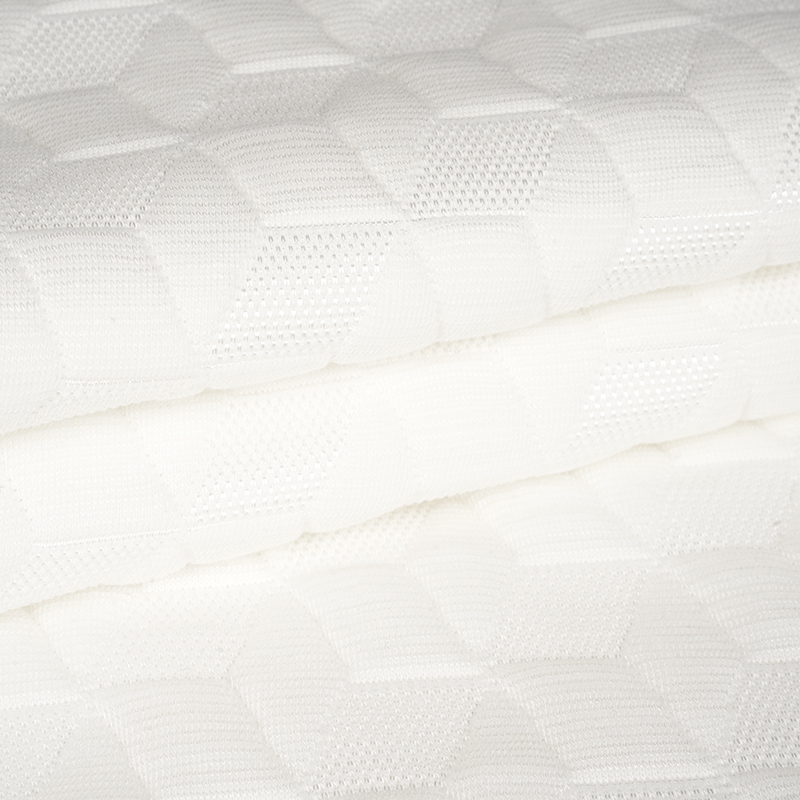 Brushed Polyester Knit for Quilted Mattress PanelsA brushed circular knit around 220 gsm with the nap facing the sleeper, suited to quilting with polyester batting and backing cloth. It quilts cleanly, resists needle cutting and holds its surface after compression, making it a common choice in ticking specifications for warm, soft mattress panels.View Product →
Pillowcases, Duvet Covers and Winter Bedding
Brushed polyester sheeting behaves like classic flannel with easier care. Weights of roughly 180 to 260 gsm, brushed on one or both sides, hold warmth close to the body on cold nights, dry quickly after washing and take deep, saturated dye shades. Because sheets launder far more often than upholstery, anti-pilling finishing is the single most important quality lever in this category; a grade 4 rating or better is the sensible minimum for programs that expect years of hot wash cycles.
 Brushed Polyester Sheeting FabricBrushed polyester sheeting in roughly 180 to 260 gsm, brushed on one or both sides, behaves like classic flannel with easier care. It holds warmth on cold nights, dries quickly after washing and takes deep dye shades, so anti-pilling finishing becomes the key quality consideration for bedding programs.View Product →
Sofas, Headboards and Accent Upholstery
On seating, heavier brushed weaves in the 240 to 380 gsm range deliver the micro-velvet look that consumers keep asking for. Specification priorities shift accordingly: abrasion targets rise toward 20,000 Martindale cycles or more, seam slippage becomes relevant once the cloth is tensioned over cushions, and light shading where the nap changes direction should be reviewed on a full-width sample rather than a small swatch. Reviewed properly, a brushed upholstery grade gives a living room the velvet aesthetic with far easier maintenance.
 Brushed Polyester Upholstery FabricHeavier brushed weaves in the 240 to 380 gsm range give seating the micro-velvet look consumers seek. Specification priorities include abrasion targets around 20,000 Martindale cycles or more, seam slippage under cushion tension and checking nap shading on full-width samples before committing.View Product →
How Brushed Polyester Compares with Other Velvety Surfaces
Several cloth families create a velvety impression, and they differ in how the soft surface is made. That difference drives cost, durability and the duty cycle each product can support.
| Surface family | How the soft surface is created | Touch character | Where it fits best |
|---|---|---|---|
| Brushed polyester | Fiber ends lifted from the cloth by mechanical brushing | Short, warm, velvet-like nap | Mattress ticking, winter bedding, family sofas |
| Woven velvet | Extra pile yarns interlaced, then cut into an upright pile | Deep, dense, lustrous pile | Headboards, accent chairs, decorative panels |
| Chenille | Short fibers piled onto the yarn before weaving | Soft, ribbed, caterpillar-like | Sofa covers and cushions |
| Sanded microfiber | Very fine filaments shortened by sanding | Smooth, suede-like, matte | Upholstery, cushions, headboards |
Brushed polyester leads wherever the product will be slept on, laundered and used daily, because its nap is short, stable and inexpensive to reproduce in production. Cut pile velvet still wins where drama, drape and depth of color matter more than daily wear. Matching the surface family to the duty cycle of the product prevents both under-engineering and paying for performance a product will never need.
A Practical Checklist for Evaluating Quality
Brushing happens at the end of the production line, so quality differences appear late and are easy to miss on a small swatch. Before releasing a bulk order, work through the following checks:
- Nap evenness: tilt the cloth under raking light; streaks or cloudy patches point to worn rollers or uneven tension.
- Recovery after compression: press the surface with a palm for ten seconds; a healthy nap springs back without developing shine.
- Weight verification: weigh cut squares and confirm the gsm matches the specification sheet for the finished cloth.
- Pilling and abrasion evidence: request recent test reports produced on the brushed fabric, not on the base cloth.
- Colorfastness on dark shades: grade 4 or higher, dry and wet, is essential for charcoal, navy and deep burgundy programs.
- Dimensional stability: confirm heat setting, especially for knits that will run through quilting lines.
- Pilot run: push 50 to 100 meters through your own cutting or quilting process before the full release.
A sample that looks dense but recovers slowly under a pressed palm will flatten within months of nightly use. Feel is testable, so test it.
Care, Durability and Sustainability
Everyday Care That Protects the Nap
- Machine wash warm on a gentle cycle with mild detergent, and avoid overloading the drum.
- Tumble dry on low heat, remove the piece promptly and shake it out to lift the fibers.
- Keep irons and direct high heat away from the nap; steam lightly from the reverse side when needed.
- Lift the pile between washes with a soft brush so the surface stays even.
Durability and Sustainability Notes
A brushed surface is created mechanically rather than through chemical coating, which simplifies the finishing story and keeps the cloth compatible with existing polyester recycling streams. Base fabrics made from recycled polyester are now widely available for brushing lines, and mills can usually document recycled content on request. Just as important, a well-specified brushed polyester product resists pilling and matting long enough to deliver years of service, which is the most overlooked sustainability advantage any textile can offer.
Frequently Asked Questions
Q1: Is brushed polyester the same as velvet?
No. Velvet is a woven cloth with cut pile yarns, historically produced in silk, while brushed polyester is a conventional weave or knit whose surface fibers are raised mechanically. The touch can be remarkably similar, but brushed polyester is lighter, faster to manufacture, easier to launder and more stable in price.
Q2: Will the soft nap flatten or pill over time?
It depends on the specification. Cloth with adequate weight, grade 4 or better pilling resistance and proper heat setting keeps its surface for years of daily use, while under-specified fabric will mat, shine and pill. Abrasion and pilling reports on the finished cloth are the most reliable predictors.
Q3: Is brushed polyester a good choice for warm climates?
Yes, with adjustments. Choosing a lower nap height, a lighter weight around 180 to 200 gsm and breathable quilt batting reduces surface warmth, and the low moisture absorption of polyester helps the fabric dry quickly rather than feeling damp.
Q4: What fabric weight works best for mattress ticking?
Most quilted residential panels sit between 180 and 220 gsm, which quilts cleanly and keeps the sleep surface friendly. Programs aimed at heavy use or hospitality usually move to 240 to 320 gsm for a denser, more premium hand and better long-term appearance.
Q5: Can brushed polyester be made flame retardant for hotel use?
It can. Mills achieve flame retardant performance either through modified polyester yarns or through finishing treatments, and reputable suppliers provide compliance documentation together with data showing how the rating survives repeated laundering, which is the critical question for contract programs.
Brushed polyester shows how far finishing control has come: a nap that once depended on costly weaves can now be engineered to a specified height, density and recovery, then repeated across thousands of meters without drift. Teams planning a new ticking, bedding or upholstery program can explore a full range of mattress and home textile fabrics to see how brushed and other surface finishes are organized by application and fiber.
Our Featured Products
-

Polyester Mattress Fabric
Polyester Mattress Fabric
Haven’t Found The Products You Want?
-
-
Shen Jinyan:+86-15158070676
[email protected]
Liang Jinwen:+86-15757186621
[email protected]
Qiu Yingyingn:+86-13819545790
[email protected]
Yi qiao Town, Xiaoshan District, Hangzhou City, Zhejiang Province, China
-
Products
Mattress Fabric Children Mattress Fabric Pillowcase Fabric Pregnancy Pillow Fabric Cooling Mat Fabric Bedding Fabric Sofa Fabric Pet Friendly Fabrics -
Contact Information
About Us Products Strength Sustainability News Contact Us
Copyright © Hangzhou Xinsili Decorative Fabric Weaving Co.,Ltd. All Rights Reserved.
Functional Decorative Textile Manufacturers
