

 English
 中文简体
中文简体 Español
 عربى
عربى русский


Antibacterial Yarn Mattress Fabric: Complete Buying Guide
Content
A mattress gets more daily contact with skin than almost any other textile in the home, which makes hygiene performance more than a marketing line. Antibacterial Yarn Mattress Fabric builds that protection directly into the yarn itself, rather than relying on a surface treatment that wears off. Here's how the fabric works, where it gets specified, and what to check before it goes into production.
01
Functional agents integrated at the fiber level, not sprayed on afterward
02
Performance maintained through repeated washing and long-term use
Where the Protection Actually Comes From
Antibacterial yarn mattress fabric starts with functional yarns that carry antibacterial properties within the fiber structure, so the protection is woven or knitted directly into the fabric rather than applied as a coating that fades with use.
How It's Built
Antibacterial agents are integrated into yarn fibers during production, then formed into fabric through knitting or weaving. The functional components inhibit microbial growth on the surface while the fabric keeps its softness and breathability.
Why It Lasts
Because the antibacterial function lives in the yarn rather than a surface finish, performance holds up through repeated washing and years of daily contact, instead of diminishing after the first few cleaning cycles.
What Else the Fabric Needs to Get Right
- Softness and skin-friendly hand feel for direct nightly contact
- Breathability and moisture management across different climates
- Wear resistance under repeated stretching, friction, and washing
- Consistent structure across knitted, woven, or jacquard constructions
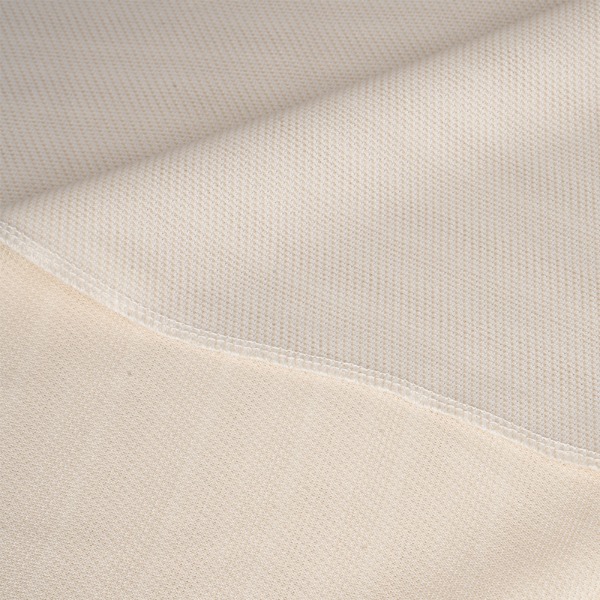
Antibacterial Yarn Fabric vs Traditional Mattress Fabric
| Feature | Antibacterial Yarn Fabric | Traditional Mattress Fabric |
| Hygiene function | Built into the yarn structure | Basic covering protection only |
| Durability of function | Holds up through repeated washing | Depends on any surface treatment used |
| Best fit | Premium bedding, healthcare, hospitality | Standard mattress products |
Where This Fabric Gets Specified
Mattress Manufacturing
Mattress covers and ticking fabrics needing durable hygiene performance.
Hotel Bedding
Guest room mattresses where hygiene supports the overall stay experience.
Healthcare Bedding
Medical and care facility mattresses needing enhanced hygiene standards.
Baby & Children's Bedding
Nursery mattresses where soft, hygienic materials matter most.
A fabric that stays antibacterial after fifty washes is doing more for a mattress's real-world hygiene than one that only tests well on day one.
What to Verify Before You Commit to an Order
Application Requirements
- Mattress type and target end users
- Hygiene requirements for the intended setting
- Climate conditions affecting moisture management needs
Performance Data to Request
- Antibacterial effectiveness test results
- Washing durability and color fastness testing
- Abrasion resistance and tensile strength data
- Fiber composition and fabric weight specifications
Supplier Checklist
- Functional fabric development experience
- Documented antibacterial performance testing
- Production capacity for bulk bedding orders
- Customization support for fiber blend, weight, and structure
What's Changing in Functional Bedding Textiles
Smart textile development is starting to combine antibacterial performance with additional functions like enhanced moisture management in a single fabric, while eco-friendly antibacterial technologies and recycled fiber applications are gaining ground as sustainability expectations grow across the bedding industry.
Our Featured Products
-
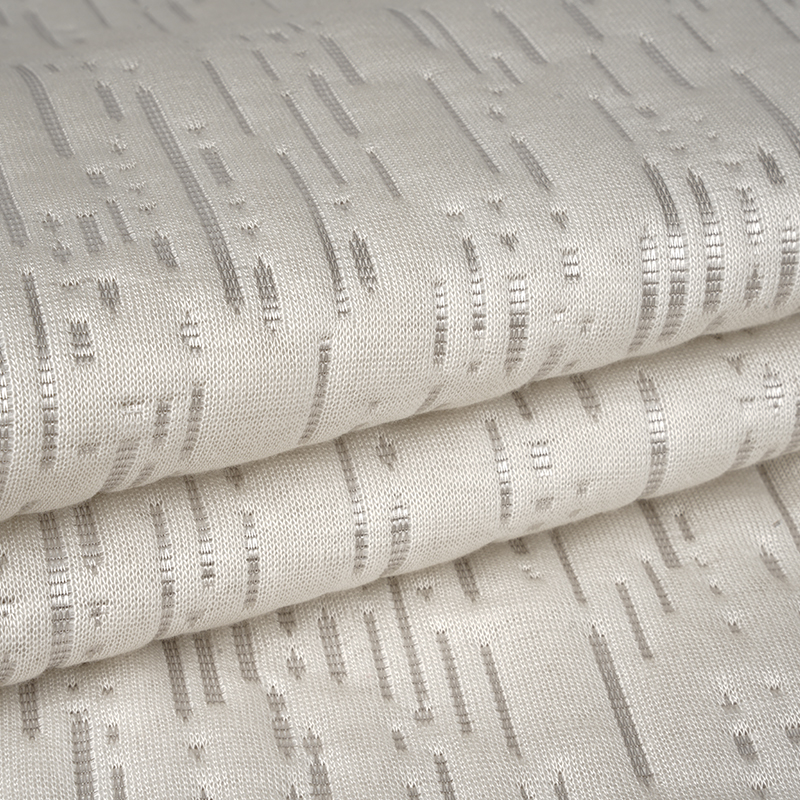
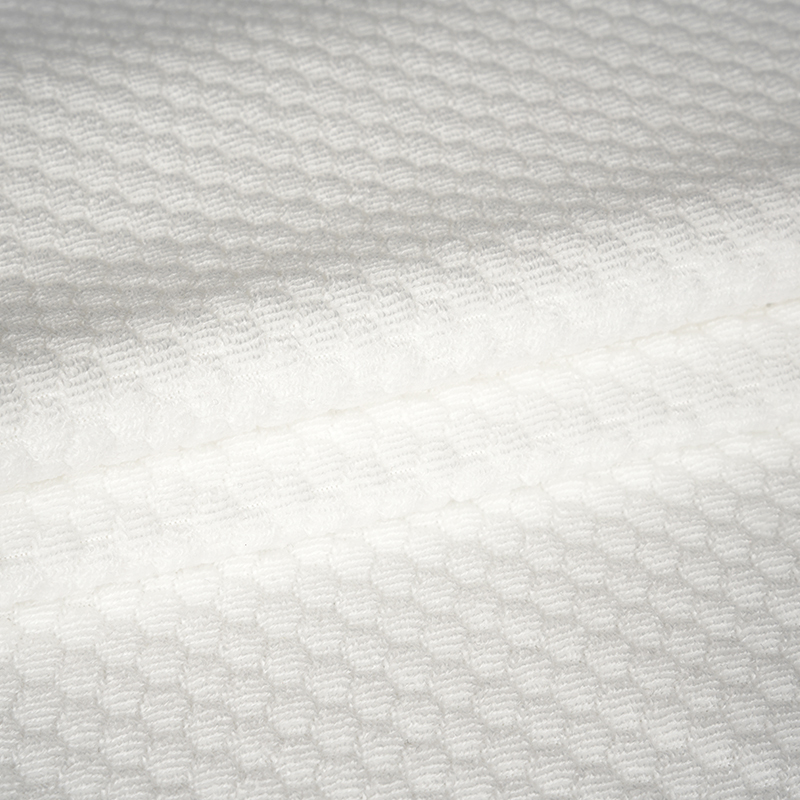
Antibacterial Yarn Children Mattress Fabric
Antibacterial Yarn Children Mattress Fabric
-
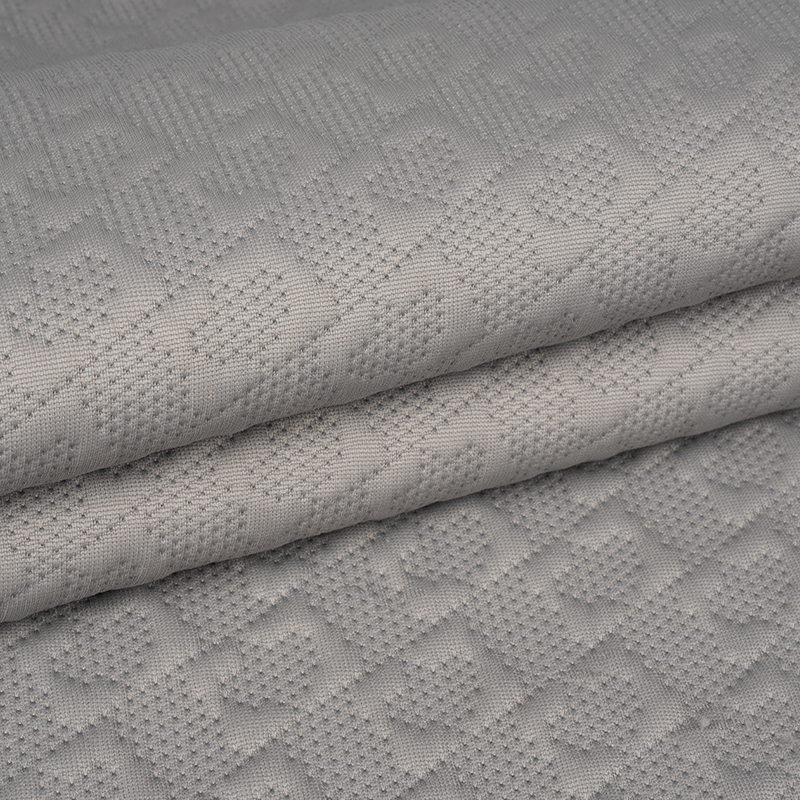
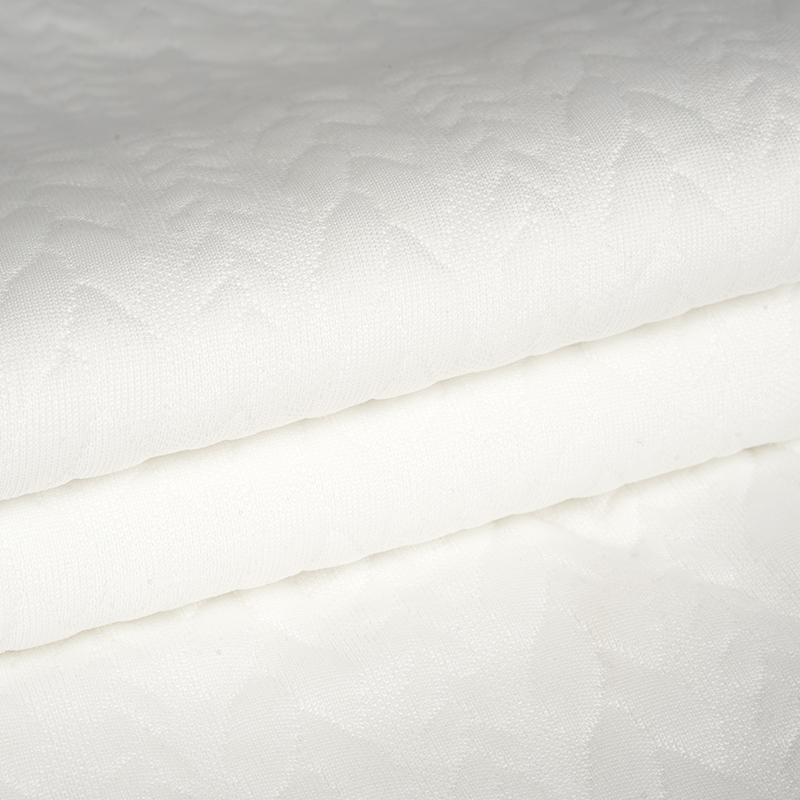
Antibacterial Yarn Children Mattress Fabric
Antibacterial Yarn Children Mattress Fabric
-
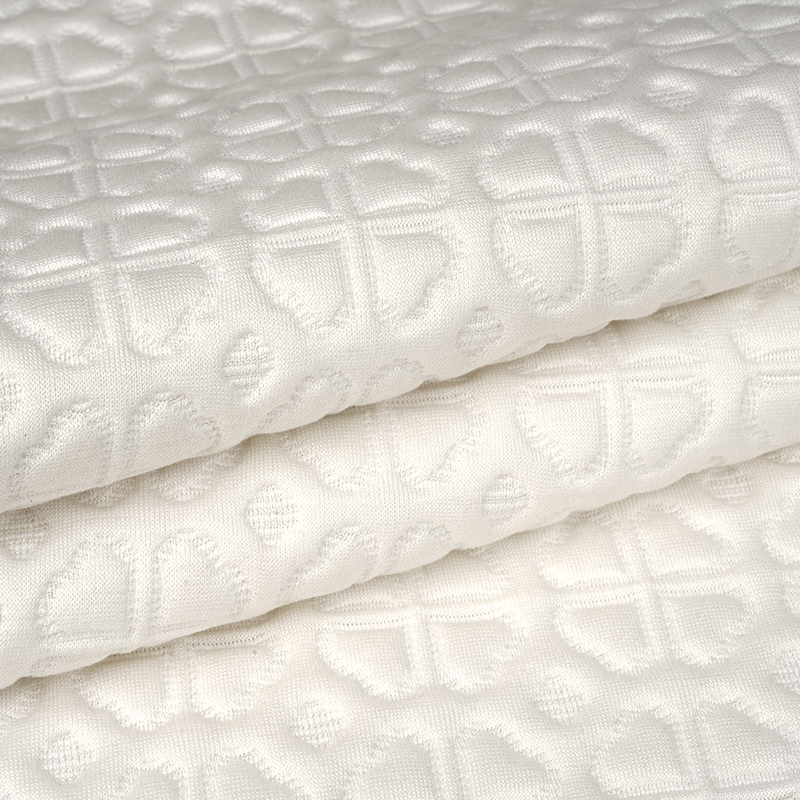
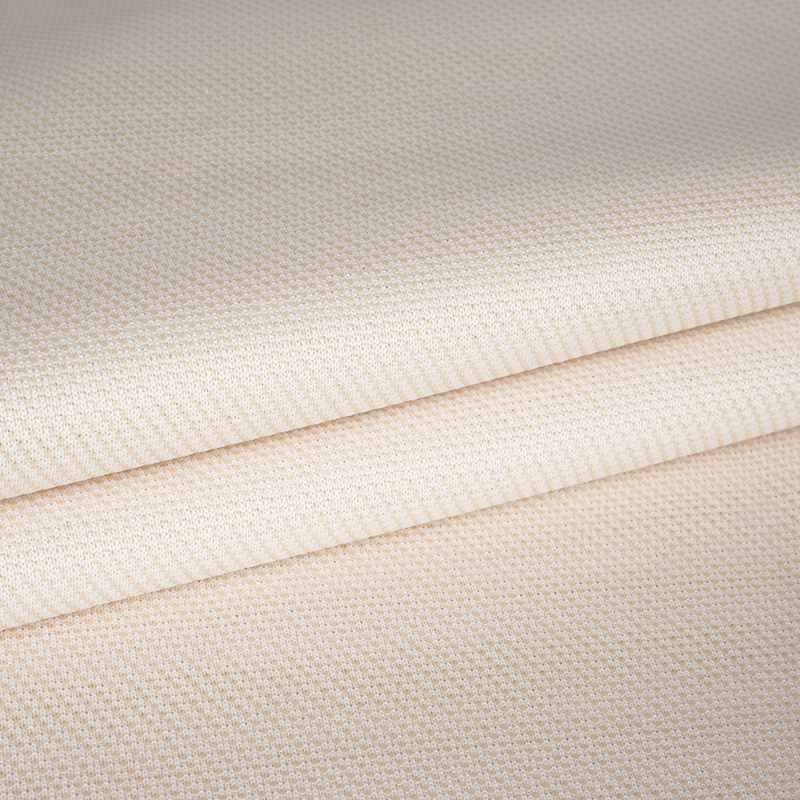
Antibacterial Yarn Children Mattress Fabric
Antibacterial Yarn Children Mattress Fabric
Haven’t Found The Products You Want?
-
-
Shen Jinyan:+86-15158070676
[email protected]
Liang Jinwen:+86-15757186621
[email protected]
Qiu Yingyingn:+86-13819545790
[email protected]
Yi qiao Town, Xiaoshan District, Hangzhou City, Zhejiang Province, China
-
Products
Mattress Fabric Children Mattress Fabric Pillowcase Fabric Pregnancy Pillow Fabric Cooling Mat Fabric Bedding Fabric Sofa Fabric Pet Friendly Fabrics -
Contact Information
About Us Products Strength Sustainability News Contact Us
Copyright © Hangzhou Xinsili Decorative Fabric Weaving Co.,Ltd. All Rights Reserved.
Functional Decorative Textile Manufacturers
