

 English
 中文简体
中文简体 Español
 عربى
عربى русский


Graphene Mattress Fabric: Functional Bedding Guide
Content
Graphene Mattress Fabric integrates graphene-based materials into textile fibers, coatings, or finishing layers to add thermal regulation, antibacterial performance, and moisture control on top of standard mattress cover durability. Specifying it correctly means matching graphene treatment method and fabric composition to the target sleep product rather than treating it as a drop-in fabric swap.
Functional Performance Metrics
Graphene integration adds measurable functional gains beyond what standard mattress textiles provide.
Faster Heat dissipation
Reduced Microbial accumulation
Improved Moisture management
Higher Abrasion resistance
How Graphene Integration Works
Graphene reaches the finished fabric through one of three integration methods, each affecting cost and performance differently.
01
Material Preparation
Graphene additives are prepared for textile integration.
02
Fiber Integration
Graphene is introduced via blending, coating, or surface finishing.
03
Fabric Formation
Material is knitted, woven, or laminated into finished fabric.
04
Functional Finishing
Antibacterial and moisture-management treatments are applied.
Graphene Fabric vs Traditional Mattress Fabric
| Factor | Graphene Mattress Fabric | Traditional Mattress Fabric |
| Thermal Regulation | Enhanced heat transfer and balance | Mainly basic covering, no active regulation |
| Hygiene | Antibacterial functional treatment | Depends on fiber type only |
| Durability | Improved wear resistance and stability | Varies by finishing quality |
| Cost | Higher material value for added function | Lower initial material cost |
Specification Checkpoint
Before committing to a supplier, confirm graphene content and dispersion quality, fabric weight in GSM, thermal conductivity data, antibacterial test results, and shrinkage rate. These five data points determine whether the fabric performs as claimed once it reaches full-scale mattress production.
Where This Fabric Is Specified
- A
Residential Mattresses
Premium home bedding products use graphene fabric to differentiate on comfort and thermal performance.
- B
Hotel and Hospitality Bedding
Guest room mattresses rely on hygiene performance and durability under frequent turnover.
- C
Healthcare Mattress Products
Antibacterial performance supports hygiene requirements in medical and nursing bedding.
- D
Smart Bedding Systems
Temperature-control bedding pairs graphene fabric with sensor-driven sleep products.
A well-specified Graphene Mattress Fabric should list graphene content, treatment method, and functional test data on the technical sheet rather than relying on general marketing claims alone.
Our Featured Products
-
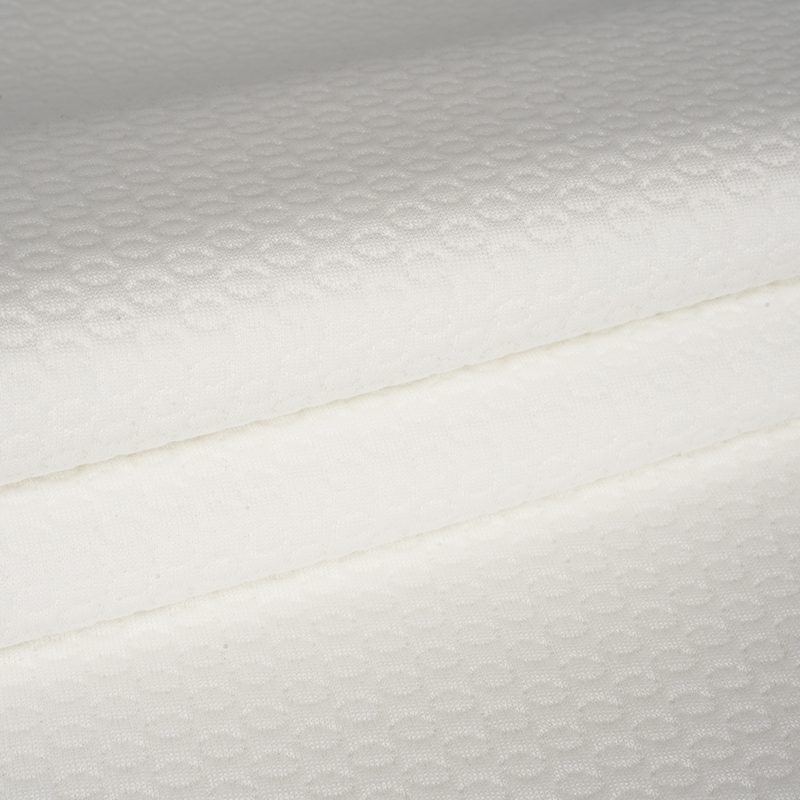
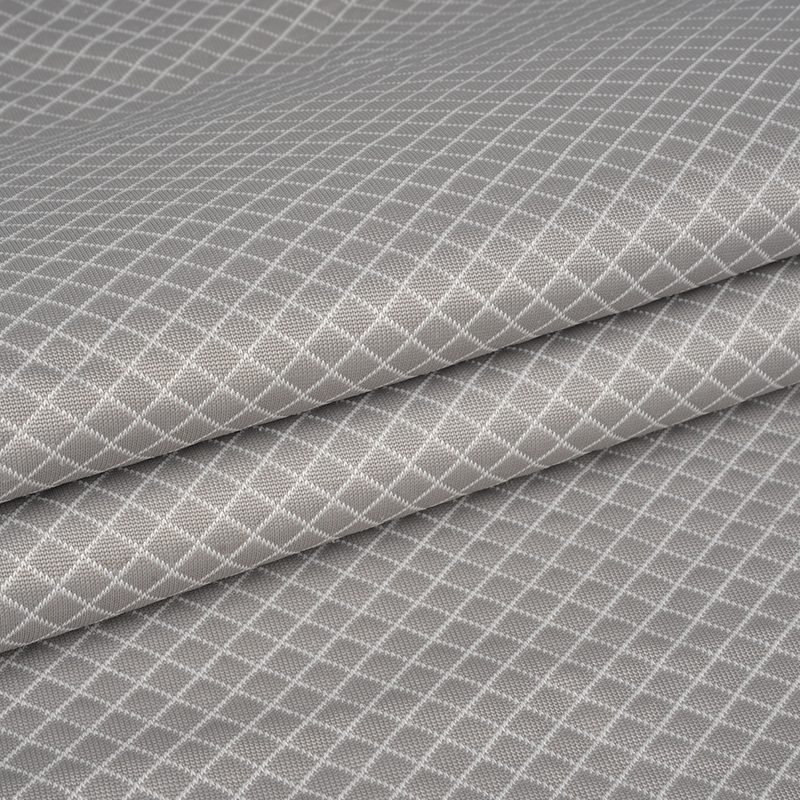
Graphene Mattress Fabric
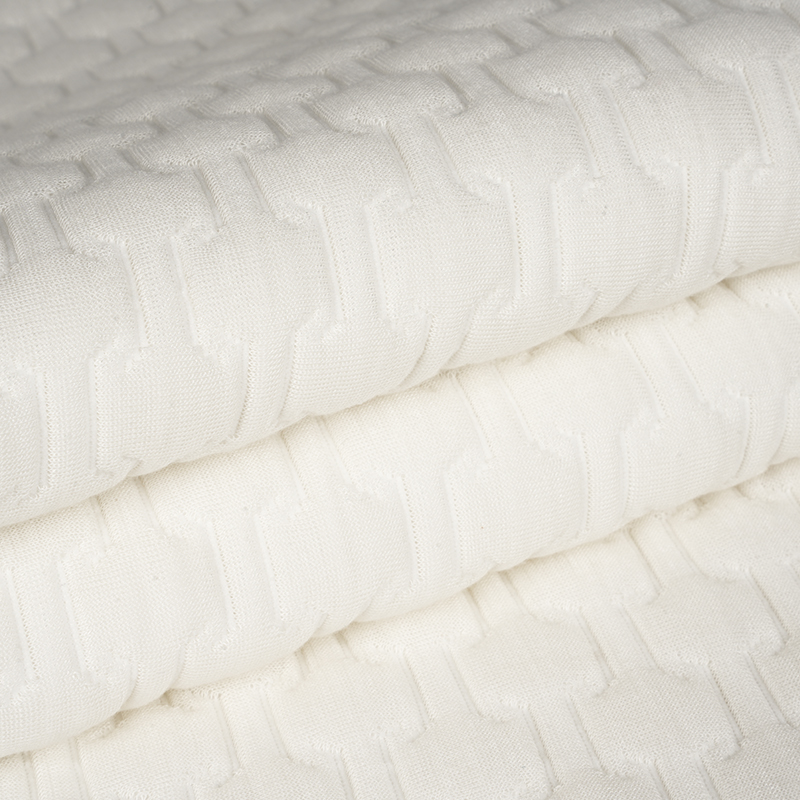
Graphene Mattress Fabric
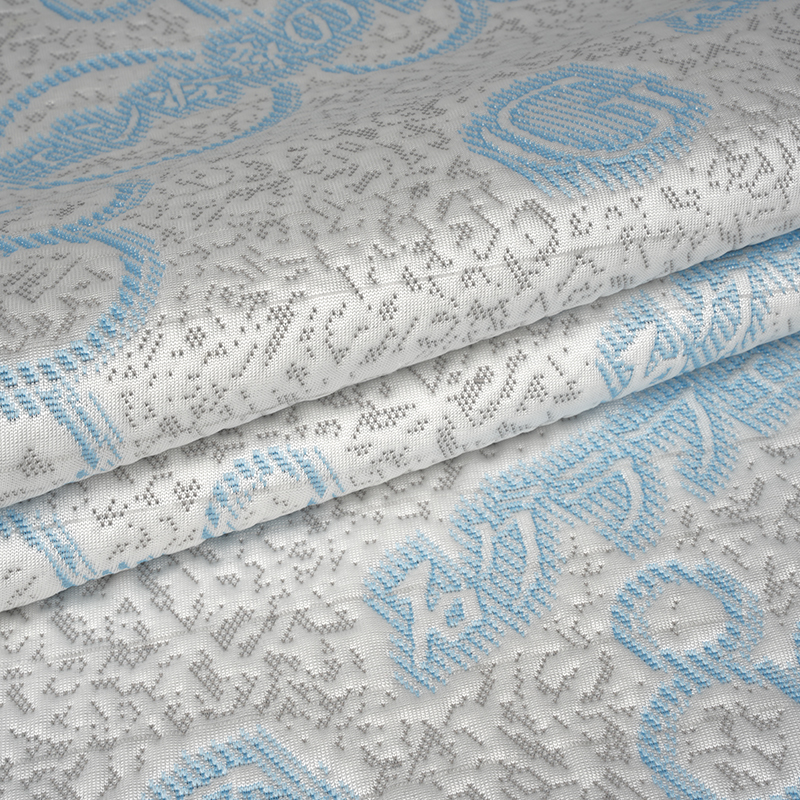
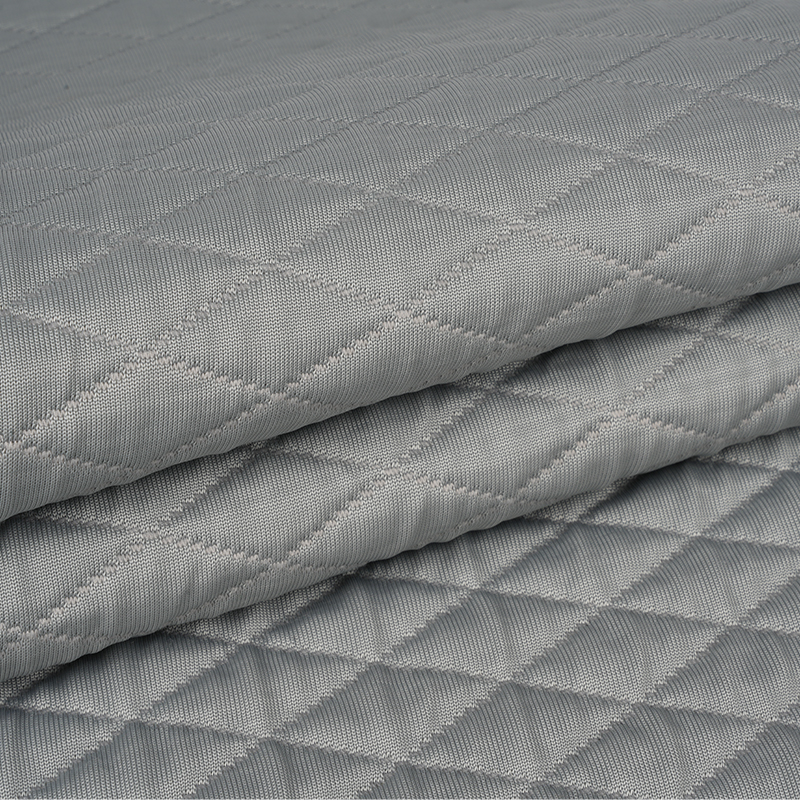
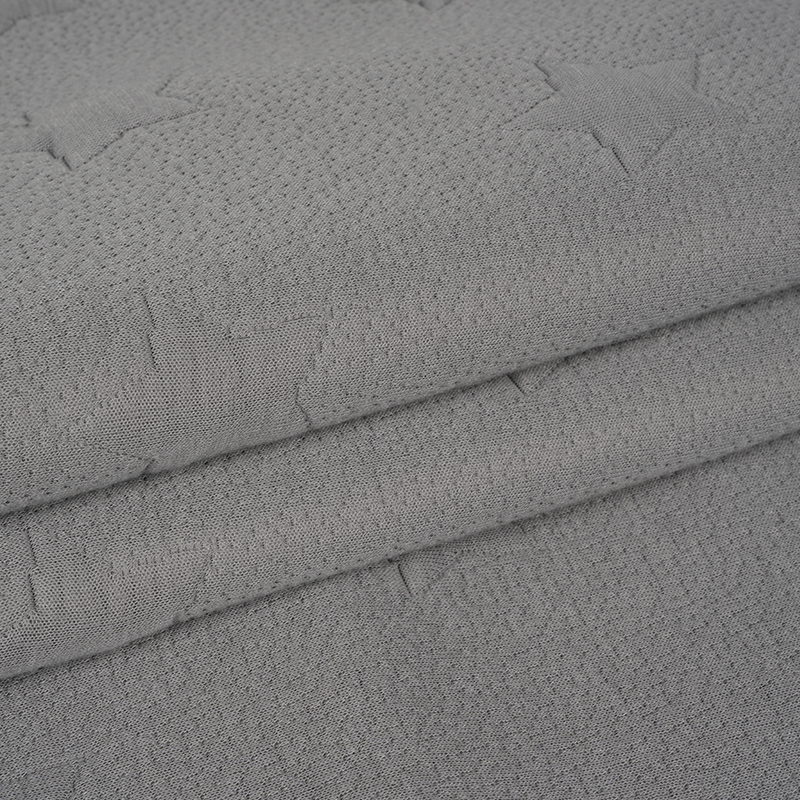
Haven’t Found The Products You Want?
-
-
Shen Jinyan:+86-15158070676
[email protected]
Liang Jinwen:+86-15757186621
[email protected]
Qiu Yingyingn:+86-13819545790
[email protected]
Yi qiao Town, Xiaoshan District, Hangzhou City, Zhejiang Province, China
-
Products
Mattress Fabric Children Mattress Fabric Pillowcase Fabric Pregnancy Pillow Fabric Cooling Mat Fabric Bedding Fabric Sofa Fabric Pet Friendly Fabrics -
Contact Information
About Us Products Strength Sustainability News Contact Us
Copyright © Hangzhou Xinsili Decorative Fabric Weaving Co.,Ltd. All Rights Reserved.
Functional Decorative Textile Manufacturers
