

 English
 中文简体
中文简体 Español
 عربى
عربى русский


How to Choose the Right Travel Neck Pillow?
Content
- 1 Understanding the Purpose of a Travel Neck Pillow
- 2 Key Structural Elements to Evaluate
- 3 Memory Foam Versus Other Fill Types
- 4 Why Cooling Fabric Matters More Than Expected
- 5 Ergonomic Design and Neck Angle
- 6 Balancing Softness With Structural Support
- 7 Pattern and Character Designs for Everyday Use
- 8 Matching the Pillow to the Situation
- 9 Choosing a Neck Pillow for Airplane Travel
- 10 Choosing a Neck Pillow for Office Naps
- 11 Cleaning and Maintenance Guidance
- 12 Frequently Asked Questions
- 12.0.1 Q1: What is a U shaped neck pillow?
- 12.0.2 Q2: How does a U shaped neck pillow support the neck?
- 12.0.3 Q3: Is memory foam better for travel neck pillows?
- 12.0.4 Q4: Can a neck pillow help reduce neck pain during travel?
- 12.0.5 Q5: What is the best neck pillow for long flights?
- 12.0.6 Q6: How do I clean a U shaped neck pillow?
Understanding the Purpose of a Travel Neck Pillow
Long journeys by air, train, or car put continuous strain on the cervical spine because the head is left unsupported for hours at a time. A U shaped neck pillow is designed to fill the gap between the shoulder and the head, keeping the neck in a more neutral position during rest. Unlike flat cushions or rolled-up jackets, a properly shaped pillow distributes pressure around the base of the skull and both sides of the neck rather than concentrating it in one spot.
The shape itself is not decorative. The open front allows the chin to rest without being pushed upward, which reduces the chance of waking up with a stiff neck or a sore jaw. This is one reason the U shape has remained the standard silhouette for portable neck support for decades, even as materials and covers have evolved.
What separates a well-designed pillow from a mediocre one usually comes down to how it behaves after the first hour of use, not how it feels when first picked up in a store or unboxed at home. A cushion that feels plush on initial contact may compress unevenly once real body weight and heat are applied over an extended period, while a slightly firmer option may hold its shape and continue providing meaningful support well into hour four or five of a journey. This is why evaluating construction details, rather than surface impressions alone, tends to produce a more satisfying long-term purchase.
Choosing the right pillow also depends heavily on personal travel habits. Someone who flies twice a year on short domestic routes has very different requirements than someone commuting daily on a train or spending several hours a week on long-haul international flights. The sections below break down the specific structural, material, and situational factors worth weighing before making a decision.
Key Structural Elements to Evaluate
Before comparing styles or patterns, it helps to understand the physical components that determine how a neck pillow performs. Four elements matter most: core material, cover fabric, height profile, and closure design.
Core Material
Determines how much the pillow compresses and rebounds under the weight of the head.
Cover Fabric
Affects breathability, temperature regulation, and how the pillow feels against bare skin.
Height Profile
Controls whether the head tilts forward, backward, or stays level during rest.
Closure Design
Allows the pillow to be worn open around the neck or clipped shut for compact storage.
Memory Foam Versus Other Fill Types
A memory foam U shaped neck pillow is often recommended for longer trips because the material slowly conforms to the contours of the neck and shoulders under body heat and pressure, then returns to its original shape once the pressure is released. This behavior is different from micro-bead or polyester fiber fills, which stay firmer and bounce back immediately but offer less contouring.
| Fill Type | Support Level | Recovery Speed | Best Use Case |
|---|---|---|---|
| Memory Foam | High, contouring | Slow rebound | Flights over three hours |
| Micro-bead | Moderate | Fast rebound | Short commutes |
| Polyester Fiber | Soft, low density | Fast rebound | Casual home naps |
| Inflatable | Adjustable | Instant deflate | Packing light |
Independent sleep studies on cervical support cushions have generally found that slower-recovery foams reduce the number of position changes a person makes during rest, which correlates with fewer reported instances of neck stiffness after waking.
Density is another factor worth understanding beyond the basic fill type. Two memory foam pillows can feel very different depending on how tightly the foam cells are packed. A lower density foam will feel softer initially but may bottom out under sustained pressure, effectively losing its supportive properties after an hour or two of continuous contact. A higher density foam resists this compression for longer, which is particularly relevant on overnight flights or extended train journeys where the head remains in roughly the same position for many consecutive hours.
It is also worth considering how a pillow performs after repeated compression cycles over weeks or months of regular use. Foam that has been compressed into a travel pouch hundreds of times will naturally lose some of its original loft, but higher quality memory foam formulations tend to retain functional support for longer than basic fiber fills, which can flatten permanently after only a handful of uses.
Why Cooling Fabric Matters More Than Expected
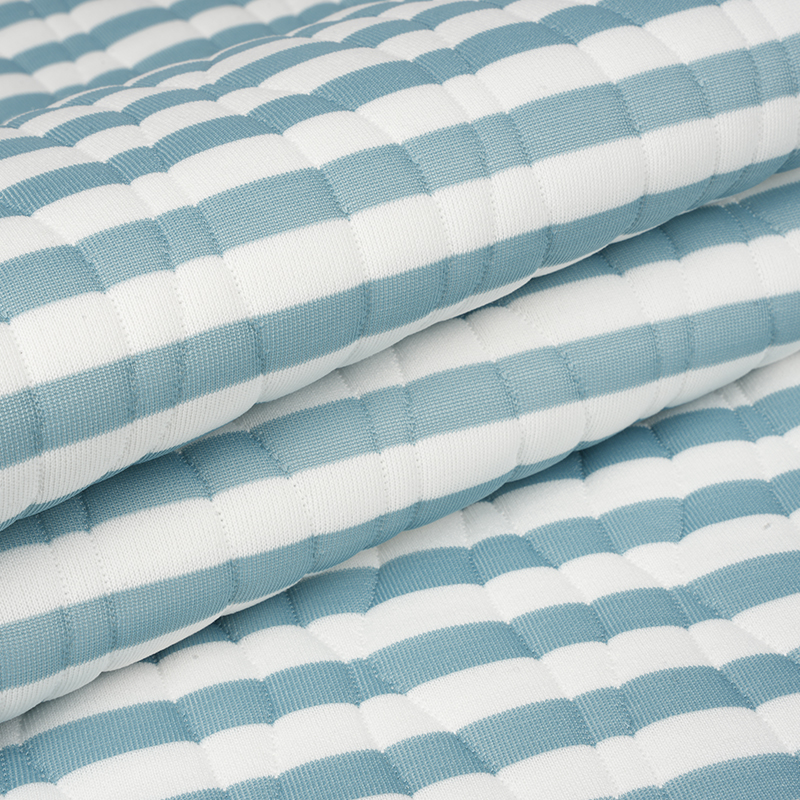
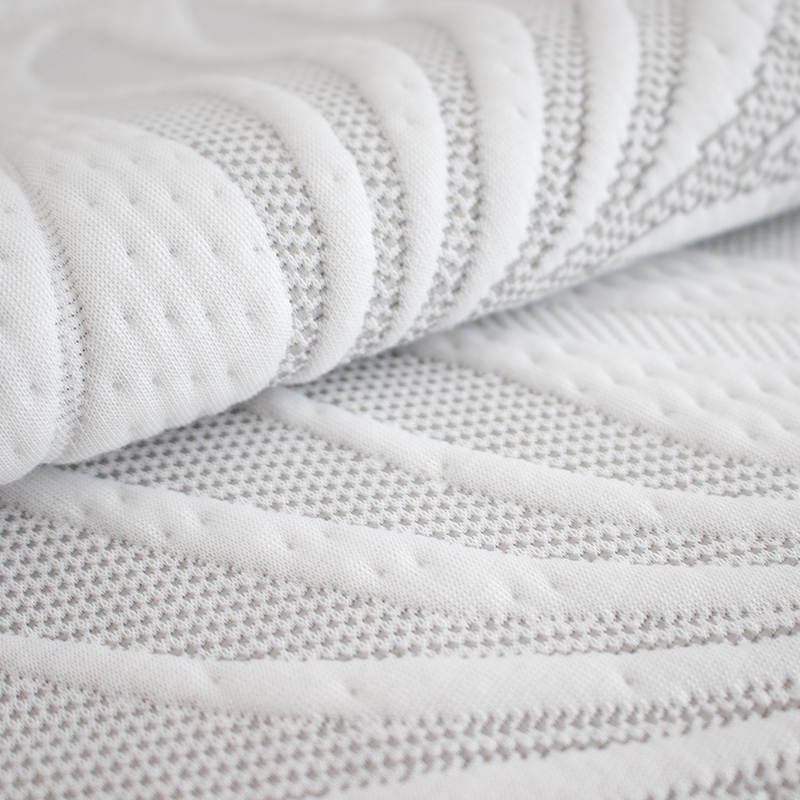
Body heat builds up quickly in any fabric pressed against the skin for hours, and the neck and shoulder area is no exception. A cooling bubble fabric U neck pillow uses a textured, raised-knit surface that limits direct skin contact and allows air to circulate underneath. This is particularly useful in warm cabins, overnight buses, or office environments without strong air conditioning.
Cooling textiles typically rely on one or more of the following approaches:
- Moisture-wicking yarns that pull sweat away from the skin surface
- Raised bubble or waffle knit patterns that reduce total contact area
- Breathable mesh panels placed at pressure points
- Fabric blends with a naturally lower thermal retention than standard plush covers
Travelers who report waking up with a damp or overheated neck area often find that switching to a textured cooling cover resolves the issue without needing to change the internal foam.
Temperature regulation matters more on longer journeys because heat buildup tends to compound over time. During the first thirty minutes of use, most fabrics feel similar regardless of their construction. By hour three or four, however, the difference becomes noticeable. A standard plush velvet-style cover traps heat against the skin, which can lead to a clammy sensation that actually interrupts rest rather than supporting it. A textured cooling fabric, by contrast, maintains a small air gap between the skin and the material, allowing heat to dissipate gradually rather than accumulating.
Climate and route type should factor into this decision as well. A pillow used primarily on short winter flights in a cool cabin may not need aggressive cooling technology, while one used on a warm regional bus route or during summer travel through humid climates benefits significantly from a breathable, textured surface.
Ergonomic Design and Neck Angle
An ergonomic U shaped neck pillow is shaped to keep the cervical spine close to its natural curve rather than forcing the chin toward the chest or tilting the head sharply to one side. The angle at which the pillow supports the jaw and the depth of the side wings both influence this outcome.
Balancing Softness With Structural Support
A soft U shaped neck pillow is appealing on first touch, but softness alone does not guarantee good support. A pillow that compresses completely under the weight of the head loses its shape and stops holding the neck in position, which can defeat the purpose entirely. The most effective designs pair a plush outer layer with a denser inner core, so the surface feels comfortable while the structure underneath continues to do the supporting work.
When testing softness in person or reading product descriptions, consider these three questions:
- Does the pillow return to its shape within a few seconds after pressure is released
- Does the side wall remain upright when the pillow is set on a flat surface
- Does the material feel noticeably different after repeated compression over multiple uses
A useful way to think about this balance is to imagine the pillow as having two separate jobs. The outer layer is responsible for comfort against the skin, preventing chafing or pressure points where the fabric meets the jaw and neck. The inner structure is responsible for actually holding the head in a supported position for hours at a time. A pillow that only succeeds at the first job while failing at the second will feel pleasant for the first few minutes but will not deliver meaningful support once a person has fallen asleep and stopped consciously adjusting their posture.
Manufacturers sometimes address this by layering two different foam densities within a single pillow, using a softer top layer over a firmer base. This construction approach allows the cushion to feel gentle on first contact while still resisting full compression when weight is applied for extended periods, offering a practical middle ground between plush comfort and structural reliability.
Pattern and Character Designs for Everyday Use
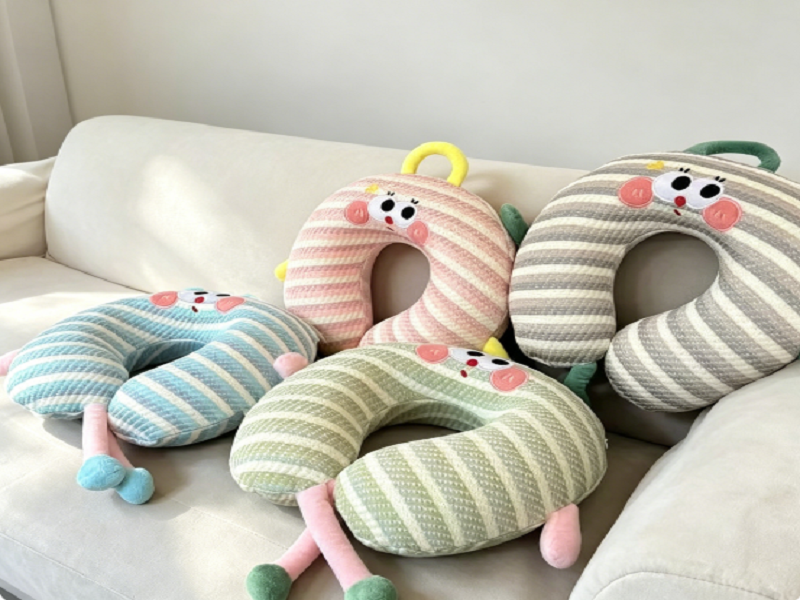
Beyond function, many travelers now prefer pillows with playful or expressive covers rather than plain solid colors. A striped cute character travel neck pillow or a cartoon cooling memory foam U shaped neck pillow can make a cushion easier to spot on a luggage belt or in an overhead bin, while also feeling less clinical than a plain medical-style support product. This is particularly relevant for students, younger travelers, and anyone who uses the pillow visibly in shared spaces like classrooms, offices, or open-plan trains.
Pattern choice does not need to compromise performance. Printed or embroidered covers can be applied over the same memory foam and cooling fabric cores described earlier, meaning the decorative layer and the functional layer are largely independent decisions.
There is also a practical benefit to distinctive patterns beyond aesthetics. On a crowded luggage carousel or in a shared overhead bin, a plain gray or black pillow can be difficult to distinguish from dozens of similar items. A pillow with a recognizable striped pattern or a printed character design is easier to spot at a glance, reducing the small daily friction of searching through a bag or bin. For parents traveling with children, a character-printed pillow can also make the experience of resting during a flight feel more familiar and less stressful, particularly for younger travelers who may be anxious about long journeys.
Matching the Pillow to the Situation
Not every U pillow needs to serve every purpose. Matching the design to the specific use case tends to produce better long-term satisfaction than choosing a single all-purpose option.
| Situation | Recommended Feature | Why It Matters |
|---|---|---|
| Long-haul flight | Dense memory foam, adjustable strap | Maintains shape through many hours of sitting upright |
| Office desk nap | Cooling bubble fabric, lightweight core | Prevents overheating in enclosed indoor air |
| Road trip passenger seat | Firm side wings | Resists sideways head movement during turns |
| Daily commute | Compact fold or clip closure | Fits easily into a bag between uses |
The right neck pillow is less about brand reputation and more about matching material density, cover breathability, and shape to the specific hours and posture a person will actually experience.
Choosing a Neck Pillow for Airplane Travel
A neck pillow for airplane travel has to withstand a specific set of conditions: a semi-reclined seated position, cabin air that is often dry and cool, and several uninterrupted hours without repositioning. For this environment, a firmer core tends to outperform an overly soft one, since it needs to keep working even after being compressed for a long stretch.
Packability is also a practical concern. Many travelers now prefer pillows that compress into a small pouch or fold flat, since overhead bin and personal item space is limited on most carriers. A pillow that springs back to full shape after being compressed in a bag for a full outbound flight is generally a better long-term investment than one that gradually flattens with repeated packing.
Choosing a Neck Pillow for Office Naps
A neck pillow for office naps serves a different purpose than a travel pillow, even though the shape looks similar. Office use tends to involve shorter rest periods, often twenty to thirty minutes, in a seated position at a desk rather than a reclined airplane seat. For this setting, a lighter, more breathable pillow is usually preferable, since the goal is quick, comfortable rest rather than multi-hour endurance support.
Desk environments also tend to be warmer than airplane cabins due to enclosed office air systems, which makes cooling bubble fabric or moisture-wicking covers especially useful for this specific use case.
Another practical consideration for office use is discretion. Many people prefer a pillow that can be quickly stored in a desk drawer or bag between naps rather than one that takes up visible space on a desk throughout the day. Compact, foldable designs without bulky straps or clips tend to suit this environment better than the larger, more structured pillows built primarily for overnight travel. Noise is also worth considering in an open office setting, since pillows with crinkly synthetic covers can be distracting to nearby colleagues compared to quieter knit or woven fabrics.
Cleaning and Maintenance Guidance
Regardless of style, a neck pillow accumulates oils, sweat, and dust over repeated use, particularly around the areas that touch the jaw and neck. Maintaining the cover extends the usable life of the pillow and keeps the cooling properties of the fabric intact.
- Check the care label before washing, since foam cores and covers often require different handling
- Remove any zip-off cover and wash it separately on a gentle cycle when possible
- Spot clean the foam core with a mild solution rather than fully submerging it in water
- Air dry completely before reuse to prevent trapped moisture inside the foam
- Avoid direct high heat, which can break down foam structure over time
- Rotate between two pillows if used daily, allowing each one time to fully air out between sessions
- Store in a breathable bag rather than a sealed plastic pouch to prevent trapped moisture and odor buildup
Frequency of washing depends heavily on how often the pillow is used. A pillow used daily for office naps will accumulate oils and skin contact far faster than one used only a few times a year for vacation travel, and should be cleaned on a more regular schedule as a result. Paying attention to early signs of wear, such as a cover that no longer feels breathable or foam that stays compressed longer than it used to, can help determine when it is time to replace the pillow entirely rather than continuing to clean an item that has already lost its structural effectiveness.
Frequently Asked Questions
Q1: What is a U shaped neck pillow?
A U shaped neck pillow is a curved cushion designed to wrap around the back and sides of the neck, filling the gap between the shoulders and the head to provide support during rest in a seated position.
Q2: How does a U shaped neck pillow support the neck?
It cradles the head from both sides and behind, preventing it from dropping forward or tipping sharply to one shoulder, which helps keep the cervical spine closer to a neutral resting position.
Q3: Is memory foam better for travel neck pillows?
Memory foam tends to offer more consistent contouring and support over long periods compared to lighter fills, making it a strong option for extended trips, though lighter fills can suit shorter rest periods.
Q4: Can a neck pillow help reduce neck pain during travel?
A well-fitted neck pillow can reduce the repeated small movements and muscle tension that often lead to soreness after long periods of sitting upright, though it does not address pain caused by underlying medical conditions.
Q5: What is the best neck pillow for long flights?
For long flights, a denser core that maintains its shape over many hours, paired with a breathable cover and an adjustable closure, generally performs better than a very soft or lightweight design.
Q6: How do I clean a U shaped neck pillow?
Most pillows have a removable cover that can be machine washed on a gentle cycle, while the foam core should be spot cleaned and fully air dried to avoid trapping moisture inside the material.
Our Featured Products
-
Cotton Pregnancy Pillow Fabric
Cotton Pregnancy Pillow Fabric
Haven’t Found The Products You Want?
-
-
Shen Jinyan:+86-15158070676
[email protected]
Liang Jinwen:+86-15757186621
[email protected]
Qiu Yingyingn:+86-13819545790
[email protected]
Yi qiao Town, Xiaoshan District, Hangzhou City, Zhejiang Province, China
-
Products
Mattress Fabric Children Mattress Fabric Pillowcase Fabric Pregnancy Pillow Fabric Cooling Mat Fabric Bedding Fabric Sofa Fabric Pet Friendly Fabrics -
Contact Information
About Us Products Strength Sustainability News Contact Us
Copyright © Hangzhou Xinsili Decorative Fabric Weaving Co.,Ltd. All Rights Reserved.
Functional Decorative Textile Manufacturers
