

 English
 中文简体
中文简体 Español
 عربى
عربى русский


Polyester Mattress Ticking Fabric: Buyer's Guide
Content
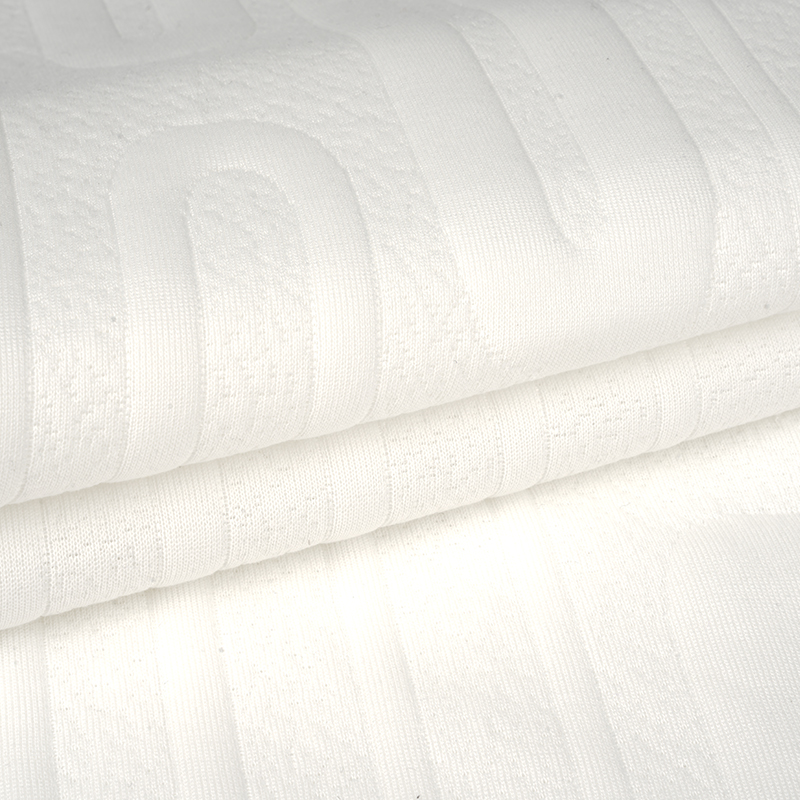
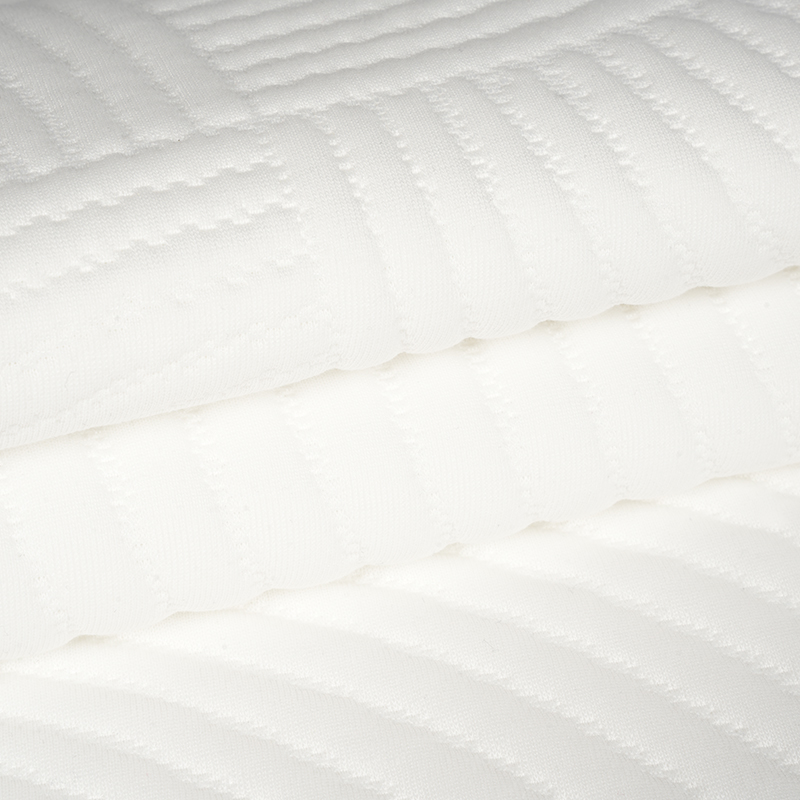
A polyester mattress ticking fabric is the outer layer that takes the daily wear a mattress core never has to face directly, absorbing friction, pressure, and repeated washing while still needing to feel good against skin. Getting the knitting structure and finishing right matters as much as the fiber choice itself.
What Ticking Fabric Actually Has to Do
Beyond appearance, a polyester mattress ticking fabric has to survive years of abrasion, resist moisture buildup, and hold color and shape through repeated cleaning, all while staying comfortable enough to sleep on directly.
- Fiber selection — strength and softness requirements set at the raw material stage.
- Yarn and structure — knitting or weaving method decides stretch and breathability.
- Surface finishing — brushing and softening treatments improve hand feel.
- Functional coating — anti-bacterial, anti-mite, or waterproof layers add performance.
From Fiber to Finished Ticking
1
Fiber prep2
Yarn spinning3
Knit or weave4
Dye and finishPolyester Ticking vs Cotton Ticking
| Feature | Polyester Ticking | Cotton Ticking |
| Durability | High abrasion resistance | Moderate durability |
| Drying speed | Fast drying | Slower drying |
| Wrinkle resistance | Excellent | Lower |
| Customization | Wide range of functional treatments | More limited |
5+
Functional finishes commonly available on polyester ticking, including anti-bacterial, anti-mite, waterproof, and flame-retardant treatments, letting one base fabric serve very different markets.
Where This Fabric Gets Used
Polyester mattress ticking fabric covers residential foam and spring mattresses, hotel and hospitality bedding programs, memory foam and hybrid mattress covers, and healthcare mattresses, with functional finishing typically changing more between these markets than the base structure.
Choosing a Manufacturer
Buyers sourcing polyester mattress ticking fabric for OEM production should confirm documented abrasion and color fastness results, consistent GSM across batches, and the ability to customize knitting structure, pattern, and functional finish for a specific product line.
Frequently Asked Questions
What's the difference between mattress fabric and mattress ticking?
Ticking specifically refers to the outer covering layer of a mattress, while mattress fabric is the broader material category it's cut from.
Does knitting structure affect stretch on memory foam covers?
Yes, warp or circular knitted structures generally offer more stretch than woven ticking, which matters for covers that need to move with foam layers.
Can ticking fabric be both waterproof and breathable?
Certain laminated or coated finishes achieve both, though there is typically a performance trade-off between full waterproofing and maximum air permeability.
How often should mattress ticking be replaced commercially?
Hospitality operators often replace covers based on visible wear or a set rotation schedule rather than a fixed lifespan, since heavy daily use varies widely between properties.
Our Featured Products
-
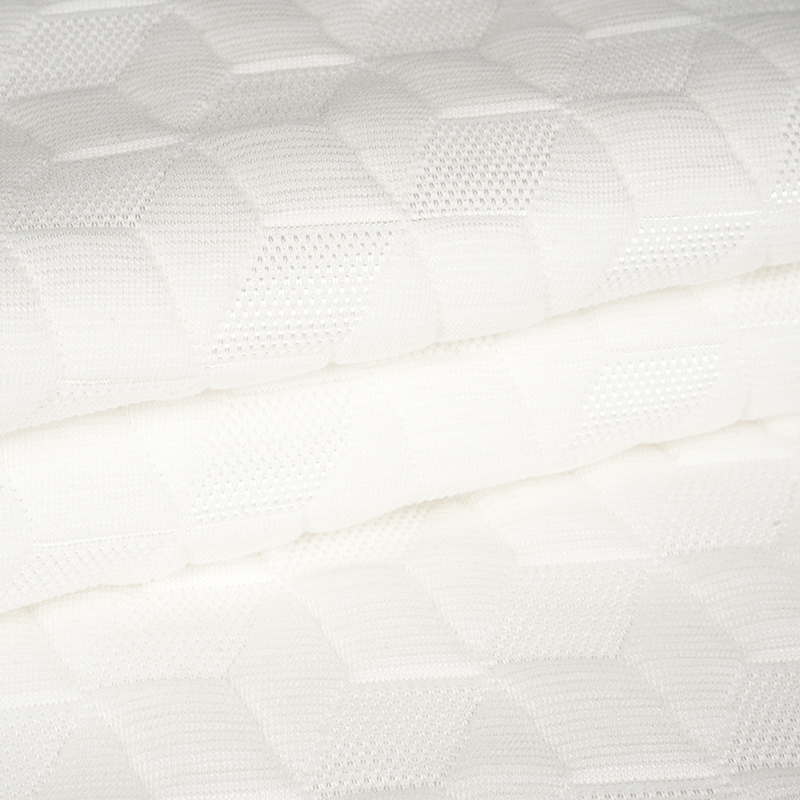
Polyester Mattress Fabric
Polyester Mattress Fabric
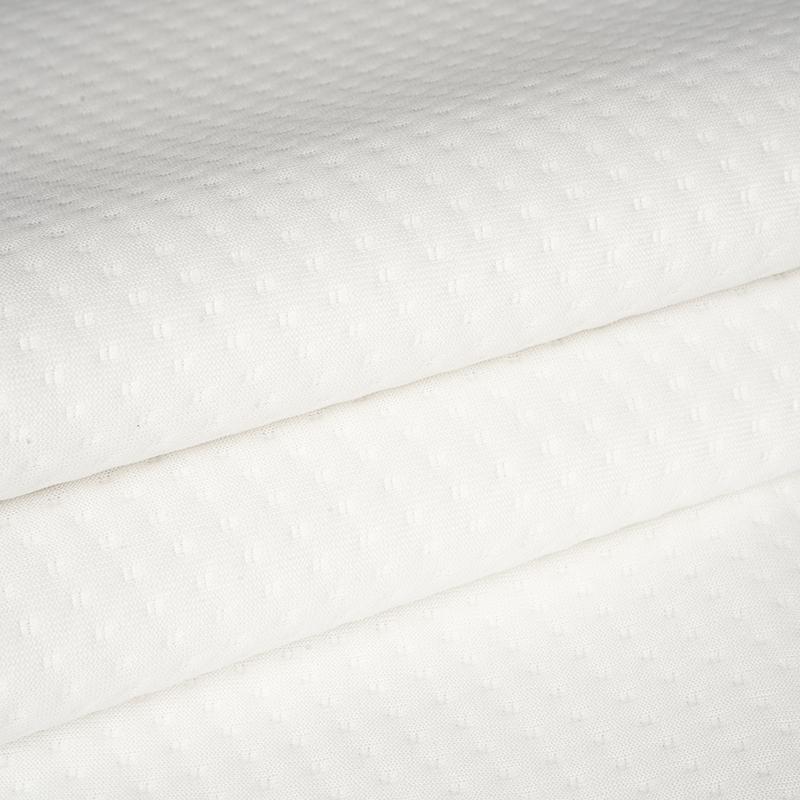
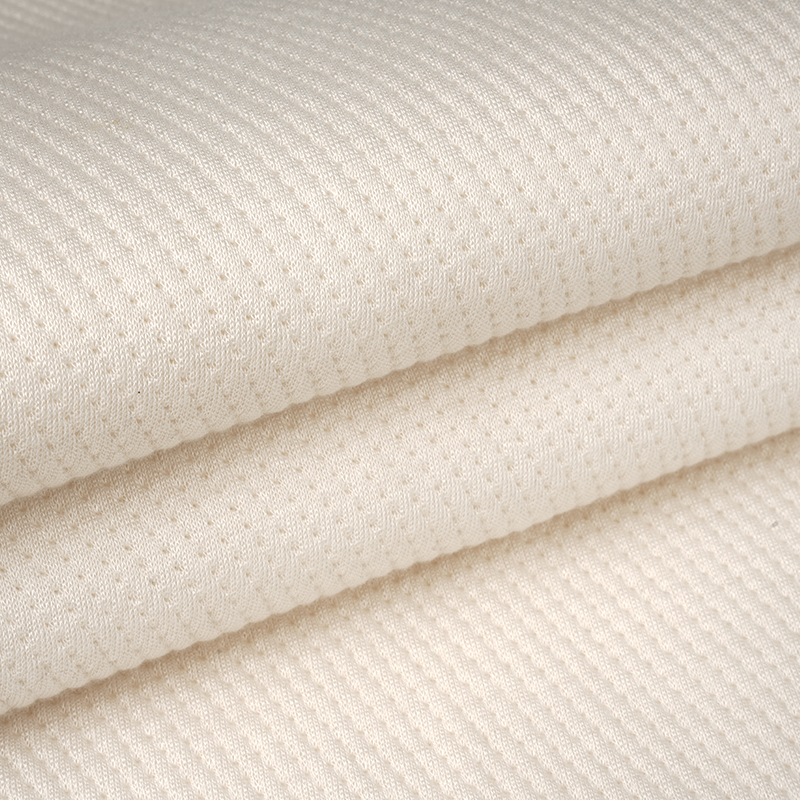
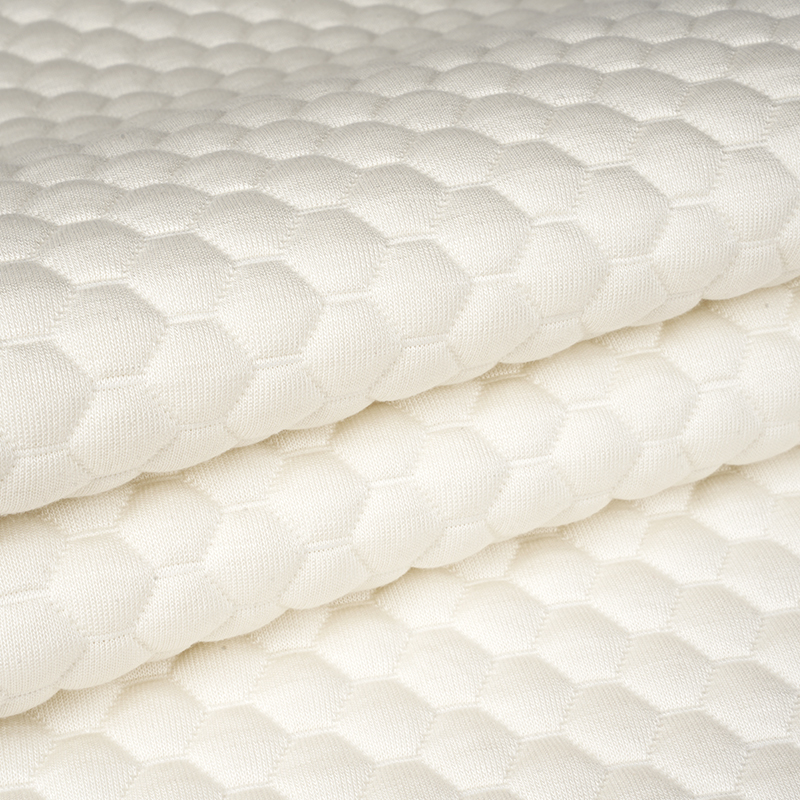
Haven’t Found The Products You Want?
-
-
Shen Jinyan:+86-15158070676
[email protected]
Liang Jinwen:+86-15757186621
[email protected]
Qiu Yingyingn:+86-13819545790
[email protected]
Yi qiao Town, Xiaoshan District, Hangzhou City, Zhejiang Province, China
-
Products
Mattress Fabric Children Mattress Fabric Pillowcase Fabric Pregnancy Pillow Fabric Cooling Mat Fabric Bedding Fabric Sofa Fabric Pet Friendly Fabrics -
Contact Information
About Us Products Strength Sustainability News Contact Us
Copyright © Hangzhou Xinsili Decorative Fabric Weaving Co.,Ltd. All Rights Reserved.
Functional Decorative Textile Manufacturers
