

 English
 中文简体
中文简体 Español
 عربى
عربى русский


How to Choose Antibacterial Yarn Mattress Fabric for Hygienic Bedding
Content
Antibacterial yarn mattress fabric is a functional textile engineered to inhibit bacterial growth, reduce odors, and maintain hygiene in bedding products. The antibacterial properties are achieved through silver ion technology, natural bamboo fibers, or specialized antimicrobial treatments integrated during yarn production. This antibacterial yarn mattress fabric provides mattress manufacturers with a competitive advantage in the growing market for health-conscious sleep products, combining hygiene protection with comfort and durability.
99.9% bacterial reduction rate
50+ wash cycles maintaining efficacy
4 fiber type options
How antibacterial technology works
The antibacterial function in mattress fabrics is achieved through several mechanisms. Silver ion technology is the most widely adopted method — silver ions penetrate bacterial cell walls, disrupt metabolic processes, and prevent reproduction. This mechanism provides continuous protection throughout the fabric's lifecycle. Natural bamboo fibers contain bamboo kun, a substance with inherent antibacterial properties that remains effective without chemical treatments. Some manufacturers use organic antimicrobial agents such as chitosan or zinc-based compounds integrated during fiber extrusion. A antibacterial yarn mattress fabric with silver ion treatment typically maintains 99.9 percent bacterial reduction even after 50+ washes, making it suitable for long-term mattress applications where hygiene is paramount.
◆
Silver ion 99.9% reduction · 50+ washes · Premium grade
◆
Bamboo fiber Natural antimicrobial · Soft · Eco-friendly
◆
Organic agents Chitosan · Zinc · Chemical-free option
Fiber types and performance
Antibacterial yarn mattress fabric is available in multiple fiber compositions. Silver ion polyester fabrics offer the highest durability and most consistent antibacterial performance, making them the preferred choice for commercial mattresses, hotels, and healthcare facilities. Bamboo-based fabrics provide natural softness and moisture absorption, ideal for premium household mattresses. Polyester-cotton blends balance cost and performance for mid-range products. The choice of fiber also affects breathability — bamboo and cotton blends offer superior air permeability (200–400 mm/s) compared to pure polyester (150–250 mm/s), contributing to temperature regulation during sleep.
A
Silver ion polyester
Max durability
Commercial grade
PremiumB
Bamboo fiber
Natural softness
Breathable
EcoC
Polyester-cotton
Balanced cost
Versatile use
StandardManufacturing process
The production of antibacterial yarn mattress fabric involves multiple stages. Fiber production begins with polymer extrusion, where antibacterial agents are incorporated into the fiber matrix — this method ensures the antibacterial properties are permanent. For fabrics using surface finishing, the antibacterial agent is applied after weaving through pad-dry-cure processes. The fabric construction — knitted or woven — affects the final product's elasticity, breathability, and surface texture. Knitted fabrics offer 30–50 percent stretch; woven fabrics provide superior dimensional stability. Quality testing includes antibacterial activity assays (AATCC 100 or ISO 20743), tensile strength testing, and color fastness to washing and light.
01 Fiber extrusion with antibacterial agents
02 Yarn spinning and blending
03 Knitting or weaving construction
04 Testing and quality inspection
Application guide
Household mattresses Bamboo or silver ion · 200–300 GSM · Soft finish
Hotel mattresses Silver ion polyester · 250–350 GSM · Durable
Healthcare bedding Silver ion · 300–400 GSM · High durability
Baby mattresses Bamboo · 180–250 GSM · Gentle · Breathable
Selection checklist
Determine required antibacterial efficacy percentage
Select fiber type based on end-use application
Specify fabric weight (GSM) for mattress type
Verify wash durability cycle count
Request antibacterial test reports (AATCC 100)
Evaluate breathability and moisture properties
Care and maintenance
To preserve the antibacterial properties of mattress fabric, proper care is essential. Most antibacterial yarn mattress fabrics can be machine washed at 40 degrees Celsius with mild detergent. Avoid bleach and fabric softeners, which can degrade the antibacterial treatment. Tumble drying at low heat is recommended — high heat can damage functional fibers. For silver ion fabrics, washing actually reactivates the silver ions through oxidation, meaning the antibacterial efficacy can be maintained throughout the product's useful life. Regular cleaning every 3–6 months for household mattresses ensures optimal hygiene performance.
Our Featured Products
-
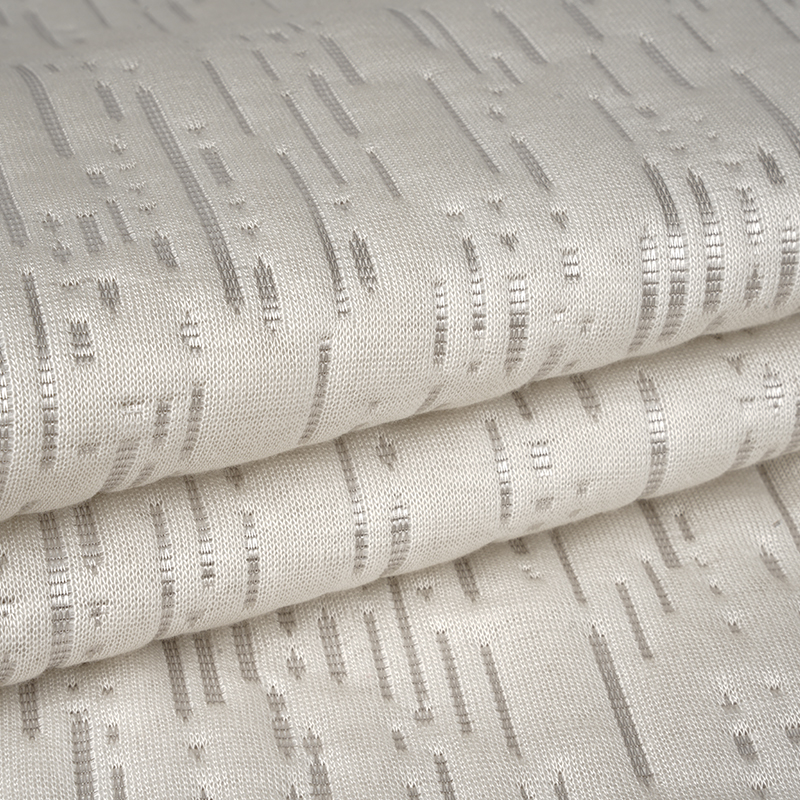
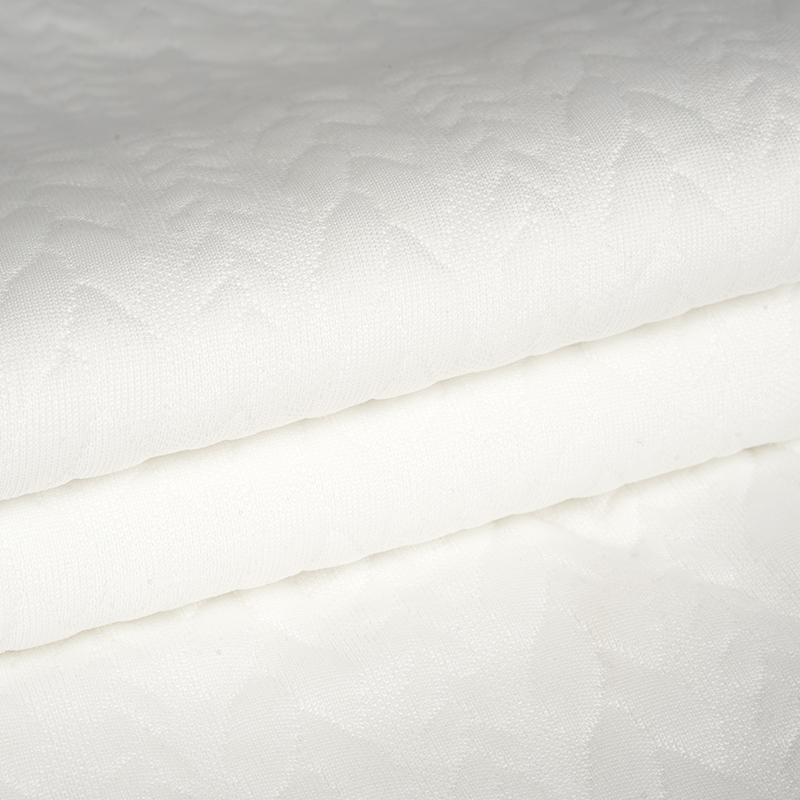
Antibacterial Yarn Children Mattress Fabric
Antibacterial Yarn Children Mattress Fabric
-
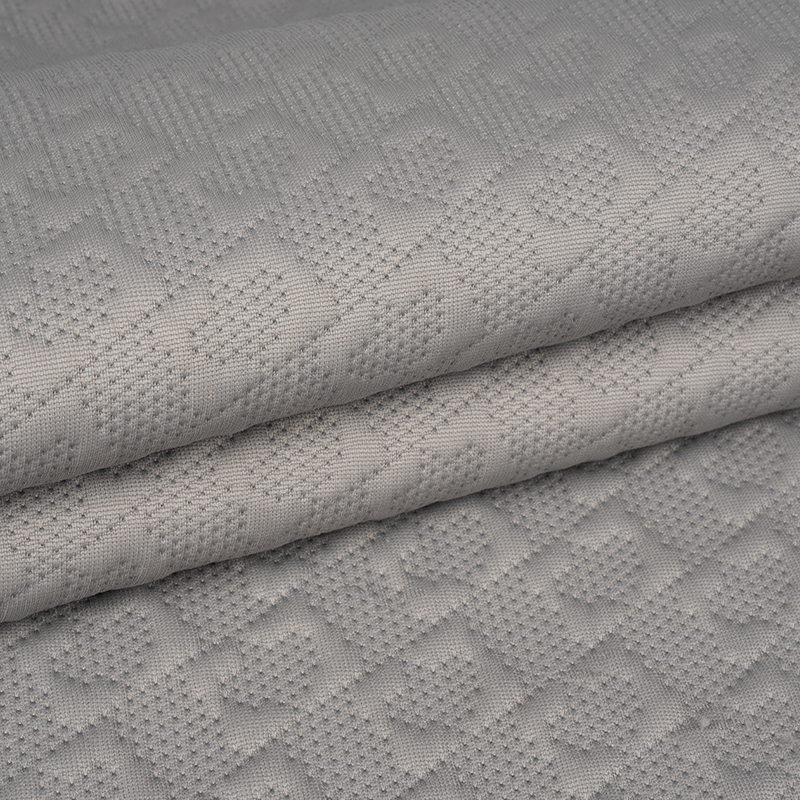
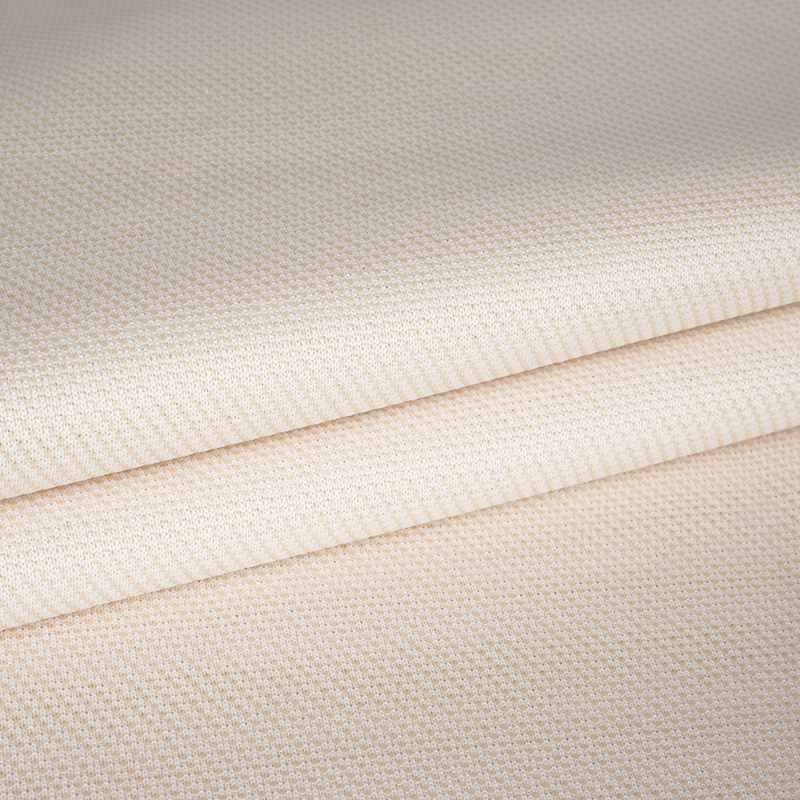
Antibacterial Yarn Children Mattress Fabric
Antibacterial Yarn Children Mattress Fabric
-
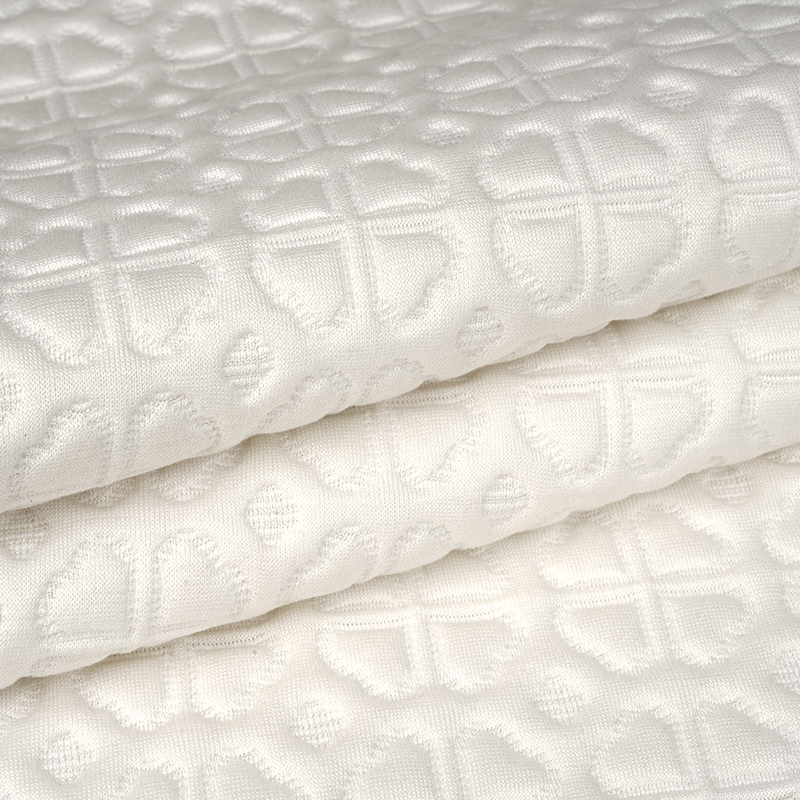
Antibacterial Yarn Children Mattress Fabric
Antibacterial Yarn Children Mattress Fabric
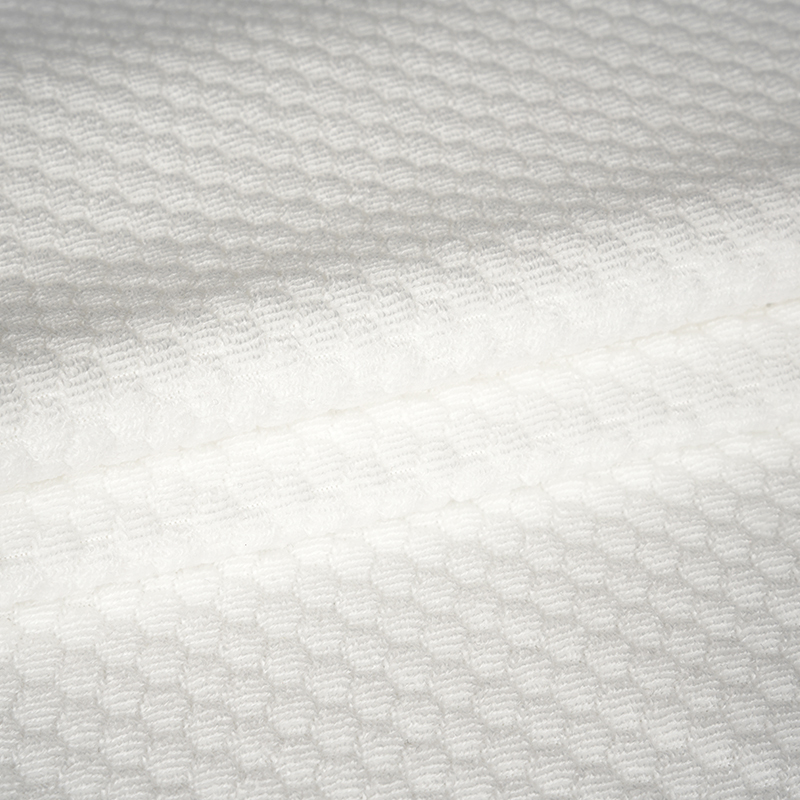
Haven’t Found The Products You Want?
-
-
Shen Jinyan:+86-15158070676
[email protected]
Liang Jinwen:+86-15757186621
[email protected]
Qiu Yingyingn:+86-13819545790
[email protected]
Yi qiao Town, Xiaoshan District, Hangzhou City, Zhejiang Province, China
-
Products
Mattress Fabric Children Mattress Fabric Pillowcase Fabric Pregnancy Pillow Fabric Cooling Mat Fabric Bedding Fabric Sofa Fabric Pet Friendly Fabrics -
Contact Information
About Us Products Strength Sustainability News Contact Us
Copyright © Hangzhou Xinsili Decorative Fabric Weaving Co.,Ltd. All Rights Reserved.
Functional Decorative Textile Manufacturers
