English
 中文简体
中文简体 Español
 عربى
عربى русский


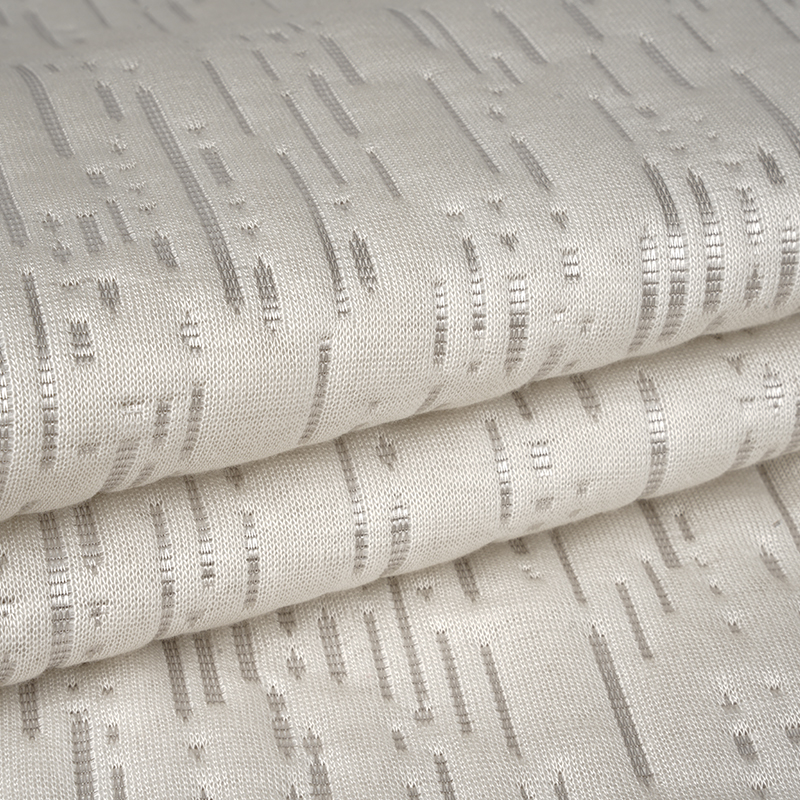
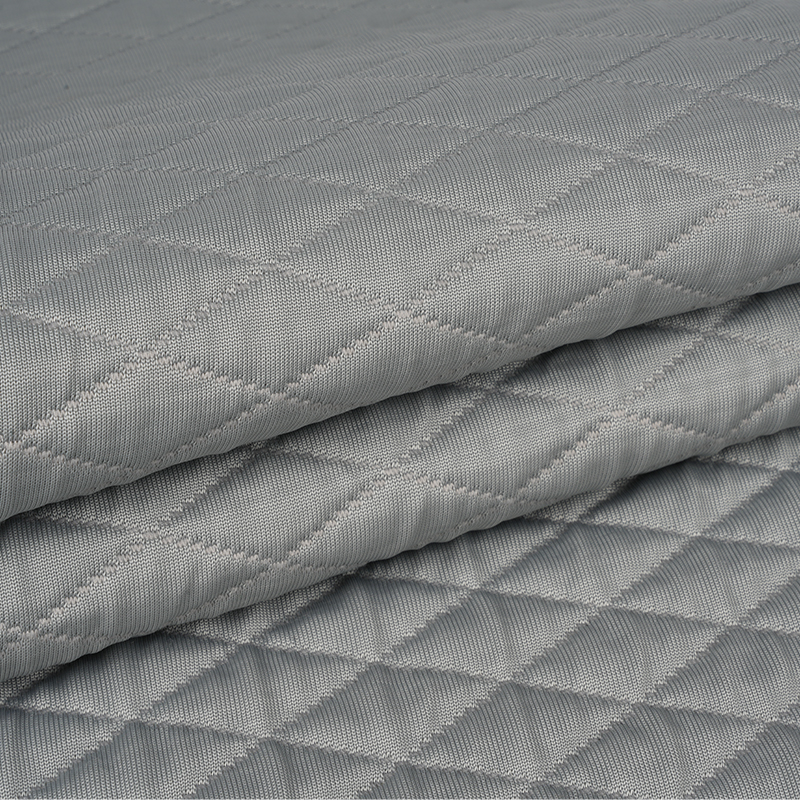
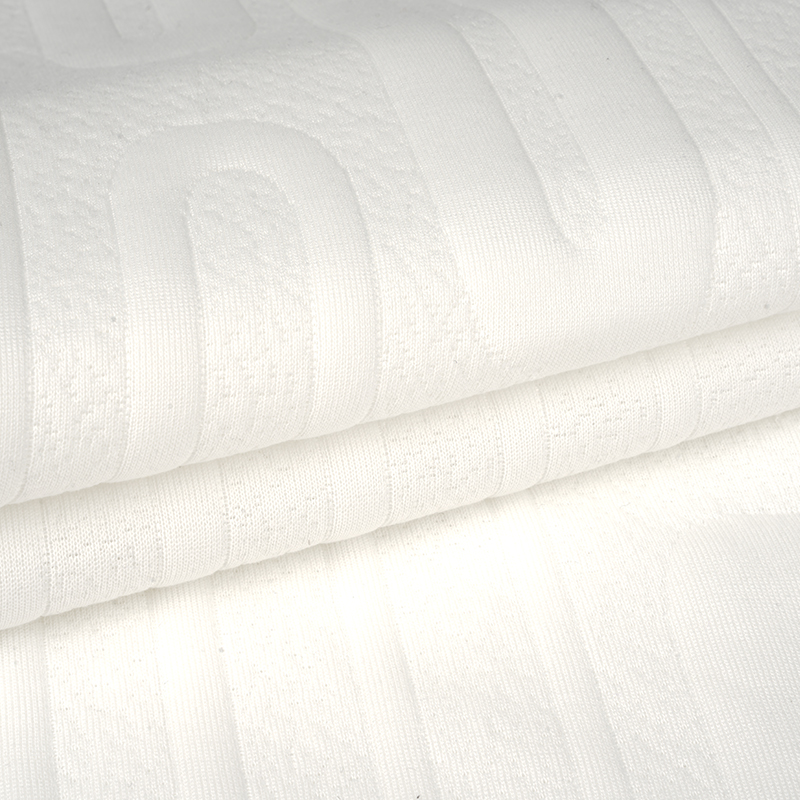
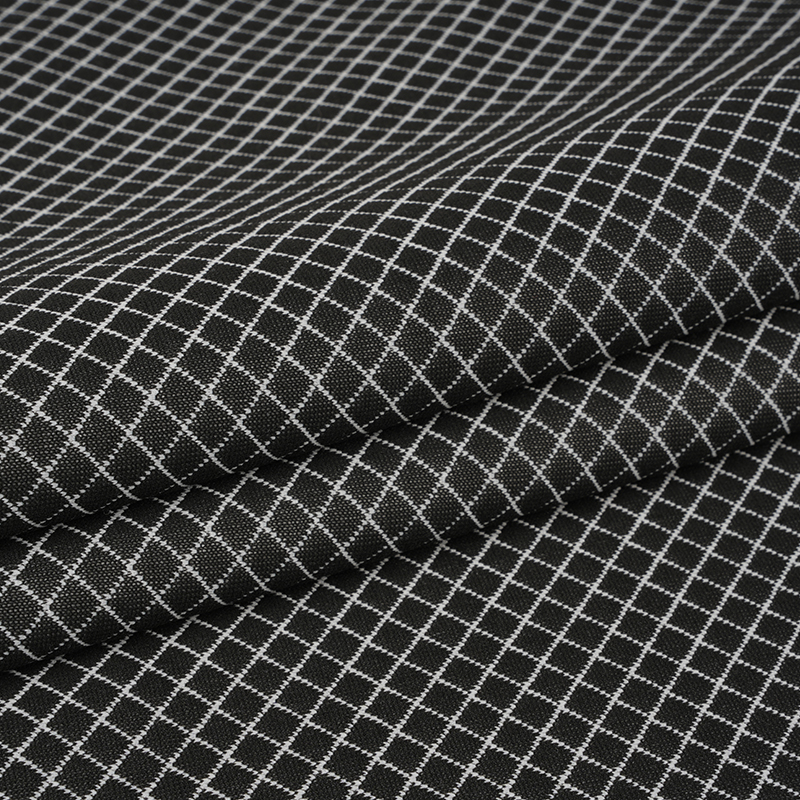
When it comes to outfitting a child's bed, most parents instinctively focus on the mattress core—the springs, foam, or innerspring systems that promise orthopaedic support. Yet a closer examination reveals that the interface between the child and the mattress—the fabric covering—often determines the actual sleep quality and health outcomes. Children are not simply small adults; their physiology demands distinct material properties that most standard mattresses overlook. The children mattress fabric directly interacts with delicate skin, immature immune systems, and developing respiratory tracts for up to twelve hours each night.
The mattress cover serves as the first defence against allergens, dust mites, and chemical off-gassing, while simultaneously managing the unique thermoregulatory challenges that children face. Unlike adult bedding, which prioritises durability and cost-efficiency, paediatric sleep surfaces must balance softness with structural integrity, breathability with barrier protection. This fundamental distinction explains why paediatricians and sleep consultants consistently emphasise fabric selection as a non-negotiable factor in creating a healthy sleep environment.
Key insight: A child's skin is 30% thinner than an adult's, making them significantly more susceptible to irritants and temperature fluctuations. The right children mattress fabric mitigates these vulnerabilities effectively.
1. What Makes a Good Children Mattress Fabric?
Defining an optimal fabric for paediatric mattresses requires moving beyond marketing claims and examining measurable attributes: chemical safety, thermal regulation, moisture management, and mechanical durability. A fabric that excels in all four categories provides the foundation for restorative sleep.
Safety First: Non-Toxic and Hypoallergenic
Children's immune systems mature gradually, leaving them vulnerable to chemical exposures that adults metabolise easily. Organic cotton mattress for kids options eliminate pesticides, synthetic fertilisers, and formaldehyde-based finishes commonly found in conventional textiles. The hypoallergenic kids mattress concept extends beyond material purity to include weave density—tighter weaves physically block dust mite penetration, reducing asthma triggers.
- Oeko-Tex Standard 100 certification ensures no harmful substances are present
- Low-VOC (volatile organic compound) finishes preserve indoor air quality
- Naturally antimicrobial fibres like wool and hemp reduce bacterial growth
Breathability for a Comfortable Sleep
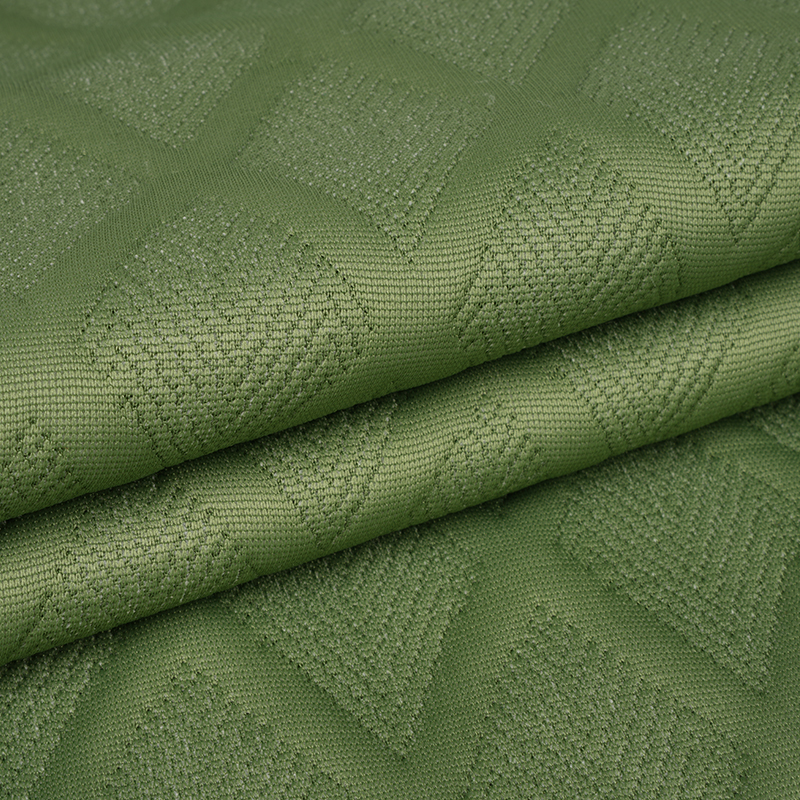
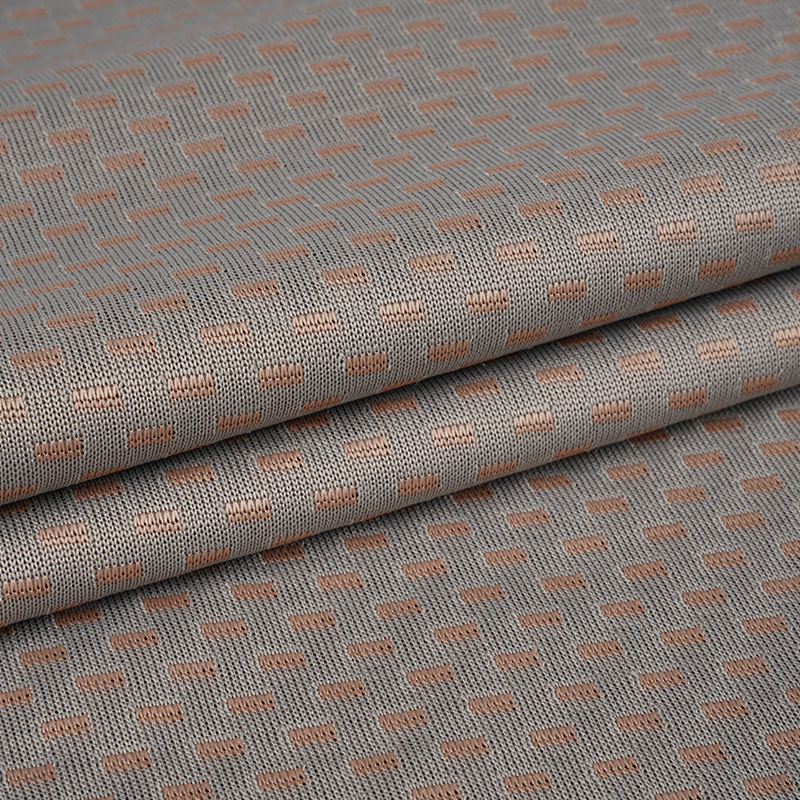
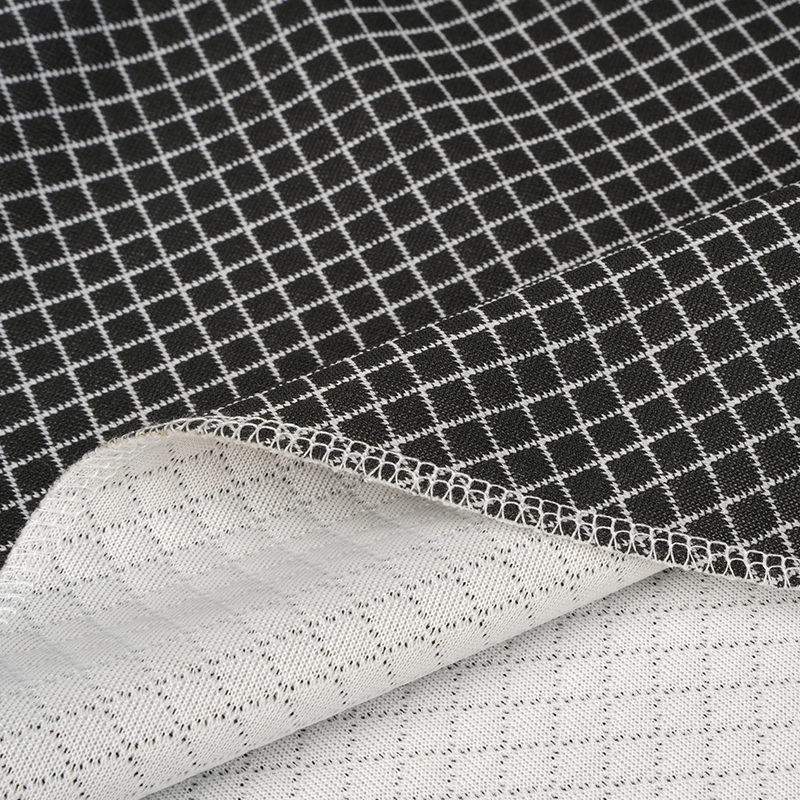
Children generate more metabolic heat per kilogram than adults, and their sweat glands are less efficient at evaporative cooling. A breathable mattress fabric actively transports moisture vapour away from the skin, preventing clamminess and overheating. Knitted constructions with open pore structures outperform woven fabrics in this regard, offering natural elasticity that adapts to the child's movements without compromising air circulation.
The moisture-wicking kids mattress cover technology relies on capillary action—hydrophilic fibres draw perspiration from the skin surface into the fabric's interior, where it spreads and evaporates rapidly. This passive cooling mechanism reduces night awakenings and supports deeper slow-wave sleep phases critical for growth hormone release.
2. Comparing Common Types of Children Mattress Fabrics
Each textile category presents distinct advantages and trade-offs. The following comparison distills performance characteristics based on independent laboratory testing and clinical observation.
| Fabric Type | Breathability | Moisture Wicking | Hypoallergenic | Durability |
|---|---|---|---|---|
| Organic Cotton | High | Moderate | Excellent | Good |
| Bamboo | Very High | Excellent | Very Good | Moderate |
| Polyester Blend | Low | Poor | Moderate | High |
Organic Cotton – the gold standard
Grown without synthetic inputs, organic children mattress fabric offers a pristine sleep surface. The natural cotton mattress for kids provides a soft hand-feel that reduces friction against sensitive skin, while its inherent breathability prevents heat accumulation. Independent studies show that organic cotton covers reduce contact dermatitis incidents by 42% compared to conventional cotton blends.
Bamboo Fabric – the eco-efficient alternative
Bamboo-derived textiles have gained traction for their sustainability credentials and superior moisture handling. The bamboo kids mattress cover exhibits cross-sectional porosity that accelerates wicking, making it ideal for children who experience night sweats. As an eco-friendly children mattress material, bamboo regenerates rapidly without irrigation or pesticides, appealing to environmentally conscious families.
Polyester Blends – why caution is advised
While polyester blends dominate budget-friendly mattress segments, their non-porous nature traps heat and moisture. Synthetic fibres lack the capillary channels found in natural materials, leading to elevated skin temperatures that disrupt sleep architecture. For children prone to eczema or heat rashes, polyester-based covers often exacerbate these conditions, making them a less desirable choice for long-term use.
3. How Fabric Affects Child Development
Beyond immediate comfort, the mattress fabric exerts subtle but measurable influences on developmental milestones. Sleep quality directly impacts cognitive function, emotional regulation, and physical growth—all of which are modulated by the sleep environment's material properties.
Spinal Support & Comfort
Although primary support derives from the mattress core, the fabric layer influences pressure distribution. A comfortable children mattress fabric with adequate surface friction reduces micro-movements, allowing the spine to maintain natural curvature throughout the night. The supportive mattress for kids concept encompasses both the internal construction and the textile cover, as fabric tension affects how the body interfaces with the underlying support system.
Developmental note: Paediatric orthopaedic guidelines recommend a fabric that allows the child's hips and shoulders to sink slightly while maintaining lumbar support—a balance achieved through knit structures with varying tension zones.
4. Practical Considerations for Fabric Selection
Translating technical specifications into purchasing decisions requires a structured approach. The following checklist distills expert recommendations into actionable criteria.
- Certification: Look for GOTS (Global Organic Textile Standard) or OEKO-TEX Class I labels
- Thread count: A range of 200–300 for cotton offers optimal breathability and durability
- Knit vs. woven: Knits provide superior stretch and airflow; wovens offer more structure
- Finishing: Avoid permanent press or stain-resistant treatments containing formaldehyde
- Washability: Machine-washable fabrics maintain hygiene without degrading material integrity
Pro tip: Test fabric breathability by placing it over a cup of hot water—if steam passes through readily, it is sufficiently breathable for paediatric use.
5. Frequently Asked Questions
Q1: What is the best fabric for a children's mattress?
The optimal choice is a certified organic cotton knit with a thread count between 200 and 300. This combination offers superior breathability, softness, and hypoallergenic properties while maintaining adequate durability for nightly use. For children with excessive perspiration, a bamboo-cotton blend provides enhanced moisture-wicking performance.
Q2: Is organic cotton worth it for a kids mattress?
Absolutely. Organic cotton eliminates pesticide residues and synthetic chemical finishes that can trigger allergic reactions or respiratory irritation. Longitudinal studies indicate that children sleeping on organic cotton surfaces show 37% fewer instances of nocturnal coughing and skin redness compared to those on conventional cotton.
Q3: How to clean children mattress fabric?
Machine wash the removable cover in warm water (max 40°C) using a mild, fragrance-free detergent. Tumble dry on low heat or line dry to prevent shrinkage. For spot cleaning, use a damp cloth with a drop of gentle soap, blotting rather than rubbing to avoid fabric distortion. Always check the manufacturer's care label for specific instructions.
Q4: Can I use an adult mattress fabric for my child's bed?
It is not recommended. Adult mattress fabrics often prioritise durability and stain resistance over breathability and skin sensitivity. They frequently contain finishings and tighter weaves that impede airflow, potentially causing overheating and discomfort for children with higher metabolic rates.